
Last Updated on July 30, 2026 by Ethan Caldwell
Hostel lockers are one of the simplest ways to protect a passport, electronics, cash, and other valuables in a shared dorm. However, locker sizes, lock fittings, fees, and access rules vary by property. The safest approach is to check the setup before booking, bring a lock that fits, inspect the locker on arrival, and secure valuables every time you leave the room or go to sleep.
Quick Answer
Use a hostel locker whenever one is available, but do not treat it like a bank safe. Confirm the locker’s size and lock type, bring a small sturdy padlock, inspect the door and hasp, store valuables out of sight, lock it every time, and keep backup copies of essential documents separately.
Key Takeaways
- Ask whether the hostel provides a locker for each guest, what size it is, and whether a lock is included.
- Bring a compact combination or keyed padlock that fits a standard locker loop; an oversized shackle may not fit.
- Lock up passports, payment cards, spare cash, electronics, medication, and travel documents whenever they are not with you.
- Check destination-specific identification rules before deciding whether to carry your original passport or secure it in the locker.
- Report damage, tampering, or theft to hostel staff immediately and document the incident for police, insurers, and your embassy if needed.
At a Glance
| Time Required | About 5–10 minutes at check-in |
| Difficulty | Easy |
| Tools Needed | Small padlock, document pouch, and optional cable lock for oversized luggage |
| Cost | Often included with the bed; lock rental, purchase, or deposit policies vary |
Disclosure: As an Amazon Associate I earn from qualifying purchases. Some links on this page are affiliate links, at no extra cost to you.
What Is a Hostel?

A hostel is shared accommodation designed around lower-cost beds and communal facilities. Many properties offer dorm rooms, private rooms, shared kitchens, lounges, tours, and social events. Dorm sizes, privacy curtains, outlets, linens, age policies, and security features differ widely, so read the property description and recent guest reviews rather than assuming every hostel has the same setup.
Lockers are common, but they are not universal. Hostelling International says most of its hostels provide lockers or room safes, while some require guests to bring, rent, or buy a padlock. Properties without in-room lockers may offer a reception safe instead. Check the hostel’s listing or contact it directly before you book. See the Hostelling International hostel FAQs for an example of how locker policies can vary.
Why Stay in a Hostel?

Hostels can be useful for travelers who value lower room costs, shared kitchens, central locations, organized activities, and easy opportunities to meet other guests. Some also provide private rooms for people who want more privacy while keeping access to communal spaces.
Do not rely on a universal nightly price range. Rates change by city, season, room type, taxes, events, and how early you book. Compare the final price, cancellation terms, locker access, reception hours, recent security reviews, and location—not just the headline bed rate.
Are Hostels Safe?
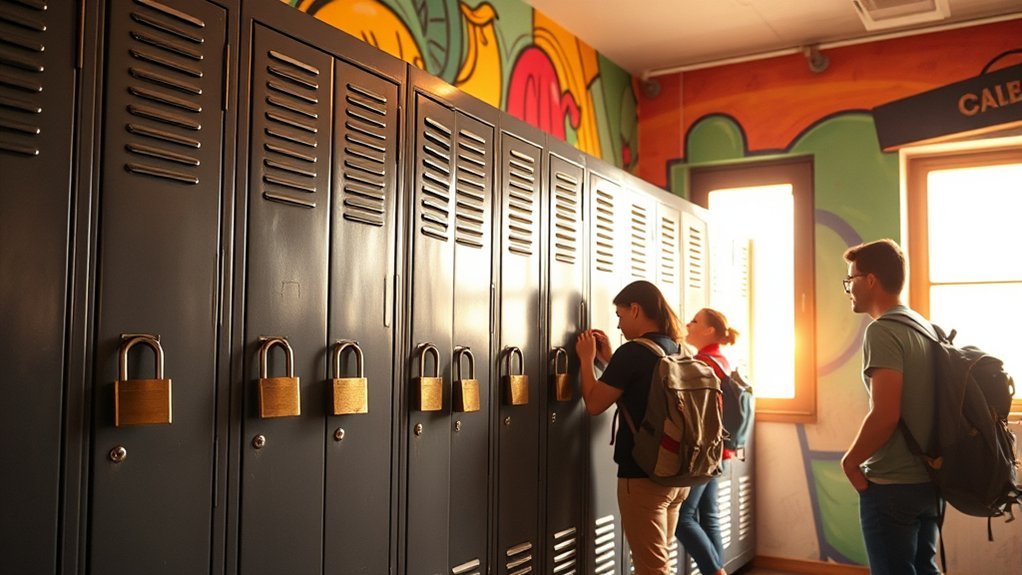
Many people stay in hostels without incident, but no accommodation type is automatically safe. Risk depends on the property, neighborhood, room access, staff coverage, fire safety, other guests, and your own habits. The U.S. Department of State advises travelers to research accommodation reviews, secure IDs and personal items, remain aware of suspicious activity, and contact the front desk when something feels wrong. Review its crime-prevention guidance and lodging-safety checklist before an international trip.
General Safety Overview
Before booking, read recent reviews for repeated reports of theft, broken lockers, doors that do not latch, poor staff response, unauthorized visitors, or unsafe surroundings. Favor properties with controlled entry, clearly assigned beds and lockers, staffed reception during your arrival period, visible emergency information, and a practical way to report problems.
At check-in, locate emergency exits, confirm how room access works, and ask whether staff keep a master key or override code for the lockers. Keep your room key or access card private, and do not share your bed number, room number, or door code with strangers.
Solo Female Traveler Safety
Hostels are not automatically safer than hotels for solo women, but a well-run property can provide useful social contact and staff support. Choose a female-only dorm if that makes you more comfortable, check recent reviews written by solo travelers, and confirm reception hours, entry controls, bathroom location, and late-arrival procedures.
Set clear boundaries with roommates and move rooms or leave the property if you feel unsafe. Tell staff about harassment, stalking, unauthorized entry, or a damaged lock immediately. Property security and personal safety are related, but a locker only protects belongings; it cannot replace situational awareness or a safe lodging choice.
Warning: Never block an emergency exit, attach luggage to fire-safety equipment, or create a trip hazard with a cable lock. If the room, locker, or access system appears unsafe, ask for another room or secure storage rather than improvising.
Are Hostel Lockers Safe?
A sound locker with a properly fitted lock can reduce easy, opportunistic access to your belongings. It is still not a vault. Thin panels, exposed hinges, damaged hasps, shared override systems, or a poorly anchored locker can weaken protection. Inspect the locker before trusting it with high-value items.
What a Locker Can—and Cannot—Protect
Use the locker for items you would not want left unattended on a bunk: your passport when local rules allow, spare payment cards, extra cash, laptop, tablet, camera, medication, keys, and travel documents. Put small items inside an opaque pouch so they are easy to move and are not visible through vents.
A locker cannot guarantee that theft will not occur, protect an unlocked bag elsewhere in the room, or ensure an insurance claim will be paid. It also cannot protect data on an unencrypted device. Use a screen lock, device encryption, account recovery options, and remote-location features where available.
A hostel locker is a practical layer of security—not a promise that valuables are risk-free.
Trust Among Guests
A friendly dorm can make travel more enjoyable, but trust should not replace basic security. Be respectful and open with roommates while keeping valuables secured. Avoid displaying large amounts of cash, leaving devices unattended, sharing your locker combination, or announcing where you keep important documents.
| Situation | Best Practice | Why It Helps |
|---|---|---|
| Meeting roommates | Be friendly without sharing codes or financial details | Maintains privacy while supporting a positive room atmosphere |
| Leaving the room | Lock valuables even for a short shower or kitchen visit | Reduces unattended access |
| Using cash and cards | Split backups between secure locations | One loss is less likely to end the trip |
| Noticing damage | Stop using the locker and report it | Prevents reliance on compromised hardware |
How to Use a Hostel Locker Safely
1. Check the Locker Before Booking
Look for the words “individual locker,” “secure storage,” or “reception safe,” then confirm what those terms mean. Ask whether every guest gets a locker, whether it fits a full backpack or only small valuables, what lock type it accepts, whether a lock is included, and whether there is a fee or refundable deposit. Recent photos and reviews can reveal lockers that are too small or frequently broken.
2. Bring the Right Padlock
A compact, sturdy combination or keyed padlock works for many hostel lockers. A combination lock removes the need to carry a key; a keyed lock may be easier for travelers who struggle with small number dials. Bring a spare key in a separate secure location if you choose a keyed model.
Do not assume a thick or shrouded shackle will fit. Locker loops are often narrow. A flexible cable lock can help with an awkward fitting or large bag, but use the hostel’s solid locker whenever possible. “TSA-approved” is not required for a hostel locker; that feature is intended for luggage screening, not dorm security.
Pro Tip: Pack two small locks with different combinations. The second can secure a day bag, serve as a backup, or fit a locker loop that rejects your first lock.
3. Inspect the Locker on Arrival
Open and close the door. Check the hasp, latch, hinges, panels, vents, and anchor points. Look for bending, loose screws, sharp edges, or signs that the door can be lifted off its track. Lock it while empty, scramble the combination or remove the key, and tug the door to confirm that it is actually secured.
4. Organize Valuables Before Locking Them Away
Place small valuables in one discreet pouch. Keep a list of important device serial numbers and store document copies separately from the originals. Do not place your locker code, spare key, passport copy, and original passport together. Divide backup cash and cards so one incident does not remove every way to pay.
5. Lock the Locker Every Time
Use the locker when sleeping, showering, cooking, socializing, or leaving the property. Close the door fully, engage the lock, scramble the digits, and tug once before walking away. Do not leave the lock hanging open, and never let another guest “borrow” your assigned locker.
6. Handle Passports and Electronics Carefully
Check the destination’s identification rules before deciding where to keep your passport. Some destinations advise carrying a copy while keeping the original secure; others may require travelers to produce the original. Review the destination page on the U.S. State Department travel-advisory site or your own government’s travel guidance.
Use a charging locker when available. Otherwise, charge devices while you are awake and nearby, use a power bank, or ask staff about secure charging. Do not leave a phone or laptop charging unattended on a bunk or common-room outlet.
Note: If a U.S. passport is lost or stolen abroad, report it promptly and contact the nearest U.S. embassy or consulate. Once reported, it is canceled and cannot be used for travel. Follow the State Department’s lost-or-stolen passport instructions.
7. Empty and Check the Locker Before Checkout
Use a simple head-to-toe check: upper shelf, lower corners, charging socket, door pocket, and floor around the locker. Remove your lock, return any rented key or token, and close out any deposit. Check the room again for cables, adapters, documents, medication, and items tucked under bedding.
General Safety Practices in Hostels
- Keep your bag closed: Even non-valuable items are easier to lose when spread across a bunk or floor.
- Carry only what you need: Avoid traveling with irreplaceable jewelry, excessive cash, or devices you will not use.
- Use device security: Enable a passcode, encryption, tracking, and remote lock or erase where supported.
- Protect access information: Do not photograph a door code, write your locker combination on the lock, or share room details online in real time.
- Know who to contact: Save the hostel’s phone number, local emergency number, insurer details, card-issuer contacts, and embassy information.
- Review insurance terms: Travel insurance may include baggage or personal-effects coverage, but limits, deductibles, exclusions, and documentation requirements differ.
The National Association of Insurance Commissioners explains that baggage-loss or personal-effects coverage can apply to lost, stolen, or damaged belongings and may supplement other coverage. Read the policy before departure and confirm limits for phones, laptops, cameras, cash, and passports. See the NAIC’s travel-insurance overview.
What to Do If a Locker Is Broken or Tampered With
- Stop using the locker and move your belongings to a staffed safe or another verified locker.
- Photograph the locker, lock, damage, room number, and surrounding area.
- Tell hostel management immediately and request a written incident record.
- Ask whether entry logs, key records, or camera footage can be preserved.
- List missing items, serial numbers, account details, and approximate values.
- File a police report when property is stolen or when your insurer requires one.
- Freeze affected cards, change exposed passwords, and activate device-tracking tools.
- Contact your insurer and embassy or consulate when documents are involved.
What If the Hostel Has No Locker?
Ask whether reception has a safe or locked luggage room and who can access it. Get a receipt or claim tag when one is offered. If the property cannot provide secure storage, keep essential documents and payment methods with you in a discreet on-body pouch and consider moving to accommodation with suitable security. Do not leave high-value items loose in an unlocked dorm.
Safety of Hostels for Solo Female Travelers
Solo female travelers may prefer female-only dorms, but the label alone does not prove that a property is secure. Check how the hostel controls entry, whether bathrooms are inside or outside the room, who can enter the floor, how staff handle complaints, and whether reception is staffed when you return at night.
| Feature to Check | Why It Matters | What to Ask |
|---|---|---|
| Female-only dorm option | May improve comfort and privacy | Who can access the room or floor? |
| Reception coverage | Affects help during late arrivals or incidents | Is staff support available overnight? |
| Recent solo-traveler reviews | Can reveal repeated problems or good staff response | Are safety complaints answered consistently? |
| Individual locker | Keeps valuables separate in a shared room | Does every assigned bed have one? |
Share your plans with a trusted contact, avoid giving new acquaintances unnecessary personal details, and use group activities only when they feel comfortable. If staff dismiss a serious concern, prioritize leaving safely over preserving a booking.
Communicating With Hostel Staff
Clear questions before and during your stay can prevent most locker surprises. Ask staff:
- Does every dorm bed have an assigned locker?
- Will it fit my full backpack, or only small valuables?
- What shackle size or lock type fits?
- Can I rent or buy a lock, and is there a deposit?
- Is there a reception safe for passports or electronics?
- Are lockers available before check-in and after checkout?
- Does the locker have a charging outlet?
- Who can open it if I lose a key or forget a code?
- How should I report damage, theft, or harassment?
Report problems as soon as they occur. A calm, specific description—what happened, when, where, who was present, and what is missing—makes it easier for staff to respond and create a useful incident record.
Comparing Hostels and Hotels
Hostels usually emphasize shared rooms, communal facilities, and social interaction. Hotels usually emphasize private rooms, private bathrooms, and more standardized service. Neither format is automatically safer. A well-managed hostel with controlled entry and individual lockers may suit one traveler better than a poorly reviewed budget hotel, while another traveler may prefer the privacy and in-room safe of a hotel.
| Factor | Hostel | Hotel |
|---|---|---|
| Sleeping space | Often shared, with private rooms sometimes available | Usually private |
| Valuable storage | Assigned locker or reception safe; varies by property | In-room safe or front-desk safe; varies by property |
| Social environment | Usually more communal | Usually more private |
| Best choice | Travelers comfortable with shared space and property-specific security | Travelers prioritizing privacy and less shared access |
Frequently Asked Questions
What type of lock is best for a hostel locker?
Bring a compact, sturdy combination or keyed padlock. Combination locks avoid lost keys, while keyed locks may be easier to operate. The most important issue is fit: thick or shrouded shackles may not pass through a narrow locker loop. Ask the hostel about the accepted size before arrival.
Can I store food in a hostel locker?
Follow the hostel’s rules. Do not put perishable, leaking, strongly scented, or pest-attracting food in a bedroom locker unless the property specifically allows it. Most hostels expect food to be labeled and stored in the shared kitchen, refrigerator, or designated dry-food area.
Are lockers available for every hostel guest?
Not always. Many hostels provide an individual locker, but some offer only small valuables lockers, shared luggage rooms, or a reception safe. Confirm availability, size, lock requirements, fees, and access hours before booking.
What happens if I forget my locker combination?
Tell reception and be ready to show identification or proof that the locker is assigned to you. Staff may be able to reset a hostel-owned lock or may need to cut off a personal lock. Do not force the locker or ask another guest to open it.
Can I rent a locker temporarily at a hostel?
Sometimes. A hostel may include a locker with the bed, rent a lock, charge a deposit, or offer luggage storage before check-in and after checkout. Ask whether storage is locked, staffed, tagged, insured, and accessible when you need it.
Should I leave my passport in a hostel locker?
It depends on the destination’s identification rules and the quality of the locker. Where carrying a copy is allowed, securing the original may reduce loss or pickpocketing risk. Where authorities require the original, carry it discreetly. Keep a separate copy and know how to contact your embassy or consulate.
What should I do if my belongings are stolen from a hostel?
Notify hostel management immediately, photograph the scene, request a written incident record, and file a police report when appropriate. Freeze cards, secure online accounts, track devices, contact your insurer, and report a stolen passport to your embassy or issuing authority.
Conclusion
A hostel locker is a useful shield against casual access, but it works best as part of a wider security routine. Verify the locker before booking, bring a lock that fits, inspect the hardware, secure valuables every time, and keep document and payment backups separate. Stay alert to the property’s rules and local identification laws, and report problems quickly. Those habits let you enjoy the social side of hostel travel without treating shared accommodation as risk-free.
Sources
- Hostelling International: Hostel FAQs — locker availability, padlock policies, and reception-safe alternatives.
- Hostelworld: The Ultimate Guide to Hostel Safety — current practical guidance on lockers, padlocks, charging, and shared-room precautions.
- U.S. Department of State: Crime Prevention for Travelers — researching accommodation and securing IDs and personal items.
- U.S. Department of State: Lodging Safety — check-in, room awareness, emergency equipment, and reporting suspicious activity.
- U.S. Department of State: Lost or Stolen Passport Abroad — reporting and replacement steps for U.S. passports.
- National Association of Insurance Commissioners: Travel Insurance — baggage and personal-effects coverage basics.
