
Last Updated on July 31, 2026 by Logan Reeves
Disclosure: As an Amazon Associate, we earn from qualifying purchases. If you click a link on this page and make a purchase, we may receive a small commission at no extra cost to you.
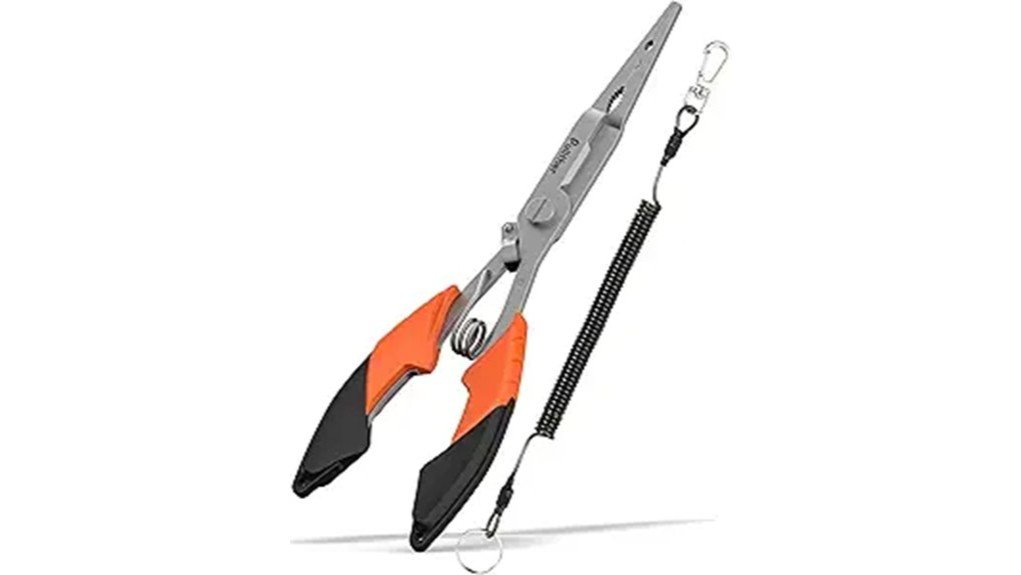
Removing a deeply set hook, trimming line, and crimping split shot are much easier when you have one compact tool that can handle all three jobs. The pullther fishing Hook Remover Fishing Pliers combine a slim stainless steel body, spring-loaded jaws, TPR rubber grips, and an approximately 7-inch length. They are a practical choice for anglers who want a simple freshwater and saltwater multitool, but the listing does not clearly identify the steel grade, cutter material, warranty, or included storage accessories. This review explains where the pliers make sense, how to care for them, and which buyers may prefer a more fully specified alternative.
Quick Verdict
Rating: 8/10, Recommended with caveats
Best For: Freshwater and occasional saltwater anglers who want one compact tool for hook removal, line cutting, gripping, and light crimping.
Bottom Line: The slim nose, spring-loaded action, and nonslip handles make routine tackle work easier. The main tradeoff is limited published detail about the steel grade, cutter construction, package contents, and warranty.
| Specification | Detail |
|---|---|
| Brand | pullther fishing |
| Model reference | Amazon ASIN B0DT6JMSW6 |
| Product type | Multifunction fishing pliers and hook remover |
| Approximate length | About 7 inches |
| Main material | Stainless steel, exact grade not stated |
| Handle material | TPR rubber grips |
| Opening mechanism | Spring-loaded |
| Storage feature | Locking clip and lanyard attachment point |
| Functions | Hook removal, line cutting, line gripping, and light split-shot crimping |
| Water types | Freshwater and saltwater, with rinsing and drying after use |
| Best use | General tackle-box tasks and controlled hook removal |
What Are the pullther fishing Hook Remover Fishing Pliers?
These are compact fishing pliers designed to replace several small tackle-box tools during routine rigging and fish handling. The narrow jaws give you more reach than ordinary household pliers, while the built-in cutter and crimping area let you manage line and split shot without switching tools.
The approximately 7-inch body is long enough for many common hook-removal jobs but still compact enough for a tackle tray, vest pocket, or boat compartment. The spring-loaded mechanism keeps the jaws ready to open, and the locking clip helps prevent the tool from spreading open during storage.
Who Should Buy It?
Best For
- Freshwater anglers who need a compact hook remover and line cutter.
- Occasional saltwater anglers willing to rinse and dry their tools after each trip.
- Buyers who prefer spring-loaded pliers with rubberized grips and a storage lock.
Skip If
- You need replaceable tungsten-carbide cutters or a confirmed marine-grade alloy.
- You want a verified sheath, coiled tether, or detailed warranty included in the package.
- You regularly remove hooks from very large, toothy fish and need longer-reach specialist pliers.
Before You Buy: Stainless steel is corrosion-resistant, not corrosion-proof. Rinse the pliers with fresh water after saltwater use, dry the joint and jaws, and confirm the current package contents because a sheath or tether is not clearly verified.
Design and Build Quality
The stainless steel body is the main reason these pliers suit mixed freshwater and saltwater use. Steel gives the jaws a firm feel for gripping hooks and crimping small weights, but the exact alloy and protective coating are not identified. That missing detail matters if you fish saltwater every week or store tools in a damp boat compartment.
The long, slim nose helps you reach hooks that sit farther inside a fish’s mouth. It also improves control around small split rings and line knots. You should still match the tool to the fish and hook size, since a 7-inch plier is not a substitute for long-reach hook removers used on large or toothy species.
TPR rubber handles add texture and cushioning. The grip is useful when your hands are wet, cold, or coated with fish slime, although no handheld tool can guarantee a secure grip in every condition. The compact body should fit most tackle boxes without taking the space of a full tool roll.
Key Features and Functionality
Hook Removal
The narrow jaws let you grip the bend or shank of many common hooks while keeping your fingers farther from the point. For a safer release, control the fish before you reach into its mouth, clamp the hook firmly, and rotate it back through the entry path rather than pulling at random.
The pliers can help with deeply set hooks, but they cannot make every hook safe to remove. Cut the line and seek experienced guidance when removal would cause unnecessary injury to the fish or put your hand near sharp teeth.
Line Cutting and Gripping
The integrated cutter reduces the need to carry separate scissors for routine line trimming. The listing also describes braided-line cutting and line gripping, which can help when you tighten a knot. Cutter performance may vary with braid diameter, wear, alignment, and salt buildup, so test it on your usual line before relying on it during a trip.
Split-Shot Crimping
The jaw area can crimp small split-shot weights during basic rigging. Use steady, moderate pressure so you do not crush the weight, damage the line, or force the jaws out of alignment. Dedicated crimpers remain the better choice for heavy leaders, sleeves, wire, or precision terminal tackle.
Spring-Loaded Action and Locking Clip
The spring keeps the jaws open between squeezes, which supports one-handed use when your other hand is controlling a rod or fish. The locking clip closes the handles for storage and helps protect nearby tackle from the exposed jaws. Check that the lock is fully engaged before placing the pliers in a pocket.
Portability and User Experience
At about 7 inches, the pliers strike a useful balance between reach and portability. They should fit in a medium tackle tray, side pocket, fishing backpack, or boat organizer. The streamlined shape also makes them easier to retrieve than a bulky multitool with folding components.
A lanyard attachment point gives you a way to secure the pliers near water. The available product details do not clearly confirm that a lanyard or sheath is included, so inspect the current listing and package description before buying. Adding your own corrosion-resistant tether can prevent a dropped tool from disappearing overboard.
Pro Tip: Before your first trip, test the cutter on the mono, fluorocarbon, or braid you normally use. Add one small drop of tool oil to the pivot, wipe away the excess, and attach a tether before you fish from a kayak, pier, or boat.
How It Performs in Real Use
For Routine Freshwater Fishing
For bass, trout, panfish, and similar everyday fishing, the compact size and narrow nose should cover common hook-removal and rigging tasks. The spring-loaded action is especially useful when you need repeated short squeezes while adjusting a hook or split shot.
For Occasional Saltwater Trips
The stainless steel construction makes these pliers more suitable for salt exposure than untreated carbon-steel household pliers. Salt crystals can still collect in the cutter, pivot, spring, and lock. A fresh-water rinse and complete drying after every saltwater trip are essential if you want the tool to keep moving freely.
For Kayak, Bank, and Pier Fishing
The lanyard attachment and compact profile are helpful where dropped equipment is difficult to recover. Keep the pliers clipped within reach rather than loose on the deck or ground. A sheath can also protect your clothing and nearby line, but you may need to supply one separately.
For Larger Fish and Deep Hooks
The slim nose gives you useful reach, but the 7-inch length has limits. For large fish, heavy-gauge hooks, or species with sharp teeth, use a longer hook remover, jaw spreader, or species-appropriate handling tool. These pliers should manipulate the hook, not lift the fish or serve as an unverified lip gripper.
How to Use and Maintain the Pliers
- Inspect the tool: Check the jaws, cutter, spring, lock, and pivot before each trip.
- Control the fish: Use safe handling methods for the species and keep your fingers away from hook points and teeth.
- Grip the hook: Clamp the bend or shank firmly without crushing the hook into the fish.
- Reverse the hook path: Rotate and back the hook out with controlled pressure.
- Rinse after use: Wash away salt, sand, scales, and bait residue with fresh water.
- Dry and lubricate: Dry the pliers fully and apply a light tool-safe lubricant to the pivot when movement becomes stiff.
- Store closed: Engage the locking clip and keep the tool in a dry area, preferably in a sheath or ventilated compartment.
Do not use the cutter on hooks, heavy wire, or materials beyond its intended purpose. Excessive force can nick the cutting edge or loosen jaw alignment.
Materials, Handling, and Safety
The product is described as stainless steel with TPR rubber handles. The available details do not identify the specific steel grade, coating, or chemical certifications, so you should not assume marine-grade corrosion resistance or specialized safety approvals.
Fishing hooks can cause puncture injuries, and fish teeth, gill plates, and spines can cut your hands. Keep the tool locked when stored, supervise young anglers, and follow local fish-handling and release rules. Replace the pliers if the jaws no longer align, the cutter chips, the spring breaks, or rust affects safe operation.
Pros and Cons
Pros
- Stainless steel construction suits freshwater and properly maintained saltwater use.
- Approximately 7-inch size balances reach with tackle-box portability.
- Spring-loaded jaws support quick, one-handed operation.
- TPR rubber handles improve comfort and wet-hand control.
- Combines hook removal, line cutting, line gripping, and light crimping.
Cons
- The exact steel grade and cutter material are not clearly stated.
- Included sheath, tether, replacement parts, and warranty are not verified.
- Seven-inch reach may be too short for large, toothy fish or deeply swallowed hooks.
Is It Worth the Price?
These pliers offer strong value for the price when you need a simple, compact tool for basic hook removal, line trimming, knot control, and split-shot crimping. You get several practical functions in one tool without the bulk of a larger fishing kit.
The value is less convincing for anglers who need clearly specified 420 stainless steel, tungsten-carbide cutters, replaceable cutting inserts, or a verified sheath and tether. Check the current listing details and compare the package contents before deciding, since those extras can affect the true cost.
How It Compares to Alternatives
The KastKing Cutthroat 7-inch Stainless Steel Pliers are worth comparing when you want a named 420 stainless steel construction, a protective coating, and tungsten-carbide cutters. Piscifun’s aluminum fishing pliers may suit buyers who prefer a lighter body, replaceable cutters, and a listed sheath-and-lanyard package.
The pullther fishing pliers make the most sense when you want a straightforward stainless steel design with rubber grips and core fishing functions. A smaller Booms Fishing stainless steel model may be easier to pack, while longer specialist hook removers are safer for deeper hooks and larger toothy species.
Frequently Asked Questions
Are these pliers suitable for saltwater and freshwater fishing?
Yes. The stainless steel construction suits both environments, but saltwater use requires a fresh-water rinse, complete drying, and occasional pivot lubrication. Do not leave the pliers wet in a closed tackle box.
Can the cutter handle braided fishing line?
The product listing describes braided-line cutting, but results can vary with braid diameter, tension, edge sharpness, and jaw alignment. Test the cutter on your usual line before relying on it away from home.
Can these pliers remove hooks from large fish?
They can grip and rotate many hooks, but the approximately 7-inch length may not provide enough reach for large mouths, sharp teeth, or deeply swallowed hooks. Use a longer species-appropriate remover when extra hand clearance is needed.
Do the pliers include a sheath or lanyard?
The article supports a lanyard attachment point, but the current package contents are not clearly verified. Check the Amazon listing before purchase if a sheath, coiled tether, or belt clip is essential to you.
How should you clean and maintain the pliers?
Rinse them with fresh water after each trip, remove sand and debris from the joint, and dry every surface. Add a small amount of tool-safe lubricant to the pivot when needed, then store the pliers locked in a dry place.
Can you use these pliers as a fish gripper?
No verified product detail identifies them as a weight-bearing fish gripper. Use the jaws to manipulate hooks and tackle, not to lift a fish by its mouth or jaw.
What warranty and replacement parts are available?
A specific warranty period and replacement-parts program could not be verified. Review the current seller terms on Amazon and contact the seller before purchase if warranty coverage or replaceable cutters are important to you.
The Bottom Line
The pullther fishing Hook Remover Fishing Pliers are recommended with caveats for anglers who want an affordable, compact stainless steel multitool with spring-loaded jaws and nonslip grips. Choose a more specialized option if you need longer reach, replaceable cutters, a confirmed marine-grade alloy, or verified accessories and warranty coverage.
Ready to Buy?
Check the latest price, package contents, and product details before you decide.
