
Last Updated on July 27, 2026 by Daniel Globe
Sultanahmet can feel nonstop, especially around Hagia Sophia, the Blue Mosque, and the main tram corridor. Yet you can still find calmer pockets of greenery, shaded courtyards, and waterfront breathing room nearby. The key is knowing which places are truly in or beside Sultanahmet—and which famous Istanbul parks require a separate trip.
Quick Answer
For a quiet break near Sultanahmet, start with Gülhane Park, then consider the Caferağa Medresesi courtyard, Küçük Ayasofya surroundings, Kadırga Park, and the Cankurtaran/Ahırkapı waterfront. Sultanahmet Park is central but often busy. Taksim Gezi Park and Yıldız Park are worthwhile, but they are in other districts.
Key Takeaways
- Gülhane Park is the strongest true park choice near Sultanahmet for shade, long paths, mature trees, and seasonal flowers.
- Sultanahmet Park has unbeatable monument views but is usually one of the busiest green spaces in the area.
- Caferağa Medresesi is a historic arts center with a courtyard, not a municipal park; it works well for a quieter cultural pause.
- Şerefiye (Theodosius) Cistern is a ticketed heritage attraction rather than a park, so treat it as an indoor historical stop.
- Taksim Gezi Park and Yıldız Park are not in Sultanahmet. Gezi is in Beyoğlu, while Yıldız Park is in Beşiktaş.
Note: “Sultanahmet” is often used loosely in travel guides. This guide separates places in the historic peninsula from parks that need a tram, metro, bus, taxi, or longer walk. Opening hours, event access, pet rules, and facilities can also change, so check official pages and posted signs on the day of your visit.
Disclosure: As an Amazon Associate I earn from qualifying purchases. Some links on this page are affiliate links, at no extra cost to you.
Quiet Green Spaces Near Sultanahmet: Quick Comparison
| Place | What It Really Is | Best For | Crowd Reality |
|---|---|---|---|
| Gülhane Park | Large historic public park near Topkapı Palace | Shade, walking, seasonal flowers | Calmer early; busy in peak sightseeing hours |
| Sultanahmet Park | Landscaped public space in Sultanahmet Square | Hagia Sophia and Blue Mosque views | Usually busy |
| Caferağa Medresesi | Historic medrese and arts-center courtyard | Tea, crafts, architecture, a quiet pause | Often calmer than the main square |
| Küçük Ayasofya area | Mosque complex, courtyard, and neighborhood green pockets | Slow wandering and local atmosphere | Generally quieter than the core sights |
| Kadırga Park | Neighborhood park in Fatih | Local-life break and benches | More local than tourist-focused |
| Cankurtaran/Ahırkapı green spaces | Small neighborhood and waterfront park areas | Sea air, sitting, short walks | Varies by time and event |
| Taksim Gezi Park | Urban park in Beyoğlu | A Taksim-area break | Not a Sultanahmet escape |
| Yıldız Park | Large historic park in Beşiktaş | A longer nature-focused detour | Worth a separate outing |
Pro Tip: For the best chance of quiet, visit Gülhane soon after breakfast or later in the day outside peak tour-group hours. The T1 tram serves both Gülhane and Sultanahmet stops, making it easy to build a green break into a historic-peninsula itinerary.
Gülhane Park
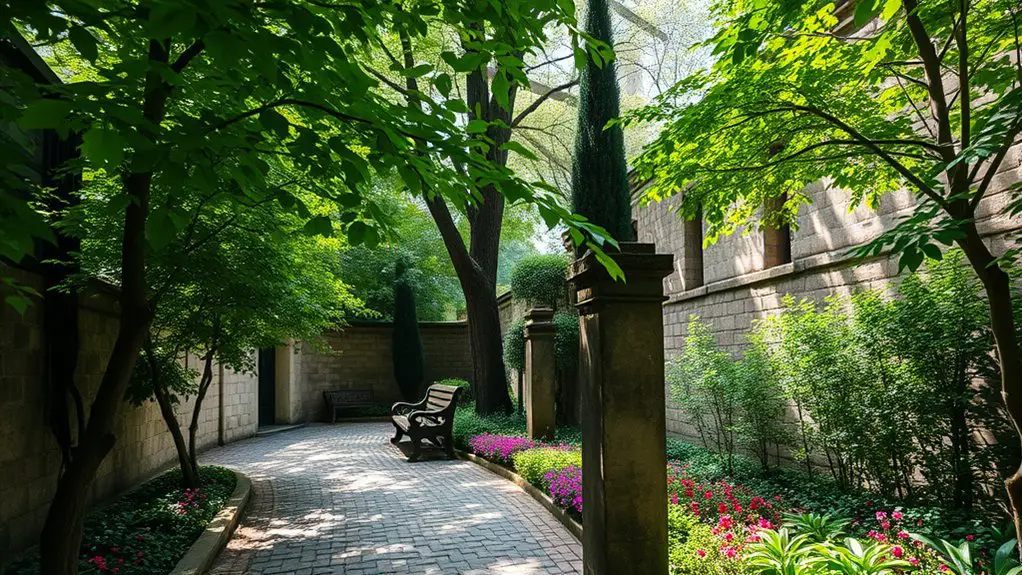
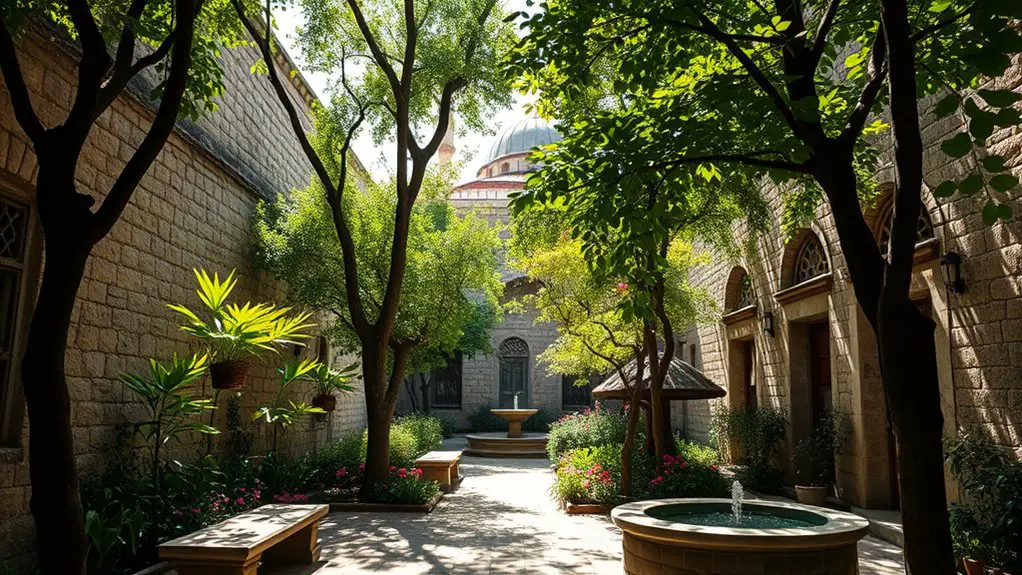
Gülhane Park is the most convincing answer when you want a real park close to Sultanahmet. It sits beside the Topkapı Palace area in Fatih and has deep ties to the palace gardens. According to the Fatih District Governorate, the site was landscaped as a public park and opened to the public in 1912.
Gülhane became a public park in 1912, giving today’s visitors a rare combination of historic setting, mature greenery, and space to slow down near Istanbul’s busiest monuments.
Walk the broad paths beneath mature trees, find a bench in the shade, and look for seasonal flower displays. Tulips are especially associated with Istanbul’s spring planting season, while the exact mix of blooms changes from year to year.
The park also contains or borders historic and cultural points of interest, so a quiet walk can easily turn into a longer history stop. Even when the main paths are active, the park’s scale gives you more room to spread out than the compact lawns around Sultanahmet Square.
For travelers who want nature without leaving the historic peninsula, Gülhane should be the first choice.
Sultanahmet Park
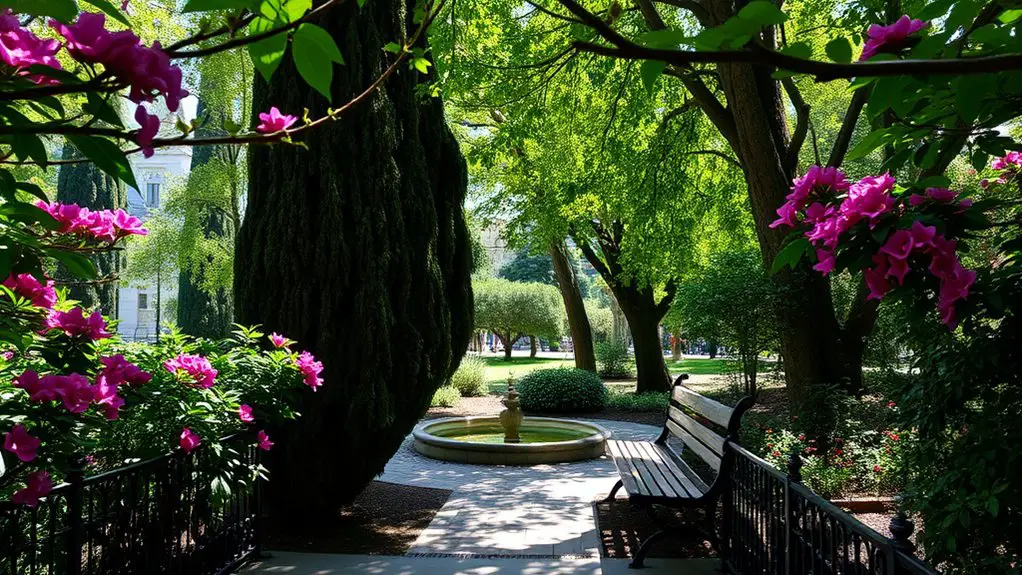
Sultanahmet Park sits in the heart of the historic district, framed by Hagia Sophia and the Blue Mosque. The Fatih District Governorate lists Sultanahmet Park as part of Sultanahmet Square and its concentration of historic landmarks.
The lawns, fountain area, flower beds, and benches make it an easy place to stop between major sights. It is also one of the best places in the district to photograph both monuments without walking far.
However, this is not a hidden park in the usual sense. Because of its location, it can be crowded with tour groups, photographers, families, and vendors. Come early in the morning or pause here briefly, then move to Gülhane, Kadırga, or the quieter streets around Küçük Ayasofya when you want more breathing room.
Caferağa Medresesi Courtyard
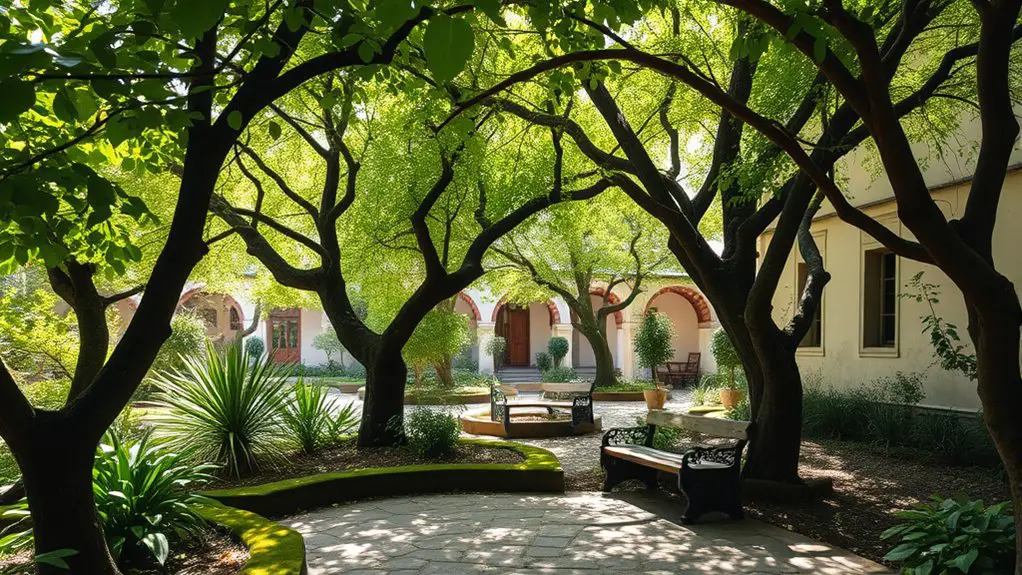
Caferağa Medresesi is better described as a historic medrese and arts-center courtyard than as a public garden. That distinction makes the stop more interesting, not less. The Turkish Cultural Service Foundation, which operates the site, says Cafer Ağa commissioned the medrese from Mimar Sinan in 1559. After restoration in 1989, it became a center for traditional Turkish arts.
Today, workshops and exhibition spaces surround the courtyard. The setting can feel much calmer than the nearby landmark zone, and it offers a chance to sit, look at traditional crafts, and appreciate Ottoman architecture at a slower pace.
| Feature | What to Expect | Why Visit |
|---|---|---|
| Courtyard Atmosphere | Historic enclosed courtyard rather than a large lawn | A calmer pause near major sights |
| Historic Significance | 16th-century medrese associated with Mimar Sinan | Architecture and cultural context |
| Traditional Arts | Workshops, exhibitions, and artisan activity | A more specific cultural experience |
| Visitor Setting | Working cultural center with changing activity levels | A quieter alternative to another monument queue |
Think of Caferağa Medresesi as a peaceful cultural courtyard, not a picnic park. That framing matches the site and helps set the right expectations.
Şerefiye (Theodosius) Cistern: A Quiet Historical Stop
Şerefiye Cistern, also called the Theodosius Cistern, is an underground heritage attraction in the historic peninsula rather than a conventional park. Its small exterior setting can provide a pause from traffic, but the main experience is inside the restored cistern.
The official Şerefiye Cistern site says the structure has no surviving construction inscription. Based on architectural evidence, it is thought to date to the reign of Theodosius II, from 408 to 450. Inside, rows of marble columns support the vaulted structure.
Rather than promising a “park built over a cistern,” it is more accurate to treat Şerefiye as a ticketed 1,600-year-old heritage site with a modern entrance above the ancient reservoir.
Because this is a managed attraction, opening hours, admission prices, event schedules, and entry rules can change. Check the official visit page before leaving your hotel; its current visitor information lists daily hours and current entry conditions.
Note: Entry rules at a ticketed attraction such as Şerefiye Cistern are different from rules in an outdoor public park. Check the official visitor information before arriving with pets, large bags, or other items that may be restricted.
Küçük Ayasofya Park and Mosque Surroundings
The Küçük Ayasofya area is a good choice when you want to step away from Sultanahmet’s main sightseeing axis. Rather than expecting one large formal park, think of this as a quieter neighborhood zone built around the historic Küçük Ayasofya Mosque, its courtyard, side streets, and nearby green pockets.
The mosque and surrounding district offer a different pace from the Hagia Sophia–Blue Mosque corridor. Sit respectfully where public seating is available, wander the neighborhood streets, and enjoy the combination of greenery and historic architecture.
It is an easy place to slow down, but remember that a mosque complex is first a place of worship. Dress and behave respectfully, avoid blocking entrances, and expect access to change during prayer times or religious events.
Tranquil Green Space
Away from the largest tour groups, the Küçük Ayasofya neighborhood can feel more residential. You may find shaded corners, small planted areas, and places to pause under mature trees.
The attraction is not a manicured botanical garden. It is the contrast: quiet streets, historic walls, local cafés, and small pockets of greenery only a short distance from the city’s headline sights.
Bring a book, take a slow walk, or simply use the area as a reset before continuing toward Kadırga or the Marmara waterfront.
Historical Significance
The historic setting is the main reason to come. Küçük Ayasofya Mosque began as the Byzantine Church of Saints Sergius and Bacchus and later became a mosque. The surrounding neighborhood preserves layers of Byzantine and Ottoman history that reward a slower visit.
| Aspect | Why It Matters |
|---|---|
| Küçük Ayasofya Mosque | A major surviving Byzantine-era religious building later adapted as a mosque |
| Historical Context | Shows the layered religious and urban history of the peninsula |
| Cultural Heritage | Connects Byzantine fabric with later Ottoman use |
| Neighborhood Views | Offers a quieter perspective beyond the main monument corridor |
| Visitor Experience | Best approached as a respectful historic neighborhood walk |
Explore slowly and treat the area as a living neighborhood rather than an attraction designed only for tourists.
Kadırga Park
Kadırga Park offers a more local break in Fatih, southwest of Sultanahmet’s main sights. It is not a grand destination park, which is exactly why it can work well when you want benches, shade, and a glimpse of neighborhood life.
The area has deep Ottoman-era associations, but you do not need a history lesson to enjoy the park. Come for a short rest, watch daily routines, and use it as a stepping-stone between Sultanahmet, Küçük Ayasofya, and the surrounding streets.
Good low-key activities include:
- Taking a leisurely walk beneath the trees.
- Finding a bench to read or sit quietly.
- Watching local residents use the neighborhood space.
- Having a simple snack or picnic where posted rules allow.
- Photographing the park and surrounding historic streets without obstructing residents.
Kadırga Park is best for travelers who value ordinary city life as much as famous landmarks.
Taksim Gezi Park: Worth a Detour, but Not in Sultanahmet
Taksim Gezi Park is a central urban park beside Taksim Square. It can be useful when your day takes you to İstiklal Avenue or the Atatürk Cultural Center, but it should not be presented as a hidden Sultanahmet park. The Atatürk Cultural Center’s official site places Gezi Park on the Beyoğlu Culture Route.
The park provides trees, lawns, paths, and seating in one of Istanbul’s busiest modern centers. Its atmosphere can shift with the hour, public events, demonstrations, maintenance, or security measures, so check local conditions before making a special trip.
| Activity | What to Know | Best Approach |
|---|---|---|
| Picnicking | Possible use of open green space depends on posted rules and conditions | Keep it small and leave no litter |
| People Watching | A strong spot for observing Taksim’s daily flow | Daytime or early evening |
| Art and Events | Nearby cultural programming changes seasonally | Check current listings |
Visit Gezi Park because you are already exploring Beyoğlu—not because it is a nearby extension of a Sultanahmet walking route.
Yıldız Park: A Larger Nature Escape in Beşiktaş
Yıldız Park is a much larger green escape and a stronger destination for a nature-focused break, but it is also well outside Sultanahmet. A 2025 notice from the Istanbul Provincial Directorate of Environment, Urbanization and Climate Change identifies the Yıldız Park protected area within Beşiktaş district.
Plan it as a separate outing. The park’s slopes, mature trees, ponds, historic landscape, and views make it a better choice when you have several hours rather than a 20-minute gap between Sultanahmet attractions.
Serene Natural Beauty
Yıldız Park’s appeal comes from scale and landscape. Compared with the compact historic peninsula, it offers more room to walk among trees and spend time outdoors.
- Mature trees that provide shade
- Ponds and landscaped water features
- Seasonal flower beds
- Cafés or refreshment options in and around the wider park area, subject to current operation
- Scenic viewpoints toward the Bosphorus and Beşiktaş
It is a better fit for a dedicated park visit than for a quick Sultanahmet rest stop.
Historical Significance
Yıldız Park is closely tied to the late Ottoman imperial landscape and the Yıldız Palace complex. However, nearby palaces and pavilions should not all be treated as if they sit inside the public park itself.
| Landmark | Relationship to the Area | Why It Matters |
|---|---|---|
| Yıldız Palace | Adjacent imperial complex associated with the Yıldız landscape | Major late-Ottoman royal site |
| Mabeyn-i Hümâyûn | Part of the Yıldız Palace complex | Administrative and ceremonial history |
| Çırağan Palace | Separate waterfront palace nearby in Beşiktaş | Important Ottoman palace architecture |
| Yıldız Clock Tower | Historic structure by the Yıldız complex | Distinctive late-Ottoman landmark |
| Şale Pavilion | Historic pavilion within the broader Yıldız Palace setting | Imperial residential and reception history |
The park and palace landscape together tell a richer story than a simple list of “park monuments.” Check separate opening and ticket rules for museum or palace buildings.
Recreational Activities Available
Yıldız Park works well for an unhurried outdoor break. Depending on current rules and path conditions, you can:
- Walk along scenic paths.
- Watch birds and enjoy quieter wooded areas.
- Cycle only where posted rules and path conditions permit; do not assume every path is open to bicycles.
- Practice quiet stretching or yoga in an appropriate open area without blocking others.
- Take photographs from landscaped viewpoints.
Because it requires extra travel from Sultanahmet, allow enough time to enjoy the park rather than rushing through it.
Gülhane Park’s Rose and Flower Areas
Gülhane’s flower beds deserve their own mention, especially if you visit in spring or early summer. You may find roses and other seasonal plantings adding color and fragrance to the park, but the exact varieties, planting patterns, and bloom timing change with municipal landscaping and weather.
Come for the seasonal display rather than a guaranteed list of rose varieties; what is blooming can change from week to week.
Walk the planted edges and quieter paths, pause where the flowers are strongest, and enjoy the contrast between the formal beds and the park’s tall trees.
The best approach is simple: do not rush. Gülhane is most rewarding when you give yourself enough time to leave the main through-route and explore the side paths.
Cankurtaran and Ahırkapı Green Spaces
South and east of the core Sultanahmet sights, Cankurtaran and Ahırkapı offer small green spaces and waterfront areas where the city feels different from the monument zone. These are neighborhood-scale stops rather than one grand landscaped park.
The strongest draw is location: historic streets behind you and the Sea of Marmara and Bosphorus approaches nearby. Depending on the exact spot, you can find benches, trees, lawns, and room for a short pause.
What to look for:
- Historic context: Cankurtaran sits beside some of the oldest parts of the historic peninsula.
- Water views: Expect views toward the Marmara Sea and the entrance to the Bosphorus rather than a continuous classic Bosphorus panorama.
- Greenery: Small planted areas and waterfront landscaping provide relief from stone streets.
- Calmer moments: Some sections can feel quieter than Sultanahmet Square, though weekends and events can change that quickly.
- Picnic potential: A simple snack can work where lawns and posted rules allow; keep the area clean and avoid blocking paths.
If your goal is a short sea-air break without leaving the historic peninsula, this area can be more rewarding than adding a cross-city park detour.
Best Time and Simple Route Ideas
For lower crowds, start early. Midday is usually busiest around Sultanahmet’s major attractions, while late afternoon can become more comfortable as some tour groups move on. Spring offers the strongest seasonal flower displays, but shaded parks are also valuable in hot weather.
For a 30–60 Minute Quiet Break
Walk to Gülhane Park, take a shaded loop, sit for a few minutes, and return toward Sultanahmet or Sirkeci. This is the easiest option when your schedule is built around Topkapı Palace, Hagia Sophia, or the archaeological museums.
For a Slower Half-Day
Combine Sultanahmet Park for the landmark views, Caferağa Medresesi for a courtyard pause, Küçük Ayasofya for quieter historic streets, and Kadırga Park for a local neighborhood break. Finish toward Cankurtaran or Ahırkapı if you want sea air.
For a Separate Park Outing
Choose Yıldız Park when you want a larger landscape and several hours outdoors. Choose Taksim Gezi Park only when your wider itinerary already includes Taksim and Beyoğlu.
Warning: Do not plan around a single generic closing time for all these places. Public parks, mosque courtyards, cultural centers, and ticketed attractions follow different rules, and temporary closures can occur for maintenance, events, security, or religious observance.
Frequently Asked Questions
Are these parks suitable for picnics and family gatherings?
Some are, but not all in the same way. Gülhane and larger public parks are better suited to a relaxed family break. Caferağa Medresesi is a cultural courtyard, Küçük Ayasofya is a worship and neighborhood setting, and Şerefiye Cistern is a ticketed indoor attraction. Keep picnics small, follow posted rules, and leave no litter.
What time do the parks usually close?
There is no reliable single closing time for every place in this guide. Public parks and squares, cultural centers, mosque grounds, and museum attractions use different schedules. Check the official page or posted entrance information on the day you visit. For Şerefiye Cistern in particular, use its official Visit Information page for current hours.
Are there restrooms available in these parks?
Facilities vary. Do not assume every small park or courtyard has a public restroom. Larger parks and nearby museums, municipal facilities, cafés, or transport hubs may provide toilets, sometimes for a fee. Use facilities when you see them rather than waiting until the next stop.
Is there an entrance fee for any of these places?
The ordinary public green spaces are generally free to enter, but attractions inside or beside them may charge admission. Şerefiye Cistern is a ticketed attraction, and workshops or special programs at cultural venues can also have fees. Check current official pricing before you go.
Can I bring my dog to these parks?
Pet rules vary by site, and the original blanket claim that every park has dog-friendly areas is not reliable. In public parks, follow posted leash and access rules. For ticketed attractions such as Şerefiye Cistern, as well as religious and cultural sites, check the venue’s current entry rules before bringing a pet.
Which places in this guide are actually in or near Sultanahmet?
Gülhane Park, Sultanahmet Park, Caferağa Medresesi, Şerefiye Cistern, Küçük Ayasofya, Kadırga, and Cankurtaran/Ahırkapı are in the historic peninsula and can fit into a Sultanahmet-centered day. Taksim Gezi Park is in Beyoğlu, and Yıldız Park is in Beşiktaş, so both require a separate detour.
When is the best time to find a quieter atmosphere?
Early morning is the safest bet around Sultanahmet, especially at Gülhane. Late afternoon can also be calmer after peak tour-group hours. Weekends, holidays, spring flower displays, and major events can increase crowds, so build flexibility into your route.
Conclusion
You do not need to leave the historic peninsula to find a quieter side of Istanbul, but you do need realistic expectations. Gülhane is the best full-size park near Sultanahmet, while Caferağa Medresesi, Küçük Ayasofya, Kadırga, and Cankurtaran offer smaller cultural or neighborhood pauses. Sultanahmet Park delivers the views, not solitude. Save Gezi and Yıldız for days when you are already heading toward Beyoğlu or Beşiktaş.
The best escape is often the simplest one: go early, walk a little beyond the main tour route, sit where the city gives you space, and check current site rules before you build your day around specific hours or facilities.
Sources
- Fatih District Governorate — Gülhane Park — history, public-park status, and 1912 opening.
- Fatih District Governorate — Sultanahmet Square — Sultanahmet Park’s location within the historic square.
- Turkish Cultural Service Foundation — Caferağa Medresesi — 1559 construction, Mimar Sinan association, restoration, and current arts-center use.
- Şerefiye Cistern — Official Site — historical dating, visitor hours, tickets, and location.
- Atatürk Cultural Center — Gezi Park — confirms Gezi Park as part of the Beyoğlu Culture Route.
- Istanbul Provincial Directorate of Environment, Urbanization and Climate Change — Yıldız Park protected-area notice — confirms the park’s location in Beşiktaş and its protected status.
