
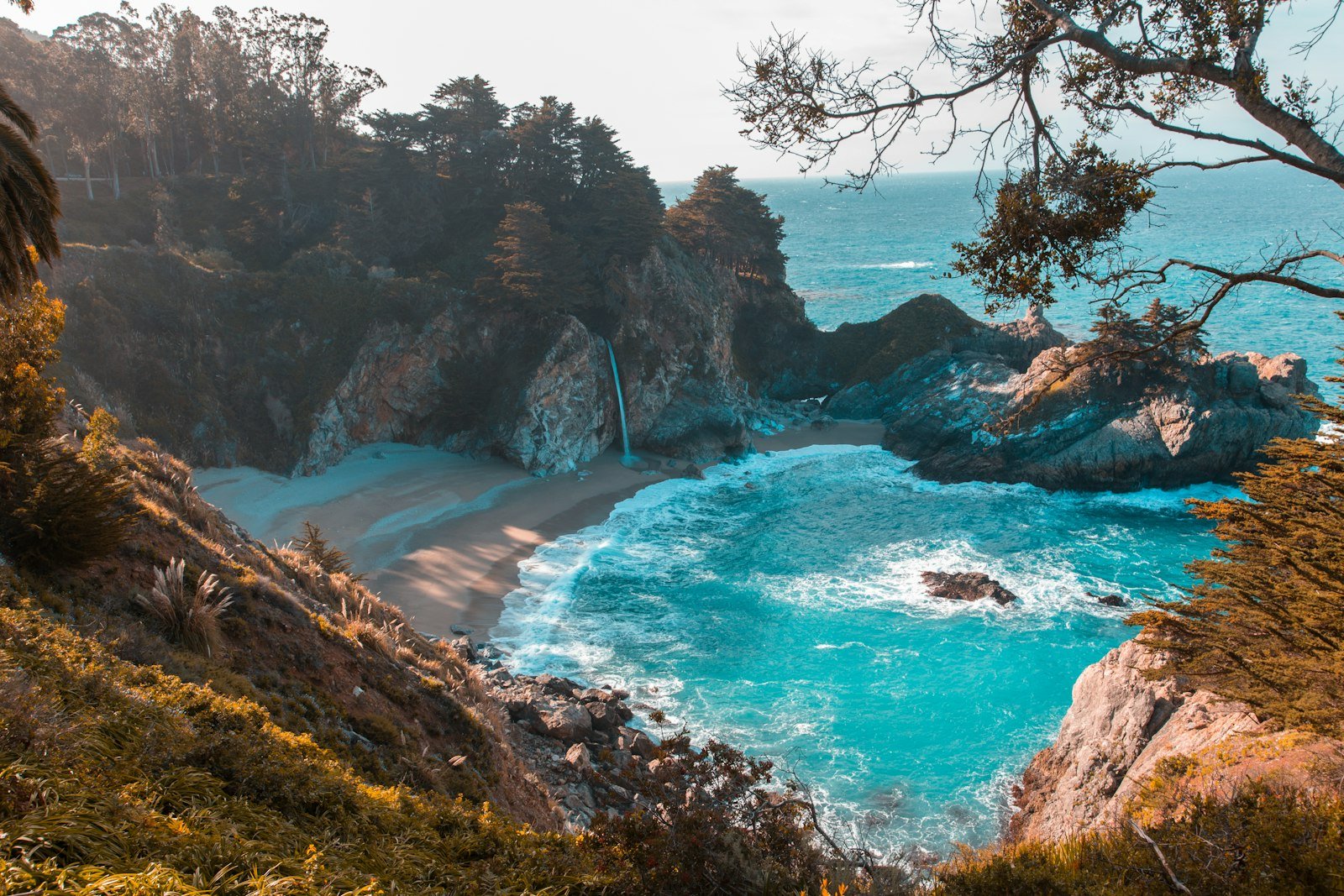
Last Updated on July 24, 2026 by Daniel Globe
California’s best-known landmarks only tell part of the story. Beyond the major theme parks, famous beaches, and crowded national-park viewpoints, you’ll find desert sculpture gardens, unusual art houses, quiet wine towns, dramatic coastal parks, and remote landscapes that reward a little extra planning. These California hidden gems range from easy roadside stops to rugged outdoor adventures.
Quick Answer
Some of California’s most memorable hidden gems include Galleta Meadows in Borrego Springs, Victoria Beach’s Pirate Tower, Venice’s Mosaic Tile House, Fern Canyon, Carrizo Plain National Monument, Crystal Cove State Park, Los Alamos wine country, and the unusual Integratron near Joshua Tree. Access, tides, weather, and reservations can affect several of these stops.
Key Takeaways
- California’s lesser-known attractions include natural landscapes, public art, historic oddities, small wine towns, and unusual architectural sites.
- Some locations that look simple on a map require reservations, low-tide timing, rugged hiking, or seasonal road checks.
- Death Valley and other desert stops are best approached cautiously during hot weather, while coastal cliffs require extra care around unstable edges and changing tides.
- Alcatraz and the Golden Gate Bridge are worthwhile nearby attractions, but they are famous anchor stops rather than true hidden gems.
- Check each destination’s official website shortly before leaving because closures, fire conditions, floods, tides, and operating schedules can change.
Disclosure: As an Amazon Associate I earn from qualifying purchases. Some links on this page are affiliate links, at no extra cost to you.
Unique Natural Wonders
Badwater Basin, Death Valley National Park
Start with Badwater Basin in Death Valley National Park. At 282 feet below sea level, it is the lowest point in North America. A short walk from the parking area leads onto an immense salt flat where geometric salt formations stretch toward the surrounding mountains.
Badwater Basin sits 282 feet below sea level, making it the lowest point in North America.
The landscape can feel otherworldly, but Death Valley demands respect. Summer temperatures can become extreme, and the National Park Service advises against hiking at low elevations when conditions are dangerously hot.
Warning: Desert heat and exposed coastal terrain can turn a casual sightseeing stop into a serious safety problem. Carry water, check weather and park alerts, avoid strenuous low-elevation hiking in Death Valley during extreme heat, and stay well back from unstable coastal cliff edges.
Galleta Meadows, Borrego Springs
In the Borrego Valley, Galleta Meadows combines desert scenery with more than 100 large metal sculptures by artist Ricardo Breceda. Prehistoric creatures, horses, elephants, and a huge segmented serpent appear to rise directly from the sand.
The sculptures are spread across privately owned parcels that have been made available for visitors to enjoy. Drive carefully, respect signs and private property, and avoid creating new tracks across fragile desert ground.
Sunset Cliffs Natural Park, San Diego
Sunset Cliffs Natural Park covers 68 acres along Point Loma and is known for sculpted coastal bluffs, arches, sea caves, and sweeping Pacific views. It is especially striking near sunset, but the cliffs are naturally eroding and can fail without warning.
Enjoy the overlooks and established walking areas rather than climbing onto exposed ledges or entering unstable sea caves. Tide pools and shoreline areas also require attention to surf and changing tides.
Victoria Beach Pirate Tower, Laguna Beach
At Victoria Beach, a castle-like structure rises from the base of the bluff. The so-called Pirate Tower was built in 1926 as an enclosed staircase connecting a home above with the beach below. The tower itself is locked, but you can view its exterior from the beach when tide and surf conditions allow.
Low tide generally gives you the safest opportunity to see the base. Do not enter restricted areas or attempt to climb the structure.
Mosaic Tile House, Venice
For a different kind of wonder, visit the Mosaic Tile House in Venice, an evolving art environment created by artists Cheri Pann and Gonzalo Duran. Ceramics, mirrors, glass, handmade tiles, and sculptural details cover the property in a dense burst of color.
This is an artist-created home rather than a conventional public park, so check current tour and reservation information before arriving instead of simply walking onto the property.
Historical and Cultural Treasures
Alcatraz Island
Alcatraz is hardly secret, but it remains one of California’s most compelling historic sites and makes a useful anchor for a San Francisco trip built around less crowded stops. The island is a National Historic Landmark with layers of military, prison, Indigenous, maritime, and civil-rights history.
The former federal penitentiary held prisoners including Al Capone, and evening programs provide a different atmosphere from daytime visits. A ferry ticket is required, and the National Park Service identifies Alcatraz City Cruises as the authorized ferry operator, so advance booking is wise.
Castello di Amorosa, Napa Valley
In Calistoga, Castello di Amorosa looks centuries old but is actually a modern winery designed as an authentically styled 14th-century Tuscan castle. Construction took about 15 years, and the property opened to the public in 2007.
Its stone halls, towers, cellars, and tasting spaces create an unusual architectural stop in Napa Valley. Check the official tasting and reservation options before visiting.
CASS Winery and Geneseo Inn, Paso Robles
CASS Winery adds an adventure element to Paso Robles wine country. Current Camp CASS experiences include horseback riding and other outdoor activities alongside more traditional wine-focused offerings.
You can extend the visit at the Geneseo Inn, a boutique vineyard property constructed in part from repurposed industrial shipping crates. The elevated rooms overlook the vines, giving the stay a very different character from a conventional wine-country hotel.
The Integratron, Landers
Near Joshua Tree, the Integratron stands out for its unusual domed design and highly resonant interior. Its best-known experience is a reservation-based sound bath using quartz crystal singing bowls, promoted primarily as an opportunity for relaxation and quiet reflection.
Operating dates change seasonally, and entry to the building generally requires a reservation. Check the official booking calendar before making the drive to Landers.
Point Reyes and the Golden Gate Bridge
The Golden Gate Bridge is an iconic California landmark rather than a hidden gem, but it pairs naturally with a trip north toward Point Reyes National Seashore. Point Reyes offers rugged coastline, wildlife habitat, historic ranching landscapes, lighthouse history, beaches, and miles of trails in a dramatically different setting from San Francisco.
Trail conditions and wildlife-related closures can change, so check National Park Service alerts before choosing a route.
Off-the-Beaten-Path Adventures
Some California hidden gems reward travelers who plan around conditions instead of simply following a sightseeing checklist.
Explore the Galleta Meadows Sculptures
Rather than treating Galleta Meadows as a single photo stop, allow time to drive between clusters of Ricardo Breceda’s sculptures. Part of the fun is seeing a metal creature appear unexpectedly against the open desert and mountains.
Walk Sunset Cliffs Carefully
At Sunset Cliffs, the most rewarding experience is often a slow walk between established viewpoints. You can see the park’s eroded bluffs, arches, and offshore scenery without scrambling onto unstable rock formations.
Time Victoria Beach for the Tide
The Pirate Tower is best treated as a tide-dependent beach stop. Check the tide and surf forecast before leaving, wear shoes with grip, and leave yourself enough time to return before the water rises.
Reserve the Integratron Before Driving Out
The Integratron sits in the high desert near Joshua Tree, so it is not a place to assume you can enter whenever you arrive. Interior visits and sound-bath sessions depend on the current operating schedule and reservations.
Pro Tip: Build a hidden-gems itinerary around geography rather than trying to combine distant attractions in one day. California is enormous: Borrego Springs, Death Valley, Napa Valley, Paso Robles, San Francisco, and the North Coast belong on separate regional trips.
More California Hidden Gems by Region
Fern Canyon, Northern California
For a striking North Coast experience, Fern Canyon in Redwood National and State Parks surrounds hikers with steep walls covered in ferns. The short canyon route follows an active creek, so wet feet, slippery rocks, stream crossings, and fallen logs are part of the experience.
Drivers heading to the Fern Canyon trailhead need a free parking reservation between May 15 and September 15. Hikers who approach on the longer James Irvine Trail do not need that parking reservation. Conditions can change after storms, so check the park site before setting out.
Carrizo Plain National Monument, Central California
Carrizo Plain National Monument offers one of California’s most open and remote landscapes. Soda Lake, grasslands, the San Andreas Fault, wildlife habitat, and seasonal wildflowers make it a strong alternative to more developed destinations.
The solitude comes with a tradeoff: the Bureau of Land Management warns that the monument has no nearby fuel, food, or water services, and dirt roads can become difficult after rain. Painted Rock also has seasonal access restrictions to protect sensitive resources.
Serene Retreats and Scenic Spots
Black Star Canyon
Black Star Canyon in Orange County can feel surprisingly remote for a location near a major metropolitan area. The surrounding open space includes everything from easier walks to demanding routes.
The seasonal waterfall commonly called Black Star Falls is reached by a rougher creek route involving uneven terrain and rock scrambling. It should not be treated as a simple four-mile stroll, and waterfall flow varies with rainfall. Check OC Parks access information and current conditions before heading out.
Crystal Cove State Park
Between Corona del Mar and Laguna Beach, Crystal Cove State Park combines 3.2 miles of coastline with tide pools, beaches, ridges, canyons, and backcountry trails around the Moro Canyon area.
It is a useful choice when you want both ocean scenery and hiking without committing to a remote wilderness trip. Stay on established trails, keep away from unstable cliff faces, and remember that dogs are restricted to paved areas rather than the beach and backcountry.
Victoria Beach and the Mosaic Tile House
Victoria Beach and Venice’s Mosaic Tile House offer two very different kinds of quiet visual escape. One combines sand, surf, and a century-old tower; the other turns an ordinary residential property into a dense work of ceramic art. Both are better when you plan ahead: check tides for Victoria Beach and current tour arrangements for the Mosaic Tile House.
Hidden Culinary Experiences
Old Sacramento
Old Sacramento is a better fit for Fanny Ann’s Saloon than for the often-confused Squeeze Inn. Fanny Ann’s has operated in Old Sacramento since 1973 and serves a menu built around burgers, sandwiches, and bar food amid an intentionally eclectic interior.
The famous Sacramento cheese-skirt burger has a different history. Squeeze Inn, now associated with the Squeeze Burger name, began in Sacramento and became known for the “Squeeze with Cheese,” in which melted cheese forms a crisp skirt around the burger. Its physical restaurant situation has changed over time, so check the current Squeeze Burger operation rather than looking for it in Old Sacramento.
Los Alamos Wine Country
For a slower Central Coast food-and-wine stop, head to Los Alamos in Santa Barbara County. The small town pairs its Old West streetscape with tasting rooms, bakeries, restaurants, and wine bars. Current options range from boutique producers to open-air wine gardens and chef-driven dining.
The Santa Ynez Valley visitor bureau maintains current listings for tasting rooms and restaurants, making it a useful place to check hours and reservations before your trip.
If you are continuing north to San Francisco, an Alcatraz visit can add a major dose of history to the same broader California trip, but plan it separately from these culinary stops because ferry schedules and reservations determine your timing.
How to Plan a California Hidden-Gems Trip
- Check official conditions shortly before departure. Wildfires, storms, floods, erosion, wildlife closures, and road work can alter access quickly.
- Use tide tables on coastal outings. Victoria Beach and other rocky shorelines can become difficult or dangerous as the tide rises.
- Book limited-capacity attractions early. Alcatraz ferries, Integratron sessions, winery experiences, and seasonal Fern Canyon parking can require advance reservations.
- Respect private land. Galleta Meadows and art-house attractions are not unrestricted public playgrounds. Follow posted access rules.
- Carry more water than you expect to need in remote areas. Death Valley and Carrizo Plain can put you far from services and reliable cell coverage.
- Match the destination to your mobility and experience. A roadside sculpture stop is very different from a slippery creek hike or a rock-scrambling waterfall route.
Note: “Hidden gem” does not always mean empty. Fern Canyon, Victoria Beach, Sunset Cliffs, and other photogenic places can still become busy. Early starts, weekdays, and shoulder seasons often provide a calmer experience without requiring you to venture into closed or unsafe areas.
Conclusion
California’s hidden gems are most rewarding when you look beyond a simple list of photogenic stops. Wander among desert sculptures at Galleta Meadows, walk through the fern-covered walls of Fern Canyon, explore the open landscape of Carrizo Plain, discover art in Venice, or slow down over wine and food in Los Alamos. The state’s variety is enormous, but so are the distances between destinations. Choose one region at a time, check current conditions, respect protected landscapes and private property, and leave room for the unexpected discoveries that make an off-the-beaten-path trip memorable.
Sources
- National Park Service — Badwater Basin — verifies elevation, landscape, and Death Valley context.
- City of San Diego — Sunset Cliffs Natural Park — verifies park size, coastal features, and official park information.
- Borrego Springs Chamber of Commerce — Galleta Meadows — verifies the sculpture collection and Ricardo Breceda attribution.
- National Park Service — Alcatraz Island — verifies National Historic Landmark status and historical context.
- National Park Service — Fern Canyon — supports trail conditions and seasonal parking-reservation guidance.
- Bureau of Land Management — Carrizo Plain National Monument — supports access, remoteness, road, and seasonal-use information.
