
Last Updated on July 27, 2026 by Daniel Globe
A desert safari is one of the best ways to see a different side of Dubai, trading the city skyline for open dunes, desert wildlife, sunset views, and activities ranging from gentle camel rides to high-adrenaline dune driving. The experience varies widely by package, so choosing the right operator and activity level matters as much as deciding when to go.
Quick Answer
A Dubai desert safari can include dune bashing, camel rides, sandboarding, wildlife viewing, dinner, and camp entertainment, depending on the package. For the most comfortable weather, consider the cooler months. Before booking, verify the operator, activity restrictions, transportation, insurance coverage, and exactly which experiences are included.
Key Takeaways
- Choose a safari that matches your comfort level, from wildlife-focused drives and camel rides to high-adrenaline dune bashing.
- November through March generally offers more comfortable conditions, but summer safaris are available with early-morning or later-day scheduling.
- Drink water regularly, protect yourself from direct sun, and reduce activity if you become dizzy, weak, nauseated, or unusually tired.
- Confirm child, pregnancy, medical, and accessibility restrictions before paying because policies vary by operator and activity.
- Verify the tourism business and make sure commercial dune driving is handled by an appropriately permitted safari driver.
Disclosure: As an Amazon Associate I earn from qualifying purchases. Some links on this page are affiliate links, at no extra cost to you.
What to Expect on Your Desert Safari
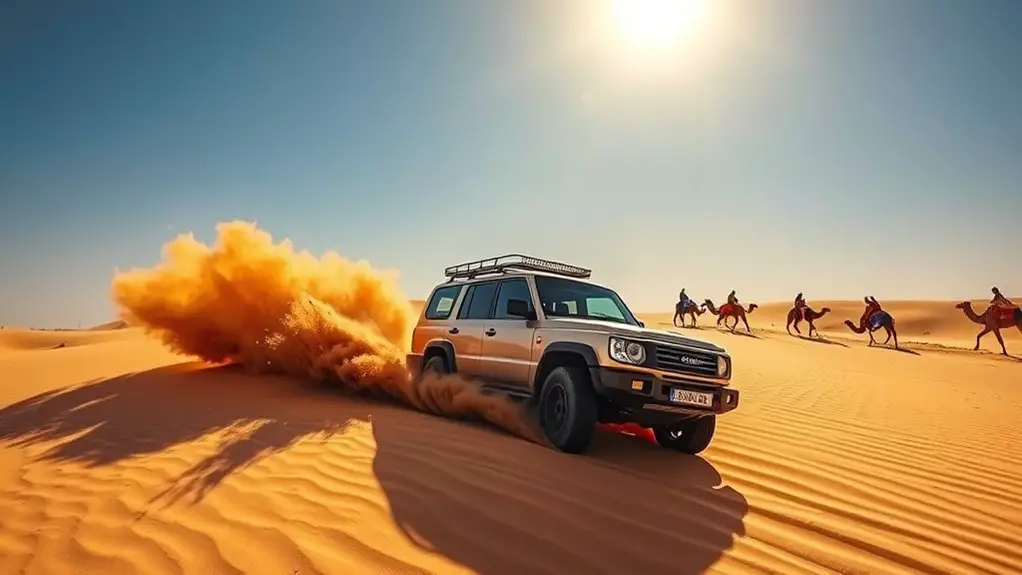
A Dubai desert safari can be either a relaxed sightseeing trip or an active adventure. Many packages begin with pickup in Dubai and a drive to a desert area, followed by one or more activities such as dune driving, sandboarding, a short camel ride, wildlife viewing, or a camp visit.
Dune bashing is one of the best-known options. A safari driver takes passengers across sand dunes in a 4×4, with steep climbs, drops, and turns. Dubai’s Roads and Transport Authority has a specific Safari Driving Permit system for eligible drivers working in tourist safari transport.
Warning: Dune driving can involve strong jolts, sharp turns, and rapid changes in direction. Many safari experiences do not allow pregnant guests or people with heart conditions or significant neck or back problems to take part. Do not assume that simply telling the operator makes dune bashing suitable; ask about a non-dune-drive or customized alternative before booking.
Sunset safaris often pause for photos before continuing to a desert camp. Depending on your package, the camp may offer dinner, Arabic coffee and dates, henna, falcon-related experiences, or entertainment. These features are not universal, so check the itinerary rather than assuming they are included.
Types of Desert Safari Experiences
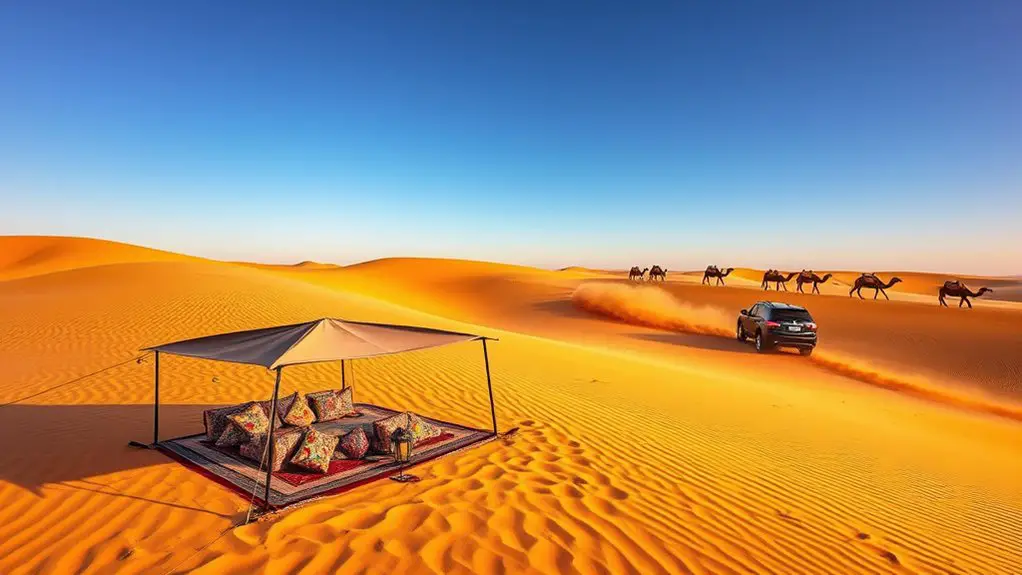
Dubai offers several safari styles, and the right choice depends on your schedule, budget, mobility, and tolerance for off-road driving.
- Evening safaris: Usually combine a desert drive or sightseeing with sunset stops and a camp visit. Dinner and entertainment may be included.
- Morning safaris: Often focus more heavily on outdoor activities such as dune driving, sandboarding, camel rides, or nature experiences and avoid the late-day schedule.
- Private safaris: Give your group its own vehicle and usually provide more flexibility with pacing, stops, and special requirements.
- Luxury or heritage safaris: May emphasize premium dining, private service, wildlife, traditional experiences, or slower-paced desert exploration instead of aggressive dune driving.
- Eco- and wildlife-focused safaris: Place greater emphasis on conservation, native wildlife, and responsible travel in protected desert environments.
Shared tours usually cost less but offer less control over seating, stops, and driving intensity. A private vehicle can be a better choice for families, travelers who dislike rough rides, or anyone needing special arrangements. Official Visit Dubai listings show that safari lengths vary, with some morning experiences taking around four hours while other heritage trips may take roughly five hours or longer once transfers are included.
How to Choose a Reputable Tour Operator
Do not choose a safari solely because it has the lowest advertised price. Before paying, confirm the operator’s business details and read recent reviews that specifically discuss driver behavior, vehicle condition, pickup reliability, and how the company handled problems.
You can check Dubai business information through the official Invest in Dubai license search. For commercial safari driving, Dubai’s RTA also operates a dedicated Safari Driving Permit system.
Note: A normal light-vehicle driving license is not the same as authorization to provide commercial tourist safari driving. RTA states that tourist transport safari drivers must work under the appropriate tourism company and obtain the relevant Safari Driving Permit.
Before booking, ask the operator to confirm:
- The exact pickup and drop-off location and approximate time window
- Whether transportation is shared or private
- Whether dune bashing is included and how long it lasts
- Age, child-seat, pregnancy, medical, and mobility restrictions
- Whether dinner, drinks, camel rides, sandboarding, or entertainment are included
- Whether quad bikes, buggies, photos, or other activities cost extra
- The cancellation and bad-weather policy
- Whether passenger and activity insurance applies to the activities you plan to do
Travel guidance for the UAE recommends choosing reputable companies for desert driving and quad biking and checking that your travel insurance covers the planned activity. Your ordinary travel policy may not automatically cover every motorized adventure activity.
Hotel transfers are common but not guaranteed for every property or booking category. Confirm the meeting point in writing. If you are also reviewing accommodation charges during your trip, this hotel fee guide explains common extra hotel charges. For broader transportation planning before your Dubai trip, see this guide to travelling by boat or air.
Essential Tips for a Memorable Adventure
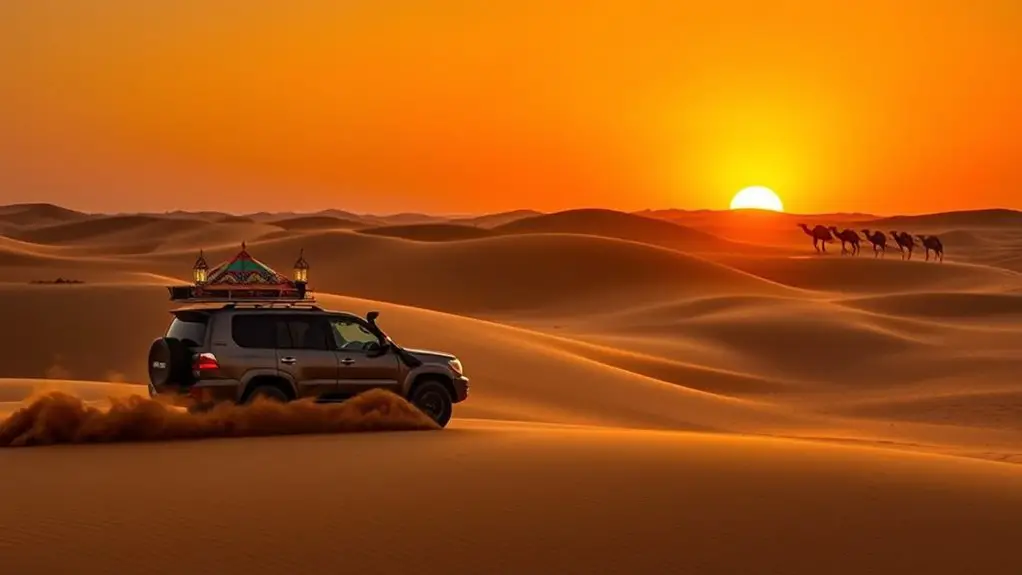
The desert can be hot, sunny, windy, and dusty, and conditions can change quickly. Dress for the weather, carry water, protect your skin and eyes, and avoid scheduling more strenuous activities than you are comfortable doing.
Dress Appropriately for the Weather
Choose loose, lightweight, breathable clothing that allows you to move comfortably. Light-colored clothing can also be useful under strong sun. During cooler winter evenings, carry a light jacket, sweater, or shawl because the temperature can feel noticeably cooler after sunset.
Pro Tip: Match your footwear to the activity. Secure sports shoes are a good choice for sandboarding, buggy experiences, and active walking. Sandals can be comfortable for a relaxed camp visit, but loose footwear offers less protection and stability during active excursions.
Stay Hydrated During Activities
There is no single amount of water that is correct for every safari guest. Heat, activity level, body size, excursion length, and medical conditions all affect fluid needs. Carry water, drink regularly, and do not wait until you feel very thirsty before taking a drink.
The CDC’s heat-safety guidance recommends staying hydrated, taking breaks, seeking shade when possible, and reducing outdoor activity during the hottest part of the day.
Watch for possible heat-related symptoms such as dizziness, headache, nausea, unusual weakness, muscle cramps, or heavy sweating. Stop strenuous activity and move somewhere cooler if you begin to feel unwell. Travelers whose doctors restrict fluids should follow their medical guidance rather than increasing water intake automatically.
What to Pack
- Sunscreen and sunglasses with good UV protection
- A brimmed hat or scarf for sun, wind, and blowing sand
- A refillable water bottle
- A light jacket, sweater, or shawl for cooler evenings
- Secure footwear suited to your booked activities
- A protective camera or phone case to keep fine sand away from equipment
- Any essential personal medication you normally carry
- A charged phone and portable battery for longer excursions
Children, Pregnancy, and Accessibility
There is no single minimum age that applies to every Dubai desert safari. Rules depend on the operator, vehicle, route, and activity. Some official Visit Dubai safari listings prohibit children under two from off-road dune drives, require special arrangements for children aged two to four, and require appropriate child seating for older young children. Other products have different restrictions.
Parents should therefore confirm the exact age limit, child-restraint requirement, camel-ride rule, and whether a private vehicle is required before booking.
Accessibility also varies. Some dune-drive experiences are not wheelchair accessible, while certain operators may be able to customize private trips for guests with reduced mobility. Contact the provider before paying rather than assuming every part of the advertised itinerary will be accessible.
Thrilling Activities to Try in the Desert
Beyond a 4×4 safari, Dubai’s desert offers several activities. The important point is to distinguish between what is included in your package and what is sold separately.
- Sandboarding: Ride a board down a dune. Secure footwear can make climbing and controlling the board easier.
- ATV or quad biking: Ride a motorized quad on an approved route or designated riding area. Age rules, safety equipment, and insurance conditions vary.
- Dune buggies: Usually sold as a separate driving experience rather than a standard safari inclusion. Driver-age and license rules depend on the operator and vehicle.
- Hot-air ballooning: A separate early-morning desert experience that provides aerial views rather than being a normal camp activity.
- Camel rides: Many camps offer short rides, while longer camel-focused experiences are available as dedicated tours.
Note: Quad bikes and buggies are frequently optional add-ons. Before paying on-site, confirm the price, age requirement, helmet or safety-equipment rules, route, liability terms, and whether your travel insurance covers the activity.
Cultural Insights and Local Traditions
Many camp-based safaris introduce visitors to elements associated with Emirati and regional desert hospitality. Depending on the package, you may encounter Arabic coffee and dates, henna, falconry displays, traditional food, or live entertainment.
These activities differ between commercial camps, heritage experiences, and conservation-focused tours. Treat them as package features rather than assuming every safari represents traditional Bedouin life in the same way.
Be respectful when photographing guides, performers, or other guests and ask permission before taking close-up pictures of people.
Desert Wildlife and Responsible Travel
Dubai’s desert is not empty. Protected areas support native wildlife including Arabian oryx, gazelles, foxes, reptiles, and many bird species. Dubai Municipality describes the Dubai Desert Conservation Reserve as one of the emirate’s major protected desert environments.
Dubai Municipality reports 562 known wildlife species within the Dubai Desert Conservation Reserve.
On wildlife-focused trips, keep your distance from animals, follow the guide’s instructions, do not leave litter behind, and avoid disturbing vegetation or wildlife for photographs.
Best Time to Go for a Desert Safari
November through March is generally the most comfortable period for travelers who want to spend more time outdoors. Daytime conditions are milder than in summer, while evenings can become cool enough to justify carrying an extra layer.
Dubai desert safaris still operate during summer, so June through August is not automatically off-limits. The main concern is heat. Official UAE National Center of Meteorology forecasts regularly show summer Dubai temperatures around or above 40°C, and early July 2026 forecasts reached 41°C to 43°C.
If you visit during hotter months, choose an early-morning or later-day itinerary, limit strenuous activity during peak heat, and confirm whether the operator adjusts pickup times or activities when conditions are extreme. Visit Dubai also publishes specific guidance on summer desert safaris.
Wind and blowing sand can also affect visibility and outdoor activities. Operators may alter a route, delay an activity, or change the schedule when conditions require it, so check the cancellation and weather policy before booking.
Frequently Asked Questions
What should I wear for a desert safari in Dubai?
Wear loose, lightweight, breathable clothing and bring sun protection. Carry a light layer for cooler evenings. Sports shoes are useful for sandboarding and active excursions, while comfortable sandals may be suitable for less active camp visits.
Are there age restrictions for Dubai desert safaris?
Yes. Minimum ages and child-seat requirements vary by operator and activity. Some dune-drive experiences restrict very young children or require a private vehicle and special seating. Confirm the exact policy for dune driving, camel rides, quad bikes, and other activities before booking.
Is transportation included in desert safari packages?
Many packages include pickup and drop-off within specified parts of Dubai, but coverage is not universal. Confirm your exact hotel or meeting point, pickup window, and whether the transfer is shared or private before paying.
How long does a Dubai desert safari take?
It depends on the itinerary. Some morning safaris take around four hours, while evening, heritage, or longer experiences may take five hours or more once transfers are included. Traffic and pickup location can also affect the total time.
Can pregnant travelers go dune bashing?
Many operators do not permit pregnant guests to participate in dune driving because of the jolts and rapid movement. Similar restrictions may apply to people with significant heart, neck, or back conditions. Ask for a gentler sightseeing or customized option instead.
Can I bring my camera on the safari?
Yes. Protect cameras and lenses from fine sand by keeping them in a closed bag when they are not in use. Avoid changing lenses in blowing sand when possible, and ask permission before photographing people at close range.
Are vegetarian meal options available during a desert safari?
Many camp dinners offer vegetarian dishes, but menus vary. Tell the operator about vegetarian, vegan, allergy, religious, or other dietary requirements before booking and ask for confirmation that suitable food will be available.
Disclaimer: This article is for general informational purposes only. Desert activities involve inherent risks and individual operators set their own health, age, accessibility, vehicle, and safety requirements. Check the current rules with your tour provider and confirm suitable travel insurance before participating.
A Dubai desert safari can combine adventure, scenery, wildlife, and cultural experiences in a single trip, but packages differ significantly. Choose the experience that matches your comfort level, verify the operator and activities before paying, prepare for the weather, and never feel pressured to join dune driving or another activity that is unsuitable for you.
Sources
- Dubai Roads and Transport Authority — Safari Driving Permit — safari-driver permit, eligibility, training, and commercial tourist-driving requirements
- Invest in Dubai — License Information Search — official Dubai business-license verification
- Visit Dubai — Desert Activities — official overview of desert activities and experiences
- U.S. Centers for Disease Control and Prevention — Heat and Your Health — hydration, heat exposure, symptoms, and prevention guidance
- UK Foreign, Commonwealth & Development Office — UAE Safety and Security — desert excursion, quad-bike, reputable-operator, and insurance guidance
- Dubai Municipality — Dubai Protected Areas and Wildlife — Dubai Desert Conservation Reserve and native wildlife information
