
Last Updated on September 11, 2026 by Daniel Globe
Disclosure: This roundup is reader-supported. When you click through Amazon links, we may earn a referral commission on qualifying purchases at no extra cost to you.
Choosing an everyday pocket knife means balancing blade size, steel, opening method, grip, lock design, and carry comfort. The CIVIVI Yonder, Vosteed Porcupine, and Kershaw Leek all use 14C28N steel, but they feel very different in daily use. The Yonder is the lightest and most compact, the Porcupine gives you a fuller grip and Top Liner Lock, and the Leek focuses on a slim stainless-steel build with assisted opening. This review helps you decide which trade-offs fit your routine while also pointing out travel and heavy-use limits.
Quick Verdict
Rating: Recommended with caveats
Best For: Buyers comparing compact EDC folders with different lock and opening styles
Bottom Line: The CIVIVI Yonder is the easiest all-around pick if you want low weight, ambidextrous carry, and a manual crossbar-lock design. Choose the Porcupine for a broader grip and Top Liner Lock, or the Leek if assisted opening and a slim stainless-steel profile matter more.
Top Picks
|
Category |
Product |
Editorial Score |
|---|---|---|
|
🏆 Best Value |
88/100 |
|
|
🎯 Best For Camping |
84/100 |
|
|
🚀 Best One-Hand Opening |
92/100 |
Who Should Buy Which Knife?
Best For
- CIVIVI Yonder: low-weight EDC, left- or right-side tip-up carry, and a compact 2.88-inch manual blade.
- Vosteed Porcupine: buyers who want a wider Micarta grip, a 2.99-inch drop-point blade, and a Top Liner Lock.
- Kershaw Leek: buyers who prefer assisted flipper opening, a slim steel handle, and a 3-inch blade.
Skip If
- You need a folding knife for prying, chopping, or batoning. These are compact EDC folders, not heavy fixed-blade tools.
- You want a knife for airline carry-on baggage. Pocket knives are not permitted in carry-on bags under current TSA guidance.
- You require left-side clip mounting on the Kershaw Leek BlackWash, whose official clip setup is right-side tip-up or tip-down.
Selection Criteria
We compared the three knives using current manufacturer specifications and the linked Amazon listings, with emphasis on blade steel, blade length, lock design, opening method, handle material, weight, and pocket-clip configuration. These details matter because a few tenths of an inch, an ounce of weight, or a different lock can noticeably change pocket feel and one-handed operation.
We also considered buyer-facing limits. A compact folder can be excellent for packages, cord, food prep, and light campsite jobs, but none of these models should be treated as a pry bar or chopping tool. Travel rules matter too, so portability is discussed separately from legal permission to carry.
CIVIVI Yonder

The CIVIVI Yonder C23073B-1 is the most compact and lightest knife here. Its 2.88-inch 14C28N spey-point blade sits in a 6.62-inch overall package, while the knife weighs 2.53 ounces. The dark green canvas Micarta handle, crossbar lock, thumb stud, ceramic-bearing pivot, and reversible left/right tip-up clip make it especially flexible for everyday pocket carry.
The 0.09-inch flat-ground blade favors slicing and utility work rather than high-force tasks. The manual thumb-stud action also feels different from an assisted opener.
What People Say
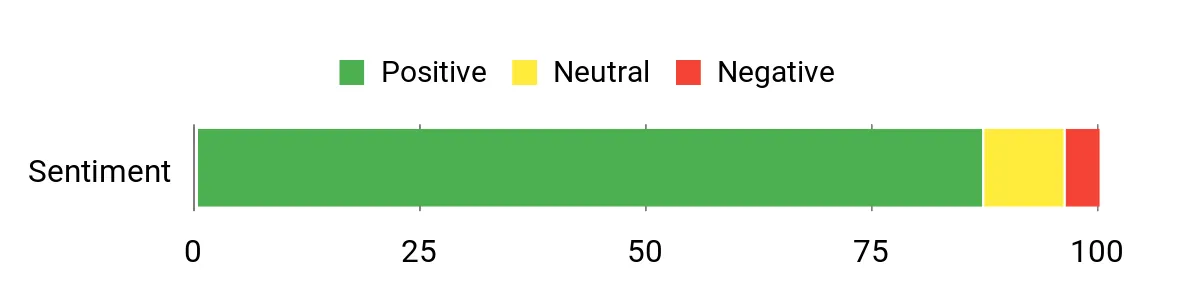
The current linked Amazon listing shows a 4.6 out of 5 rating from 656 customer ratings. Buyer feedback on the listing and major retailers generally focuses on the Yonder’s compact size, light pocket feel, sharp 14C28N blade, and secure crossbar action, while some buyers find the small handle or manual opening less ideal for larger hands.
Overall Sentiment: Positive
|
Pros |
Cons |
|---|---|
|
✅ 2.88-inch 14C28N blade is compact and easy to maintain |
❌ Sub-3-inch blade and compact handle may feel small for larger jobs or hands |
|
✅ Light 2.53-ounce weight disappears easily in a pocket |
❌ Manual thumb-stud opening is not as quick as the Leek’s assisted system |
|
✅ Canvas Micarta provides more texture than a bare steel handle |
❌ Not designed for prying, chopping, or batoning |
|
✅ Crossbar lock supports ambidextrous operation |
|
|
✅ Reversible left/right tip-up clip adds carry flexibility |
Versatility
The Yonder works best for routine EDC jobs such as opening boxes, cutting tape, trimming cord, and light food or campsite prep. The 57-59 HRC 14C28N steel is designed to balance corrosion resistance, edge holding, and straightforward sharpening, which is useful if you maintain your own everyday blades.
Travel Friendliness
At 3.74 inches closed and 2.53 ounces, the Yonder is easy to pack or pocket where lawful. Compact dimensions do not override transport rules, so treat physical portability and legal permission as separate issues.
Key Benefits
- 2.88-inch 14C28N spey-point blade with flat grind
- 2.53-ounce weight and 3.74-inch closed length
- Dark green canvas Micarta handle
- Crossbar lock with thumb-stud opening
- Reversible left/right tip-up pocket clip
Rating: 4.6/5 (total: 656 ratings)
Vosteed Porcupine

The Vosteed Porcupine A2605 uses a 2.99-inch 14C28N drop-point blade, blue Micarta handle, large thumb hole, and Top Liner Lock. It is 7.20 inches overall and weighs 3.19 ounces, so it gives you a little more hand-filling size than the Yonder while staying within compact EDC dimensions.
The 1.22-inch-wide, 0.472-inch-thick handle is intended to give medium-to-large hands more contact. Its clip is reversible and tip-up, and the recessed control operates a Top Liner Lock, not a conventional button lock.
What People Say
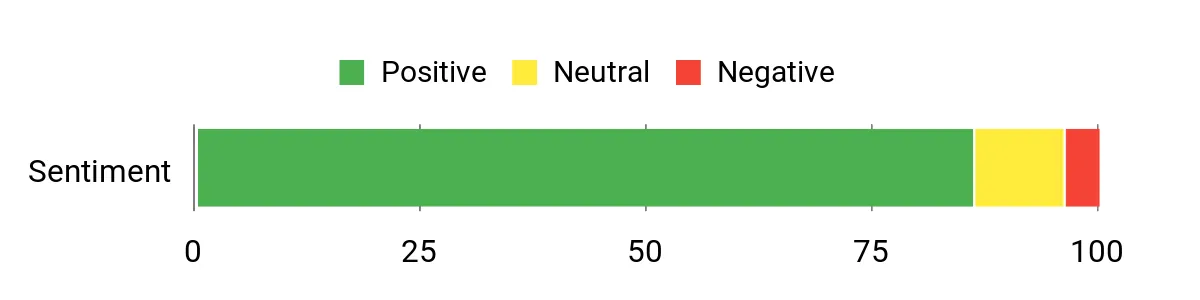
The current linked Amazon listing shows 4.6 out of 5 stars from 469 customer ratings. Reviews commonly favor the broad grip, large thumb hole, sharp blade, and smooth action, while the added width and roughly 3.2-ounce weight can feel less minimal than the Yonder.
Overall Sentiment: Positive
|
Pros |
Cons |
|---|---|
|
✅ 2.99-inch 14C28N drop-point blade gives useful slicing belly and a precise tip |
❌ Wider 1.22-inch handle takes more pocket space than slimmer folders |
|
✅ Large thumb hole supports dependable one-handed manual opening |
❌ At 3.19 ounces, it is heavier than the 2.53-ounce Yonder |
|
✅ Blue Micarta handle provides a textured, fuller grip |
❌ Not intended for prying, chopping, or baton work |
|
✅ Top Liner Lock keeps the closing action away from the blade path |
|
|
✅ Reversible tip-up clip and ceramic-bearing pivot suit daily carry |
Versatility
The Porcupine is well suited to rope, cardboard, food prep, campsite chores, and other utility cutting where a fuller grip helps. Its drop-point blade and broad belly give it a different feel from the Yonder’s smaller spey-point profile.
Travel Friendliness
The Porcupine remains compact enough for daily carry, but its larger handle and 3.19-ounce weight are noticeable beside the Yonder. As with the other two knives, check local carry law and transport rules before packing it for a trip.
Key Benefits
- 2.99-inch 14C28N drop-point blade
- Blue Micarta handle sized for a fuller grip
- Large thumb hole for manual one-handed opening
- Top Liner Lock with recessed button access
- Reversible tip-up stainless-steel pocket clip
Rating: 4.6/5 (total: 469 ratings)
Kershaw Leek

The Kershaw Leek BlackWash 1660BLKW takes a different approach. It uses a 3-inch 14C28N drop-point blade, 410 stainless-steel handle, frame lock, and SpeedSafe assisted flipper opening. The knife is 7 inches overall, 4 inches closed, and weighs 3 ounces.
Its 0.31-inch-thick steel handle is slim but less textured than Micarta when wet. Kershaw lists the clip on the right side with tip-up or tip-down positioning, so it lacks the Yonder’s left/right clip flexibility.
What People Say
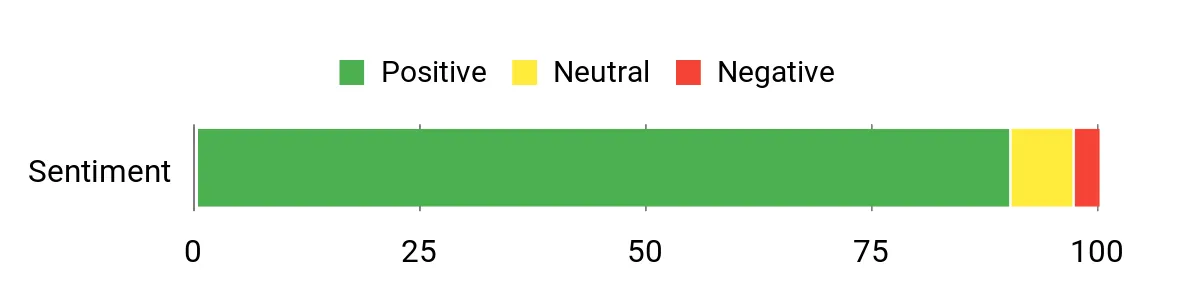
The current linked Amazon listing shows a 4.8 out of 5 rating from 7,020 customer ratings. The Leek’s long-running appeal centers on its slim profile, fast assisted action, sharp 14C28N blade, and made-in-USA construction, while some buyers may prefer a grippier handle or a fully manual opening system.
Overall Sentiment: Positive
|
Pros |
Cons |
|---|---|
|
✅ SpeedSafe assisted flipper gives fast one-handed deployment |
❌ Assisted opening may be restricted in some jurisdictions |
|
✅ Slim 410 stainless-steel handle keeps the profile compact |
❌ Bare steel handle offers less texture than Micarta when wet |
|
✅ 3-inch 14C28N blade balances edge holding and easy resharpening |
❌ Official clip setup is right-side only, though it supports tip-up or tip-down carry |
|
✅ Frame lock and Tip-Lock add blade-control features |
|
|
✅ BlackWash finish helps mask everyday scratches |
Versatility
The Leek is strongest as an urban EDC slicer for packages, food, detail work, and other light utility tasks. Its thin 0.09-inch blade and narrow tip are better suited to controlled cutting than twisting, prying, or impact-heavy work.
Travel Friendliness
The 4-inch closed length and slim handle make the Leek easy to carry where lawful. The assisted opening system deserves extra legal attention because knife rules can distinguish between manual, assisted, and automatic mechanisms depending on location.
Key Benefits
- 3-inch 14C28N drop-point blade
- SpeedSafe assisted flipper opening
- 410 stainless-steel frame-lock handle
- BlackWash blade and handle finish
- Right-side clip configurable for tip-up or tip-down carry
Rating: 4.8/5 (total: 7,020 ratings)
How They Perform in Real Use
For Packages and Cardboard
All three use 14C28N blades around 3 inches and handle tape, boxes, and ordinary shipping materials. The Yonder is lightest, the Porcupine has the fullest grip, and the Leek offers assisted access.
For Food and Light Campsite Prep
The Porcupine’s drop-point blade has a broad belly that suits slicing, while its wider Micarta handle gives more hand contact. The Yonder remains a good light-camp option when low weight matters. The Leek can handle light food prep, but its slim steel handle is less secure than Micarta when wet.
For Rope, Cord, and Utility Cutting
The Porcupine’s large thumb hole and fuller handle help during repeated cuts. The Yonder saves pocket weight. The Leek favors quick precision work, but its thin tip should not be twisted or used as a pry tool.
For Long-Term Everyday Carry
The Yonder combines the lowest weight with left/right tip-up clip options. The Porcupine is bulkier but uses all T8 screws, while the Leek has stainless-steel construction and a Kershaw limited lifetime warranty.
Before You Buy: These are compact folding knives for cutting tasks, not substitutes for a pry bar, hatchet, or fixed blade. Also check local knife law before carrying, especially for assisted-opening designs such as the Kershaw Leek.
Common Mistakes to Avoid
- Do not pry, strike, or turn screws with the blade. Side loads can damage a thin folding blade, pivot, or lock.
- Keep grit out of the pivot and lock area, and confirm full lock engagement before cutting.
- Use only the clip positions the manufacturer supports. “Reversible” does not always mean left- and right-side mounting.
Pro Tip: Pick the lock and carry style before you focus on tiny spec differences. If you switch hands often, the Yonder’s left/right tip-up clip is more flexible. If you prioritize a fuller grip, the Porcupine stands out. If you want assisted opening, the Leek is the clear choice.
Carry, Handling, and Travel Safety
For U.S. air travel, TSA currently lists pocket knives as prohibited in carry-on bags and allowed in checked bags. Sharp objects in checked baggage should be securely wrapped or sheathed.
Local carry law can be stricter. Blade length, locking mechanisms, concealed carry, and assisted-opening systems may be treated differently by location, so check rules at both your departure and destination.
Is It Worth the Price?
The Yonder and Porcupine sit in the value-focused EDC space. The Leek’s made-in-USA construction and assisted mechanism may justify paying more if those traits matter to you. Amazon pricing changes, so compare current listings instead of relying on an old article price.
The Yonder is strongest on low weight and ambidextrous carry, the Porcupine on grip and Top Liner Lock, and the Leek on slim steel construction and assisted opening.
Frequently Asked Questions
Is the CIVIVI Yonder good for everyday carry?
Yes, especially if you want a compact manual folder. It weighs 2.53 ounces, closes to 3.74 inches, and supports left- or right-side tip-up clip mounting.
What is the main difference between the Yonder and Porcupine?
The Yonder is smaller and lighter, with a crossbar lock and thumb stud. The Porcupine has a wider blue Micarta handle, a 2.99-inch drop-point blade, a large thumb hole, and a Top Liner Lock.
Is the Kershaw Leek fully automatic?
No. Kershaw classifies the BlackWash Leek as an assisted-opening folder. You initiate opening with the flipper, and the SpeedSafe mechanism assists the blade through the rest of the opening cycle.
Do all three knives use the same blade steel?
Yes. The reviewed variants all use 14C28N stainless steel. Heat treatment, blade shape, grind, thickness, and overall geometry still affect how each knife cuts and feels.
Which one is best for left-handed carry?
The Yonder is the clearest choice because CIVIVI specifies a left/right tip-up clip. The Porcupine also has a reversible clip. Kershaw specifies the BlackWash Leek’s clip as reversible on the right side for tip-up or tip-down positioning.
Can I take these knives in airline carry-on baggage?
Not under current TSA rules for U.S. screening. Pocket knives are listed as prohibited in carry-on bags and allowed in checked bags, where sharp objects should be securely wrapped or sheathed.
Which knife should I skip for heavy-duty work?
Skip all three if your main jobs involve prying, batoning, chopping, or other high-impact work. They are compact folding knives designed around everyday cutting rather than fixed-blade abuse.
What Customers Prefer
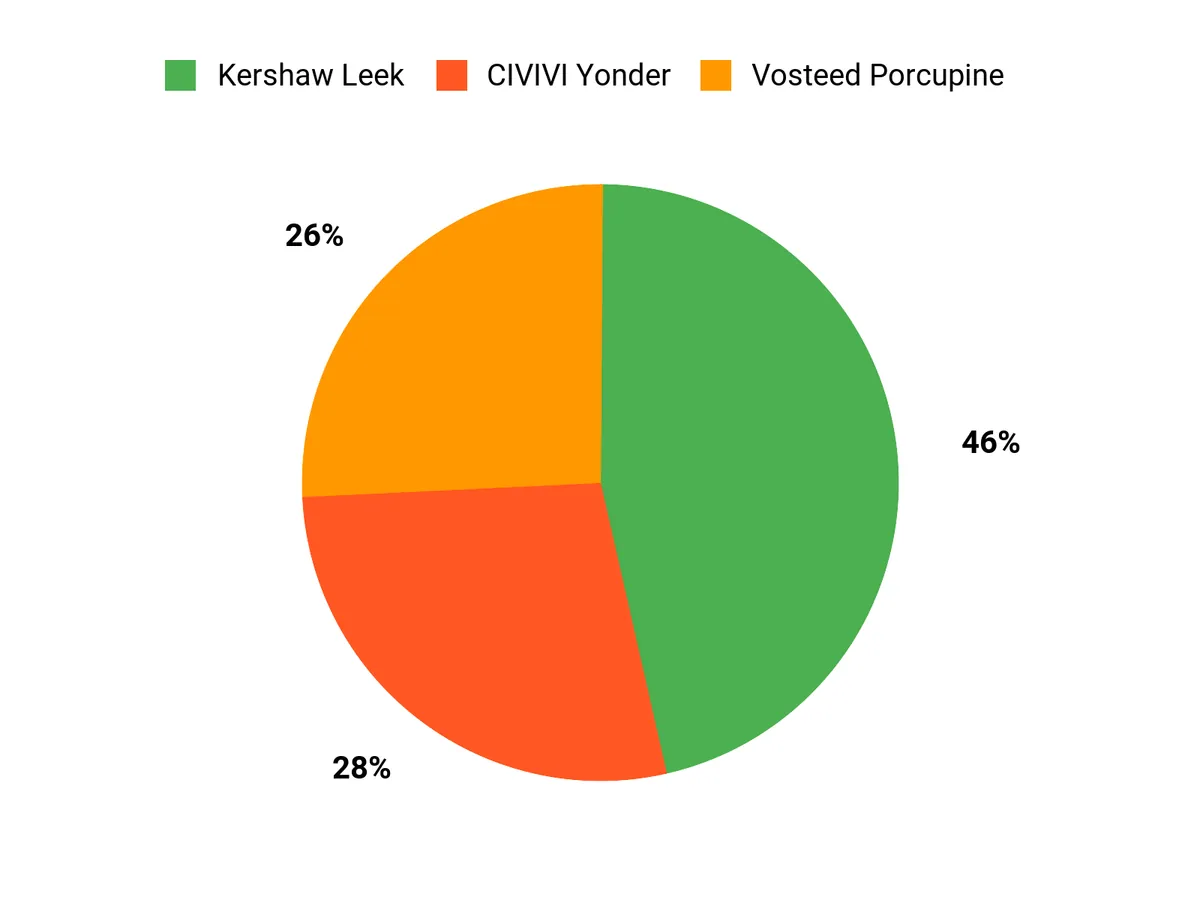
The Yonder makes the most sense when you prioritize low weight, ambidextrous clip options, and a compact crossbar-lock format. The Porcupine favors a fuller Micarta grip and Top Liner Lock, while the Leek stands apart with SpeedSafe assisted opening, a slim steel handle, and the highest current Amazon rating among these three linked variants.
Detailed Comparison
| CIVIVI Yonder Folding Pocket Knife | Vosteed Porcupine EDC Pocket Knife | Kershaw Leek, BlackWash Pocket Knife | |
|---|---|---|---|
|
|
|
|
|
| Model | C23073B-1 | A2605 | 1660BLKW |
| Rating | 4.6/5 (656 ratings) | 4.6/5 (469 ratings) | 4.8/5 (7,020 ratings) |
| Blade Material | 14C28N | 14C28N | 14C28N |
| Blade Length | 2.88 inches | 2.99 inches | 3 inches |
| Blade Style | Spey point | Drop point | Drop point |
| Blade Thickness | 0.09 inch | 0.118 inch | 0.09 inch |
| Handle Material | Canvas Micarta | Micarta | 410 stainless steel |
| Lock | Crossbar lock | Top Liner Lock | Frame lock with Tip-Lock |
| Opening | Thumb stud, manual | Thumb hole, manual | Flipper, SpeedSafe assisted |
| Overall Length | 6.62 inches | 7.20 inches | 7 inches |
| Closed Length | 3.74 inches | 4.16-inch handle length | 4 inches |
| Weight | 2.53 ounces | 3.19 ounces | 3.0 ounces |
| Pocket Clip | Tip-up, left/right | Reversible, tip-up | Right-side, tip-up/tip-down |
| Check Price → | Check Price → | Check Price → |
The Bottom Line
Choose the CIVIVI Yonder if you want the lightest, most ambidextrous all-around option; choose the Vosteed Porcupine if a fuller grip and Top Liner Lock matter more; choose the Kershaw Leek if you value a slim steel build and assisted opening. Skip all three for heavy prying or chopping, and check local carry law before buying if assisted-opening or locking folders are restricted where you live.
Ready to Compare?
Check the latest CIVIVI Yonder price and product details before you decide.
