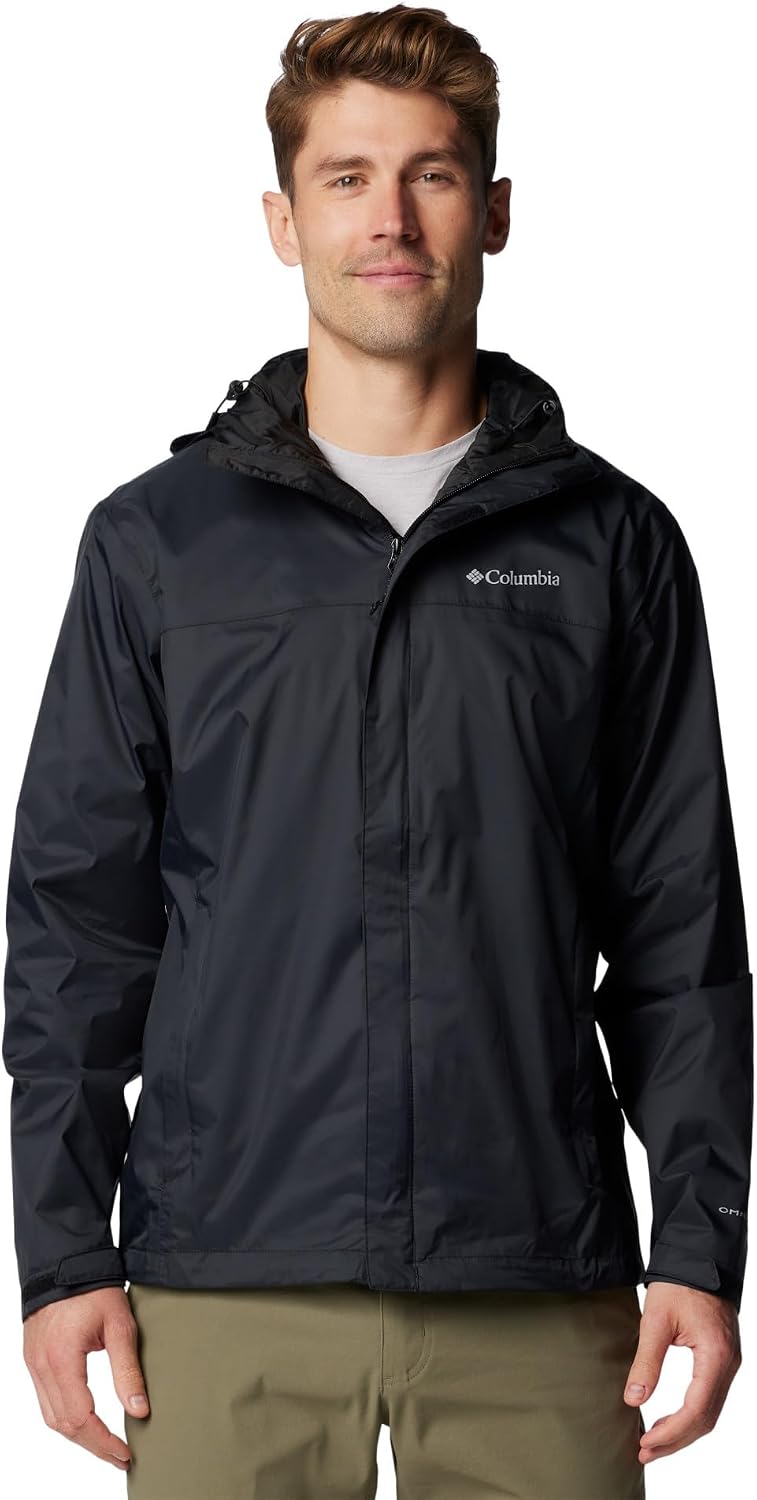

Last Updated on November 4, 2026 by Caleb Warren
If you’re looking for a winter motorcycle jacket with a removable hood, the BORLENI Winter Motorcycle Jacket, IRON JIA’S 3-in-1 Motorcycle Jacket, and RIDEIRON Winter Motorcycle Riding Jacket are three options worth comparing. Each offers a detachable hood, an adaptable liner, and protective armor for cold-weather riding. Important: A removable hood is not the same as a helmet-compatible hood. None of these products has been verified to fit over a motorcycle helmet. This guide explains their main features, limitations, and what to check before buying.
Quick Answer: Which Winter Motorcycle Jacket Should You Choose?
Best for Everyday Winter Riding: The BORLENI Winter Motorcycle Jacket offers a removable thermal liner, detachable hood, and advertised CE Level 2 shoulder and elbow armor.
Best for Flexible Layering: The IRON JIA’S 3-in-1 Motorcycle Jacket has a detachable insulating liner that can also be worn separately when you’re off the bike.
Best for Adjustable Riding Comfort: The RIDEIRON Winter Motorcycle Riding Jacket combines a removable thermal liner with ventilation features and an adjustable riding fit.
Helmet Fit Note: These are hooded riding jackets, not verified over-helmet hood systems. Check the manufacturer’s instructions before using the hood while riding.
Disclosure: As an Amazon Associate I earn from qualifying purchases. Some links on this page are affiliate links, at no extra cost to you.
How these jackets were compared: This guide uses published product descriptions and listed features, including hood design, removable liners, armor, weather resistance, and riding fit. It does not claim independent hands-on or laboratory testing. Product specifications and options may change. Information was reviewed in October 2026.
Our Top Winter Motorcycle Jacket Picks
| BORLENI Winter Motorcycle Jacket for Men | Best for Daily Riding | Protection: Advertised CE Level 2 shoulder and elbow armor; check garment certification | Winter Liner: Removable thermal lining | Hood: Detachable; over-helmet compatibility not verified | Check Price on Amazon | Read Our Analysis | |
| IRON JIA’S 3-in-1 Motorcycle Jacket for Cold Weather | Best for Layering | Protection: Advertised CE-rated shoulder and elbow armor; removable EVA back pad | Winter Liner: Detachable insulating liner | Hood: Detachable; over-helmet compatibility not verified | Check Price on Amazon | Read Our Analysis | |
| RIDEIRON Winter Motorcycle Riding Jacket for Men | 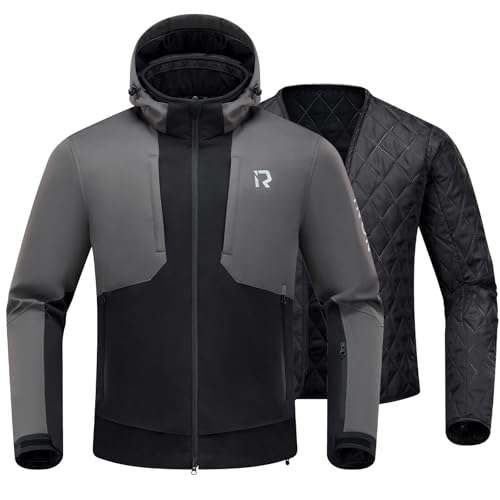 |
Best for Adjustable Comfort | Protection: Advertised CE Level 2 shoulder and elbow armor; EVA back pad | Winter Liner: Removable thermal liner | Hood: Removable; over-helmet compatibility not verified | Check Price on Amazon | Read Our Analysis |
Comparison tip: All three jackets offer removable hoods and liners. Your decision should depend on riding fit, insulation, armor certification, and how securely the hood can be managed while wearing a helmet.
More Details on Our Top Picks
-
BORLENI Winter Motorcycle Jacket for Men
If you commute by motorcycle during cooler months, the BORLENI Winter Motorcycle Jacket is a practical option to consider. Its wind-resistant polyester construction and removable thermal liner let you adjust your clothing as temperatures change.
The jacket includes a detachable hood, which can be useful for extra coverage when you’re off the motorcycle. During a ride, however, the hood must not interfere with helmet fit or become loose in the wind. No confirmed over-helmet compatibility has been established for this model.
The product listing advertises CE Level 2 shoulder and elbow armor and a removable EVA back pad. The Amazon listing also identifies the garment as EN 17092-4 Class A. Check the jacket’s actual certification label and supplied protective inserts to confirm these details for your selected version.
Four zippered pockets provide space for small essentials. Adjustable fit features and the removable lining help make the jacket adaptable for commuting, weekend rides, and changing conditions.
Why You’ll Like It
The main advantage is straightforward winter riding comfort. You can use the insulating liner during cooler rides and remove it when extra warmth is unnecessary. The zippered pockets also help keep small items secure.
Who Should Buy This: Riders seeking an armored motorcycle jacket for regular commuting in cool or moderately cold conditions.
Who Should Avoid This: Riders who specifically need a hood verified to fit over a helmet, or a jacket with a confirmed extreme-cold temperature rating.
Before You Buy: Compare your chest and waist measurements with the current size chart. Check whether the jacket remains comfortable in a seated riding position with the thermal liner installed.
- Best For: Everyday winter motorcycle commuting
- Protection Level: Advertised CE Level 2 armor at shoulders and elbows
- Garment Certification: Amazon listing states EN 17092-4 Class A; verify product label
- Removable Liner: Yes, thermal lining
- Hood Type: Detachable; helmet-over-hood use not verified
- Storage Pockets: Four outer zippered pockets
- Ergonomic Fit: Adjustable fitting features
- Weather Resistance: Wind-resistant polyester construction; verify rain-protection specification
- Back Protection: Removable EVA pad; separate impact certification not confirmed
- Main Limitation: No verified extreme-cold rating or helmet-compatible hood
-
IRON JIA’S 3-in-1 Motorcycle Jacket for Cold Weather
The IRON JIA’S 3-in-1 Motorcycle Jacket is worth considering if you ride across different seasons. Its detachable insulating liner provides extra warmth in cooler weather, while the outer jacket can be worn without that liner when temperatures rise.
The soft liner can also be worn separately for casual use when you’re not riding. However, the liner alone should not be treated as a protective motorcycle jacket.
The jacket features a detachable hood, water-repellent polyester shell, and advertised CE-rated shoulder and elbow armor. A removable EVA back pad is also listed. The EVA pad should not be assumed to meet a certified back-protector standard without checking its markings.
Additional details include zippered storage pockets, reflective accents, and side adjustment features. The removable liner is attached to the outer jacket, providing an adaptable clothing system for changing conditions.
Why You’ll Like It
The biggest advantage is versatility. Instead of relying on a permanently insulated jacket, you can adjust the layers depending on the weather and how long you expect to ride.
Who Should Buy This: Riders who want an adaptable motorcycle jacket for cool-weather commuting, occasional winter trips, and milder riding days.
Who Should Avoid This: Riders who need proven protection for prolonged extreme cold, heavy rain, or a hood designed specifically to cover a motorcycle helmet.
Before You Buy: Confirm that your selected size fits with the insulating liner and armor installed. Check the product’s current CE garment classification and the labels on its protective inserts.
- Best For: Flexible seasonal riding and winter layering
- Protection Level: Advertised CE-rated shoulder and elbow armor
- Removable Liner: Yes, detachable insulating liner
- Hood Type: Detachable; over-helmet compatibility not verified
- Storage Pockets: Zippered pockets with layered storage design
- Ergonomic Fit: Riding-oriented construction with adjustable side features
- Weather Resistance: Wind-resistant and water-repellent polyester shell
- Back Protection: Removable EVA pad; certification level not independently established
- Additional Feature: Reflective accents
- Additional Feature: Separately wearable insulating liner for off-bike use
- Main Limitation: Water repellency is not a guarantee of waterproof performance
-
RIDEIRON Winter Motorcycle Riding Jacket for Men
The RIDEIRON Winter Motorcycle Riding Jacket offers another option for riders who want cold-weather insulation without using the same layered setup throughout the year.
Its product listing identifies a removable thermal liner, removable hood, CE Level 2 shoulder and elbow armor, and an EVA back pad. These are useful features to compare, although actual protection depends on the garment’s construction, fit, and verified certification.
Ventilation openings at the back can help manage airflow during milder conditions. The jacket also has multiple zippered pockets and riding-oriented adjustment features designed to improve comfort while seated on a motorcycle.
The removable hood is convenient for off-bike use, but no manufacturer-confirmed over-helmet fit was established. Follow the product’s instructions for securing or removing it before riding.
Why You’ll Like It
The combination of thermal insulation, ventilation, and fit adjustments makes this jacket useful to compare if your rides include both colder mornings and warmer afternoons.
Who Should Buy This: Riders who want a removable thermal liner, ventilation features, and adjustable riding comfort in one jacket.
Who Should Avoid This: Riders requiring verified over-helmet hood coverage, a published extreme-cold rating, or a specific garment protection class that has not been confirmed for the selected version.
Before You Buy: Verify the current sizing chart, protective armor labels, liner attachment, and hood instructions. Check whether the back protector is a certified impact protector or an EVA comfort pad.
- Best For: Adjustable comfort across changing riding conditions
- Protection Level: Advertised CE Level 2 armor at shoulders and elbows
- Removable Liner: Yes, thermal liner
- Hood Type: Removable; over-helmet compatibility not verified
- Storage Pockets: Multiple zippered pockets
- Ergonomic Fit: Riding-oriented construction with adjustable features
- Weather Resistance: Wind-resistant outer construction; confirm water resistance
- Back Protection: EVA back pad; impact certification not established
- Additional Feature: Back ventilation openings
- Additional Feature: Adjustable cuffs and hem
- Main Limitation: Whole-garment certification class requires confirmation
Factors to Consider When Choosing a Winter Motorcycle Jacket With a Removable Hood
Choosing the right winter motorcycle jacket involves more than finding something warm. You need a secure riding fit, suitable protective construction, comfortable insulation, and a hood arrangement that does not interfere with your helmet.
Use the following buying factors to compare jackets before making a decision.
Hood Design and Helmet Compatibility
A helmet-compatible hood and a removable motorcycle jacket hood are different features.
A hood specifically designed to fit over a helmet needs sufficient space, secure adjustment, and manufacturer instructions confirming its intended use. An ordinary detachable hood may only be suitable for wearing when you’re off the motorcycle.
Before buying, check whether the hood:
- Is removable or has a manufacturer-approved method of securing it.
- Can be managed without interfering with helmet movement.
- Has loose fabric or drawstrings that could flap in the wind.
- Can be worn according to both the jacket and helmet manufacturers’ instructions.
- Leaves your helmet’s normal fit, chin strap, vision, and movement unchanged.
Safety Note: Never Assume a Hood Fits Your Helmet
Do not pull an ordinary jacket hood over a motorcycle helmet unless the manufacturer confirms that use. Avoid placing bulky hood material under a helmet if it changes the helmet’s fit or retention. If the hood cannot be secured safely, detach it before riding. Follow the instructions supplied with both products.
Insulation and Warmth Levels
A winter motorcycle jacket should provide enough insulation for your usual riding temperatures without restricting movement.
Remember that riding at speed can feel considerably colder than standing outdoors in the same air temperature. Wind exposure, moisture, ride length, and your base layers all affect comfort.
Look for removable thermal liners if you ride in changing conditions. These liners allow you to add warmth when needed and remove extra insulation during milder weather.
When comparing insulation, consider:
- The type and thickness of the thermal liner.
- Whether the jacket has room for a thin base layer.
- How effectively the cuffs, collar, and hem reduce drafts.
- Whether the jacket covers your lower back in the riding position.
- Whether the manufacturer publishes a specific temperature rating.
Pro Tip: Try the jacket with your regular riding layers and all protective inserts installed. If the sleeves pull tightly or the jacket limits movement, the fit may be unsuitable.
Armor Protection Standards
Protective armor is important for motorcycle riding, but you should understand what the certification labels actually mean.
EN 1621-1 applies to impact protectors used at locations such as the shoulders and elbows. Level 2 protectors meet stricter impact-force transmission limits than Level 1 protectors.
EN 1621-2 applies to back protectors, while EN 17092 covers the protective performance of motorcycle garments. Garment classes include A, AA, and AAA, with different requirements for protective performance.
A jacket containing CE Level 2 armor does not automatically mean that the entire garment is certified to Class AA or AAA.
Check for:
- EN 1621 markings on the shoulder and elbow protectors.
- The correct size and placement of each armor insert.
- An EN 17092 certification label for the complete garment.
- Clear identification of any included back protector.
- Secure armor positioning when leaning forward to ride.
Some jackets include a removable EVA foam back pad. Do not assume that this pad has the same certified impact performance as a protector marked EN 1621-2.
For more information, see D3O’s explanation of motorcycle armor certification.
Ventilation and Breathability Features
Ventilation and breathability matter even in a winter motorcycle jacket. You may need extra insulation during a cold morning ride but less warmth during the afternoon.
Ventilation zippers and breathable linings can help release excess heat. However, airflow features may also allow cold air inside when they are open.
Look for vents you can close securely. Make adjustments while stopped rather than trying to operate difficult zippers in traffic.
Jackets with removable liners can also provide more flexibility than models with permanent insulation.
Fit and Adjustability Options
A well-fitting motorcycle jacket should stay comfortable while helping protective armor remain in the correct position.
Check the fit while sitting on your motorcycle or adopting a similar riding posture.
Pay attention to:
- Shoulder fit: Armor should cover the intended shoulder area without sliding.
- Elbow position: Protectors should remain aligned when your arms are bent.
- Sleeve length: Cuffs should provide suitable coverage when reaching the handlebars.
- Waist and hem: Adjustments should reduce unwanted jacket movement.
- Collar clearance: The collar should not restrict your helmet or neck movement.
- Layering room: The jacket should remain comfortable with its thermal liner installed.
A slim-fit jacket may feel comfortable without extra layers but become restrictive when insulation is added. Use the manufacturer’s measurements rather than assuming your usual clothing size will fit.
Weather Resistance and Rain Protection
Not every winter motorcycle jacket is fully waterproof.
A water-repellent outer shell may help with light moisture, but it does not necessarily provide dependable protection in prolonged or heavy rain.
For frequent wet-weather riding, look for a clearly documented waterproof membrane, seam construction, and manufacturer-supported rain protection.
Check the front closure, collar, cuffs, and pocket openings. These areas can affect how much water enters during a ride.
If you expect extended heavy rain, a dedicated motorcycle rain layer may be more suitable than relying only on a water-repellent jacket.
Storage and Pocket Design
Useful storage can make daily motorcycle commuting more convenient.
Look for secure zippered pockets for small items such as keys, a wallet, and other riding essentials.
Check whether the pockets remain accessible while wearing gloves and whether their placement is comfortable when seated.
Remember that a zippered pocket is not automatically waterproof. Use additional protection for electronics or documents when riding in wet conditions.
How to Choose the Right Jacket for Your Riding Style
The best option depends on when, where, and how you ride.
At a Glance: Which Jacket Fits Your Needs?
Regular winter commuting: Consider the BORLENI jacket for its thermal liner, detachable hood, zippered storage, and advertised garment certification.
Changing seasonal temperatures: Consider the IRON JIA’S 3-in-1 jacket if flexible insulation is your main priority.
Adjustable riding comfort: Consider the RIDEIRON jacket if removable insulation and ventilation features matter most.
Actual over-helmet hood coverage: None of these three jackets has confirmed compatibility for that specific use. Do not select one based on an unverified hood-fit claim.
If your main goal is everyday warmth rather than motorcycle protection, a regular winter jacket under $200 may be more appropriate for off-bike use. However, ordinary winter jackets should not be treated as substitutes for protective motorcycle clothing.
Before You Buy: Winter Motorcycle Jacket Checklist
Use this checklist to reduce the risk of choosing the wrong jacket.
- Confirm the hood design: Check whether the hood detaches or can be secured according to the manufacturer’s instructions.
- Check helmet clearance: Make sure the jacket and collar do not affect your helmet’s normal fit or movement.
- Verify armor labels: Look for the appropriate EN 1621 markings on the included protective inserts.
- Check garment certification: Look for an EN 17092 label and the applicable garment class.
- Measure before ordering: Use the brand’s current sizing chart and allow suitable room for insulation.
- Review the liner: Confirm what is included and how the liner attaches.
- Check weather protection: Distinguish water-repellent construction from verified waterproof protection.
- Review care instructions: Confirm how to remove armor and liners before cleaning.
- Check warranty and returns: Review the current seller and manufacturer terms before purchasing.
Buying Tip: Do not choose a riding jacket based only on appearance or advertised warmth. Proper fit, confirmed protection, and comfortable movement are more important than styling claims.
Frequently Asked Questions
Are These Jackets Suitable for Extreme Cold Temperatures?
These jackets have features intended for cooler or winter riding, including removable thermal liners and wind-resistant construction. However, a specific extreme-cold temperature rating has not been verified for these models.
For very cold weather, consider suitable base layers, insulated riding gloves, protective trousers, and other cold-weather motorcycle equipment. The right combination depends on temperature, wind, riding speed, and journey length.
Can I Wear the Hood Over My Motorcycle Helmet?
Do not assume that you can. The jackets reviewed here have detachable or removable hoods, but over-helmet compatibility has not been verified.
Only use a hood over your helmet if the jacket manufacturer specifically approves that arrangement and it does not interfere with your helmet or riding controls.
Do not place bulky hood fabric beneath a helmet if doing so changes the helmet’s fit. When in doubt, remove the hood before riding.
How Do I Properly Care for My Winter Motorcycle Jacket?
Follow the care instructions supplied with your specific jacket.
Many motorcycle jackets require you to remove protective inserts and detachable liners before washing. Use the cleaning method recommended by the manufacturer, and avoid products or excessive heat that could damage the jacket’s fabric, coatings, or armor.
Allow the jacket to dry as instructed and inspect the seams, fasteners, armor pockets, and protective inserts regularly.
Can These Jackets Be Used for Other Winter Activities?
You may find these jackets comfortable for some casual outdoor activities, depending on the temperature and fit. Their removable liners and hoods can also be convenient when you’re off the motorcycle.
However, motorcycle armor and garment construction do not automatically make a jacket suitable for skiing, snowboarding, or other specialized winter sports.
Choose clothing designed for those activities when you need specific snow protection, freedom of movement, and weather performance.
What Warranty Options Are Available for These Jackets?
Warranty and return terms vary by brand, seller, location, and purchase date.
Before buying, check the current Amazon listing and manufacturer’s policy for warranty duration, covered defects, return conditions, and any limitations.
Do not assume that every jacket includes the same warranty or return benefits.
How Do I Choose the Right Size for My Jacket?
Start by measuring your chest and waist, then compare your measurements with the manufacturer’s current size chart.
Try to account for the thermal liner and any base layers you normally wear while riding. The jacket should allow you to reach the handlebars, turn your head, and move your arms without pulling uncomfortably.
Most importantly, shoulder and elbow armor should remain correctly positioned in your normal riding posture.
Is CE Level 2 Armor the Same as a CE-Certified Jacket?
No. CE Level 2 armor describes the tested impact performance of an individual protector under the relevant standard.
A motorcycle jacket’s overall protective classification is assessed separately under standards such as EN 17092.
Check both the armor markings and the garment label rather than relying on a general statement that the jacket includes CE armor.
Conclusion
Choosing a winter motorcycle jacket with a removable hood comes down to finding the right combination of insulation, riding comfort, protective features, and fit.
For regular winter commuting, the BORLENI Winter Motorcycle Jacket is a practical option to compare. The IRON JIA’S 3-in-1 stands out for its removable layering system, while the RIDEIRON Winter Motorcycle Riding Jacket offers a combination of thermal insulation and ventilation features.
None of these jackets should be advertised as having a verified helmet-compatible hood. Before purchasing, check the hood instructions, armor certification, garment protection class, and sizing information.
Final Recommendation: Choose the jacket that fits your riding conditions and protective requirements, not simply the one with the most features. A well-fitting jacket with suitable certified protection and comfortable insulation is a better purchase than one relying on unsupported safety or weatherproofing claims.