
Last Updated on November 4, 2026 by Caleb Warren
The best winter jackets for construction work should help you stay warm, dry, and comfortable without limiting your movement. A good winter work jacket also needs durable fabric, practical pockets, and the right visibility features for your jobsite.
Our three featured options are the SKSAFETY High Visibility Reflective Jacket, the JKSafety JK118 Winter Bomber Jacket, and the JKSafety JK116 Reflective Winter Bomber Jacket. Each offers a different balance of weather protection, insulation, storage, and flexibility.
However, not every reflective jacket meets ANSI/ISEA high-visibility requirements. The specific black variants featured here should not be assumed suitable for roadway work or other jobs requiring certified high-visibility clothing. Always check the garment label and your employer’s PPE requirements.
Disclosure: As an Amazon Associate I earn from qualifying purchases. Some links on this page are affiliate links, at no extra cost to you.
Key Takeaways
- Weather protection: Look for water-resistant or waterproof outer fabrics, sealed seams, and storm flaps.
- Insulation: Quilted synthetic insulation and fleece linings can help retain warmth during cold outdoor work.
- Safety: Reflective strips do not automatically mean a jacket meets ANSI/ISEA 107 requirements.
- Comfort: Choose a jacket that allows bending, reaching, lifting, and layering.
- Storage: Secure pockets and accessible ID holders help keep essentials organized.
- Fit: Always compare your measurements with the manufacturer’s size chart before ordering.
Our Top Winter Jacket Picks for Construction Work
These three jackets offer different benefits for cold-weather work. Compare their construction, insulation, storage, and safety information before deciding.
| Winter Jacket | Product Image | Best For | Weather Protection | Insulation | Visibility Information | Amazon | Review |
|---|---|---|---|---|---|---|---|
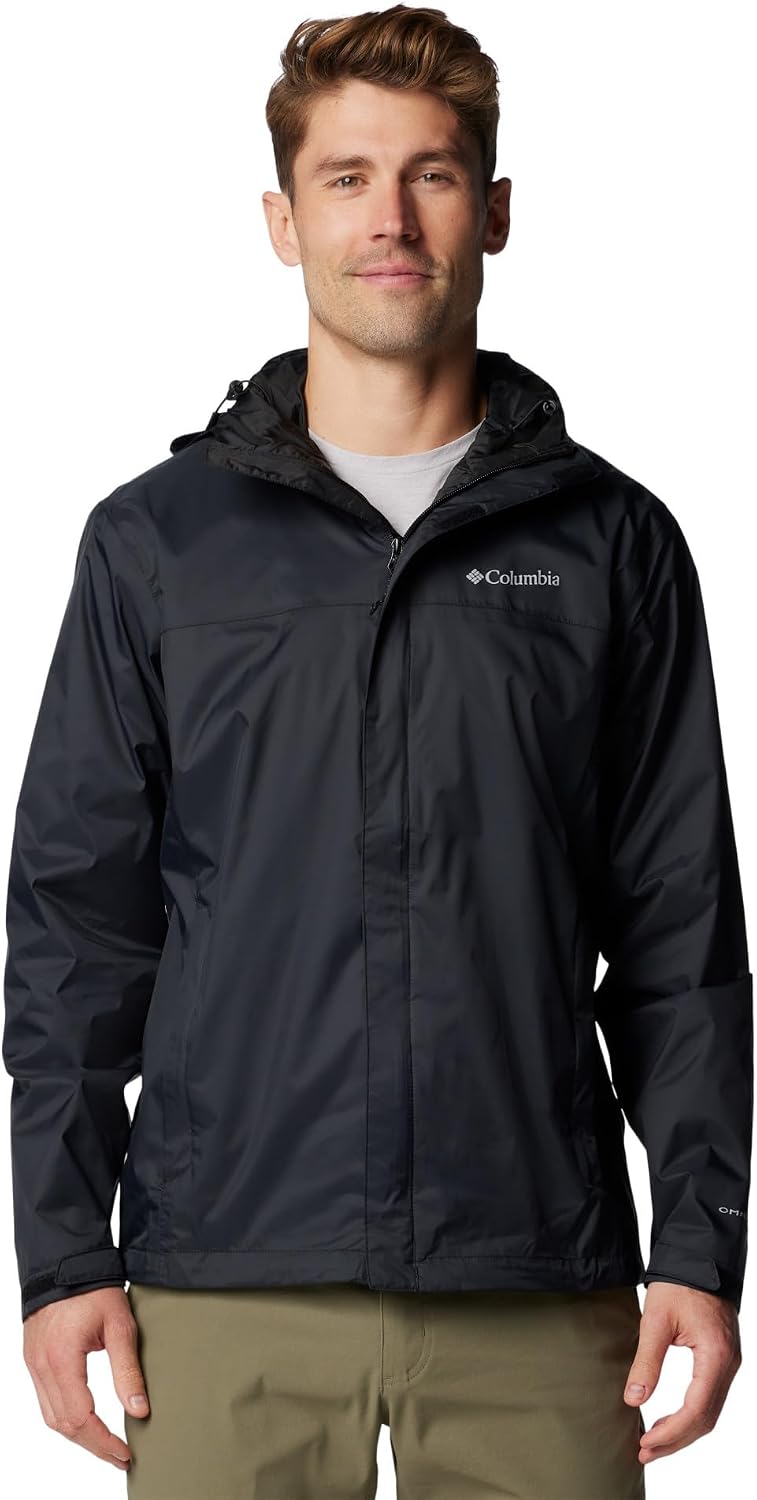
| SKSAFETY High Visibility Reflective Jacket for Men (Black, XL) |
|
Best for Wet Workdays | Water Protection: Seller-stated 10,000mm rating and taped seams | Insulation: Polyester fleece lining | Safety: Seller claims Type R Class 2; verify exact garment label | Check Price on Amazon | Read Our Analysis |
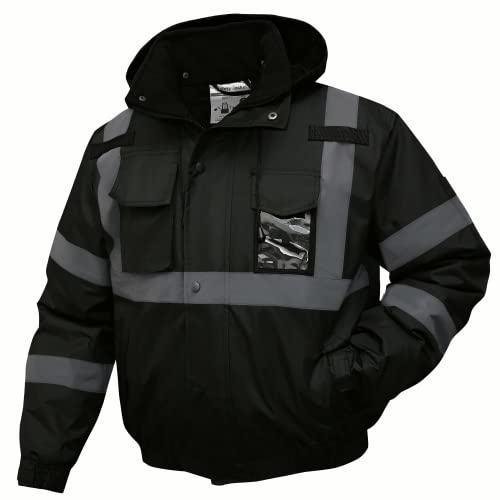
| JKSafety JK118 Reflective Winter Bomber Jacket (Black, XL) |

|
Best for Pocket Storage | Water Protection: DuPont Teflon-coated Oxford fabric | Insulation: 160g quilted DuPont Sorona | Safety: Reflective trims; black variant’s ANSI class not verified | Check Product Details on Amazon | Read Our Analysis |
| JKSafety JK116 Reflective Winter Bomber Jacket (Black, XL) |

|
Best for Everyday Utility | Water Protection: PU-coated Oxford fabric and sealed seams | Insulation: 160g quilted thermal insulation | Safety: Reflective strips; black variant’s ANSI class not verified | Check Product Details on Amazon | Read Our Analysis |
Important: Product information may vary by color and size. The SKSAFETY listing states ANSI/ISEA compliance, but the exact garment certification was not independently established. JKSafety also distinguishes between ANSI-compliant colorways and enhanced-visibility versions. Do not rely on a reflective product name alone when choosing required PPE.
More Details on Our Top Picks
-
SKSAFETY High Visibility Reflective Jacket for Men (Black, XL)
If you work outdoors during cold, rainy weather, the SKSAFETY High Visibility Reflective Jacket is worth considering for its weather-resistant construction and practical storage.
The jacket uses 300D Oxford polyester with taped and sealed seams. According to its product listing, it has a 10,000mm waterproof rating. This is a seller-stated specification rather than an independently verified test result.
A polyester fleece lining helps provide warmth and comfort. The removable hood gives you another way to adjust coverage as conditions change.
The jacket also includes reflective strips, storage pockets, microphone tabs, and a clear ID holder. These features may be useful for construction workers who need to carry small items and identification.
The selected Amazon variant is Black, XL. The seller lists ANSI/ISEA 107-2020 Type R Class 2 compliance, but you should confirm that the exact black garment carries the required certification label before using it as mandatory high-visibility PPE.
Why You’ll Like It
- Wet-weather construction: The listed waterproof fabric and sealed seams are useful features for rainy shifts.
- Comfortable lining: Fleece provides a softer interior for cold-weather wear.
- Useful organization: Several pockets keep work essentials within reach.
- Adjustable coverage: The removable hood offers flexibility in changing weather.
Who Should Buy This?
This jacket may suit construction workers who prioritize moisture protection, fleece comfort, and practical storage during cold shifts, provided the garment meets their workplace requirements.
Who Should Avoid This?
It is not an appropriate choice to rely on for mandatory Class 2 visibility until the certification of the exact variant is confirmed. Workers who need a documented temperature rating or flame-resistant protection should also look for specifically rated workwear.
- Waterproof Rating:10,000mm, according to the seller
- Insulation Type:Polyester fleece lining; insulation fill weight not specified
- Compliance Standard:Seller-stated ANSI/ISEA 107-2020, Type R Class 2; verify garment label
- Reflective Strips:2-inch reflective strips designed for all-around visibility
- Number of Pockets:5 principal storage and ID pockets, plus pen holders
- Hood:Removable hood
- Additional Feature:Taped and sealed seams
- Additional Feature:Mic tabs and clear ID holder
- Additional Feature:300D Oxford polyester outer shell
-
JKSafety JK118 Reflective Winter Bomber Jacket (Black, XL)
Construction workers often carry phones, identification, small tools, and work documents. The JKSafety JK118 Reflective Winter Bomber Jacket offers a practical solution with its multiple storage compartments.
The jacket uses 300D Oxford fabric treated with a DuPont Teflon coating for water and dirt resistance. Its outer shell is designed to withstand routine outdoor use, although a numerical waterproof rating is not established here.
Inside, the jacket features 160g quilted DuPont Sorona insulation. A fleece-lined standing collar, storm flap, and adjustable cuffs help limit cold air entering around openings.
One of its strongest practical features is its 10-pocket design, according to the product listing. This includes storage for a tablet, identification, and smaller work accessories.
The jacket also features seven reflective trim sections using 3M Scotchlite material, according to the seller. These can improve visibility when illuminated by headlights or work lights.
Safety limitation: The selected product is the black XL version. JKSafety states that certification varies across versions of this jacket family. The black variant should not be treated as ANSI-compliant without documentation for that exact garment.
Why You’ll Like It
- More storage: Multiple compartments help organize documents and work accessories.
- Cold-weather comfort: Quilted insulation and a fleece collar provide warmth without relying on a heavy cotton lining.
- Weather protection: The coated Oxford fabric helps resist moisture and dirt.
- Reflective detailing: Reflective trims can improve visibility when exposed to light.
Who Should Buy This?
This jacket is a practical option for general construction, maintenance, surveying, and other outdoor tasks where pocket organization and warmth matter. It is most suitable where its visibility characteristics satisfy site rules or separate compliant PPE is worn as required.
Who Should Avoid This?
Workers needing a verified ANSI Class 2 or Class 3 outer garment should not rely on this black version without certification evidence. It also is not a substitute for specialized arc-rated, flame-resistant, or other hazard-specific protective clothing.
- Waterproof Rating:DuPont Teflon-coated fabric; numerical rating not specified
- Insulation Type:160g quilted DuPont Sorona thermal insulation
- Compliance Standard:ANSI compliance not verified for selected black XL variant
- Reflective Strips:Seven 2-inch 3M Scotchlite reflective trim sections, according to seller
- Number of Pockets:10 multifunctional pockets
- Hood:Check exact variant details for included hood configuration
- Additional Feature:Fleece-lined standing collar
- Additional Feature:Storm flap and adjustable cuffs
- Additional Feature:Tablet and identification storage
-
JKSafety JK116 Reflective Winter Bomber Jacket (Black, XL)
If your workday involves moving between outdoor tasks, the JKSafety JK116 Reflective Winter Bomber Jacket offers insulated construction with adjustable features and practical pockets.
The jacket’s Oxford fabric outer shell includes a PU coating intended to resist moisture and dirt. The seller also describes sealed seams and a storm flap to reduce water entering through vulnerable areas.
For colder conditions, the jacket uses 160g quilted thermal insulation and a fleece-lined standing collar. Its adjustable cuffs and hem help you control the fit around your wrists and waist.
A retractable hood provides extra weather coverage. The jacket also includes reflective strips around the body and arms, designed to return light toward its source.
The exact Amazon listing describes a six-pocket arrangement, although details across the broader JK116 product family may vary. Check the current listing if pocket placement is important to your work.
The selected version is Black, XL. Its ANSI compliance is not verified, so the reflective trim should not be considered a replacement for required certified high-visibility clothing.
Why You’ll Like It
- Adjustable fit: Cuffs and hem help limit drafts without needing an oversized jacket.
- Warm interior: Quilted insulation and a fleece collar support cold-weather comfort.
- Weather coverage: The retractable hood and coated outer fabric are useful during changing conditions.
- Workday convenience: Utility pockets provide space for small essentials.
Who Should Buy This?
This jacket may suit workers who want an insulated bomber design with adjustable openings, reflective details, and everyday storage for general cold-weather tasks.
Who Should Avoid This?
Workers who need documented high-visibility certification for the outermost layer should not depend on the black variant without proof of compliance. Those who carry many larger accessories may prefer a jacket with a more clearly documented pocket arrangement.
- Waterproof Rating:PU-coated Oxford fabric; numerical rating not specified
- Insulation Type:160g quilted thermal insulation
- Compliance Standard:ANSI compliance not verified for selected black XL variant
- Reflective Strips:Five 2-inch reflective strips described in the Amazon listing
- Number of Pockets:Six utility pockets described for the selected listing
- Hood:Retractable hood
- Additional Feature:Fleece-lined standing collar
- Additional Feature:Adjustable cuffs and elastic hem
- Additional Feature:Storm flap and sealed seams
How to Choose the Best Winter Jacket for Construction Work
The best winter construction jacket depends on your work environment, the weather, and the protective clothing your employer requires. A jacket that feels comfortable during warehouse maintenance may not be suitable for roadway flagging or work involving sparks and open flames.
Use the following factors to narrow your choices before buying.
Material Durability and Comfort
Construction work can be tough on clothing. Your jacket may rub against equipment, tools, building materials, or rough surfaces throughout the day.
Look for a durable outer shell such as tightly woven Oxford polyester. A 300D fabric is a common option in work jackets, although denier alone does not establish tear or abrasion resistance.
Consider these features:
- Reinforced stitching: Helps strengthen areas exposed to frequent movement and strain.
- Durable zippers: Important when opening pockets or the main closure with gloves.
- Comfortable lining: Fleece can improve comfort around the collar and body.
- Adjustable openings: Cuffs and hems help reduce cold drafts.
- Flexible fit: You should be able to bend, reach overhead, and carry materials comfortably.
A jacket that restricts movement may be uncomfortable during long shifts. However, excessively loose clothing can also create snagging hazards around moving equipment.
Insulation for Cold Weather
Insulation helps retain body heat, but the right amount depends on your activity level and working conditions.
The featured JKSafety jackets list 160g quilted thermal insulation. Such insulation may be useful for workers who need warmth while staying active.
However, insulation weight does not provide a reliable temperature rating by itself. Wind, wet clothing, base layers, physical activity, and the fit of the jacket all influence how warm you feel.
Synthetic insulation is a practical option for many winter construction jackets because it can maintain useful insulating performance in damp conditions. Down may provide excellent warmth for its weight, but it is often less convenient for frequently wet or dirty work environments unless adequately protected.
For cold shifts, choose breathable base layers, insulating mid-layers, and a protective outer shell. Adjust your layers to avoid excessive sweating during demanding tasks.
Waterproof and Windproof Protection
Rain, melting snow, and strong winds can make outdoor construction work uncomfortable. A jacket’s weather resistance is therefore an important buying factor.
Consider three things:
- Waterproof fabric: A hydrostatic-head rating, when independently tested, helps explain how much water pressure a fabric resists.
- Sealed seams: Reduce water entering through stitching holes.
- Storm flaps: Help protect zippers from direct wind and rain.
The SKSAFETY listing advertises a 10,000mm waterproof rating. The JKSafety jackets describe coated fabrics, but that does not establish the same numerical performance.
Do not assume that every PU-coated or water-resistant work jacket will withstand prolonged heavy rain. Check the exact product specifications and construction.
Safety Compliance Standards
Safety compliance should come before appearance, comfort, or price when your job requires protective equipment.
ANSI/ISEA 107 is a standard for high-visibility safety apparel. It includes requirements for background material, retroreflective material, garment design, and performance classification.
Type R Class 2 and Type R Class 3 apparel are intended for roadway-related exposure, with different minimum material and design requirements. Class 3 provides greater conspicuity through more extensive coverage and reflective material.
Before buying a jacket for work near moving vehicles, check:
- Whether your employer requires ANSI/ISEA 107-compliant apparel.
- Whether the garment label lists the appropriate type and class.
- Whether the certification applies to your specific color and size.
- Whether the required reflective and fluorescent surfaces remain visible when you wear other equipment.
- Whether additional flame-resistant, arc-rated, or other protective features are required.
Black jackets with reflective strips are not automatically equivalent to certified high-visibility safety jackets. Some products offer enhanced reflectivity without meeting the required apparel standard.
For additional guidance, consult the OSHA guidance on high-visibility clothing in highway construction work zones.
Visibility Features and Reflective Materials
Reflective materials can help other workers and vehicle operators notice you when light falls on the jacket.
But reflective material performs differently from fluorescent high-visibility background fabric. Fluorescent materials help improve visibility in daylight, while retroreflective strips return light toward its source and are especially useful at night.
Check for reflective details around the torso, shoulders, and arms. Consider whether the strips remain visible when you bend, reach, or wear a tool belt.
All-around reflective coverage is useful, but it does not independently establish ANSI compliance.
Inspect reflective materials for peeling, heavy dirt, cracks, or other damage. Replace safety apparel when it no longer provides the required visibility.
Functional Design and Pocket Storage
A construction jacket should help you work comfortably rather than slow you down.
Useful features include:
- Chest and interior pockets: Convenient for small documents, identification, or personal items.
- Secure closures: Help prevent items falling out while bending or climbing.
- Removable or retractable hoods: Allow you to adjust weather coverage while following site rules.
- Adjustable cuffs: Help keep sleeves positioned properly during tasks.
- Accessible zippers: Useful when wearing work gloves.
Think about what you actually carry. Workers who need documents or larger accessories may benefit from the JKSafety JK118’s multi-pocket layout.
However, pockets should not interfere with fall-protection equipment, safety harnesses, tool belts, or required movement.
Jacket Fit, Sizing, and Layering
Getting the right size is especially important when you wear several layers during winter.
Measure your chest and compare it with the manufacturer’s chart. Check the sleeve length, shoulder room, and jacket length as well.
Try to leave enough space for your normal base layer and mid-layer without creating an excessively loose fit.
Before settling on a size, check whether you can:
- Raise both arms comfortably.
- Bend and crouch without the jacket pulling excessively.
- Close the zipper over your normal work layers.
- Reach tools and equipment without difficulty.
- Wear required helmets, harnesses, and other protective equipment correctly.
Some manufacturers suggest sizing up for winter layering, but do not automatically order a larger size. Follow the measurements for the specific model and variant.
Before You Buy: Winter Construction Jacket Checklist
Check these details before placing your order:
- Does the jacket meet your employer’s required PPE standards?
- Is the exact color and size suitable for your work environment?
- Is the waterproof rating documented, or is the fabric only described as coated?
- Does the insulation suit your workload and expected weather?
- Will the jacket fit comfortably over your normal winter layers?
- Can you move freely without loose material creating a snagging hazard?
- Are the hood, cuffs, zippers, and pockets suitable for your tasks?
- What are the cleaning instructions and return conditions?
- Is the exact size and variant currently offered by the seller?
Frequently Asked Questions
What Insulation Types Are Best for Winter Construction Jackets?
Synthetic insulation is often a practical choice because it offers warmth, flexibility, and useful performance in damp conditions. Quilted polyester insulation and fleece linings are common in winter work jackets. Down can be warm and lightweight, but synthetic materials may be easier to manage in frequently wet work environments.
Are All Reflective Winter Jackets ANSI Compliant?
No. Reflective strips alone do not prove ANSI/ISEA 107 compliance. A compliant garment must meet specific requirements for background materials, retroreflective materials, design, and labeling. Check the exact jacket’s certification label and confirm the performance class required by your employer.
How Should I Properly Care for My Winter Jacket?
Follow the care label provided by the manufacturer. Remove surface dirt regularly, close zippers before washing, and use an appropriate cleaning method for the fabric and reflective trim. Avoid bleach, high heat, or fabric treatments unless approved by the manufacturer. Inspect the jacket for damaged seams, coatings, and reflective material after cleaning.
Are There Jackets Specifically Designed for Women’s Construction Work?
Yes. Some manufacturers offer women’s-specific winter work jackets with different proportions and fit options. Others provide unisex designs. The best choice is one that fits correctly over work layers and provides the required protective features. Avoid assuming a smaller men’s size will always fit properly.
What Are the Best Layering Options Under a Winter Jacket?
Start with a moisture-wicking base layer made from synthetic fabric or merino wool. Add a fleece or other insulating mid-layer, then wear a weather-resistant jacket over it. Adjust the layers according to your activity level, temperature, and moisture exposure. Avoid trapping sweat during strenuous work.
How Do I Determine the Right Jacket Size for Layering?
Measure your chest and compare it with the manufacturer’s sizing chart. Allow room for the layers you normally wear, but make sure the jacket does not hang loosely around machinery or obstruct safety equipment. Check shoulder, sleeve, and torso fit while moving through typical work positions.
How Cold Can a 160g Insulated Construction Jacket Handle?
There is no universal temperature limit based only on 160g insulation. Warmth depends on the insulation design, wind, moisture, layering, activity, and individual comfort. Use weather forecasts, your employer’s cold-weather safety procedures, and the complete clothing system to decide whether additional protection is needed.
Should I Choose a Waterproof or Water-Resistant Work Jacket?
A waterproof jacket with suitable seams and closures is generally more appropriate for sustained rain or wet snow. A water-resistant jacket may be sufficient for lighter moisture exposure. Check the manufacturer’s specifications rather than assuming every coated fabric provides the same protection.
Can I Wear a Black Reflective Jacket on a Road Construction Site?
Only if the complete clothing arrangement meets the requirements for that worksite and your employer approves it. Black reflective jackets may not satisfy required high-visibility apparel standards. Do not assume reflective tape is enough. Verify the garment’s certification and use the required compliant outer layer.
Are These Winter Jackets Flame Resistant?
Do not assume they are. The jackets featured here should not be treated as flame-resistant or arc-rated protective clothing without documentation confirming those properties. Workers exposed to welding sparks, flames, electrical arcs, or other specialized hazards should select clothing rated for those risks.
Conclusion
Choosing the best winter jacket for construction work means balancing warmth, weather protection, comfort, and the specific safety requirements of your job.
The SKSAFETY Reflective Winter Jacket is worth considering when waterproofing and fleece comfort are priorities. The JKSafety JK118 offers extensive pocket storage for workers who carry multiple small essentials. The JKSafety JK116 provides an insulated bomber design with practical adjustable features.
Each has useful cold-weather features, but none should be assumed to meet your jobsite’s high-visibility requirements without checking the exact garment certification.
Final Recommendation
Choose based on your main workday need:
For wet-weather protection: Consider the SKSAFETY jacket with its seller-stated waterproof rating, sealed seams, and fleece lining.
For maximum organization among these picks: Consider the JKSafety JK118 with its multi-pocket design and quilted insulation.
For a straightforward insulated bomber: Consider the JKSafety JK116 with adjustable cuffs, a retractable hood, and reflective detailing.
Remember: Check the exact product variant, size, care instructions, safety labeling, and current Amazon details before buying. The right winter work jacket should help you stay comfortable while meeting the protective requirements of your actual job.