
Last Updated on July 28, 2026 by Daniel Globe
Ecuador does not have one universal “best month” because its four main travel regions—the Andes, Amazon, Pacific Coast, and Galápagos Islands—follow different weather patterns. For many first-time visitors, June through September is especially convenient for clearer conditions in the Andes. However, December through May brings warmer water and generally calmer seas to the Galápagos and warm conditions along the Pacific Coast.
Quick Answer
The best time to visit Ecuador depends on where you are going. Choose June through September for clearer Andes trekking weather, December through May for warmer and generally calmer Galápagos seas, and June through November for cool-season Galápagos marine activity. Ecuador’s Amazon is wet year-round, so rain should be expected in any month.
Key Takeaways
- Andes: June through September generally offers the clearest conditions for hiking and volcano views.
- Galápagos: December through May is warmer with generally calmer seas, while June through November brings cooler, nutrient-rich water and excellent marine-wildlife opportunities.
- Amazon: Rain falls throughout the year, so there is no simple January-to-May rainy season for the entire rainforest.
- Pacific Coast: December through May brings warm seas and sunnier beach conditions, while June through September is cooler and coincides with humpback-whale season.
- Festivals: Inti Raymi in June and July and Mama Negra celebrations in September and November can be worth planning a trip around.
Disclosure: As an Amazon Associate I earn from qualifying purchases. Some links on this page are affiliate links, at no extra cost to you.
Understanding Ecuador’s Different Climate Regions
Ecuador sits on the equator, but altitude, ocean currents, and topography create major regional differences. According to the World Bank’s Ecuador climate profile, the country’s rainfall pattern changes sharply between the coast, inter-Andean valleys, and Amazonian lowlands.
The Pacific Coast generally has a wetter period from around late December through May. In the inter-Andean valleys, rainfall is more common from roughly October through May, while June through September is generally drier. Ecuador’s Amazon receives rain throughout the year.
The Galápagos Islands follow another pattern entirely because ocean currents strongly influence their climate. This is why choosing the best time to visit Ecuador should start with the region and activities that matter most to you.
Note: “Dry season,” “rainy season,” “high season,” and “shoulder season” do not mean the same thing. The first two describe weather, while high and shoulder seasons describe tourism demand. Both vary across Ecuador.
Galápagos Islands: Warm Season vs. Cool Season
The Galápagos can be visited throughout the year, but there is an important trade-off between its two main seasons. The Galápagos Conservancy describes December through May as the warmer period and June through November as the cooler, drier or garúa period.
December to May: Warmer Water and Calmer Seas
From December through May, average air and water temperatures rise, seas tend to be calmer, and sunny periods are common between showers. Vegetation also becomes greener after rain.
This is usually the better choice for travelers who value warm-water snorkeling, beach time, smoother boat travel, and warmer overall conditions. It is also an active period for many nesting and breeding species.
June to November: Cooler Water and Rich Marine Life
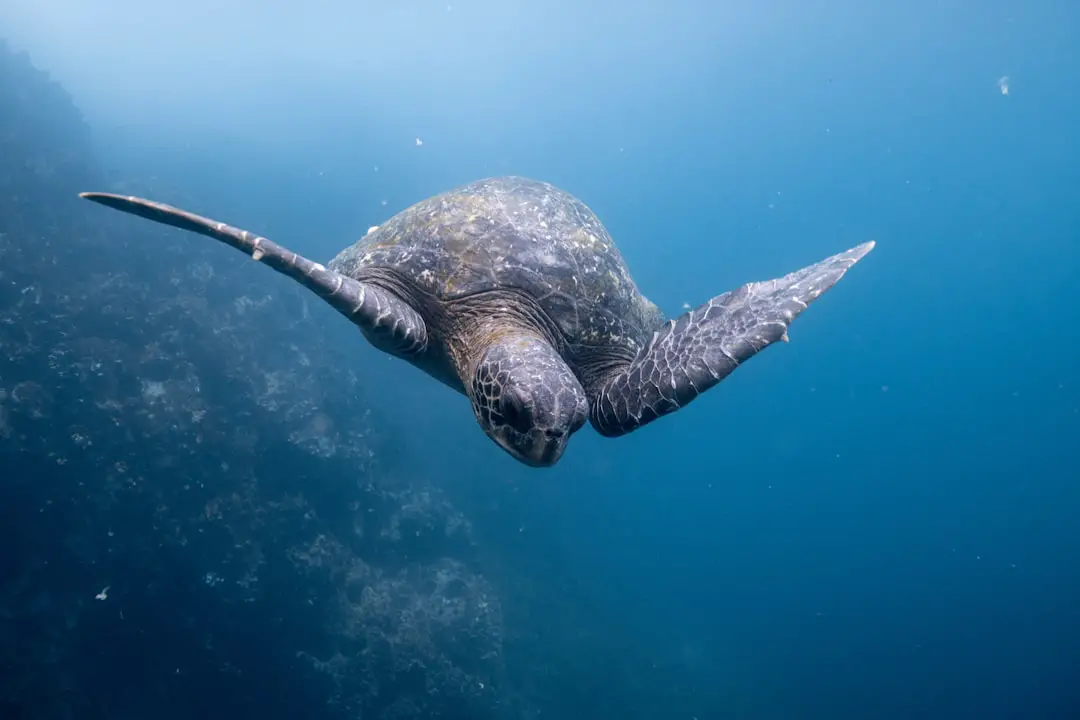
From June through November, the Humboldt Current brings cooler, nutrient-rich water. Clouds and garúa mist become more common, winds can be stronger, and seas may be somewhat rougher.
Those same nutrient-rich waters support abundant marine life. Galápagos Conservancy notes that this is a particularly attractive period for experienced divers, while penguins can be easier to encounter and blue-footed booby courtship occurs during this part of the year.
For the Galápagos, “best” is less about dry versus wet and more about your priority: warmer, calmer water from December to May or cooler, nutrient-rich marine conditions from June to November.
When Is Galápagos High Season?
Galápagos Conservancy identifies mid-June through early September and mid-December through mid-January as important peak travel periods. Cruises, flights, and popular lodging can therefore require earlier reservations even though the islands are a year-round destination.
Amazon Rainforest: Rain Is Possible Year-Round
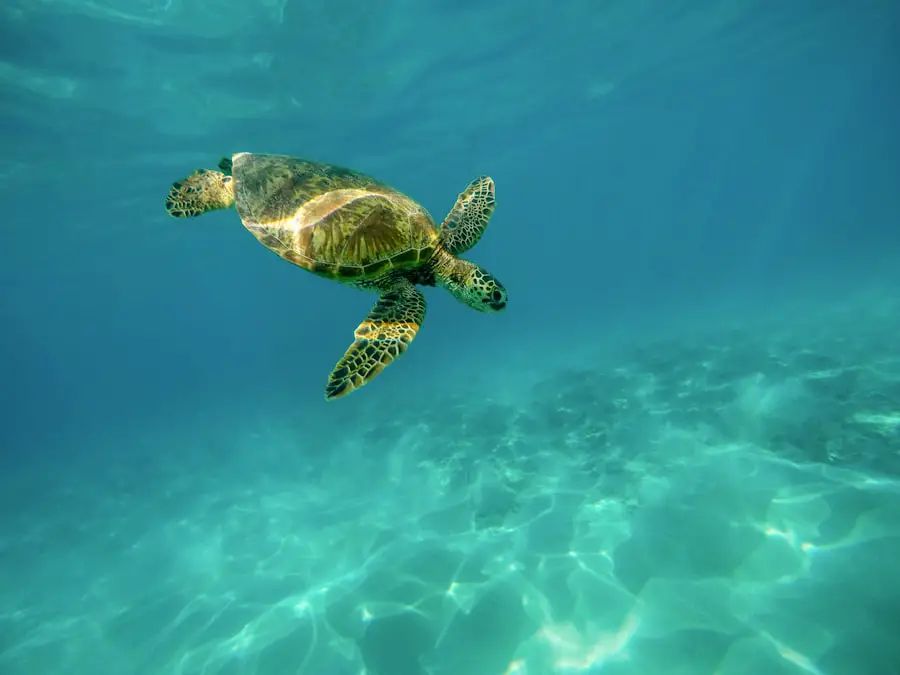
Ecuador’s Amazon cannot accurately be reduced to a January-through-May wet season. Rain occurs throughout the year, although its intensity and timing vary by location. Travelers should therefore choose Amazon dates based more on their itinerary, lodge, wildlife interests, river conditions, and tolerance for rain than on expectations of a completely dry month.
The region remains an outstanding birdwatching destination throughout the year. Toucans, parrots, hummingbirds, macaws, and many other species inhabit Ecuador’s eastern forests, while destinations such as Yasuní and Cuyabeno provide access to exceptionally diverse ecosystems. Ecuador’s Ministry of Tourism highlights the Amazon as one of the country’s major wildlife and birdwatching regions.
Rain can make trails muddy and humidity is high, so lightweight rain protection, quick-drying clothing, insect protection, and a dry bag for electronics are useful in any season.
Pro Tip: When planning an Amazon stay, check conditions with the specific lodge or guide rather than relying on a nationwide “rainy season.” Local river levels and rainfall can matter more than the calendar month.
Andes: Best Hiking Season and Shoulder Months
For travelers focused on Quito, Cotopaxi, Quilotoa, Chimborazo, or other highland destinations, June through September is the strongest general weather window. Current Ecuador Ministry of Tourism guidance for the Andes describes this period as the dry season, with clearer skies that are well suited to volcanoes and trekking.
May can be a useful transition month, while October and November may offer quieter trails but a greater chance of rain. Mountain weather remains changeable at any time of year, especially at high elevations.
| Period | Typical Andes Pattern | Trail Considerations | Ecuador Options |
|---|---|---|---|
| March–April | Wetter part of the highland year | More clouds, rain, and muddy trails | Quito, lower Cotopaxi trails, cultural sightseeing |
| May | Transition toward drier conditions | Variable weather; potentially fewer visitors | Quilotoa, Cotopaxi, Otavalo |
| June–September | Generally drier with clearer skies | Best general window for trekking and mountain views | Cotopaxi, Quilotoa Loop, Chimborazo, Cajas |
| October–November | Rain becomes more frequent | Quieter travel possible, but carry waterproof layers | Quito, Cuenca, Quilotoa, lower-elevation hikes |
Cotopaxi National Park and the Quilotoa area are among Ecuador’s most popular highland destinations. Cajas National Park near Cuenca is another excellent hiking choice, though conditions can change quickly even on seemingly clear days.
Warning: Ecuador’s highlands reach elevations where altitude illness is possible. Quito and many Andean destinations sit above 2,800 meters, while Cotopaxi excursions go much higher. The CDC recommends gradual acclimatization. Do not continue ascending if altitude symptoms are worsening, and seek medical help for severe symptoms.
Pacific Coast: Warm Beaches or Whale Season
The Pacific Coast follows yet another pattern. The wetter period generally runs from around late December through May, but those months also bring warmer ocean temperatures and plenty of sunny beach weather. Ecuador’s official coastal travel guidance highlights December through May for warm seas and sunshine.
From June through September, coastal weather is generally cooler. These months also coincide with the seasonal presence of humpback whales along parts of Ecuador’s coast, making them attractive for travelers who place wildlife ahead of maximum beach heat.
This difference is important: a “rainy” month is not automatically a bad beach month in coastal Ecuador, just as a “dry” month is not guaranteed to be hot and cloudless.
Month-by-Month Guide to Visiting Ecuador
January to February
The Galápagos is warm, with warmer water and generally calmer seas. The Pacific Coast is also warm but within its wetter part of the year. The Andes receive more rain than during the mid-year dry season, while Amazon travelers should expect humidity and rain.
March to May
Warm-season Galápagos conditions continue. The Coast remains warm, and May begins the transition toward the clearer highland trekking period. Travelers combining several regions should pack for both tropical rain and cool mountain temperatures.
June to September
This is the strongest all-around period for travelers whose priority is the Andes. Clearer skies improve the odds of mountain views and drier trekking conditions. In the Galápagos, the cool garúa season brings colder, nutrient-rich water and strong marine activity. Coastal humpback-whale viewing is another attraction during this period.
October to November
Rain becomes more frequent in the Andes, while the Galápagos remains in its cooler season. These months can work well for flexible travelers who do not mind variable highland weather and want to avoid some peak vacation periods.
December
The Galápagos transitions into its warmer season, while the Pacific Coast moves toward its warmer, wetter period. Holiday demand can increase prices and availability pressure, particularly from mid-December onward.
Cultural Festivals: When to Experience Ecuador’s Traditions
Ecuador’s festivals can be reason enough to plan around a particular month. The country’s Ministry of Tourism highlights celebrations including Carnival, Inti Raymi, the Diablada de Píllaro, and Mama Negra as important expressions of Ecuadorian culture.
Inti Raymi
Inti Raymi, or the Festival of the Sun, is celebrated across parts of Ecuador’s Andean region during June and July. The period around the June solstice is especially important. Celebrations combine music, dancing, ritual, food, and thanksgiving connected with the harvest and Andean traditions.
Mama Negra
Latacunga’s Mama Negra combines indigenous, Spanish, and African cultural traditions. According to Ecuador’s Ministry of Tourism, the festival has celebrations in September and again in November, with the November event connected to Latacunga’s independence festivities.
Carnival
Carnival takes place before Lent, so its exact date changes from year to year, usually falling in February or March. Celebrations differ by city and community and may include parades, music, traditional foods, water games, and local customs.
Travelers attending major celebrations should reserve accommodation early and verify the current year’s event program because parade dates and local schedules can change.
Considerations for Traveling During High Season
Ecuador does not have one identical high season across every region. Demand depends on school vacations, international travel patterns, major festivals, and the destination itself.
Accommodation Availability
Galápagos Conservancy identifies mid-June through early September and mid-December through mid-January as important peak periods in the islands. Booking cruises, flights, and popular lodges early is sensible during those windows.
Mainland destinations can also become busy during major Ecuadorian holidays and festivals. Small towns hosting famous celebrations may have a much sharper temporary spike in demand than the country as a whole.
Crowds at Popular Attractions
Major Ecuador attractions such as Cotopaxi National Park, Quilotoa, Quito’s historic center, and popular Galápagos visitor sites can feel busier during holiday periods and favorable weather windows.
Visiting early in the day, traveling on weekdays where practical, and reserving limited-capacity tours in advance can reduce inconvenience.
Planning for a Quieter Experience
Travelers who value quieter trails can consider May or October for parts of the Andes, provided they accept more variable weather. In the Galápagos, choosing dates just outside major vacation periods may reduce demand without sacrificing the year-round wildlife experience.
Tips for Traveling During Quieter or Wetter Periods
January through May should not be treated as a nationwide low season. Those months are actually desirable for travelers seeking warm Galápagos water and warm Pacific Coast conditions.
Quieter periods vary by region. In the Andes, wetter months may bring lower visitor numbers on some trails, but conditions can be muddier and mountain views less reliable. In the Amazon, rain is part of the environment throughout the year rather than something confined to a single low season.
When comparing prices, check the specific destination rather than assuming Ecuador-wide discounts. Galápagos cruises, coastal resorts, Amazon lodges, and Andes hotels respond to different demand patterns.
What to Pack for Ecuador’s Different Regions
For the Andes
Pack layers, a waterproof shell, sun protection, sturdy footwear, and something warm for mornings and evenings. Temperatures can change quickly with elevation, and strong equatorial sun is possible even when the air feels cool.
For the Amazon
Choose quick-drying clothing, lightweight rain protection, insect protection, closed footwear, and a dry bag or waterproof pouch for electronics and documents.
For the Pacific Coast
Light clothing, sun protection, swimwear, sandals, and a light layer for cooler evenings work well. A light rain shell is useful during the wetter months.
For the Galápagos
Bring sun protection, sturdy walking shoes, a light rain layer, and swim gear. Travelers visiting during the June-to-November cool season may appreciate a warmer layer and, depending on the activity and operator, additional exposure protection for cooler water.
Finding the Best Time to Visit Ecuador
The best time to visit Ecuador ultimately depends on what you want to do. For a trip centered on Quito, Cotopaxi, Quilotoa, and other Andean destinations, June through September offers the strongest general chance of clearer trekking weather.
For the Galápagos, December through May favors warmer water and generally calmer seas, while June through November brings cooler, nutrient-rich water and outstanding marine activity. Travelers headed to the Pacific Coast may prefer December through May for warmer beach conditions or June through September for whale watching. In the Amazon, prepare for rain at any time of year.
A multi-region itinerary therefore involves compromise. Travelers combining the Andes and Galápagos often find June through September convenient for mountains and cool-season wildlife, while those prioritizing beaches and comfortable snorkeling may prefer the warmer December-through-May period. Rather than looking for one perfect month, choose the seasonal trade-offs that match your main activities.
Frequently Asked Questions
What is the best time to travel to Ecuador?
June through September is a strong overall choice for travelers focused on the Andes because conditions are generally drier and clearer. However, December through May can be better for warm-water Galápagos trips and warm Pacific Coast weather, so the best time depends on your itinerary.
When is the rainy season in Ecuador?
There is no single rainy season for all of Ecuador. The Pacific Coast is generally wetter from around late December through May, while the inter-Andean valleys receive more rain roughly from October through May. Ecuador’s Amazon receives rainfall throughout the year.
What is the best time to visit the Galápagos Islands?
Visit from December through May for warmer water, generally calmer seas, and warm beach conditions. June through November is cooler and can be rougher at sea, but nutrient-rich water supports abundant marine life and makes the period especially attractive for experienced divers and wildlife enthusiasts.
What is the best time for hiking in Ecuador’s Andes?
June through September is generally the best window for trekking because the Andes tend to have drier conditions and clearer skies. Mountain weather can still change quickly, so waterproof and warm layers remain important.
When should I visit Ecuador’s Amazon?
The Ecuadorian Amazon can be visited throughout the year. Rain is possible in every month, so choose dates based on the specific lodge, wildlife activities, and local conditions rather than expecting a completely dry season.
What are Ecuador’s peak tourist seasons?
Peak demand varies by region. In the Galápagos, mid-June through early September and mid-December through mid-January are notable peak periods. Mainland demand also rises around holidays, major festivals, and popular vacation periods.
Which Ecuador festivals are worth planning a trip around?
Inti Raymi celebrations take place in the Andes during June and July, while Latacunga’s Mama Negra is celebrated in September and again in November. Carnival usually falls in February or March, depending on the year’s calendar.
Sources
- World Bank — Ecuador Climate Risk Country Profile — regional rainfall patterns and climate differences.
- Galápagos Conservancy — Planning a Trip to Galápagos — seasonal temperatures, sea conditions, wildlife, and peak travel periods.
- Ecuador Ministry of Tourism — Galápagos Travel Guide — warm and cool Galápagos seasons.
- Ecuador Ministry of Tourism — Andes — June-to-September trekking guidance and highland travel information.
- Ecuador Ministry of Tourism — Culture — traditional festivals including Inti Raymi and Mama Negra.
- CDC Yellow Book — High-Altitude Travel and Altitude Illness — acclimatization and altitude-safety guidance.
