
Last Updated on August 26, 2026 by Daniel Globe
Dubai can be visited year-round, but the experience changes sharply with the season. For most travelers, the cooler months from November through March offer the easiest weather for sightseeing, beaches, desert trips, outdoor dining, and long days on foot. Travelers who care more about price than outdoor comfort may prefer the hotter summer months, when demand often softens and indoor attractions become the focus.
Quick Answer
For most travelers, the best time to visit Dubai is November through March, when daytime weather is comfortable for sightseeing, beaches, desert trips, and outdoor dining. April and October can offer a useful balance of warmth and somewhat lighter crowds, while June through September is best for lower prices and mostly indoor plans.
Key Takeaways
- November through March is the best overall period for comfortable outdoor sightseeing, desert activities, and dining outside.
- December and January can be especially busy because of winter holidays, major events, and the Dubai Shopping Festival season.
- October and April are useful shoulder months if you can handle warmer afternoons and want to avoid part of the winter rush.
- June through September is extremely hot, so a summer trip works best when most activities are indoors or scheduled for cooler parts of the day.
- Ramadan dates change every year. Non-Muslim visitors are not required to fast, and daytime dining options remain available, although some businesses adjust their hours.
Disclosure: As an Amazon Associate I earn from qualifying purchases. Some links on this page are affiliate links, at no extra cost to you.
Dubai Weather and the Best Months to Visit
Dubai has a hot desert climate. Summers are extremely hot, while winters are warm to mild by comparison. Official Dubai tourism material describes average temperatures of roughly 23°C (73°F) in winter and about 41°C (106°F) in summer. Coastal humidity can make hot days feel more intense, especially during summer.
Rainfall is limited and irregular. Most visitors are far more likely to plan around heat, humidity, crowds, and event schedules than around rain. Cooler-season evenings can also feel noticeably different from warm afternoons, so packing a light layer is useful between roughly November and March.
| Travel Period | Typical Experience | Crowds / Prices | Best For |
|---|---|---|---|
| November-March | Warm, comfortable days and cooler evenings | Highest demand, especially around holidays and major events | Sightseeing, beaches, desert safaris, outdoor dining |
| April-May | Rapidly warming days; May can already feel very hot | Often less intense than the core winter peak | Mixed indoor/outdoor itineraries |
| June-September | Extremely hot, with outdoor sightseeing difficult for long periods | Often better hotel value than winter, though prices vary | Malls, museums, indoor attractions, resort stays |
| October | Still hot, but conditions begin improving as winter approaches | Transitional demand | Travelers seeking a compromise between weather and crowds |
Peak Tourist Seasons in Dubai
Dubai’s busiest leisure-travel period generally overlaps with the cooler months, particularly from November through March. Pleasant weather makes it easier to spend full days outside, and major attractions such as the Burj Khalifa, Dubai Mall, Dubai Marina, beach districts, and desert experiences tend to attract more visitors.
Hotels and resorts can experience stronger demand during this period, especially around Christmas, New Year’s Eve, school holidays, large exhibitions, and major festival weekends. Accommodation and activity prices may therefore be higher than during the hottest months of the year.
Dubai Shopping Festival is another major winter draw. Its exact dates change by edition rather than falling neatly within one calendar month. For example, the 2025-26 edition ran from 5 December 2025 through 11 January 2026. Travelers planning around the festival should confirm the latest dates on the official Dubai tourism calendar instead of assuming it will always take place only in January.
Pro Tip: During the winter peak, book high-demand attractions for weekday mornings when possible. Sunset observation decks, desert safaris, festive events, and New Year’s Eve experiences can fill much earlier than ordinary sightseeing slots.
Best Time for Outdoor Activities in Dubai
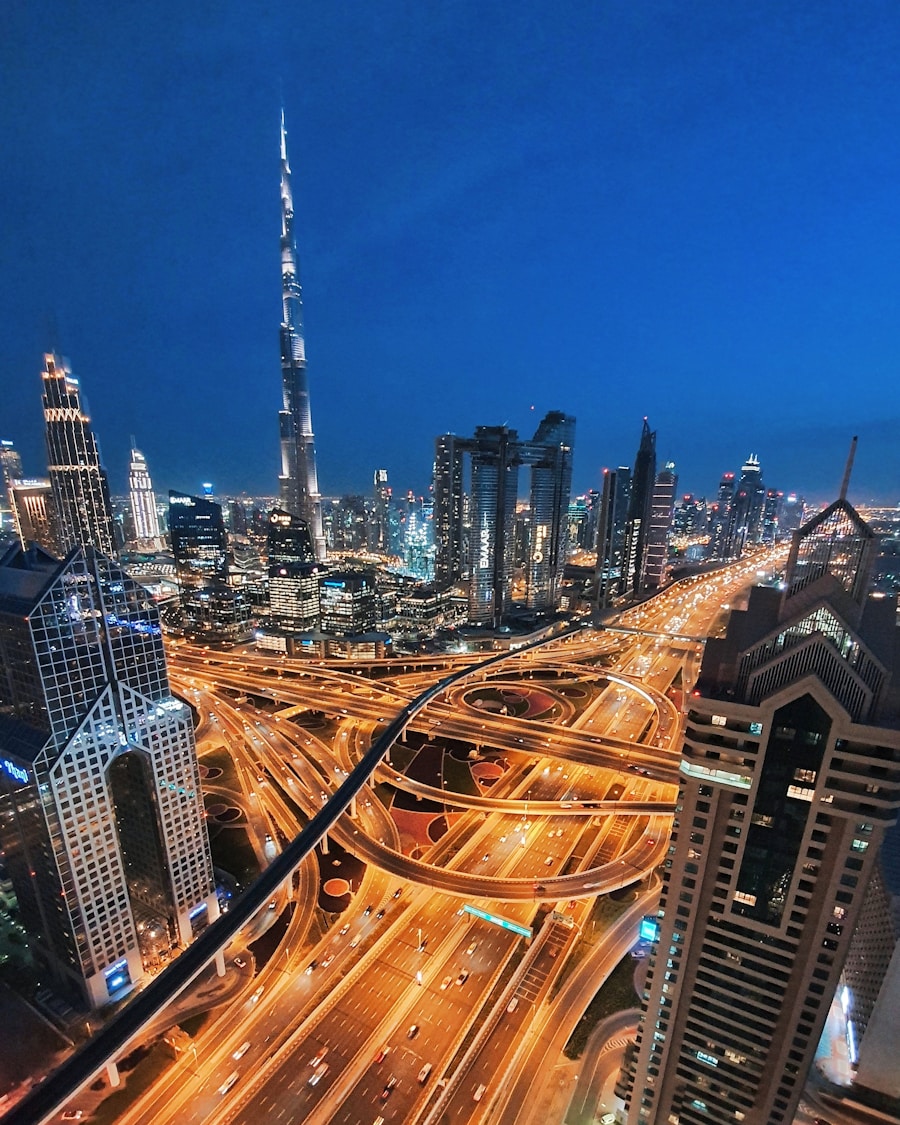
For outdoor activities, November through March is the easiest period for most visitors. The milder weather makes desert safaris, beach walks, sightseeing tours, outdoor markets, marina strolls, al fresco dining, and time in parks far more comfortable than in midsummer. Dubai’s official tourism guidance also identifies the cooler season as the preferred period for many outdoor experiences.
This is also a strong time for adventure activities such as dune bashing, sandboarding, desert dinners, and hot-air-balloon excursions. Even in winter, however, desert mornings can feel cooler than central Dubai, while afternoons in direct sun can still feel warm.
Best Time for Desert Safaris
November through March is usually the most comfortable window for a desert safari because daytime temperatures are lower and evenings are more pleasant. Afternoon-to-evening tours are especially popular because they combine dune activities with sunset and dinner.
Best Time for Beaches and Outdoor Dining
Late autumn through early spring works well for long beach days and outdoor restaurant terraces. April and October can still be enjoyable, but midday heat becomes more noticeable. During summer, beaches are better suited to early morning or later evening visits rather than long periods in the midday sun.
Off-Peak Seasons for Budget Travelers
| Dubai Travel Period | Demand Level | Weather | Accommodation Cost Tendency |
|---|---|---|---|
| November-March | High | Warm to mild | Often highest |
| April-May | Moderate / transitional | Hot to very hot | Variable |
| June-September | Lower leisure demand | Extremely hot | Often lower than peak winter |
| October | Rising toward winter | Hot but gradually improving | Often between summer and winter levels |
Traveling during Dubai’s hottest months can be attractive for budget-conscious visitors. From roughly June through September, the extreme heat reduces demand for many outdoor-focused trips, and hotels frequently promote summer packages or other incentives. Savings are not guaranteed, however, because rates still depend on the property, weekends, holidays, conferences, and how early you book.
A successful summer itinerary should be built differently from a winter one. Air-conditioned malls, museums, indoor theme parks, aquariums, hotel facilities, restaurants, and evening entertainment can fill much of the day, while outdoor activities are better scheduled for the coolest available hours.
Warning: Dubai’s summer heat can be dangerous, particularly during strenuous activity. Limit long outdoor sessions during the hottest part of the day, carry water, use shade or air conditioning for breaks, and watch for dizziness, headache, nausea, unusual weakness, confusion, or other signs of heat illness. Seek urgent medical help for suspected heat stroke.
Special Events and Festivals in Dubai
Dubai has a busy calendar of shopping, food, entertainment, cultural, and sporting events. Festival dates should always be checked for the exact year of travel because schedules can shift substantially.
Dubai Shopping Festival
Dubai Shopping Festival is a citywide winter shopping and entertainment season with retail promotions, live events, raffles, and family activities. The 2025-26 edition ran from 5 December 2025 to 11 January 2026, illustrating why travelers should think of it as a December-to-January winter event rather than a January-only festival.
Dubai Food Events
Dubai’s culinary calendar also changes from year to year. Rather than assuming Dubai Food Festival always takes place in February or March, check the current official program. In 2026, for example, Dubai Restaurant Week was scheduled for 1-17 May and featured special menus at participating restaurants across the city.
Ramadan and Eid
Ramadan can be one of the most culturally interesting times to visit Dubai. Because the Islamic lunar calendar is shorter than the Gregorian calendar, Ramadan moves approximately 10 to 11 days earlier each year. Evenings become particularly lively around Iftar and Suhoor, and Eid al-Fitr marks the end of the fasting month with family celebrations, dining, shopping, and events.
Note: Never book a trip around an assumed festival date from a previous year. Check Dubai’s official events calendar shortly before purchasing non-refundable tickets or reserving event-specific accommodation.
Weather Considerations for Traveling to Dubai
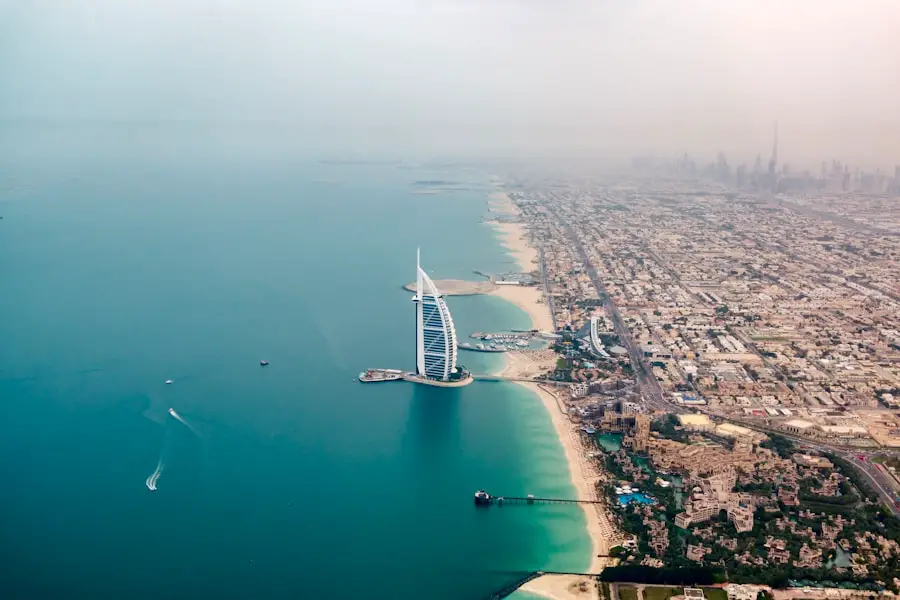
Weather should shape how you organize each day in Dubai. In summer, direct sun, high temperatures, and humidity can make extended outdoor sightseeing exhausting, even for travelers who are accustomed to warm climates. Schedule outdoor activities carefully and use air-conditioned locations as regular cooling stops.
In winter, daytime conditions are much more comfortable, but mornings, desert trips, and evenings can feel cooler than expected. A light layer is useful, particularly if you plan to stay outside after sunset.
Rain is infrequent compared with many destinations, so it is rarely the main reason to choose one month over another. When rain is forecast, however, check local weather and transport updates because unusual weather can still affect plans.
What to Pack by Season
- November-March: Lightweight daytime clothing, comfortable walking shoes, sun protection, and a light layer for evenings.
- April-May and October: Breathable clothing, sunglasses, sunscreen, and plenty of water when sightseeing outside.
- June-September: Very lightweight clothing, strong sun protection, a reusable water bottle, and an itinerary that limits prolonged midday heat exposure.
Tips for Traveling to Dubai During Ramadan
Traveling during Ramadan can offer a memorable cultural experience. Muslims who are fasting abstain from food and drink from dawn until sunset, but non-Muslim visitors are not required to fast.
Current UAE Government guidance states that visitors can find daytime dining options, including restaurants and food courts with designated areas away from people who are fasting. Some restaurants may adjust their operating hours or close during part of the day, while tourist attractions, cultural sites, and many restaurants continue operating.
Respect for the atmosphere of the month is still important. Follow signs and venue instructions regarding where food and drinks should be consumed, dress respectfully, and expect the city to become much livelier after sunset. Iftar is the meal that breaks the daily fast, while Suhoor is eaten before the next day’s fasting begins.
Taxi availability and opening hours can also change around Iftar and late-night Ramadan activity, so leave extra time for transportation and confirm operating hours before heading to a specific attraction or restaurant.
Month-by-Month Dubai Travel Guide
January and February
These are among the most comfortable months for outdoor sightseeing. They are excellent for desert trips, walking tours, beach time, and restaurant terraces, but winter demand can keep hotels and major attractions busy.
March
March remains a strong outdoor month, with warmer days than midwinter. It works well for travelers who want pleasant weather without choosing the middle of the Christmas-New Year peak.
April
April is noticeably warmer but can still work well for a mixed indoor-and-outdoor trip. Plan longer outdoor activities earlier in the day as the month progresses.
May
May can already feel very hot. It is better suited to travelers who are comfortable with heat and willing to combine shorter outdoor periods with air-conditioned attractions.
June Through September
This is Dubai’s hottest stretch. A summer visit can deliver good hotel value and plenty of indoor entertainment, but it is not the easiest time for extensive outdoor sightseeing, long city walks, or midday desert activities.
October
October is a transition month. It is still hot, especially early in the month, but conditions begin to improve as Dubai moves toward its busier winter season.
November and December
Outdoor weather becomes increasingly attractive, and Dubai’s winter event calendar gains momentum. December can be especially busy around holiday travel, New Year’s Eve, and shopping events.
Choosing the Best Time to Visit Dubai Based on Personal Preferences
The best month depends on what matters most to you rather than on one universal answer.
- Best overall weather: November through March.
- Best for desert safaris and outdoor sightseeing: November through March.
- Best compromise between weather and winter crowds: October, April, or early May, depending on your heat tolerance.
- Best for budget-focused hotel hunting: Summer often has stronger promotions, especially from June through September.
- Best for mostly indoor attractions: Any month, including summer.
- Best for major winter events: December and January, while confirming exact festival dates first.
If lower prices are the priority, compare summer rates against winter rates before booking rather than assuming every summer date will be cheaper. If outdoor comfort matters most, paying more for a cooler-season stay can provide much more usable sightseeing time.
Travelers who use mobility equipment should also consider heat exposure, accessible transport, charging requirements, and airline rules when choosing a season. If you are comparing equipment for a trip, this guide to a travel scooter may help with general mobility-planning considerations.
Frequently Asked Questions
What is the best time to travel to Dubai?
For most travelers, November through March is the best time to visit Dubai because temperatures are more comfortable for sightseeing, beaches, desert safaris, and outdoor dining.
What is the weather like during Dubai’s best travel season?
From roughly November through March, Dubai is generally warm during the day with cooler nights. January is usually cooler than March, so one fixed temperature range does not accurately describe the entire season.
Are there major events during the best time to visit Dubai?
Yes. Dubai’s winter calendar often includes shopping, entertainment, sporting, and cultural events. Dubai Shopping Festival is a major example, but its exact dates change by edition, so check the official calendar before booking around it.
Is Dubai more expensive during the best weather?
Often, yes. Demand is strongest during the cooler months, particularly around holidays and major events. Hotel and activity prices vary, however, so compare several dates rather than assuming every winter stay will cost the same.
What attractions are good to visit during the cooler season?
The cooler season is especially convenient for combining major attractions such as the Burj Khalifa and Dubai Mall with Dubai Marina, Palm Jumeirah, beaches, parks, and desert experiences such as trips into protected desert areas including the Dubai Desert Conservation Reserve.
What is the cheapest time to visit Dubai?
June through September often offers better hotel value because extreme heat reduces demand for some leisure travel. Prices are never guaranteed, so compare exact dates, properties, events, and flight schedules before booking.
Is Dubai worth visiting in summer?
Yes, if you are comfortable planning around extreme heat. Dubai has extensive air-conditioned shopping, dining, museums, indoor entertainment, and hotel facilities, but long midday walks and strenuous outdoor activities are much harder from June through September.
Can tourists eat during the day in Dubai during Ramadan?
Yes. Non-Muslims are not required to fast, and daytime dining options are available. Some restaurants change their hours, and visitors should use designated dining areas and follow local venue guidance out of respect for people who are fasting.
Sources
- Visit Dubai — Weather in Dubai — official destination guidance on Dubai’s climate and seasonal travel planning.
- Visit Dubai — Dubai Shopping Festival — official information for current DSF dates and events.
- Visit Dubai — Dubai Restaurant Week — official information on Dubai’s citywide restaurant program.
- UAE Government — Ramadan — official guidance on Ramadan observance, dining, visitor etiquette, and business-hour changes.
- CDC Yellow Book — Heat and Cold Illness in Travelers — travel-health guidance on heat exposure, hydration, prevention, and heat-related illness.

