
Last Updated on July 24, 2026 by Daniel Globe
California packs an unusual range of experiences into one state: granite peaks, giant trees, Pacific beaches, desert basins, wine country, historic cities, and remote islands. The best things to do in California depend on your route and season, so a great trip is less about checking off every landmark and more about choosing a few regions and exploring them well.
Quick Answer
Some of the best things to do in California include hiking in Yosemite, driving Big Sur, exploring giant sequoia and redwood forests, visiting San Francisco landmarks, tasting wine in Napa, seeing desert landscapes in Joshua Tree and Death Valley, relaxing on Southern California beaches, and experiencing Lake Tahoe.
Key Takeaways
- California is too large to cover comfortably in one short trip, so group attractions by region.
- Yosemite, Big Sur, Lake Tahoe, Joshua Tree, and Death Valley can have very different weather and seasonal access conditions.
- Popular experiences such as Half Dome, Fern Canyon vehicle access, Alcatraz, camping, and some tours require permits or advance reservations.
- Check official road, trail, wildfire, ocean, and weather conditions shortly before outdoor activities.
- Several of California’s best experiences are free or inexpensive once you arrive, but transportation and lodging can require substantial advance planning.
Disclosure: As an Amazon Associate I earn from qualifying purchases. Some links on this page are affiliate links, at no extra cost to you.
Plan Your California Bucket-List Trip
California stretches hundreds of miles from north to south, so avoid building an itinerary that jumps from San Diego to Yosemite to the redwoods in only a few days. A better approach is to choose one or two regions: Northern California and the redwoods, San Francisco and wine country, the Central Coast, the Sierra Nevada, the deserts, or Southern California.
Choose the Right Season
Spring and fall are especially flexible because temperatures are often comfortable in many parts of the state. Summer works well for the high Sierra and much of the coast but can bring dangerous heat to Death Valley and Joshua Tree. Winter brings snow to mountain destinations while making lower desert areas much more comfortable.
Book Popular Experiences Early
Check reservation rules before building your route. Half Dome requires a permit when Yosemite’s cables are up, Alcatraz requires an authorized ferry ticket, and vehicles entering the Fern Canyon and Gold Bluffs Beach area need a reservation from May 15 through September 15. Popular campgrounds, lodging, wineries, and guided activities may also fill well in advance.
Warning: Conditions in California can change quickly because of wildfire, extreme heat, snow, landslides, surf, wind, or road construction. Check the official park, transportation, and weather pages shortly before any long drive, hike, paddle, or backcountry activity.
Pro Tip: Build your itinerary around geography rather than a wish list. San Francisco, Point Reyes, Napa, and the Golden Gate area combine naturally, while Big Sur, Monterey, and the Central Coast work well as another group.
Explore Yosemite National Park
Yosemite National Park earns its place on almost every California bucket list with granite walls, waterfalls, giant trees, and expansive Sierra Nevada scenery. Yosemite Valley gives first-time visitors easy access to views of El Capitan, Half Dome, Yosemite Falls, and several trailheads.
Glacier Point provides another classic perspective when the road is open. More ambitious hikers can consider Half Dome, but it is a strenuous undertaking rather than a casual sightseeing walk. A permit is required when the cables are up, and hikers should understand the distance, elevation gain, weather exposure, and cable section before attempting it. Check the National Park Service permit guidance before planning the hike.
Waterfalls generally peak with snowmelt, while higher-country roads and trails can remain snow-covered well after lower elevations have warmed. Yosemite does not require a general entrance reservation in 2026, although lodging, camping, wilderness travel, and Half Dome have separate reservation or permit rules.
Hike to the Hollywood Sign
A Hollywood Sign hike combines one of Los Angeles’ most recognizable landmarks with the hills and trails of Griffith Park. The Mt. Hollywood, Brush Canyon, and Cahuenga Peak routes offer different distances and difficulty levels, and authorized trails are generally open from sunrise to sunset.
The sign itself is fenced and protected, so hikers do not walk among or touch the letters. The reward is the changing view of Los Angeles, Griffith Park, and the sign from approved trails and overlooks.
Bring water, sun protection, and footwear with good traction. Los Angeles hills can become very hot, and fire restrictions or temporary trail closures can affect access. A guided hike can be useful if you want local history along with the walk, but it is not necessary to enjoy the official trails.
Visit the Golden Gate Bridge
The Golden Gate Bridge is one of California’s defining landmarks, and you can experience it without doing much more than walking part of the bridge or visiting a nearby overlook. From the San Francisco side, Fort Point and the waterfront provide dramatic close-range perspectives. Across the bridge, Battery Spencer in the Marin Headlands offers a higher view back toward the bridge and city.
Fog, wind, and temperature can change quickly around the Golden Gate, even when the rest of San Francisco feels mild. Bring a layer and check the bridge’s current pedestrian schedule before visiting.
Combine the bridge with the Presidio, Crissy Field, Fort Point, or the Marin Headlands rather than treating it as a quick photo stop. Those nearby areas help explain the landscape and military history surrounding the entrance to San Francisco Bay.
Experience Death Valley National Park
Death Valley National Park is defined by extremes. Badwater Basin sits 282 feet below sea level, making it the lowest point in North America, while mountains rise dramatically around the valley.
Popular stops include Badwater Basin, Zabriskie Point, Artists Drive, and Mesquite Flat Sand Dunes. The constantly changing light makes sunrise and sunset especially rewarding for photography.
Season matters enormously here. Late fall through early spring generally provides more comfortable conditions for walking and sightseeing at low elevations. Summer heat can be life-threatening, and long hikes at low elevation should not be treated like ordinary warm-weather outings.
Warning: Never rely on a single small bottle of water or assume your vehicle will provide a quick escape from desert heat. Carry substantial water, keep your fuel level up, limit heat exposure, and follow current National Park Service safety guidance.
Go Wine Tasting in Napa Valley
Napa Valley offers a slower change of pace after California’s national parks. Vineyard landscapes, tasting rooms, restaurants, and small towns make it easy to build a full day or weekend around food and wine.
Many wineries recommend or require tasting reservations, so decide whether you prefer large landmark estates, smaller producers, sparkling wine, Cabernet-focused tastings, or a mix before you arrive. Downtown Napa and Oxbow Public Market are useful stops when you want food without committing to another winery appointment.
The Napa Valley Wine Train offers another structured way to see part of the valley while dining. Whichever approach you choose, arrange a designated driver, hired transportation, or another safe plan if you will be drinking.
Discover Big Sur’s Coastal Drive
Big Sur’s stretch of Highway 1 is one of California’s great road trips, with cliffs, coves, redwood-lined canyons, bridges, and wide Pacific views. Bixby Creek Bridge is the best-known roadside landmark, but the real appeal comes from slowing down for parks, overlooks, and short walks.
Highway 1 is open through Big Sur as of July 24, 2026, following earlier slide-related closures, although construction and one-way traffic controls can still change. Always verify the latest Caltrans conditions before committing to a through-route.
McWay Falls remains a signature Big Sur sight, but access is currently limited. As of July 23, 2026, California State Parks reports that the Waterfall Overlook Trail at Julia Pfeiffer Burns State Park is closed for a long-term retaining-wall repair project. Check the official Julia Pfeiffer Burns State Park conditions before visiting.
Allow more driving time than the mileage suggests. Curves, construction, viewpoints, cyclists, and wildlife can all slow the trip, and rushing defeats the point of the Big Sur experience.
Kayak at Channel Islands National Park
Kayaking at Channel Islands National Park can be spectacular, but it should not be described as a casual paddle through consistently calm water. The islands sit in open ocean, where wind, waves, currents, cold water, fog, and sea caves can create serious hazards.
Scorpion Anchorage on Santa Cruz Island is a popular base for kayaking, and authorized guided trips can make the activity accessible to visitors who do not have advanced sea-kayaking experience. The National Park Service strongly recommends guided outings for safety.
Independent paddlers should have appropriate open-water skills and equipment. NPS guidance calls for life jackets and recommends equipment such as wetsuits, helmets for sea caves, communication and signaling gear, and knowledge of current marine conditions. Read the Channel Islands kayaking safety guidance before booking or launching.
Visit the Ancient Bristlecone Forest
High in the White Mountains east of the Sierra Nevada, the Ancient Bristlecone Pine Forest protects Great Basin bristlecone pines that have survived for thousands of years. Their twisted forms and sparse, rocky surroundings look completely different from California’s coastal redwoods and giant sequoias.
Schulman Grove is the main starting point for interpretive walks, including the Methuselah Trail. Living trees in the forest exceed 4,000 years of age, making this one of the best places in California to appreciate extreme longevity and high-elevation ecology.
The elevation is part of the experience. Weather can be cold, windy, or changeable even when Owens Valley below is hot. Bring water, sun protection, layers, and enough time to walk slowly at altitude.
Experience the Epic Landscapes of Joshua Tree
Joshua Tree National Park combines two desert ecosystems with huge granite formations, Joshua trees, cactus gardens, and broad night skies. Short walks such as Arch Rock make the landscape approachable even without committing to an all-day hike.
Spring, fall, and winter usually provide the most comfortable hiking conditions. Summer requires a different strategy because dangerous heat affects exposed trails. The 49 Palms Oasis Trail, for example, is closed annually from June 1 through September 30 for visitor safety.
During hot weather, focus on scenic drives and short early-morning stops rather than long exposed hikes. At night, the park’s relative distance from large urban centers makes it a popular place for viewing stars, although visitors should use established roads and pullouts rather than stopping unpredictably in traffic lanes.
Explore Sequoia National Park
Sequoia National Park offers one of California’s most humbling forest experiences. Giant sequoias are enormous by volume, and the General Sherman Tree is the largest currently living single-stem tree on Earth by trunk volume. It is not the world’s tallest tree; taller trees exist elsewhere.
Giant Forest contains General Sherman and many other massive sequoias, with trails that let you move beyond the busiest viewing area and experience the grove at a slower pace. Accessibility and seasonal transportation arrangements can vary, so check current park information before your visit.
Snow can affect high-elevation roads and trails well into the year. In summer and fall, wildfire or smoke conditions can also change quickly.
Enjoy a Scenic Sunset at Sunset Cliffs
Sunset Cliffs Natural Park in San Diego is an excellent place to watch evening light spread across the Pacific. The area combines coastal bluffs, arches, sea caves, and broad ocean views along the Point Loma shoreline.
Stay on established paths and overlooks rather than edging closer to unstable bluff faces for a photograph. San Diego lifeguards regularly conduct cliff rescues along the city’s coastline, and erosion can make apparently solid edges unsafe.
Arrive before sunset so you can choose a safe viewing area while it is still light. Parking and traffic become busier near sunset, particularly on pleasant weekends.
Take a Tour of Alcatraz Island
Alcatraz Island combines San Francisco Bay scenery with layers of military, prison, Native activism, and preservation history. The former federal penitentiary is the best-known part of the island, and the Cellhouse audio tour adds firsthand stories and historical context.
Alcatraz City Cruises is the only ferry operator authorized by the National Park Service to dock and discharge visitors at the island. Ferry tickets include the transportation needed to reach Alcatraz, and advance reservations are strongly recommended because popular departures can sell out.
Day, night, and behind-the-scenes experiences have different schedules and prices, so avoid relying on old third-party pricing. Check the current National Park Service Alcatraz fee and ticket guidance when planning.
Discover the Cypress Tree Tunnel
The Cypress Tree Tunnel at Point Reyes National Seashore is more than a photogenic row of trees. The Monterey cypresses were planted around 1930 along the approach to a historic radio receiving station that once supported ship-to-shore communications.
The arching trees create strong lines for photography, especially when soft coastal light filters through the branches. Visitors should park fully off Sir Francis Drake Boulevard in the permitted shoulder area and keep the roadway clear.
Pair the stop with other Point Reyes destinations rather than making the long drive solely for a photograph. Beaches, wildlife viewing, trails, and the lighthouse can turn it into a full day.
Enjoy Whale Watching in Monterey
Monterey Bay National Marine Sanctuary supports an exceptional variety of marine life throughout the year, but the species you are most likely to see change with the seasons. Gray whales migrate along the coast in winter and spring, while humpback whales commonly feed in the region from spring into fall. Blue whales may also appear offshore during summer.
A commercial whale-watching trip can provide longer offshore viewing opportunities, while some coastal viewpoints occasionally offer sightings from land. No responsible operator can guarantee a particular species or close encounter.
Choose a company that follows federal wildlife-viewing rules and NOAA guidance. Responsible vessels maintain appropriate distance and avoid altering an animal’s normal behavior.
Experience Moaning Caverns
Moaning Caverns Adventure Park in California’s Gold Country offers guided access to an impressive underground chamber and surrounding cave passages. The current experience is built around cave tours rather than the rappelling adventure described in older travel information.
The attraction states that its rappel has been closed since 2017 with no expected reopening date. Current options include the Spiral Tour and a more strenuous Expedition Tour. The Spiral Tour descends through the cavern using stairs and platforms, while the Expedition option is intended for visitors seeking a more physically demanding underground experience.
Reserve ahead during busy periods and review age, mobility, footwear, and physical requirements before choosing a tour.
Visit Salvation Mountain
Near the Salton Sea, Salvation Mountain is a large handmade folk-art environment covered with brightly painted religious messages, flowers, paths, and architectural forms. Leonard Knight spent decades developing the site, which now stands in dramatic contrast to the surrounding desert.
Walk only where visitors are permitted, respect preservation efforts, and avoid climbing fragile areas simply for photographs. Desert heat can become severe, particularly from late spring through early fall, so carry water and plan the stop for cooler hours when possible.
Travelers often combine Salvation Mountain with other Salton Sea-area destinations because of its remote location.
Explore Fern Canyon’s Natural Beauty
Fern Canyon in Prairie Creek Redwoods State Park surrounds hikers with steep walls covered in ferns and moss. The narrow canyon and shallow creek create a landscape that feels unusually enclosed compared with the towering forests nearby.
The short canyon walk is approachable for many visitors, but expect wet feet, slippery surfaces, and stream crossings. The access road itself is narrow and includes water crossings, so current road conditions matter.
From May 15 through September 15, visitors driving to the Fern Canyon and Gold Bluffs Beach day-use area need an advance reservation. The National Park Service does not offer same-day vehicle reservations. Review the current Fern Canyon reservation rules before driving in.
Fern Canyon is also associated with filming for The Lost World: Jurassic Park, the second film in the series, rather than the original Jurassic Park.
Take a Hot Air Balloon Ride in Temecula
A sunrise hot air balloon ride offers a distinctive view over Temecula Valley Wine Country, with vineyards, rolling hills, and surrounding mountains spreading below the basket.
Balloon flights depend heavily on wind and weather, so cancellations or changes are part of the experience. Flights typically take place around sunrise when conditions are often more favorable. Wear closed-toe shoes and layers because launch sites may be cool even when the day becomes warm.
Some operators include a post-flight toast or package the flight with other wine-country experiences. Treat the balloon ride and wine tasting as separate activities unless your chosen operator specifically explains otherwise.
Go to the Beach at Laguna Beach
Laguna Beach combines sheltered coves, rocky headlands, swimming beaches, coastal walks, and one of Southern California’s best-known arts communities. Heisler Park is an easy place to combine ocean views with access to several shoreline areas.
Low tide reveals rocky intertidal habitat at locations around Laguna Beach. These tide pools are part of protected marine areas, so observe animals where they are. Do not collect shells, rocks, plants, or animals, and avoid touching wildlife or turning over rocks.
After the beach, Laguna’s galleries, restaurants, and seasonal arts events offer an easy transition into an evening in town.
Bike Over the Golden Gate Bridge
Cycling across the Golden Gate Bridge gives you a different perspective from walking or driving. Most recreational riders approach from San Francisco, cross into Marin County, and continue toward Sausalito before deciding whether to ride back or use a ferry for part of the return.
Cyclists use designated bridge sidewalks rather than a conventional painted bike lane. Sidewalk assignments can change by time and day, and riders must yield to pedestrians. The bridge authority sets a 15 mph bicycle speed limit on the sidewalks and requires riders to slow to 5 mph around the towers.
Morning or weekday rides are often easier than peak visitor periods. Expect wind and cool temperatures even on sunny days, and check the current Golden Gate Bridge bicycle-access rules before setting out.
Visit Historic Missions in California
California’s mission sites preserve architecture and material history from the Spanish colonial and Mexican periods, but they should be visited with more context than a simple story of picturesque churches and early agriculture.
California has 21 historic Spanish missions. Their history includes religion, colonization, forced cultural change, labor, disease, displacement, and the experiences of Native peoples whose communities existed long before the mission system.
Interpretation differs from site to site, so look for exhibits and programs that include Native voices alongside information about architecture, religious life, ranching, and Spanish settlement. California State Parks has specifically worked to improve the representation of Native American experiences in the documented history of the mission system.
A multi-day route can connect missions from San Diego through the Central Coast and north toward Sonoma, but choose a few meaningful stops rather than treating all 21 as quick roadside check-ins.
Explore Lake Tahoe
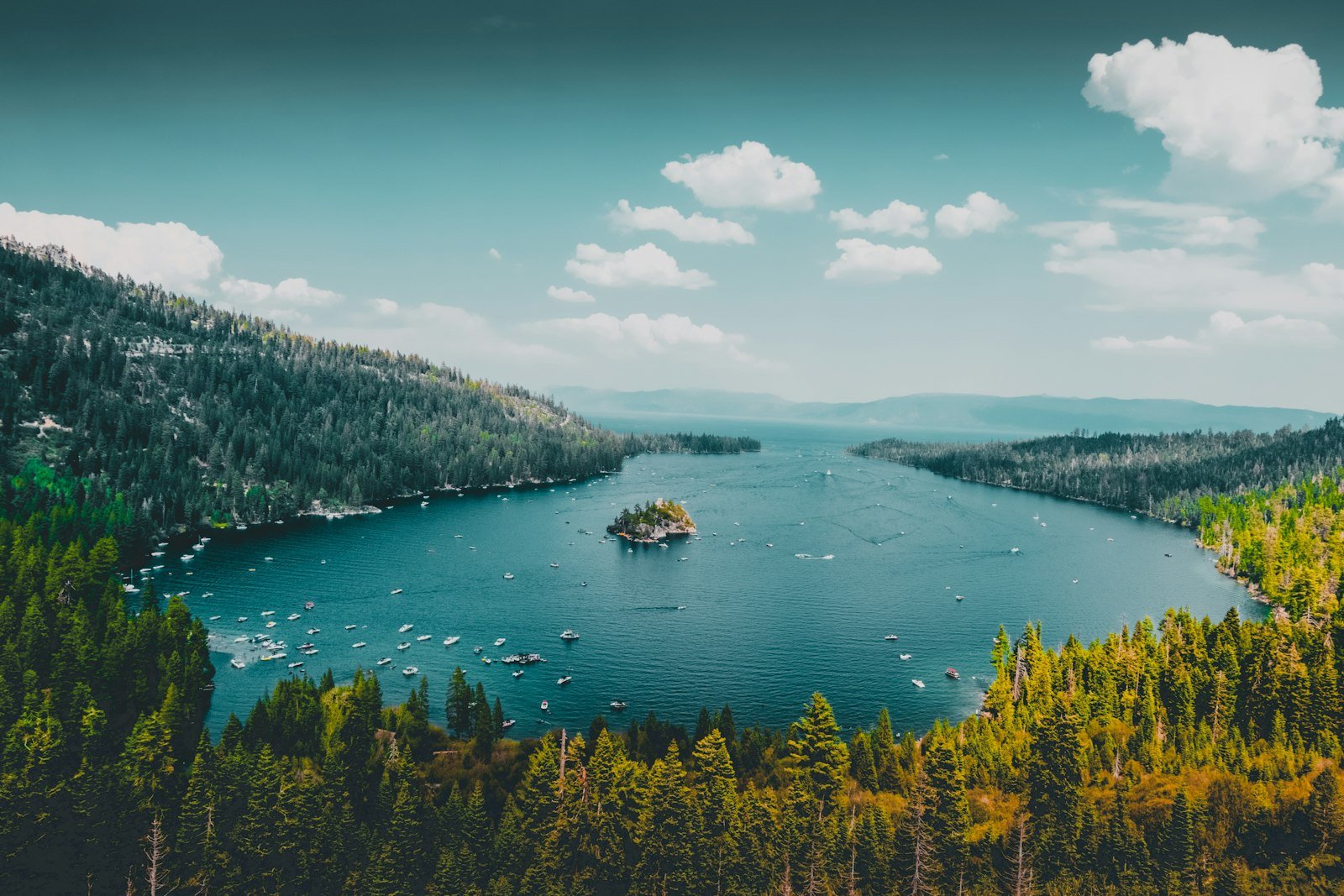
Lake Tahoe combines clear mountain water with beaches, granite shoreline, forests, and high Sierra peaks. In warm weather, kayaking, paddleboarding, hiking, cycling, and swimming make it easy to spend several days outdoors.
Emerald Bay is one of the best-known viewpoints on the California side, but quieter beaches and trails can offer a more relaxed experience away from the busiest stops. Guided paddling trips and rentals are available around the lake for visitors who do not travel with their own equipment.
Lake Tahoe is also a four-season destination. Snow can transform access and activities in winter, while summer brings heavy traffic to popular trailheads and beaches. Build extra driving time into peak-season plans and check wildfire smoke and road conditions before traveling.
Go on a Brewery Tour in San Diego
San Diego’s craft beer scene makes a brewery crawl or guided tasting tour a useful break from beaches and sightseeing. Neighborhoods including North Park and areas around central San Diego have multiple tasting rooms within a relatively compact area.
Rather than trying to visit as many breweries as possible, choose a few with different specialties and leave time for food. Many tasting rooms offer small pours or flights that make comparison easier.
Use a designated driver, rideshare, transit, or a guided tour if everyone in your group plans to drink. The experience is much more enjoyable when transportation is settled before the first tasting.
Walk Among California’s Coast Redwoods
Fern Canyon is memorable, but the surrounding redwood country deserves its own place on a California itinerary. Redwood National and State Parks protect forests of coast redwoods, including the world’s tallest known tree species.
Scenic drives and short grove walks make the redwoods accessible without requiring a major hike, while longer trails let you move deeper into the forest. Prairie Creek Redwoods State Park pairs especially well with Fern Canyon, and Newton B. Drury Scenic Parkway provides another way to experience the landscape.
Road and trail conditions can change after winter storms, falling trees, or restoration work. Check current park conditions before choosing a trail, particularly if you are driving a large vehicle or hoping to use narrow unpaved access roads.
Attend a California Music Festival
California’s festival calendar ranges from huge multi-stage music events to smaller regional gatherings focused on specific genres, food, art, or local culture. Spring and summer contain many of the best-known events, although concerts and festivals take place throughout the year.
For major festivals, tickets and nearby lodging may sell out long before the event. Check the official organizer’s schedule, transportation rules, bag policy, re-entry policy, weather guidance, and allowed items before traveling.
Camping, shuttles, public transit, or lodging within walking distance can be worth paying for when a festival attracts heavy traffic. Build your trip around the event rather than assuming you can easily add a major festival to an already packed sightseeing day.
Conclusion
The best things to do in California range from walking beneath giant trees and hiking through the Sierra to watching whales, driving the Pacific coast, tasting wine, exploring desert landscapes, and spending an evening beside the ocean. You do not need to fit all of them into one trip. Choose a region, match your plans to the season, reserve high-demand experiences early, and leave enough time to enjoy the places between the headline attractions.
Sources
- National Park Service — Yosemite Permits & Reservations — Half Dome and 2026 reservation guidance.
- National Park Service — Channel Islands Kayaking — open-ocean kayaking hazards, equipment, and safety recommendations.
- California State Parks — Julia Pfeiffer Burns State Park — current McWay Falls and Big Sur park access information.
- National Park Service — Alcatraz Fees & Passes — authorized ferry provider and current tour information.
- National Park Service — Fern Canyon & Gold Bluffs Beach Reservations — seasonal vehicle reservation rules.
- California State Parks — Native Americans and the California Mission System — historical context and Native American perspectives on the mission period.
