

Last Updated on September 11, 2026 by Daniel Globe
You want reliable knowledge that actually works when the unexpected happens. These survival books give you practical skills, mental preparedness, and real world experience so you can stay safe, find food and water, treat injuries, and make better decisions under pressure.
Choosing the right book will save you time in learning, build your confidence in the outdoors, and put a compact reference at your fingertips when it matters most.
Disclosure: As an Amazon Associate I earn from qualifying purchases. Some links on this page are affiliate links, at no extra cost to you.
Top Picks
|
Category |
Product |
Score |
|---|---|---|
|
🏆 Best Classic Guide |
94/100 |
|
|
💡 Best Beginner Guide |
92/100 |
|
|
🎖 Best Survival Memoir |
94/100 |
|
|
🌿 Best Foraging Guide |
92/100 |
|
|
🩺 Best First Aid |
92/100 |
|
|
🔥 Best Solo Account |
94/100 |
|
|
🎯 Best Practical Guide |
96/100 |
|
|
⭐ Best Classic Survival |
96/100 |
How We Selected
You need sources that are practical, credible, and easy to use under stress. Books were evaluated for real world applicability, clarity of instruction, author experience or documented accounts, coverage of key topics such as shelter, water, fire, navigation and first aid, and usefulness as a quick reference in the field.
Preference was given to titles with strong reader ratings and enduring relevance so the techniques remain valid across environments and conditions.
Tom Brown Guide
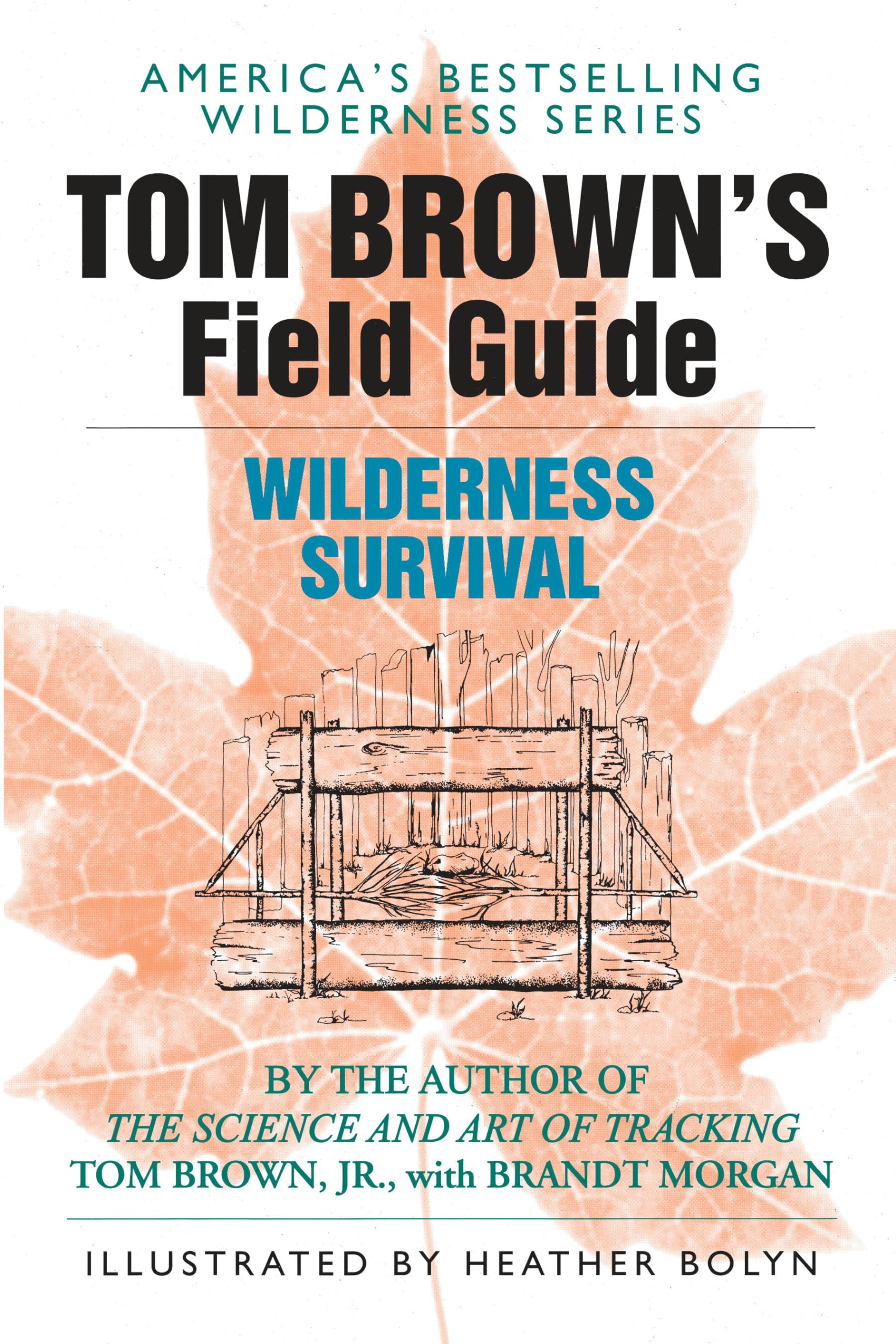
If you want a single book that blends hands-on techniques with a deeper awareness of the natural world, this is the one to reach for. You get clear, practical instructions on building shelter, making fire, finding water and food, and using simple tools, plus tracking and observation skills that sharpen your situational awareness.
It works as a day-hike refresher, a textbook for a wilderness class, or a reference you tuck into your pack for longer trips. If you value reliable fieldcraft delivered in straightforward language, this book is a solid long-term companion.
What People Say
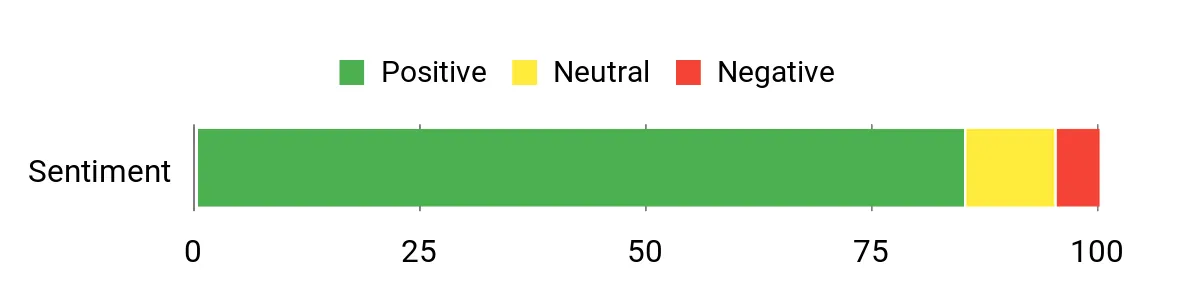
Readers frequently praise the book for its clear, usable instructions and approachable voice, noting that the material is easy to teach to kids and beginners. Many appreciate the blend of technical how-to with stories and tracking lore that deepen your connection to the land. The opening focus on mindset and awareness also stands out as a practical element readers find immediately useful.
Overall Sentiment: Positive
Safety Focus
You will find explicit guidance on safe firecraft, basic water sourcing and purification, precautions for identifying wild edibles, and an emphasis on risk awareness and proper preparation to reduce common outdoor hazards.
Problem Solving
The book trains you to improvise with limited gear, assess terrain and weather, and prioritize tasks under stress. It teaches decision-making habits and simple fixes that help you stay functional and safe when plans go wrong.
Key Benefits
- Practical, step-by-step field techniques you can apply immediately
- Accessible writing that works for beginners and young learners
- Combines survival skills with tracking and nature awareness
- Portable reference suitable for classroom use or in the field
Rating: 4.7 (total: 506+)
Stay Alive

You get a no-nonsense, field-ready manual that walks you through building shelter, finding food and water, making fire, and staying safe when you’re out of your depth. The book reads like a compact instructor: clear steps, helpful illustrations, and a layout that makes it easy to flip to the section you need. Use it as a refresher before weekend hikes, a teaching tool for young learners, or a quick reference if you end up off-trail. If you want solid basics that actually work in real situations, this one delivers.
What People Say
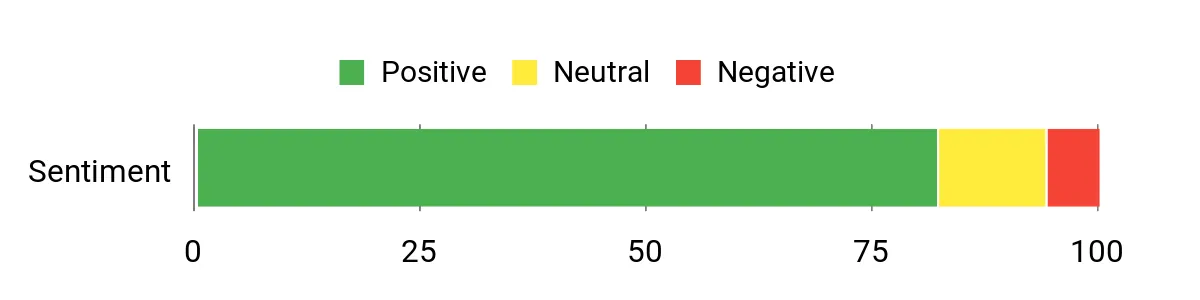
Readers commonly highlight how approachable and practical the book is, noting it works well as a hands-on field guide and a teaching resource for beginners. Many appreciate the straightforward layout and step-by-step visuals that make complex tasks feel manageable, while a few point out that the tone is deliberately simple to aid learning.
Overall Sentiment: Positive
Safety Focus
Emphasizes safe fire techniques, basic water sourcing and purification, cautions for wild food identification, and checklist-style reminders to reduce common outdoor risks.
Problem Solving
Teaches you to improvise with minimal gear, prioritize tasks when situations escalate, and apply quick fixes for shelter, signaling, and basic injuries so you can stay functional until help arrives.
Key Benefits
- Clear, field-oriented instructions you can apply immediately
- Accessible for beginners and younger readers
- Well organized for quick reference in the outdoors
- Covers core survival priorities: shelter, water, fire, food
Rating: 4.6 (total: 1625+)
Five Years Freedom

You get a raw, first-hand study of surviving extreme captivity and the small decisions that keep someone alive. The book reads like a case study in endurance: it shows how routine, mental discipline, and opportunistic problem solving combine to create a chance at escape.
Use it to sharpen your understanding of survival mindset, leadership under pressure, and how resilience plays out in real crisis situations. If you want a powerful example of human determination rather than a field manual, this is a compelling read.
What People Say
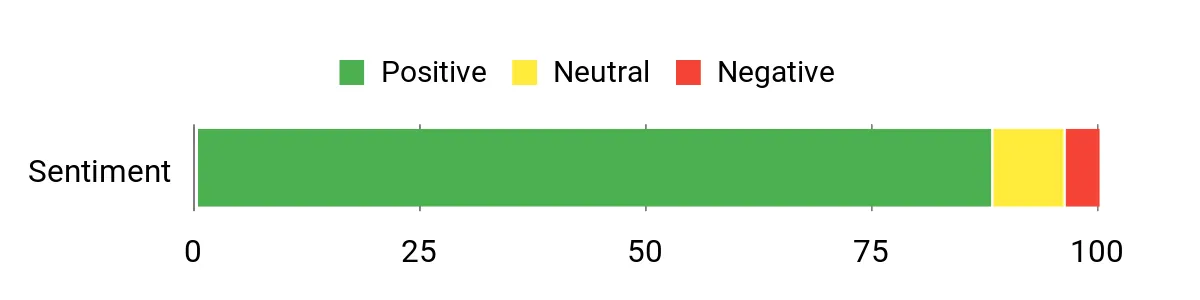
Readers often point to the book’s gripping realism and the author’s steady, matter-of-fact voice. Many highlight the portrait of endurance and the practical mental techniques used to survive long-term captivity. While some note the material can be intense, most recommend it for anyone interested in real-world survival psychology and credible tactical detail.
Overall Sentiment: Positive
Safety Focus
This is not a how-to safety manual, but it emphasizes risk awareness, maintaining physical routines to preserve health, and covert problem avoidance strategies that reduce exposure to harm.
Problem Solving
You’ll see repeated examples of improvisation, small-scale planning, and adaptive thinking: how to make limited resources work, conceal intentions, and exploit fleeting opportunities — skills that translate into calmer, clearer decision making in crises.
Key Benefits
- Authentic, detailed firsthand account of extreme survival
- Deep lessons on mental resilience and routine under stress
- Tactical insight into improvisation and escape planning
- Valuable historical perspective on POW experiences
Rating: 4.7 (total: 1738+)
Forager’s Harvest

If you want to turn common plants into reliable food sources, this book walks you through identification, when and how to harvest, and simple preparation methods. You can use it for weekend foraging trips, backyard exploration, or to expand your emergency food knowledge.
The writing is detailed but approachable, and the organization makes it easy to look up a plant when you’re in the field. For deep, usable plant knowledge that grows with your experience, this is a go-to resource.
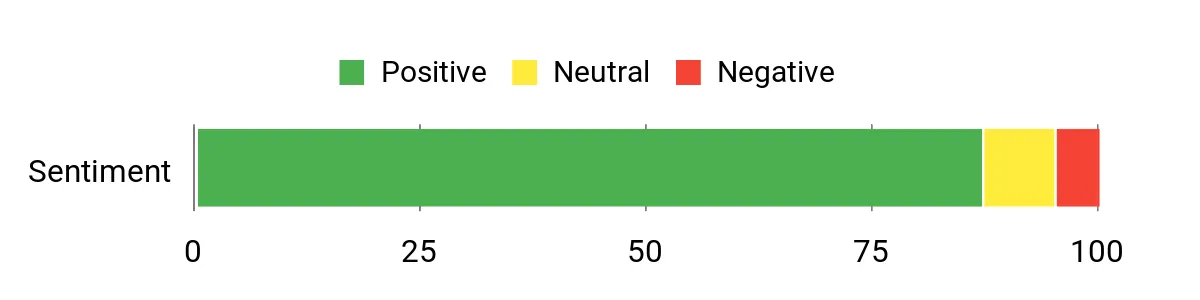
What People Say
You’ll notice readers consistently praise the depth of knowledge and practical organization, saying the plant descriptions and preparation notes are especially helpful. Many point out that clear photos and hands-on advice make it easier to identify local species, and that the book works well as both a study text and a field reference.
Overall Sentiment: Positive
Safety Focus
Covers identification cautions, harvesting ethics, proper preparation to remove toxins, and guidance on avoiding look-alike species to reduce poisoning risk.
Problem Solving
This book teaches you how to recognize edible plants across seasons, choose safe harvesting methods, and turn wild finds into usable food, helping you solve immediate survival food needs and expand longer-term foraging skills.
Key Benefits
- Thorough plant identification with practical harvesting guidance
- Clear preparation and preservation techniques you can use at home
- Authoritative voice from extensive hands-on experience
- Useful for beginners and experienced foragers seeking depth
Rating: 4.6 (total: 6753+)
First Aid Guide
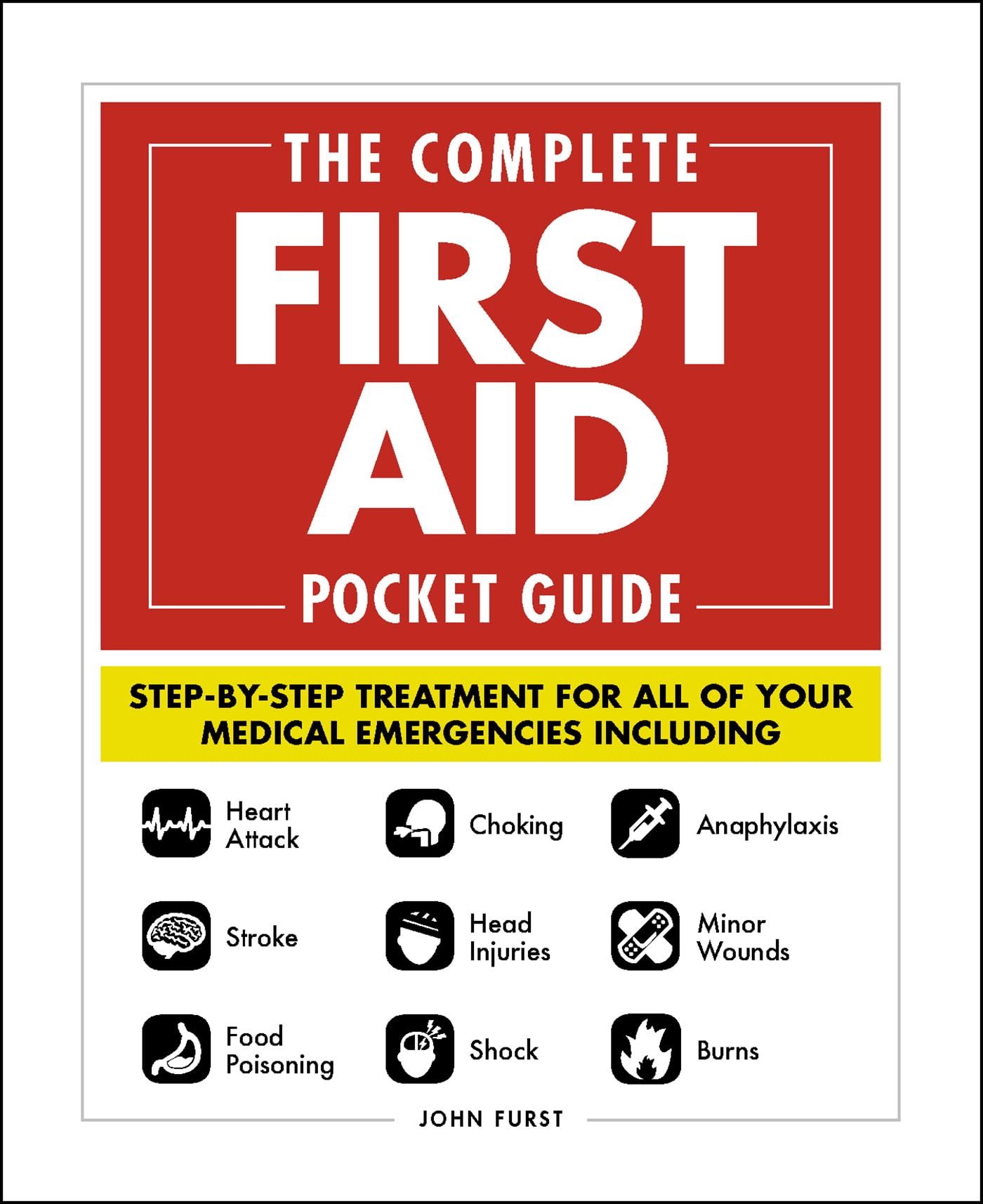
This is the compact manual you reach for when seconds matter. You get clear, prioritized steps for immediate response, easy-to-scan checklists, and enough context to know when to call for help. It works as a daily reference at home, a classroom resource for basic first aid training, or a durable companion inside a field kit.
If you want a single, approachable book that helps you act confidently in a medical situation, this one fits the bill.
What People Say
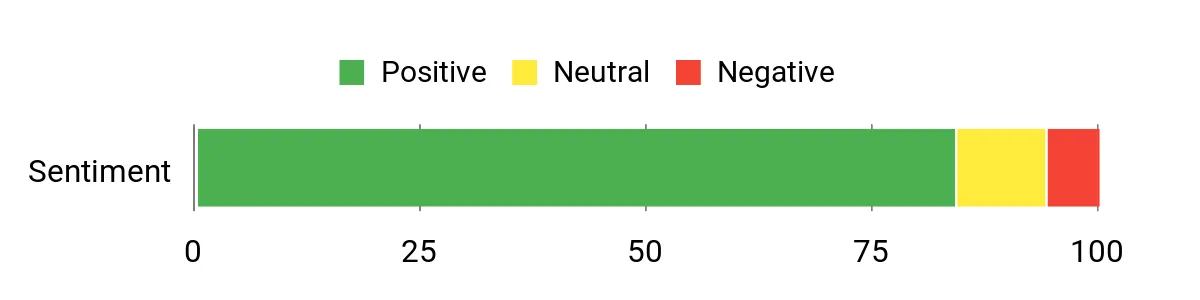
Buyers often praise how concise and usable the book is, noting that the step-by-step format makes complex actions feel manageable. Many mention the durable paper and good indexing, and several found it indispensable when assembling or refreshing a first aid kit. A few readers comment that it contains more material than a true pocket card, but most appreciate the breadth of coverage.
Overall Sentiment: Positive
Safety Focus
You’ll find clear protocols for CPR, anaphylaxis, shock management, wound care and burns, plus emphasis on scene safety and when to escalate to professional care. The layout highlights critical steps so you can act without wading through dense text.
Problem Solving
The guide helps you triage and prioritize interventions, apply immediate life-saving measures, and stabilize common injuries until help arrives. It also supports kit assembly and provides simple diagnostics to reduce errors when stress is high.
Key Benefits
- Step-by-step instructions for a wide range of emergencies
- Clear indexing and durable pages for field use
- Designed for novices but useful to trained responders
- Concise checklists that reduce hesitation under stress
Rating: 4.6 (total: 654+)
Surviving Alone

You get a conversational mix of practical tactics and first-person storytelling that reads like a long debrief from a fellow camper. The book breaks down how Clay found food, managed caches, constructed shelters and solved supply problems while reflecting on the mental side of isolation.
Use it as a source of real-world tricks for weekend adventures, inspiration for practice sessions, or as a companion if you follow survival shows and want the behind-the-scenes techniques. If you appreciate personable guidance grounded in actual experience, this is an engaging pick.
What People Say
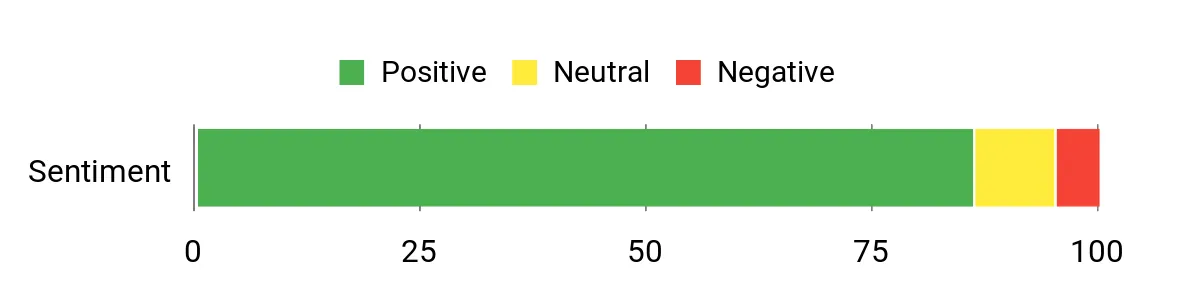
Readers often note the authentic voice and the value of seeing techniques applied in a real contest setting. Fans appreciate the mix of detailed tactics and personal reflection, and many mention the drawings and practical tips as especially helpful.
A few buyers expected a dry manual and found the narrative approach more instructive than they anticipated.
Overall Sentiment: Positive
Safety Focus
Focuses on safe food procurement, proper caching and storage, cautious firecraft, and situational awareness to reduce exposure and prevent common outdoor hazards.
Problem Solving
Shows how to improvise shelters, create low-tech food storage, adapt tools from limited materials, and make incremental plans that compound into survival advantages under prolonged stress.
Key Benefits
- Real-world techniques demonstrated under pressure
- Clear, relatable storytelling that teaches through example
- Practical improvisations you can try in the field
- Illustrations and anecdotes that clarify methods
Rating: 4.7 (total: 1215+)
Survive Guide

You get a stripped-down, practical approach that focuses on what actually keeps you safe rather than every possible primitive skill. The book walks you through assessment, shelter, water, fire, signaling and simple improvisation, with an emphasis on planning and conditioning.
Use it as a pre-trip refresher, a training aid for practical skills, or a compact reference to consult when a hike turns into an unexpected problem. If you want a clear, no-nonsense guide that prepares you for realistic scenarios, this is a dependable choice.
What People Say
Readers frequently note the book’s practicality and praise its focus on fundamentals that translate directly to real situations. Many appreciate the clear layout and concise explanations that make it easy to study and revisit key concepts.
A number of users also point out that it skips unnecessary complexity in favor of things you can train and apply quickly.
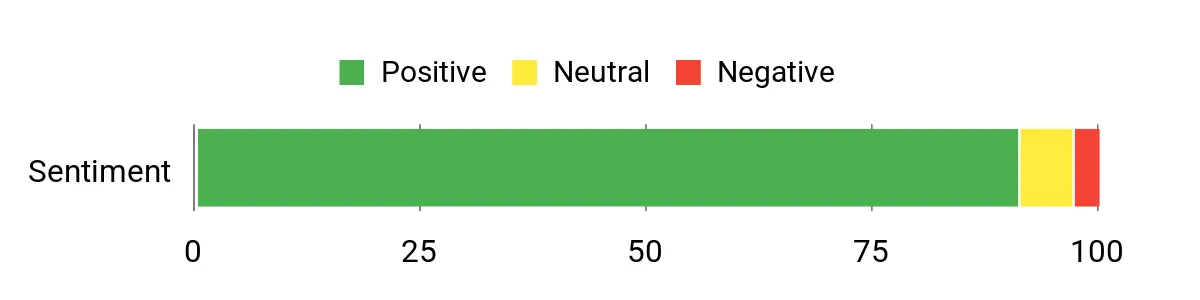
Overall Sentiment: Positive
Safety Focus
Emphasizes scene assessment, risk prioritization, safe firecraft and water safety, plus guidance on signaling and stabilizing injuries until help arrives.
Problem Solving
Teaches you to triage tasks, improvise with limited gear, and break large problems into manageable steps so you can make steady progress even when conditions are poor.
Key Benefits
- Focuses on high-impact skills you’ll actually need in emergencies
- Clear organization and an excellent index for quick lookup
- Balances theory with practical, easily practiced drills
- Teaches planning and prioritization over exotic techniques
Rating: 4.8 (total: 844+)
Art of Survival
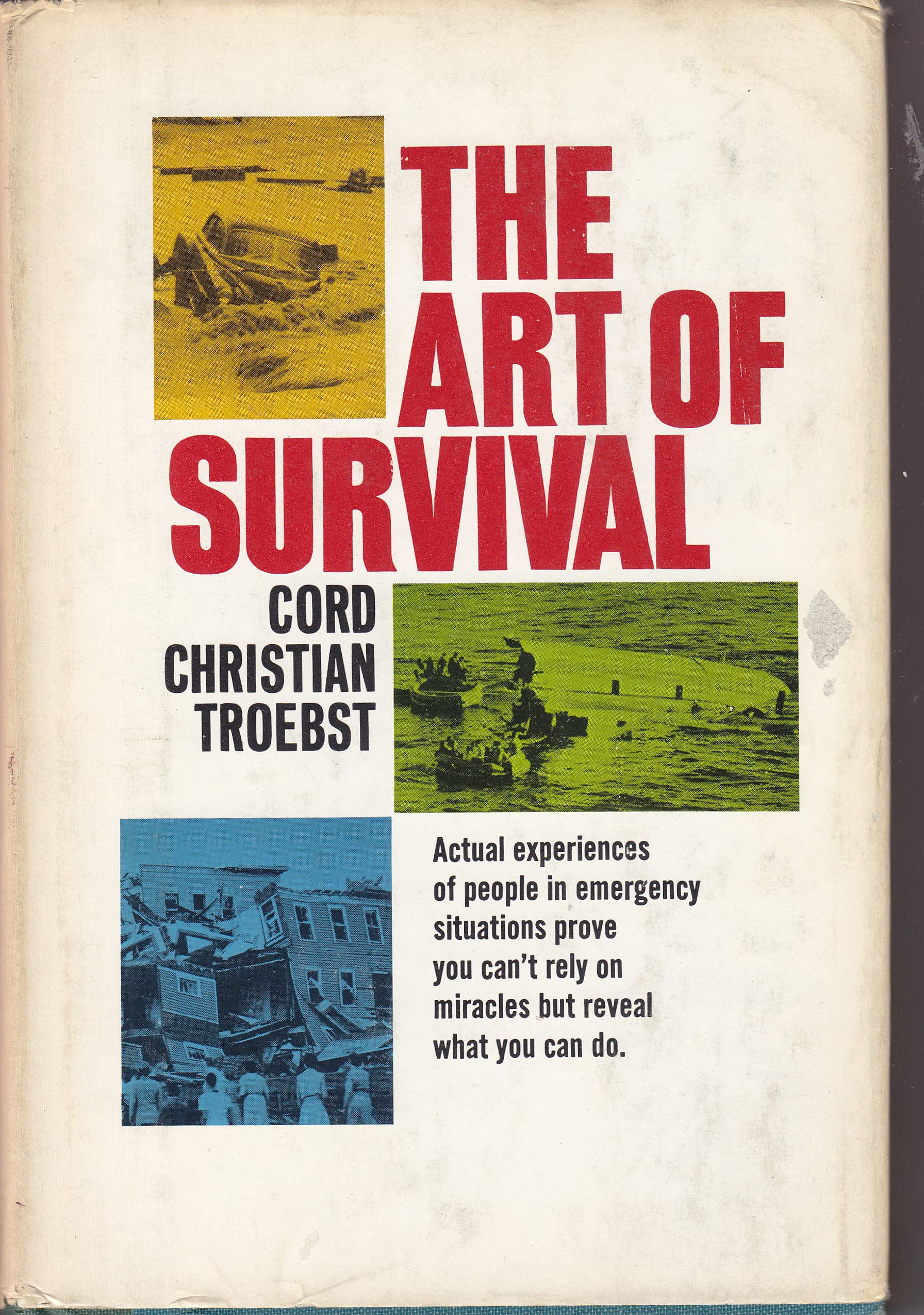
You get a broad, scenario-driven exploration of survival that reads like a field-tested primer rather than a hobbyist manual. The book moves through deserts, seas, polar regions and plane-crash scenarios, using real examples to illustrate principles you can apply in many environments. It’s useful as a study text to round out your preparedness knowledge and as a thoughtful reference when you want context for why certain choices matter in extreme conditions. If you prefer pragmatic lessons illustrated by real events, this one fits that niche.
What People Say
Readers consistently praise the book for its informative, example-driven approach and say the real-life stories make the lessons stick. Many find the writing engaging and applicable to modern situations, while a few wish for a tighter structure.
Overall, people appreciate the practical insights and the book’s long-standing relevance.
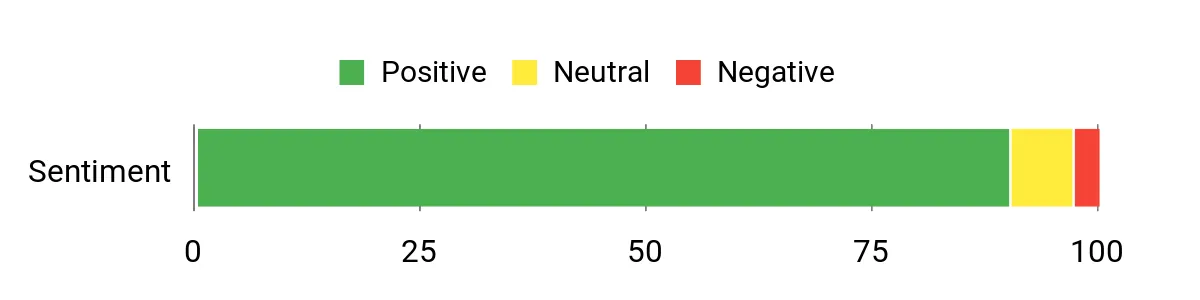
Overall Sentiment: Positive
Safety Focus
Highlights risk assessment, prioritizing shelter and water, practical signaling methods, and survival behaviors tailored to specific environments to reduce exposure and prevent common mistakes.
Problem Solving
Teaches you to assess environment-specific hazards, break problems into manageable steps, and apply proven tactics under pressure so you can make better decisions when conditions deteriorate.
Key Benefits
- Wide environmental coverage from sea to arctic
- Uses real cases to illustrate effective decisions
- Timeless common-sense guidance that ages well
- Readable structure that appeals to non-specialists
Rating: 4.8 (total: 8+)
FAQ
How Do I Choose The Right Survival Book?
Start by matching the book to your goals and environment: if you want hands-on techniques for immediate use, pick a field manual with clear steps, diagrams and a searchable index; if you want food knowledge, choose a foraging guide with strong identification details; if you want mindset and real-case lessons, look for first-person accounts. Pay attention to author experience, readability for your skill level, and whether the layout supports quick reference.
A practical mix of a concise manual and one narrative or specialty title usually covers both technique and context.
Can I Use These Books In The Field?
Yes, but treat them as references rather than substitutes for practice: mark key pages, consider a durable cover or laminated cheat sheets, and keep a pocket-sized first aid guide for emergencies. You should memorize critical procedures like basic wound care and fire-starting steps, then use the book to refresh details when needed. Always practice skills at home or on short trips so the book becomes a backup rather than your only plan.
Are Memoirs Useful For Learning Survival Skills?
Memoirs and firsthand accounts are valuable because they teach decision-making, improvisation and the mental habits that keep people alive under pressure, but they rarely replace a how-to manual for step-by-step techniques. Use narratives to build mental resilience and to see how principles apply in messy real situations, then pair them with practical guides for concrete procedures you can practice and replicate.
Reader Preferences
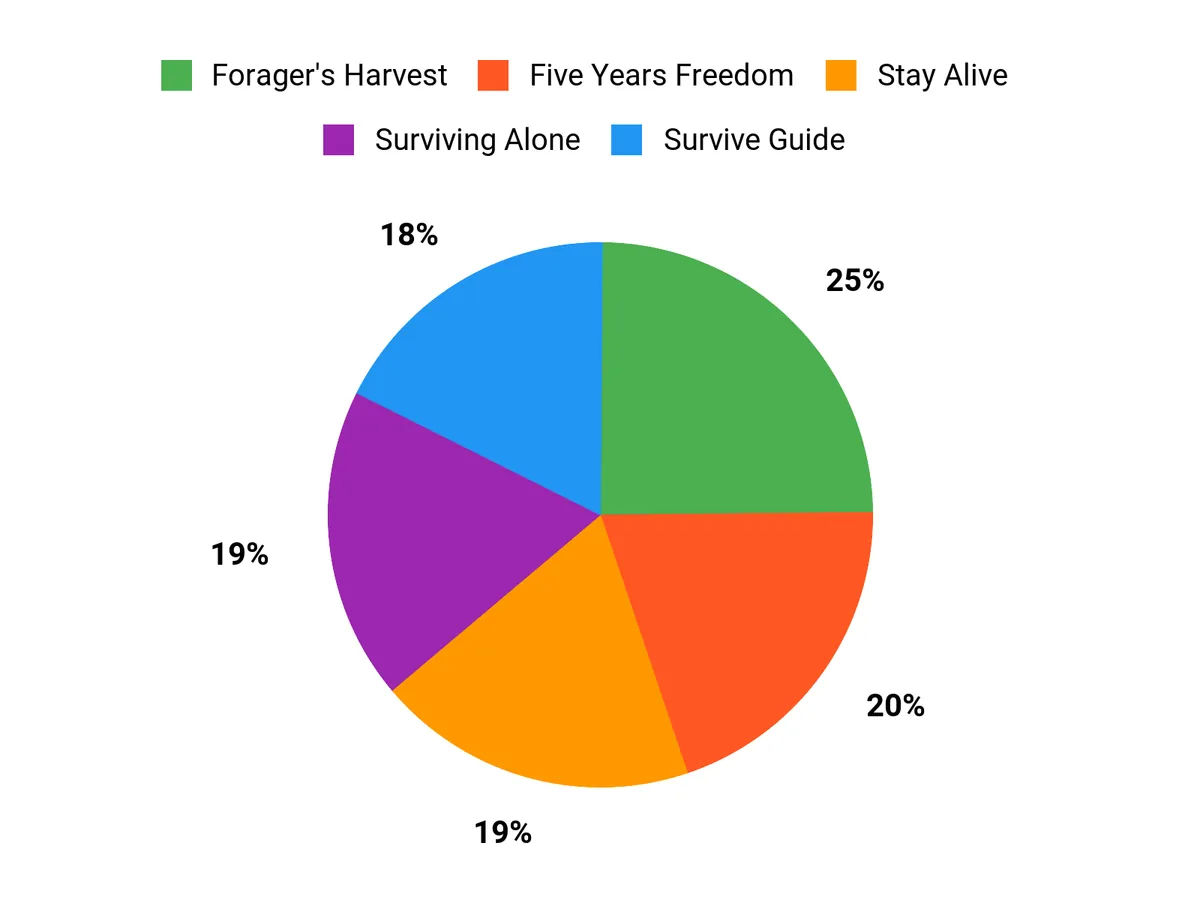
When choosing between Tom Brown Guide, Stay Alive, and Five Years Freedom, you typically weigh practical applicability, ease of instruction, and insight into survival mindset. You’ll reach for Tom Brown for hands-on fieldcraft and nature awareness, Stay Alive for clear beginner-friendly, step-by-step techniques, and Five Years Freedom when you want a real-world study of resilience and decision-making under extreme stress.
Wrapping Up
Pick the book that matches your priority so you get the most usable knowledge fast. If you want fieldcraft and tracking choose the classic guide. If you need step by step basics start with a beginner field manual. Foraging, medical response, and real life endurance each have focused titles that will shorten your learning curve and serve as reliable references when you are out of cell range.
With one or two of these books in your pack or shelf you will increase your preparedness, reduce risk, and gain the mindset that keeps you calm and effective when it counts.
This Roundup is reader-supported. When you click through links we may earn a referral commission on qualifying purchases.
