
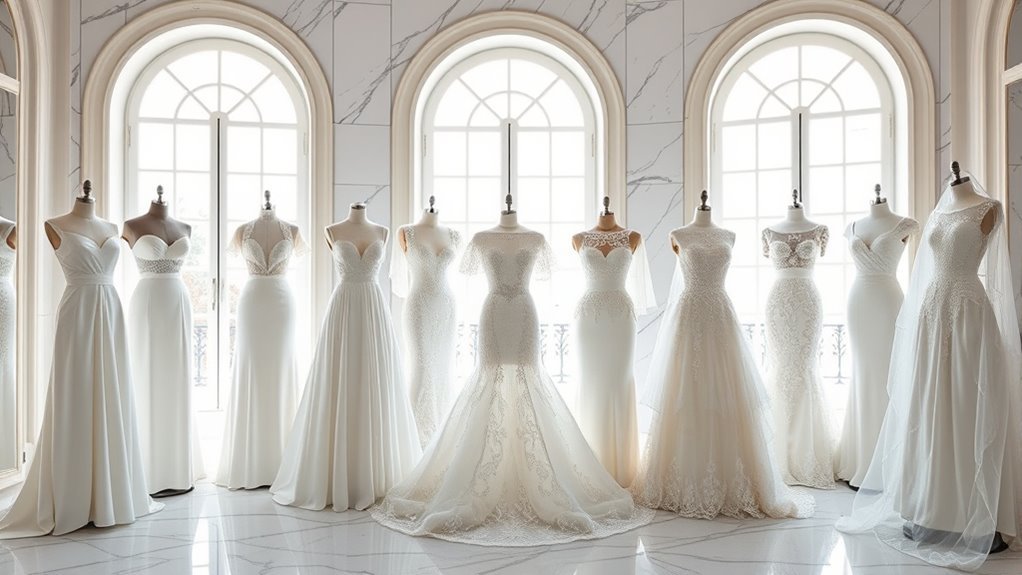
Last Updated on July 24, 2026 by Daniel Globe
Italian wedding dress designers are known for precise tailoring, expressive silhouettes, and fabrics that move beautifully. The strongest choice depends on your style: romantic, minimalist, sculptural, or couture. This guide compares leading Italian bridal houses, clarifies which names are Italian-born or simply based in Italy, and explains what to check before booking an appointment.
Quick Answer
For romantic detail, consider Alessandra Rinaudo or Elisabetta Polignano. For clean minimalism, look at Le Spose di Giò or Milan-based Peter Langner. Antonio Riva leads in sculptural drama, while Alberta Ferretti and Nicole Milano offer broader bridal ranges. Valentino belongs at the luxury-fashion end rather than the traditional bridal-boutique category.
Key Takeaways
- Choose by silhouette and construction first, not by designer name alone.
- Italian-made, Italian-founded, and Milan-based do not always mean the same thing.
- Exact prices, customization options, and delivery times vary by gown, boutique, country, and season.
- Start shopping early enough for ordering, fittings, alterations, accessories, and possible production delays.
Disclosure: As an Amazon Associate I earn from qualifying purchases. Some links on this page are affiliate links, at no extra cost to you.
What Sets Italian Wedding Dress Designers Apart?
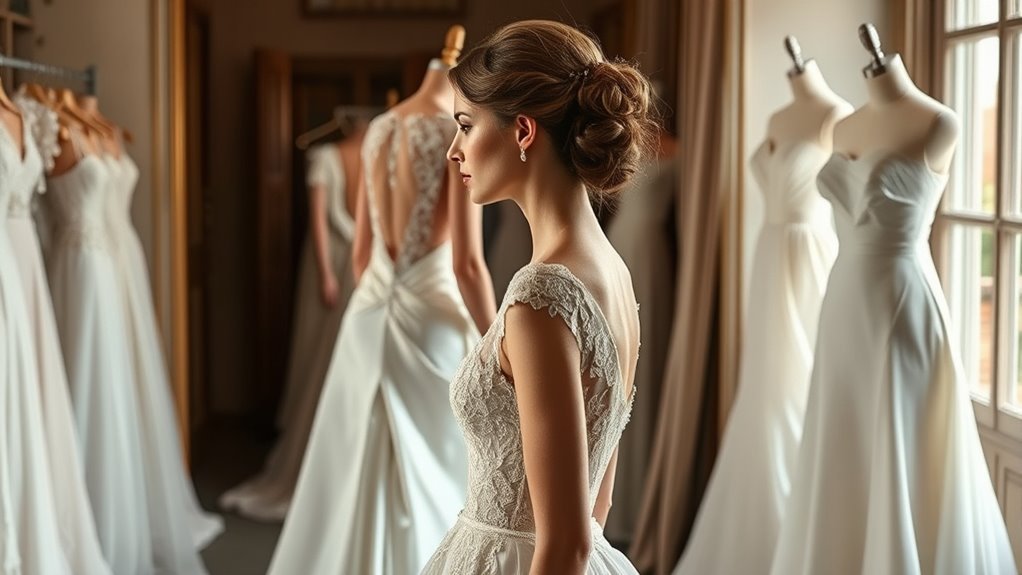
Italian bridal fashion often combines skilled pattern cutting with a strong sense of proportion. Rather than relying only on decoration, many Italian houses build interest through draping, structured bodices, clean seams, controlled volume, and carefully placed lace or embroidery.
- Tailoring: The fit is shaped through multiple appointments and alterations, especially for atelier-made gowns.
- Fabric: Mikado, organza, lace, tulle, chiffon, satin, and silk are used differently depending on whether the design needs softness or structure.
- Silhouette: Italian collections range from fluid slip dresses to architectural ball gowns and dramatic mermaid shapes.
- Personalization: Some ateliers offer made-to-measure work or model-specific changes, but the available options must be confirmed with the boutique.
Note: This list includes Italian designers and houses, plus Peter Langner, a German-born designer whose brand is headquartered and produced in Milan. Romona Keveža is retained as a comparison because the original list included her, but her label is North America–crafted and New York-based, not Italian.
Italian Wedding Dress Designers at a Glance
| Designer or House | Best For | Signature Direction | Important Detail |
|---|---|---|---|
| Alessandra Rinaudo | Romantic couture | Feminine shapes and detailed finishes | Currently linked with Aerenica as creative director |
| Peter Langner | Architectural minimalism | Clean lines and sculptural construction | German-born; Milan-based house |
| Alberta Ferretti | Soft, fluid elegance | Draping, light fabrics, and restrained detail | Current bridal range includes gowns and two-piece options |
| Antonio Riva | Sculptural drama | Mikado, organza, volume, and architectural bows | Ateliers in Milan and Rome |
| Elisabetta Polignano | Creative Italian tailoring | Light lines, lace, volume, and playful details | Brand describes its gowns as 100% Made in Italy |
| Le Spose di Giò | Understated luxury | Natural styling, clean cuts, and quiet detail | Founded in Monza in 1975 |
| Nicole Milano by Pronovias | Variety and boutique access | Princess, A-line, and mermaid gowns | Rebranded under Pronovias Group in 2025 |
| Valentino | Luxury fashion and couture | Couture-level gowns and statement finishes | Current site presents gowns and haute couture, not a standard bridal line |
Alessandra Rinaudo: Romantic Glamour for Modern Brides
Alessandra Rinaudo is an Italian bridal designer known for combining romantic detail with polished, body-aware construction. Her work suits brides who like lace, embroidery, defined waists, soft volume, and a clear sense of occasion without losing modern shape.
Her current creative work is connected with Aerenica, where the brand identifies her as creative director and describes the gowns as made in Italy. That current role is more useful to readers than presenting her only through older Nicole or Pronovias associations.
Best for: Brides who want expressive romance, detailed bodices, and a more couture-led look. Ask the stockist which collection is available, whether the sample can be altered to your measurements, and which design changes are approved for that specific gown.
Peter Langner: Clean Lines and Architectural Elegance
Peter Langner is best known for controlled draping, geometric structure, and gowns that look polished from every angle. His official brand history states that he was born in Hannover, studied couture in Paris, founded his label in Rome in 1989, and moved the atelier, production, and headquarters to Milan in 2015.
The current Peter Langner Milano bridal collection emphasizes minimal lines, architectural inspiration, tailoring, and comfort. This makes the house a strong choice for brides who prefer form, proportion, and fabric engineering over heavy embellishment.
Best for: Modern minimalists, formal city weddings, and brides who want a sculptural gown with a disciplined finish. Prices are not published consistently across official pages, so request a current quote from an authorized atelier instead of relying on a universal starting price.
Alberta Ferretti: Dreamy, Ethereal Bridal Style
Alberta Ferretti offers a softer approach to bridal dressing. The house’s current bridal collection includes long dresses and two-piece looks, with silk, satin, lace, chiffon, and other fluid fabrics appearing across the range.
| Style | Effect | Best Match |
|---|---|---|
| A-line | Easy drape and balanced shape | Classic or outdoor weddings |
| Full gown | Soft volume and ceremony | Formal venues |
| Minimal or two-piece | Clean, relaxed refinement | Civil, intimate, or second looks |
Best for: Brides who value movement, a lighter visual effect, and designs that can feel less rigid than traditional corseted bridalwear. Because some items are sold through the fashion collection rather than a made-to-order bridal salon, check sizing, return rules, alteration limits, and availability before buying.
Antonio Riva: Sculptural Italian Wedding Dress Design
Antonio Riva is a strong choice when the dress itself needs to create the visual drama. His work often uses mikado and organza to form controlled volume, sweeping lines, sculptural folds, and statement backs. The official 2026 Urban Dream collection continues that architectural direction with geometric shapes, fluid silhouettes, and structured fabric.
The house offers appointments at its Milan and Rome ateliers and describes its gowns as custom-created. That does not mean every detail can be changed without limit, so confirm the allowed neckline, sleeve, train, fabric, and sizing changes before paying a deposit.
Best for: Grand venues, formal ceremonies, and brides who want clean drama rather than dense sparkle. When trying on a gown, sit, walk, turn, and practice using stairs because a sculptural skirt can feel different in motion than it looks on a platform.
Elisabetta Polignano: Lace, Embroidery, and Movement
Elisabetta Polignano combines Italian tailoring with an experimental spirit. The brand describes its gowns as 100% Made in Italy and connects its design language to freedom, personality, and made-to-measure fit.
Her collections can move between minimal shapes and theatrical elements such as oversized sleeves, layered skirts, three-dimensional lace, flowers, contrasting details, and unusual volume. This range makes the label useful for brides who do not fit neatly into “classic” or “bohemian” categories.
Best for: Brides who want artisanal detail with individuality and movement. The original article’s fixed starting-price claim could not be verified through the official brand, so obtain a written boutique quote that separates the gown, customization, alterations, rush fees, delivery, and accessories.
Le Spose di Giò: Understated Italian Bridal Luxury
Le Spose di Giò is built around restraint, clean cuts, and a natural-looking finish. The house celebrated its 50th anniversary in 2025. Its official history explains that Giovanna De Capitani opened the first atelier in Monza in 1975, and her sister Marisa joined soon afterward as an artistic force.
The current collections use Italian fabrics and offer atelier fittings and personalization. The look is especially suitable for brides who want silk, organza, lace, or mikado to carry the design without excessive decoration. Explore the house’s official collections and atelier locations before planning a visit.
Best for: Quiet luxury, refined civil ceremonies, destination weddings, and brides who want the gown to enhance rather than transform them. Pricing depends on the model and atelier, so the former universal $5,000 starting figure should not be treated as reliable.
Romona Keveža: A Non-Italian Comparison
Romona Keveža creates luxury bridal gowns with classic lines, polished fit, and red-carpet confidence. However, she should not be classified as an Italian wedding dress designer. The official brand states that the label was founded in 1999, is master-crafted in North America, and operates from New York.
| Feature | Effect | Benefit |
|---|---|---|
| Lacework | Controlled detail | Classic texture |
| Silk and structured fabrics | Polished drape | Formal presence |
| Minimal silhouettes | Clean outline | Timeless photographs |
| Statement details | Focused drama | Red-carpet effect |
| Precise fit | Defined shape | Confident movement |
Best for: Brides comparing Italian minimalism with North American luxury bridal design. Review the official Romona Keveža brand profile and use the retailer locator or direct consultation process to confirm current collections.
Nicole Milano by Pronovias: Modern Italian Bridal Variety
Nicole Milano remains an Italian bridal label, but its current name and positioning need an update. In March 2025, the brand announced a rebranding as Nicole Milano by Pronovias, combining its Italian identity with Pronovias Group’s international network.
The current collection covers princess, A-line, mermaid, and more fluid silhouettes, with model-specific fabrics such as mikado, lace, organza, chiffon, crepe, and tulle. Some product pages list possible changes to train length, sleeve length, or neckline, but customization depends on the model.
Best for: Brides who want a wide selection and access to a larger boutique network. Nicole Milano recommends ordering many gowns about nine to twelve months before the wedding, although ready-to-wear or take-home options may also exist. Confirm the timeline for your exact dress and location.
Valentino: Couture-Level Luxury for Bridal Dressing
Valentino is an Italian luxury fashion house with a major couture heritage, but the current official website does not present a conventional, permanent bridal collection in the same way as a specialist bridal label. Instead, it features luxury gowns, white dresses when available, and haute couture collections that may inspire bridal dressing.
Valentino Craftsmanship and Current Availability
The original statement that Valentino’s “bridal collection” was founded in 1960 confuses the founding of the fashion house with a dedicated bridal line. A more accurate approach is to review the current Valentino gown selection and contact the house directly about boutique availability, sizing, special orders, or couture services.
Best for: Brides seeking a fashion-house gown, reception look, civil-ceremony dress, or couture-level statement rather than a standard bridal-salon process.
Timeless Couture Details
Valentino gowns may use embroidery, feathers, cady, satin, chiffon, tulle, and other high-fashion materials. The exact fabrics and finishes change by collection, so avoid assuming every gown can be ordered in white or adapted as a wedding dress. Check the product description, boutique policy, production time, and alteration options for the specific piece.
The best designer is not the one with the most famous name. It is the one whose pattern, structure, and fabric support your body, venue, movement, and wedding plans.
How to Choose the Right Italian Wedding Dress Designer
- Define the silhouette: Decide whether you feel best in A-line, ball gown, mermaid, column, or a shorter civil style.
- Match the fabric to the venue: Mikado and organza create structure; chiffon and lighter silks move more easily in heat or outdoor settings.
- Check where the gown is available: A beautiful collection is not useful if no authorized boutique can order it in your country or size.
- Ask what can be changed: Confirm sleeves, neckline, train, lining, color, closure, cup support, and hem options before placing the order.
- Get the full cost in writing: Include the dress, tax or VAT, shipping, fittings, alterations, rush fees, veil, overskirt, detachable pieces, and storage.
- Test real movement: Sit, walk, raise your arms, turn, and practice stairs. Comfort problems rarely improve after several hours of wear.
Pro Tip: Bring the shoes or heel height you expect to wear and use nude, smooth undergarments for fittings. Ask whether the sample’s structure, cups, and lining match the gown you will actually receive.
Timeline, Budget, and Alterations
A practical shopping window for many made-to-order gowns is about nine to twelve months before the wedding. This allows time for production, delivery, fittings, and alterations. Some designers or boutiques can work faster, while highly customized or couture orders may need longer.
Do not rely on one universal “Italian wedding dress price.” Official retail pages show that ready-to-wear bridal-friendly dresses can cost far less than atelier couture, while custom houses often provide prices only after a consultation. Set a total wardrobe budget and reserve part of it for alterations, accessories, shoes, undergarments, steaming, and transport.
Warning: Before paying a nonrefundable deposit, confirm the designer, style number, size ordered, color, fabric, approved modifications, estimated delivery date, cancellation terms, alteration responsibility, and what happens if the gown arrives late or damaged.
Frequently Asked Questions
Who are leading Italian wedding dress designers?
Well-known Italian names include Alessandra Rinaudo, Alberta Ferretti, Antonio Riva, Elisabetta Polignano, Le Spose di Giò, Nicole Milano by Pronovias, and Valentino for luxury-fashion gowns. Peter Langner is also important in Milan bridal fashion, although he is German-born.
What are some of the most famous Italian fashion houses?
Valentino, Dolce & Gabbana, Giorgio Armani, Prada, Versace, and Alberta Ferretti are among Italy’s widely recognized fashion houses. Not all operate as traditional bridal specialists, so check whether the current collection includes wedding-appropriate gowns or couture services.
How much does a wedding dress cost in Italy?
There is no single reliable national price. Ready-to-wear dresses may start below the cost of a made-to-order bridal gown, while custom atelier and couture work can rise sharply. Ask for a written total that includes VAT, alterations, delivery, accessories, and any customization.
What designer made Meghan Markle’s wedding dress?
Clare Waight Keller designed Meghan Markle’s 2018 wedding dress for Givenchy. The Royal Family’s official account describes the gown’s open bateau neckline, six carefully placed seams, three-quarter sleeves, and silk-cady construction.
How far in advance should I order a designer wedding dress?
Nine to twelve months is a useful planning window for many made-to-order gowns. Your designer, boutique, location, and customization level may require more or less time, so confirm the production and alteration schedule before ordering.
Are wedding dress alterations included in the price?
Often they are not. Some boutiques include limited fittings, while others charge separately for hemming, bodice work, sleeve changes, bust support, bustle creation, or rush service. Request the alteration policy and estimated cost before paying a deposit.
Conclusion
The best Italian wedding dress designer is the one whose construction, fabric, and service match your body and wedding plans. Choose Alessandra Rinaudo or Elisabetta Polignano for expressive romance, Peter Langner or Le Spose di Giò for cleaner lines, Antonio Riva for sculptural impact, and Alberta Ferretti or Nicole Milano for broader style options. Verify current availability, total cost, delivery timing, and alteration terms before committing.
Sources
- Peter Langner: Brand History — designer background, Rome founding, and Milan headquarters.
- Alberta Ferretti Bridal Collection — current bridal gowns, suits, fabrics, and retail range.
- Antonio Riva Milano: Urban Dream 2026 — current bridal collection, silhouettes, and signature materials.
- Elisabetta Polignano: The Brand — Made in Italy production, history, and tailoring philosophy.
- Le Spose di Giò: 50-Year History — 1975 founding and the roles of Giovanna and Marisa De Capitani.
- Nicole Milano by Pronovias — official 2025 rebranding and current brand position.
