Last Updated on September 27, 2026 by Daniel Globe
Italian kitchen brands are known for thoughtful design, skilled manufacturing, and kitchen systems that combine storage with attractive finishes. Whether you prefer minimalist cabinetry, professional-style stainless steel, or a warm open-plan kitchen, understanding what each manufacturer offers can help you make a better choice. This guide compares the leading names, their materials, customization options, and important buying considerations.
Quick Answer
Boffi, Molteni&C Kitchens (Dada Engineered), Arclinea, Poliform, and Valcucine are prominent Italian luxury kitchen manufacturers. Scavolini offers a broad selection of customizable kitchens, while Snaidero and Cesar provide distinctive contemporary designs. Compare each brand’s cabinet construction, storage systems, materials, installation support, and complete project quotation before deciding.
Key Takeaways
- A kitchen’s price depends on its layout, cabinetry, worktops, appliances, installation, and imported components.
- Solid wood, wood veneer, engineered panels, glass, and stainless steel serve different purposes. A more expensive material is not automatically better for every component.
- Test drawer runners, hinges, door openings, and storage accessories before choosing a design.
- Request an itemized quotation that separates the kitchen furniture from appliances, worktops, delivery, and installation.
Disclosure: As an Amazon Associate I earn from qualifying purchases. Some links on this page are affiliate links, at no extra cost to you.
What Makes Italian Kitchen Brands Stand Out?
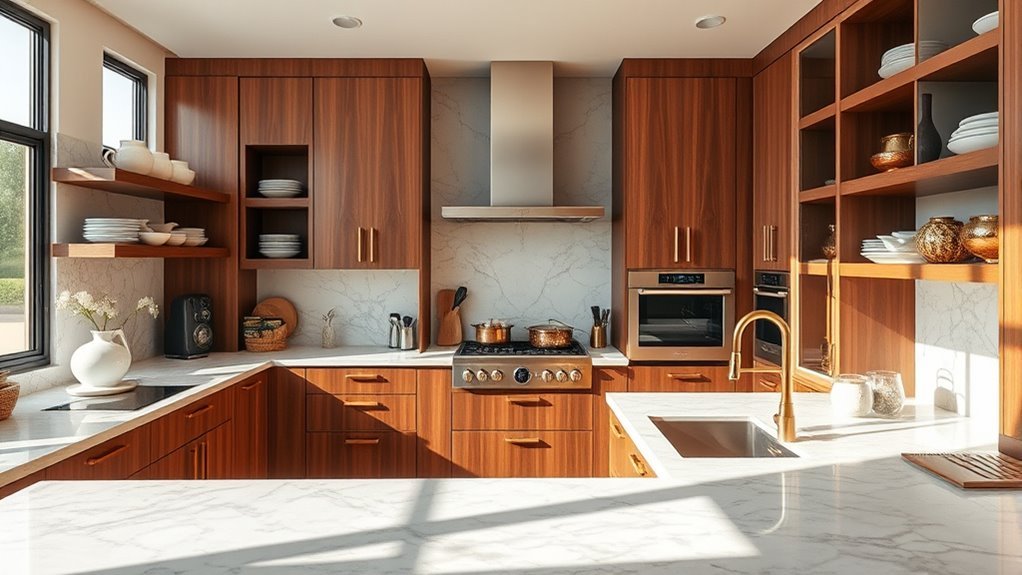
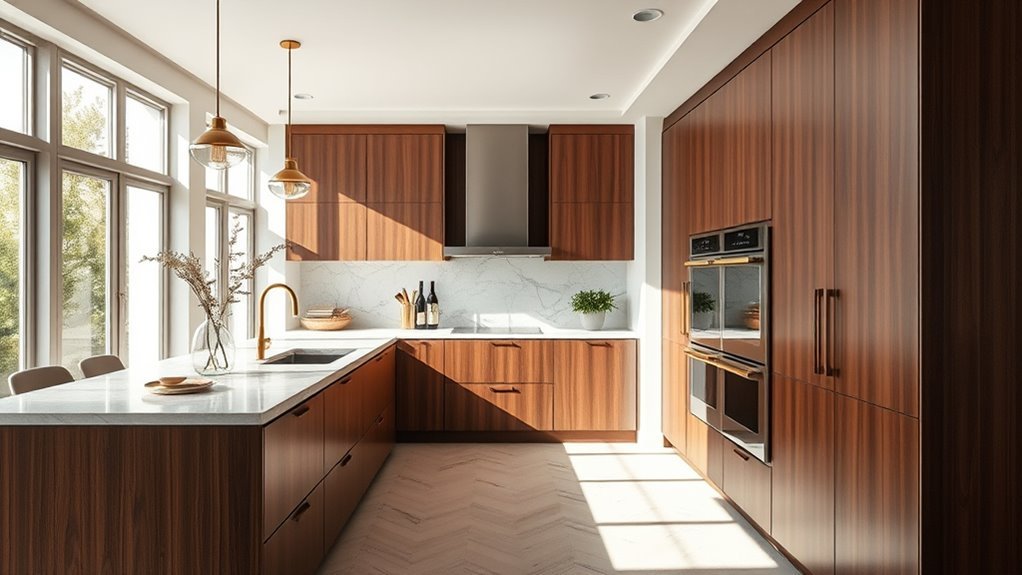
Italian kitchen manufacturers are particularly associated with coordinated design systems. Cabinets, worktops, storage, lighting, and surrounding furniture can form a consistent interior rather than appearing as separate products.
Many established manufacturers combine traditional woodworking with modern production methods. Their collections often offer several layouts, door finishes, worktop materials, and storage configurations.
Common characteristics include:
- Modular construction: Cabinet units can be combined to suit different floor plans.
- Material variety: Options may include natural wood, lacquer, stainless steel, glass, stone, and engineered surfaces.
- Integrated storage: Pull-out drawers, concealed appliances, organizers, and tall pantry units reduce visible clutter.
- Ergonomic planning: Work surfaces and storage can be arranged around how you prepare food, cook, and clean.
- Coordinated interiors: Kitchen finishes can complement nearby dining and living spaces.
Italian manufacturing does not guarantee that every kitchen has the same construction quality. Cabinet specifications, hardware, installation, and maintenance still matter.
Boffi: Minimalist Design and Smart Innovation
Founded in 1934, Boffi is known for architectural kitchen systems with clean lines and carefully considered details. Its collections appeal to homeowners who prefer a minimalist interior with extensive design flexibility.
The brand works with established designers, including Piero Lissoni and Patricia Urquiola. Its designs range from compact kitchens to large, highly customized installations.
| Feature | What It Offers |
|---|---|
| Salinas modularity | Flexible layouts and coordinated material combinations |
| Corian® finishes | Smooth contemporary surfaces where available in the selected collection |
| Minikitchen | A compact kitchen unit designed for flexible use |
| Designer collaborations | Distinctive forms and practical design solutions |
| Global showrooms | Access to specialist design consultations |
Salinas: Flexible Modular Design
Patricia Urquiola designed the Boffi Salinas kitchen system around an adaptable structure that allows different materials and colors to work together.
Its open construction and folding-door options offer ways to organize or conceal working areas. The available material combinations also allow the kitchen to become part of a larger architectural design.
Minikitchen: Compact Design
The Boffi Minikitchen was designed by Joe Colombo in 1963. It combines essential kitchen functions within a compact, mobile unit.
The design includes cooking, refrigeration, storage, and preparation features. It remains an important example of how kitchen furniture can support smaller living spaces.
For a full-size home kitchen, compare Boffi’s available configurations against your floor plan. Its minimalist appearance should still provide enough preparation space and accessible storage for everyday use.
Dada Kitchens: Heritage Meets Modern Luxury
Dada’s history dates to 1926, when the company began as a carpentry business. Its technical expertise later became part of the Molteni Group’s approach to high-end kitchen manufacturing.
Today, its heritage is represented through Molteni&C Kitchens, Dada Engineered. This branding is useful to know when searching for collections or speaking with dealers.
The kitchens combine architectural forms with detailed manufacturing, coordinated finishes, and practical storage systems.
Ratio and VVD Collections
The Ratio kitchen by Vincent Van Duysen uses a structured composition of cabinets, worktops, and metal profiles. Its design brings together open and closed elements while maintaining a consistent architectural appearance.
The VVD collection also uses contrasting materials and carefully proportioned components. It combines substantial worktops with slim side elements, integrated handles, and practical storage.
The VVD kitchen received the 2017 EDIDA award in the Kitchen category.
Dada’s design history also includes the Armani/Dada collaboration, which brought fashion-inspired materials and finishes into kitchen interiors.
If you are considering a Dada kitchen, compare the specific collection rather than relying on the brand’s historical reputation alone. Cabinet dimensions, accessories, materials, and the installation quotation determine how well the kitchen fits your home.
Arclinea: Precision Stainless Steel Kitchens
Arclinea is particularly associated with professional-style domestic kitchens. Its designs use stainless steel, substantial work surfaces, and organized preparation areas to support serious home cooking.
The brand combines these practical features with contemporary furniture design and customizable layouts.
What Makes the Italia Kitchen Different?
The Arclinea Italia collection, designed by Antonio Citterio and introduced in 1988, brought professional kitchen features into residential spaces.
Its defining elements include:
- Extensive use of stainless steel.
- Deep worktops for food preparation.
- Integrated handles and organized storage.
- Island configurations that support cooking and social interaction.
- Coordinated appliance, washing, and preparation areas.
Stainless steel is durable, hygienic, and relatively easy to clean. However, fingerprints and surface scratches can remain visible, especially on large exposed worktops.
For a household that cooks frequently, Arclinea’s approach is worth comparing with kitchens that prioritize concealed appliances and decorative finishes.
Poliform: Open-Plan Kitchens With Style
Poliform designs contemporary kitchens that can coordinate with the surrounding living and dining areas. Its modular systems offer a choice of finishes, cabinet arrangements, and integrated storage.
The brand is particularly relevant when your kitchen forms part of a larger open-plan interior.
Open-Plan Functionality
An open-plan kitchen needs to work as both a cooking area and a visible part of the home. Poliform addresses this through coordinated furniture, organized storage, and carefully designed cabinet fronts.
Its Alea Pro collection uses defined horizontal and vertical lines, integrated opening channels, and a broad selection of materials.
Configurations can combine a central island, wall cabinets, tall storage, and display elements.
When planning an open kitchen, make sure appliance doors and drawers can open without blocking circulation. Storage placement should also support the movement between refrigeration, preparation, cooking, and cleaning.
Seamless Living Integration
Poliform’s coordinated furniture approach allows the kitchen to share materials and colors with nearby living spaces. Wood finishes, lacquered surfaces, glass, and metal details can create a consistent appearance.
Concealed storage helps keep appliances and everyday supplies out of sight when they are not in use.
For a home where the kitchen is visible from the living room, consider how cabinet fronts, lighting, and worktop finishes look from both spaces.
Also consider ventilation and cooking noise. A visually attractive open layout still needs effective extraction and practical appliance placement.
Valcucine: Ergonomic and Sustainable Design
Valcucine focuses on ergonomic planning, material efficiency, and kitchen systems designed for long-term use. Its approach combines practical storage with research into materials and environmental impact.
The company has developed kitchen components using glass, aluminum, and other materials selected for their durability and potential for reuse or recycling.
How Does the Logica System Work?
The Logica System organizes kitchen equipment within an accessible working area. Its features include equipped back sections, deep pull-out drawers, and wall cabinets with lift-up doors.
These arrangements help keep frequently used items close to the preparation surface.
Related systems, including New Logica and Air Logica, offer additional ways to organize or conceal kitchen equipment.
Materials and Sustainability
Valcucine’s sustainability approach emphasizes reducing material use, improving durability, and designing components that can be dismantled and separated.
The company also describes the use of recyclable materials and attention to responsible material sourcing.
- Modular configurations that can support different working routines.
- Accessible storage and organized preparation areas.
- Glass and aluminum components in selected systems.
- Design choices intended to support long product life.
Environmental features vary by collection and component. Ask for material specifications and relevant product documentation when comparing options.
Scavolini: Quality Italian Kitchens on a Budget
Scavolini offers a broad range of Italian kitchen collections with different styles, finishes, and configurations. Its modular approach makes it a useful option when you want design flexibility while controlling project costs.
The company began in Pesaro in 1961 as a small workshop producing modular kitchens.
Affordable Italian Style
Scavolini offers modern and traditional designs, allowing you to select a style that suits your home without committing to a highly specialized architectural kitchen.
Its company history and product approach emphasize functional kitchen furniture, manufacturing development, and competitive pricing.
Potential advantages include:
- A wide selection of kitchen styles.
- Customizable finishes and cabinet arrangements.
- Storage options for different room sizes.
- Coordinated kitchen and living furniture.
Scavolini also places emphasis on environmental management and accessible kitchen design.
However, affordability depends on the selected collection and configuration. Premium finishes, worktops, appliances, and special accessories can increase the total significantly.
Functional Design Options
Scavolini’s modular systems allow homeowners to adapt cabinet arrangements to different spaces. This flexibility is useful for compact kitchens, open-plan rooms, and renovations with fixed plumbing locations.
| Feature | Benefit | Practical Impact |
|---|---|---|
| Modular layouts | Adapt cabinetry to the room | Improved circulation |
| Hidden storage | Keep supplies organized | Less visible clutter |
| Integrated technology | Coordinate appliances and accessories | More convenient cooking |
The brand’s Utility System also addresses accessibility through adaptable kitchen components.
When comparing collections, pay attention to the cabinet construction, door finish, and included accessories. Two kitchens with similar appearances may have different specifications and prices.
Snaidero and Cesar: Contemporary Style Options
Snaidero and Cesar both offer Italian contemporary kitchens, but their collections express different design ideas. Snaidero is associated with recognizable shapes and designer collaborations, while Cesar offers modular systems with distinctive architectural details.
Snaidero: Sculptural Forms and Customization
Snaidero has developed kitchens with designers including Pininfarina.
Its Icone collection includes the Ola kitchen, known for curved elements and sculptural forms.
The design combines distinctive shapes with practical cabinet arrangements and integrated work surfaces.
Snaidero is worth considering if you want a contemporary kitchen with a strong visual identity rather than a purely rectangular, minimalist appearance.
Cesar: Modular Kitchens and Organized Storage
Cesar offers several contemporary kitchen systems, including Tangram, Maxima 2.2, Unit, N_Elle, and Intarsio.
Its kitchen collections provide different approaches to cabinet forms, materials, and space planning.
Maxima 2.2 emphasizes flexible compositions, while Unit explores the relationship between kitchen furniture and surrounding living spaces.
Cesar also offers storage accessories designed to organize drawers, cabinets, and tall units.
Compare both manufacturers by looking at how their systems work in your actual floor plan. An attractive island or cabinet arrangement is only useful if it leaves enough room for cooking and everyday movement.
How to Compare Italian Kitchen Brands by Materials, Price, and Customization
Comparing Italian kitchen brands requires more than looking at showroom photographs. Cabinet construction, worktop materials, fittings, customization, and installation all influence the finished kitchen.
Start by requesting comparable specifications from each manufacturer or dealer.
Compare Cabinet and Worktop Materials
Different materials offer different advantages. Consider where each material will be used and how much maintenance it requires.
| Material | Main Advantage | Consideration |
|---|---|---|
| Solid wood | Natural appearance and repair potential | Can respond to changes in moisture and temperature |
| Engineered panels | Stable construction and finish flexibility | Quality depends on the core, coating, and edge protection |
| Stainless steel | Durable and hygienic work surfaces | Fingerprints and scratches may be visible |
| Natural stone | Distinctive appearance and texture | Maintenance depends on the stone and finish |
| Glass | Smooth surfaces and contemporary styling | Edges and impact resistance need consideration |
| Lacquered finishes | Wide selection of colors and surface effects | Damage and repair requirements vary by finish |
Remember that a cabinet door and its internal structure may use different materials. A natural wood exterior does not necessarily mean every component is solid wood.
Understand the Complete Kitchen Price
The original article’s broad planning estimates place more accessible Italian kitchen projects around $20,000, with luxury projects starting around $35,000 and elaborate installations potentially exceeding $200,000.
These figures are indicative planning benchmarks, not verified manufacturer price lists or guaranteed installed costs.
The final quotation depends on:
- Kitchen dimensions and cabinet quantities.
- Selected door and worktop materials.
- Drawer mechanisms and storage accessories.
- Appliance brands and specifications.
- Delivery, import-related costs, and installation.
- Required plumbing, electrical, and building work.
Ask each dealer to identify what the quotation includes. A cabinetry-only price should not be compared directly with a complete installed kitchen.
Evaluate Customization and Installation
Brands such as Boffi and Poliform offer extensive design flexibility, while Valcucine places particular emphasis on ergonomic storage.
However, the level of customization may vary between collections.
Before ordering, confirm:
- Available cabinet dimensions and any custom-size restrictions.
- Door and worktop finish compatibility.
- Appliance integration requirements.
- Delivery and installation responsibilities.
- Warranty coverage and replacement-part availability.
A showroom visit allows you to inspect materials, open cabinets, and compare hardware. It also helps you identify whether the proposed design is comfortable to use.
Choosing the Right Italian Kitchen for Your Home
The right Italian kitchen depends on how you use the room, the available floor space, your preferred design, and your budget. Choose the layout and practical features before committing to decorative finishes.
Start with the activities your kitchen must support, then compare collections that meet those requirements.
Style and Function Fit
Each manufacturer offers a different design direction. Matching those characteristics to your home makes the comparison more useful.
- Boffi: Architectural minimalism and flexible design systems.
- Molteni&C Kitchens: Refined materials and structured contemporary forms.
- Arclinea: Professional-style work areas and stainless steel.
- Poliform: Coordinated open-plan interiors.
- Valcucine: Ergonomic storage and material-conscious design.
- Scavolini: Broad styling options and modular customization.
- Snaidero: Recognizable designer-led forms.
- Cesar: Contemporary modular systems and organized storage.
Fendi Cucine offers another luxury design direction. The Fendi and SCIC collaboration introduced kitchen collections in 2018, combining technical construction with distinctive materials and fashion-inspired detailing.
Aran Cucine is another option for homeowners seeking customizable Italian kitchen furniture.
For a compact room, prioritize accessible storage and adequate preparation space. For a large household, consider how multiple people will move between cooking, washing, and serving areas.
Budget and Material Choices
Your budget should account for the complete project, not just the visible cabinetry. Materials influence both appearance and long-term maintenance.
| Category | Material or System | Main Consideration |
|---|---|---|
| Entry | Engineered panels | Construction quality and finish durability |
| Mid | Solid wood or wood veneer | Natural appearance and maintenance |
| High | Stainless steel and premium finishes | Durability, detailing, and fabrication |
| Small spaces | Modular systems | Storage efficiency and circulation |
| Eco-minded | Documented sustainable materials | Material sourcing, durability, and recyclability |
Scavolini, Poliform, Aran Cucine, and Valcucine provide different customization approaches, allowing you to compare practical requirements alongside appearance.
Choose finishes that suit your actual cooking habits. A surface that looks attractive in a showroom may require more cleaning or care than you want to manage every day.
What Kitchen Colors Are Relevant in 2026?
Warm neutrals, natural wood finishes, greens, and blues are prominent directions in contemporary kitchen design.
The NKBA’s 2026 Kitchen Trends Report found that 96% of surveyed industry professionals identified neutrals as popular kitchen colors. Green received 86%, while blue received 78%.
These figures describe professional expectations, not the percentage of homeowners choosing each color.
Popular design directions include:
- Warm beige and creamy white cabinetry.
- Muted green and dusty blue accents.
- Natural wood grain and walnut-inspired finishes.
- Navy cabinetry for deeper contrast.
- Terracotta and earthy decorative details.
- Matte and satin surfaces.
Plum and deep red can also work as accent colors, although they are more individual design choices.
For a long-term kitchen investment, consider using stronger colors on easily changed elements while keeping the main cabinetry coordinated with the rest of your home.
Frequently Asked Questions
What Are the Best Italian Home Brands?
Boffi, Molteni&C, Poliform, Cassina, and B&B Italia are established names in Italian home design. For kitchen-specific collections, also consider Arclinea, Valcucine, Scavolini, and Snaidero. The right choice depends on whether you need complete home furniture, kitchen cabinetry, or an integrated interior design.
Who Makes the Highest Quality Kitchen Cabinets?
Boffi, Arclinea, Molteni&C Kitchens, Poliform, and Valcucine are established manufacturers offering premium kitchen systems. Compare cabinet construction, hinges, drawer runners, finishes, and warranty terms rather than choosing by brand reputation alone. Installation quality also affects how well cabinets perform over time.
What Are the Top 10 Italian Luxury Brands?
For luxury interiors and kitchen design, ten names to explore are Boffi, Dada, Fendi Cucine, Arclinea, Poliform, Armani, Molteni&C, Cassina, Minotti, and B&B Italia. Their product ranges differ, so distinguish dedicated kitchen manufacturers from broader furniture and lifestyle brands.
What Color Kitchens Are in for 2026?
Warm neutrals, natural wood finishes, muted greens, and blues are prominent kitchen color directions for 2026. Terracotta, plum, and deep red can provide accents. Matte and satin finishes suit many contemporary designs, but the best combination depends on your room’s lighting and surrounding materials.
Do Italian Kitchens Use Solid Wood Cabinets?
Italian kitchens may combine solid wood, wood veneer, engineered panels, metal, and glass. The visible door material is not necessarily the same as the cabinet’s internal structure. Request the technical specifications for the selected collection to understand exactly what you are purchasing.
What Should I Ask Before Ordering an Italian Kitchen?
Request an itemized quotation, complete cabinet specifications, available finishes, installation details, warranty coverage, and replacement-part information. Confirm appliance compatibility and final measurements before approving production. These details help prevent unexpected expenses and ensure the finished kitchen matches your requirements.
Conclusion
Choosing an Italian kitchen brand starts with understanding how each manufacturer approaches design, materials, and daily function. Compare the collections that suit your space, then examine their construction, storage, and complete installed costs.
A well-planned kitchen should look appropriate in your home while remaining comfortable, practical, and durable for everyday use.
Sources
- Boffi — Salinas: Designer, modular construction, and customization.
- Boffi — Minikitchen: Joe Colombo’s compact kitchen design and its history.
- Molteni&C — Kitchen Collections: Dada Engineered branding and kitchen collections.
- EDIDA — 2017 Kitchen Award: Recognition of the VVD kitchen by Vincent Van Duysen.
- Arclinea — Italia: Stainless steel construction and professional-style kitchen features.
- Poliform — Alea Pro: Modular design, finishes, and storage configurations.
- Valcucine — Sustainability: Material efficiency, recyclability, and environmental design.
- Scavolini — Company: Company history, manufacturing, and kitchen design approach.
- Snaidero — Icone: Designer-led kitchen collections and Ola.
- Cesar — Collections: Kitchen systems and modular design options.
- SCIC — Fendi Cucine: Fendi and SCIC kitchen collaboration.
- NKBA — 2026 Kitchen Trends Report: Kitchen colors, materials, and design trends.