
Last Updated on July 23, 2026 by Daniel Globe
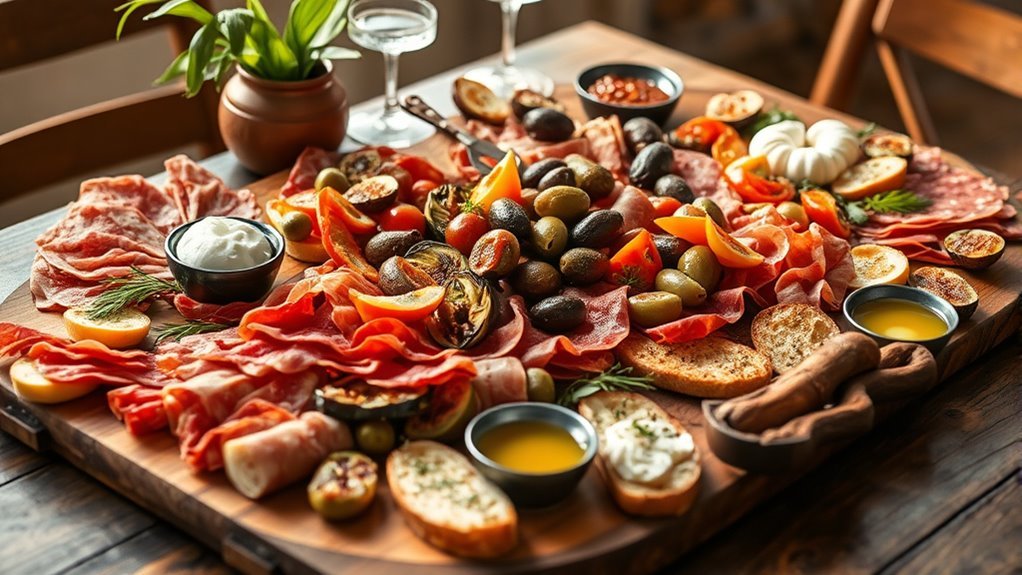
Italian appetizers work best when you combine a few fresh, room-temperature bites with one or two warm dishes. A balanced spread might include Caprese skewers, tomato bruschetta, an antipasto platter, marinated vegetables, stuffed peppers, warm olives, and one fried or baked specialty. Most components can be prepared ahead, then assembled shortly before guests arrive.
Quick Answer
For an easy Italian appetizer spread, serve a mix of Caprese skewers, bruschetta, cured meats, cheeses, olives, marinated vegetables, and one warm bite such as arancini or fried zucchini blossoms. Balance salty, creamy, acidic, crisp, and fresh foods, and prepare cold components ahead so only final assembly remains.
Key Takeaways
- Choose a mix of fresh, salty, creamy, tangy, and crunchy foods instead of making every appetizer rich or fried.
- Use ripe produce, good olive oil, fresh cheese, and well-made cured meats because simple antipasti depend on ingredient quality.
- Plan about 4 to 6 small bites per person when dinner follows, and increase the amount for a longer cocktail-style gathering.
- Keep perishable meat, seafood, cut fruit, ricotta, and mozzarella chilled until close to serving time.
- Offer at least one vegetarian option and one bread-free option so more guests can enjoy the spread.
At a Glance
| Time Required | About 30 to 90 minutes, depending on whether you serve only cold items or add fried and baked dishes |
| Difficulty | Easy for boards, salads, skewers, and toasts; moderate for stuffed or fried appetizers |
| Tools Needed | Serving board or platter, small bowls, sharp knife, cutting board, baking sheet, and optional skewers or frying thermometer |
| Cost | Flexible; seasonal vegetables, beans, and bread keep costs lower, while imported cheeses and cured meats raise the total |
Disclosure: As an Amazon Associate I earn from qualifying purchases. Some links on this page are affiliate links, at no extra cost to you.
What Makes Great Italian Appetizers?
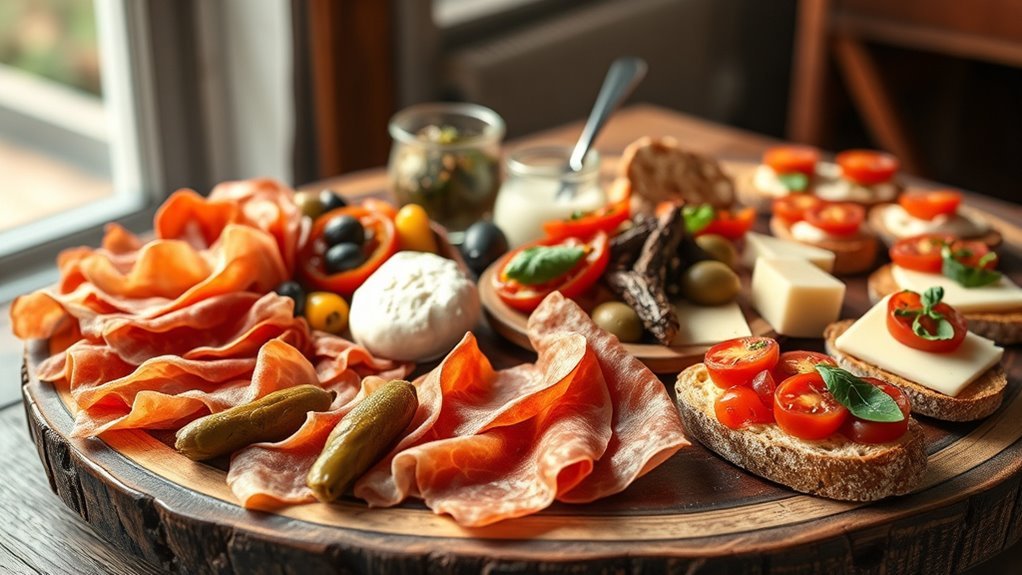
Great Italian appetizers are usually simple, but simple does not mean careless. Fresh tomatoes should taste ripe, herbs should smell lively, cheese should be stored and served correctly, and bread should be crisp enough to support its topping. The goal is to let a few good ingredients stand out rather than cover them with heavy sauces.
Antipasto means the food served before a meal, while antipasti is the plural. A complete spread does not need every dish in this guide. For most gatherings, choose four to six items with different textures and temperatures.
- Fresh: Caprese, melon, tomatoes, herbs, or crisp vegetables
- Salty and savory: prosciutto, salami, olives, anchovies, or aged cheese
- Creamy: mozzarella, ricotta, burrata, bean spread, or soft cheese
- Acidic: marinated artichokes, pickled peppers, lemon, or vinaigrette
- Crunchy: crostini, breadsticks, roasted nuts, or fried bites
Pro Tip: Choose one “hero” item, such as a generous antipasto platter or a tray of Caprese skewers, then support it with two simple bowls and one warm bite. This creates variety without making the menu difficult to manage.
How Much Antipasti Should You Serve?
A practical starting point is 4 to 6 small bites per person when a full dinner follows. For a longer aperitivo or appetizer-only event, plan more food and include filling items such as beans, cheese, arancini, or savory pie. These are planning estimates, so adjust for the length of the gathering, your guests, and the rest of the menu.
For a group of eight before dinner, you might serve one platter of meats and cheeses, 16 Caprese skewers, 16 crostini, two bowls of olives or vegetables, and one warm appetizer. Refill small platters from the refrigerator instead of placing every perishable item out at once.
Italian Caprese Salad and Caprese Skewers
Caprese salad combines tomatoes, fresh mozzarella, basil, extra-virgin olive oil, and salt. The name is associated with Capri, and the dish reflects the produce and dairy traditions of Campania. A balsamic glaze is optional rather than necessary; use it lightly so it does not hide the flavor of the tomatoes and cheese.
Caprese Salad Basics
Slice ripe tomatoes and fresh mozzarella into pieces of similar thickness. Arrange them with basil, season shortly before serving, and finish with olive oil. Fresh mozzarella releases moisture, so use a platter with a small rim and avoid assembling the salad too far in advance.
For a more specific regional ingredient, look for Mozzarella di Bufala Campana PDO. The protected name applies to cheese produced under defined geographic and production rules. Fior di latte, made from cow’s milk, is also an excellent and widely used choice.
Skewers and Presentation
For easy serving, thread cherry tomatoes, small mozzarella balls, and folded basil leaves onto short skewers. Arrange them in neat rows or a loose circle, then add olive oil and a small pinch of salt immediately before serving. If you use balsamic glaze, drizzle it at the last moment to keep the platter clean and the basil fresh-looking.
Italian Tomato Bruschetta and Ricotta Toasts
Bruschetta starts with grilled or toasted bread, often rubbed with garlic and finished with olive oil. Tomato and basil are popular toppings, but the toasted bread is the defining base. Ricotta toasts use the same crisp foundation with a softer, creamier topping.
Simple Tomato Toppings
Dice ripe tomatoes and combine them with salt, torn basil, a little garlic, and olive oil. Let the mixture stand briefly, then spoon it onto toast just before serving. If the tomatoes release a great deal of liquid, drain some of it so the bread stays crisp.
You can also add chopped olives, roasted peppers, white beans, or a small amount of fresh mozzarella. Keep the topping simple enough that guests can pick up the toast without losing everything onto the plate.
Whipped Ricotta Base
Whipped ricotta creates a mild base for tomatoes, roasted peppers, herbs, honey, pears, or figs. Beat well-drained ricotta with a small amount of olive oil until smooth and airy. Lemon zest, black pepper, thyme, or basil can add flavor without making the spread heavy.
Ricotta and cream cheese differ in moisture, texture, and nutrition by brand and recipe, so it is better to choose between them for flavor and consistency rather than claim that one is always “lighter.”
Toasting Bread Perfectly
Use ciabatta, a rustic loaf, or a baguette. Cut even slices, brush lightly with olive oil, and toast at 400°F (about 205°C) until golden and crisp, usually 8 to 12 minutes depending on thickness. Turn the slices once if needed for even browning. Cool briefly, add toppings, and serve promptly.
Easy Antipasto Salad for a Crowd
An antipasto salad is useful when you want the flavors of a platter in a dish that guests can spoon onto their plates. Combine cherry tomatoes, roasted peppers, olives, marinated artichokes, provolone or mozzarella, and optional salami or pepperoni. Dress lightly with olive oil, red wine vinegar or lemon, dried oregano, and black pepper.
Chill the ingredients, but add delicate herbs and the final seasoning shortly before serving. Pepperoncini, capers, white beans, or quick-pickled onions can add acidity and texture. Serve the salad with bread on the side rather than mixing croutons in early, where they may become soggy.
How to Build an Italian Antipasto Platter
Start with two or three cured meats, two cheeses with different textures, olives, marinated vegetables, and something crisp. Fold or loosely roll the meats, cut firm cheese into easy portions, and place wet ingredients in bowls so their marinades do not soak the bread.
| Component | Examples | Purpose |
|---|---|---|
| Cured meat | Prosciutto, salami, mortadella, coppa | Salty, savory flavor |
| Cheese | Mozzarella, provolone, Parmigiano Reggiano, gorgonzola | Creaminess and richness |
| Vegetables | Artichokes, peppers, mushrooms, giardiniera | Acidity, color, and freshness |
| Crunch | Breadsticks, crostini, nuts | Texture and structure |
| Sweet contrast | Fresh grapes, figs, pears, or a small amount of dried fruit | Balances salty foods |
Group ingredients in loose sections, leave space around serving utensils, and label unfamiliar cheeses or allergens. Bring some cheeses toward room temperature shortly before serving, but keep the total time that perishable foods spend unrefrigerated within safe limits.
Warning: The USDA advises refrigerating perishable food within two hours, or within one hour when the air temperature is above 90°F (32°C). Keep meats, soft cheeses, cut melon, seafood, and ricotta chilled, and use smaller platters that you can replace as needed.
Products Worth Considering

Celebrate the beauty of Italy with this 16-inch Tuscany oval platter, featuring a lush printed landscape of vineyards, villas, and olive groves. Crafted of durable stoneware, it provides a stunning backdrop for main courses, antipasto, or desserts. Its wide oval shape offers ample space for family meals or festive entertaining, turning every dish into a visual feast inspired by the rustic elegance of the Tuscan countryside.

Italy shaped bakeware and tray made of high-fired porcelain that is designed in Detroit, Michigan, USA.
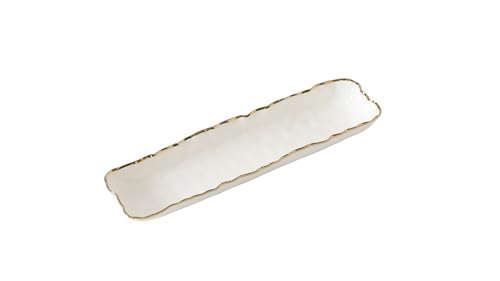
Cracker Tray Design: Designed as a serving tray for crackers and suitable for kitchen use
Warm Olives and Fried Olive Bites
Warm olives are one of the easiest cooked additions to an antipasto spread. Fried stuffed olives require more work, but they give the menu a crisp, savory centerpiece.
Warm Olive Flavor
Warm green or mixed olives gently with olive oil, rosemary, garlic, lemon peel, or chile. Use low heat and stop before the garlic browns. Serve with cocktail picks and provide a small bowl for pits when using unpitted olives.
| Ingredient | Effect | Pairing |
|---|---|---|
| Rosemary | Piney aroma | Mild cheese or bread |
| Garlic | Savory warmth | Salami or roasted peppers |
| Lemon peel | Bright citrus note | Fresh mozzarella or seafood |
Fried Olive Bites
For a simple variation, stuff large pitted olives with a small amount of cooked sausage or cheese, then bread and fry them until crisp. The classic olive all’ascolana from the Marche region uses olives filled with a seasoned meat mixture, breaded, and fried; a sausage-only filling is an easier party variation rather than the only traditional method.
When using raw ground meat in any filling, cook it to a safe internal temperature before serving. Drain fried olives on a rack or paper towels and serve them warm, not straight from the oil.
Fried Zucchini Blossoms and Asparagus Involtini
Zucchini blossoms make a delicate seasonal appetizer. Check the flowers carefully, remove the stamens or pistils, and dry them before filling. Depending on the regional style, the filling may include mozzarella, ricotta, anchovy, or herbs. Dip the blossoms in a light batter and fry only until crisp and pale golden.
For asparagus involtini, wrap blanched or roasted spears with prosciutto and a melting cheese such as Montasio or fontina. Bake or pan-cook them until the asparagus is tender and the cheese softens. This method is easier for a crowd than deep-frying and can be assembled ahead.
Grilled Artichokes With Lemon Aioli
Artichokes need partial cooking before grilling so the centers become tender before the outside burns. Trim and halve them, remove the choke when needed, then simmer or steam until nearly tender. Drain well, brush with olive oil, and grill cut-side down until lightly charred.
Serve with lemon aioli, herb sauce, or seasoned olive oil. Artichokes can be cooked earlier in the day and grilled shortly before serving, which makes them practical for outdoor gatherings.
Fritto Misto With Calabrian Chile Aïoli
Fritto misto is a mixed fry whose ingredients vary by region and season. A seafood version may include shrimp, calamari, and small pieces of fish, while vegetable versions may include zucchini, fennel, or cauliflower. Keep the batter light, work in small batches, and let the oil return to temperature between batches.
Serve immediately with lemon wedges and a Calabrian chile aioli or a simpler lemon mayonnaise. Seafood should be cooked safely; U.S. food-safety guidance lists 145°F (63°C) as the minimum internal temperature for fish and shellfish.
Note: Fried foods lose crispness quickly. Prepare all sauces, garnishes, and serving platters first, then fry in the final minutes before serving.
Heirloom Tomato and Pepper Toasts
Heirloom tomato and pepper toasts are best when tomatoes are ripe and peppers are sweet, firm, and deeply colored. Grilled bread, whipped ricotta, charred peppers, and fresh herbs create a mix of crisp, creamy, smoky, and acidic flavors.
Choosing Peak-Season Produce
Select tomatoes that feel heavy for their size and smell fragrant near the stem. Avoid refrigerating ripe tomatoes unless you need to slow spoilage; bring chilled tomatoes back toward room temperature before serving for better texture and aroma. Choose peppers with smooth skin and no soft spots.
Whipped Ricotta Spread
Drain watery ricotta, then whip it with olive oil, salt, and pepper. Add lemon zest, basil, thyme, or a small amount of garlic if those flavors fit the rest of the menu. Spread it on grilled bread and top with tomatoes and peppers just before serving.
Garnishing for Color and Flavor
Finish with basil, parsley, oregano, or fennel pollen. Use garnishes to reinforce flavors already in the dish rather than adding several unrelated ingredients. A few drops of olive oil and a pinch of flaky salt are often enough.
Easy Bean and Chickpea Antipasti
Beans and chickpeas add substance to a spread without requiring meat. Toss cannellini beans or chickpeas with olive oil, lemon, garlic, parsley, and black pepper, then let the mixture rest in the refrigerator so the flavors blend. Add salt carefully if you are also using capers, olives, or cheese.
You can also blend chickpeas or white beans into a smooth spread for crostini and vegetables. Keep the seasoning Italian in character with rosemary, sage, parsley, lemon, or roasted garlic.
Stuffed Peppers and Erbazzone Pie
Mini sweet peppers can be served raw with a ricotta filling or baked with breadcrumbs, herbs, cheese, or meat. Their color and handheld shape make them especially useful on a large buffet.
| Dish or Element | Appeal |
|---|---|
| Stuffed peppers | Bright, savory, and easy to hold |
| Ricotta filling | Smooth and mild |
| Herb mixture | Fresh aroma and color |
| Erbazzone | Rustic, filling, and easy to portion |
| Olive oil finish | Adds richness and shine |
Erbazzone Reggiano PGI is linked to Reggio Emilia. The savory pie traditionally uses leafy greens such as chard or spinach with onion, breadcrumbs, Parmigiano Reggiano, and dough. Cut it into small squares and serve warm or at room temperature.
Arancini and Other Classic Fried Bites
Arancini are breaded and fried rice balls associated with Sicily. Fillings vary, but common versions include ragù, peas, cheese, or ham. They are more filling than olives or crostini, so they work well when appetizers replace part of the meal.
Other options include potato croquettes, polenta bites, or small cheese fritters. Choose one fried item rather than several, especially when the rest of the menu already includes rich cheese and cured meats.
Prosciutto and Melon Bites
Prosciutto and melon pair salty cured meat with sweet, juicy fruit. Use ripe cantaloupe or honeydew, cut it into bite-size wedges or cubes, and add the prosciutto shortly before serving. Basil or mint is optional.
Because cut melon and cured meat are perishable, keep the platter refrigerated until close to serving. For a bread-free option, serve the bites on picks or in small cups.
Buffalo Mozzarella and Roasted Tomatoes
Fresh buffalo mozzarella and roasted tomatoes create a richer alternative to classic Caprese. Roast cherry, plum, or heirloom tomatoes until they soften and their juices concentrate, then cool them until warm or room temperature before placing them beside the cheese.
- Drizzle with extra-virgin olive oil.
- Add basil, oregano, or parsley.
- Season just before serving.
- Offer bread separately so it stays crisp.
Use the label carefully: “Mozzarella di Bufala Campana PDO” is a protected name, while “buffalo mozzarella” may refer more broadly to cheese made from buffalo milk.
Spiced Nuts and Easy Nibbles
Roasted almonds, walnuts, pistachios, or cashews add crunch to a soft, cheese-heavy spread. Toss them lightly with olive oil and season with rosemary, paprika, black pepper, garlic powder, or chile. Roast until fragrant, then cool completely before storing.
Keep cooled nuts in an airtight container and add them to the platter shortly before serving. Place nuts in a separate labeled bowl because they are a common allergen and can easily mix with nearby foods.
Vegetarian, Gluten-Free, and Allergy-Friendly Options
A flexible antipasto menu can serve different diets without making a separate meal for every guest.
- Vegetarian: Caprese, marinated vegetables, bean salad, artichokes, stuffed peppers, spiced nuts, and ricotta toasts
- Gluten-free: olives, cheese, prosciutto and melon, beans, grilled vegetables, Caprese skewers, and gluten-free crackers served separately
- Dairy-free: bruschetta, warm olives, bean salad, chickpea spread, grilled artichokes, and vegetable fritto misto made without dairy
- Nut-free: omit nuts and pesto containing nuts, then use seeds or extra crostini for crunch
Prevent cross-contact by using separate utensils and clearly labeled bowls. Ask guests about serious allergies before finalizing the menu.
Products Worth Considering

OliveNation Dried Lupini Beansare extra large and hearty

OliveNation Dried Lupini Beansare extra large and hearty
Make-Ahead and Serving Timeline
One day ahead: marinate vegetables, make bean salad, prepare dips and aioli, roast peppers or tomatoes, and toast nuts. Store each item covered in the refrigerator when required.
A few hours ahead: wash and dry produce, cut firm cheeses, assemble stuffed peppers or asparagus involtini, and arrange nonperishable bowls. Keep meats, soft cheese, seafood, and cut melon refrigerated.
Thirty minutes before serving: toast bread, warm olives, bring selected cheeses toward serving temperature, and set out small portions of cold foods.
Just before guests eat: dress Caprese, top bruschetta, add herbs, fry hot items, and place bread or crackers on the board.
Products Worth Considering

Held to high ingredient standards

PERFECT FIT: Presenting Board exclusively for Berkel Volano Slicers and the Red Line 300 Electric Slicer.

Cut from a single piece of natural olivewood, this serving board is a stylishly rustic way to serve charcuterie, small bites and more
Frequently Asked Questions
What is the most popular Italian antipasto?
There is no single official winner, but bruschetta, Caprese, cured-meat and cheese platters, olives, and fried bites are widely recognized choices. Popularity varies by region, season, and the type of meal.
What are some impressive Italian appetizers?
A colorful antipasto platter, neat Caprese skewers, fried zucchini blossoms, arancini, grilled artichokes, and buffalo mozzarella with roasted tomatoes all look impressive. Choose two showpiece dishes and support them with simple bowls of olives, nuts, or marinated vegetables.
What are the most popular Italian starters?
Common starters include bruschetta, Caprese, antipasto platters, arancini, crostini, stuffed vegetables, fried calamari, and regional savory pies. A good menu mixes fresh and rich choices instead of serving only fried or cheese-heavy dishes.
What is a good appetizer before lasagna?
Choose a light appetizer such as Caprese skewers, tomato bruschetta, marinated vegetables, or a lemony bean salad. Lasagna is already rich and filling, so a fresh, acidic starter usually creates better balance than another heavy baked or fried dish.
How many Italian appetizers should I serve per person?
A useful estimate is 4 to 6 small bites per person when dinner follows. Serve more for a long cocktail gathering or when the appetizers are the main food. Include a filling option such as beans, cheese, savory pie, or arancini.
Which Italian appetizers can be made ahead?
Marinated vegetables, bean salad, whipped ricotta, aioli, roasted tomatoes, spiced nuts, and many stuffed vegetables can be prepared ahead. Assemble bruschetta, dress Caprese, and fry hot foods shortly before serving for the best texture.
Conclusion
A memorable Italian appetizer spread does not require dozens of recipes. Choose a fresh dish, a salty or savory dish, something creamy, something acidic, and one crisp or warm item. Prepare as much as possible ahead, keep perishable foods safely chilled, and finish delicate dishes at the last moment. The result will feel generous, colorful, and easy to share.
Sources
- USDA Food Safety and Inspection Service: Keep Food Safe — refrigeration, holding time, cross-contamination, and safe cooking guidance
- FoodSafety.gov: Safe Minimum Internal Temperatures — safe cooking temperatures for meat and seafood
- Emilia-Romagna Tourism: Erbazzone Reggiano PGI — regional origin and traditional ingredients
- European Commission: Mozzarella di Bufala Campana PDO — protected designation and product characteristics
- Italia.it: Food and Dishes of Campania — Campanian produce, mozzarella, and regional food context
