Last Updated on November 4, 2026 by Caleb Warren
Looking for the best winter shell jackets for layering? The Helly Hansen Sogn Shell 2.0 and Columbia Men’s Ascender Softshell Jacket are two options worth comparing. The Helly Hansen offers waterproof protection for skiing and snowy weather, while the Columbia provides wind and water resistance for everyday outdoor activities. Both can work as outer layers in colder weather, but neither is a fully insulated winter coat. Your best choice depends on the conditions, your activities, and the warm layers you plan to wear underneath.
Quick Answer: Choose the Helly Hansen Sogn Shell 2.0 if you need a waterproof ski shell with snow protection and room for warm layers. Choose the Columbia Ascender Softshell if you want a comfortable jacket for commuting, walking, travel, and cool-weather activities with occasional light rain.
Important: These jackets do not have dedicated thermal insulation. For colder conditions, wear suitable base and midlayers underneath.
Key Takeaways
- Best for Skiing and Wet Weather: Helly Hansen Sogn Shell 2.0 offers a waterproof, fully seam-sealed construction with a helmet-compatible hood and powder skirt.
- Best for Everyday Comfort: Columbia Ascender Softshell combines stretch, wind resistance, and light warmth for daily wear.
- Waterproof vs. Water-Resistant: The Helly Hansen is intended for demanding wet conditions. The Columbia is better suited to light rain and occasional moisture.
- Warmth: Both jackets benefit from appropriate layering in cold weather.
- Before Buying: Check sizing, room for layers, weather protection, care instructions, and the exact product variation.
Disclosure: As an Amazon Associate I earn from qualifying purchases. Some links on this page are affiliate links, at no extra cost to you.
Top Winter Shell Jacket Picks
| Jacket | Product Image | Best For | Weather Protection | Warmth and Layering | Fit and Features | Check Price | Full Review |
|---|---|---|---|---|---|---|---|
| Helly-Hansen Sogn Shell 2.0 Waterproof Jacket for Men | Best for Skiing and Wet Weather | Waterproof: Three-layer HELLY TECH Professional construction with fully sealed seams. | Insulation: No dedicated thermal insulation. Designed for use with separate warm layers. | Fit: Relaxed fit, adjustable helmet-compatible hood, ventilation zippers, and powder skirt. | Check Price on Amazon | Read Our Analysis | |
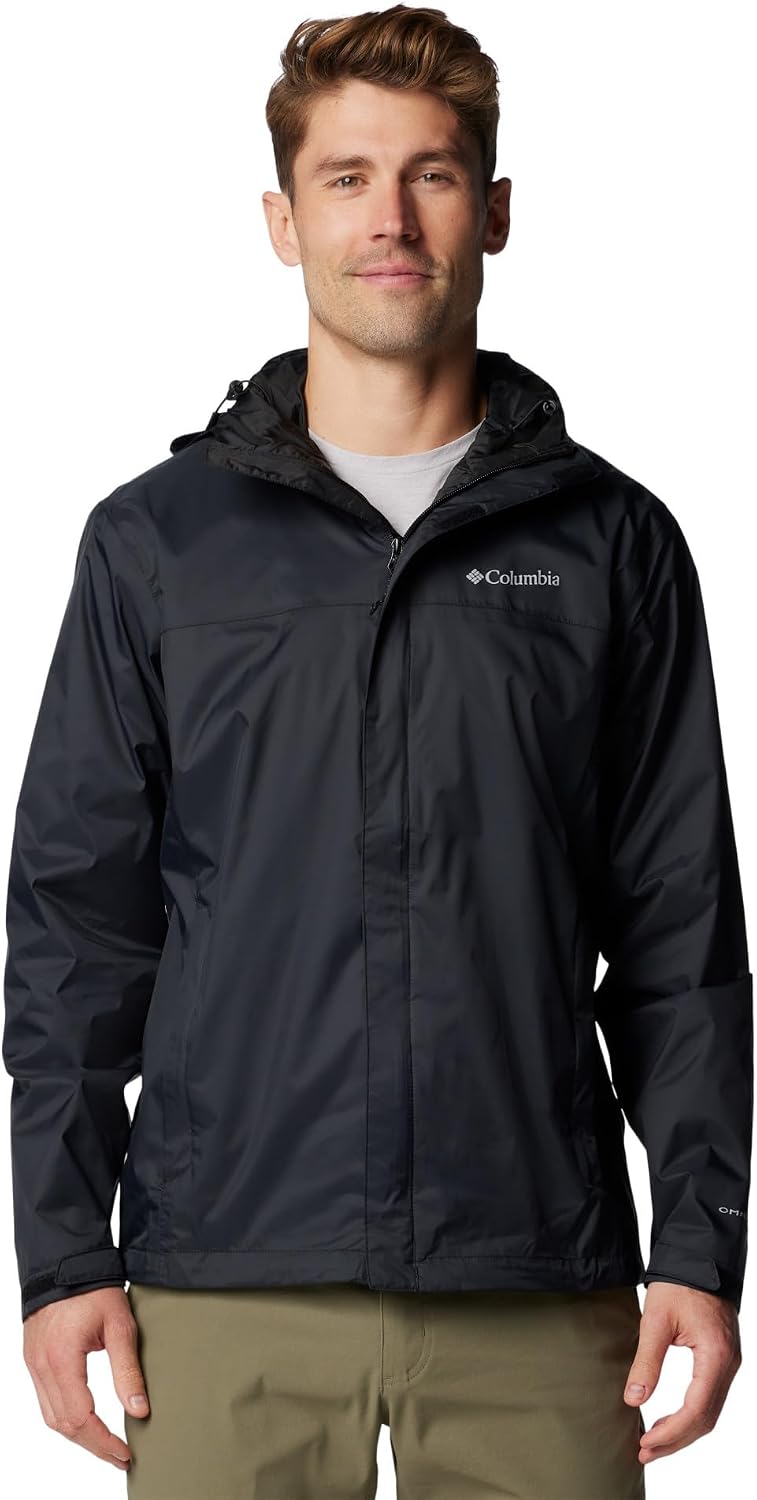
| Columbia Men’s Ascender Softshell Jacket | Best for Everyday Comfort | Water-Resistant: Wind-resistant fabric with water repellency for light rain. | Insulation: Light warmth from its bonded softshell construction and soft interior. No dedicated insulated fill. | Fit: Regular fit, comfort stretch, adjustable cuffs and hem, and zippered pockets. | Check Price on Amazon | Read Our Analysis |
Quick Verdict: The Helly Hansen Sogn Shell 2.0 is the better choice for buyers who need technical waterproof protection for skiing and snowy conditions. The Columbia Ascender is more appropriate for everyday activities where comfort, movement, and light weather protection matter most.
Remember: These products serve different purposes. A comfortable softshell is not a direct substitute for a waterproof ski jacket.
More Details on Our Top Picks
-
Helly-Hansen Sogn Shell 2.0 Waterproof Jacket for Men
If you enjoy skiing, freeriding, or spending long periods outdoors in wet and snowy conditions, the Helly Hansen Sogn Shell 2.0 is designed to provide serious weather protection. Its three-layer HELLY TECH Professional construction combines a waterproof membrane with fully sealed seams to help keep outside moisture from reaching your clothing.
This jacket features a helmet-compatible adjustable hood, reinforced functionality for demanding outdoor use, and a powder skirt that helps prevent snow from entering around your waist. Ventilation zippers let you release excess heat during strenuous activities, while articulated sleeves support movement.
One of its biggest advantages is its ability to work with different clothing layers. The relaxed fit gives you room to add a fleece or insulated midlayer according to the conditions. That makes the shell useful across a range of mountain temperatures without requiring you to wear the same amount of insulation every time.
However, the Sogn Shell 2.0 is not a jacket with built-in thermal insulation. You will need suitable layers underneath when temperatures drop. Its technical ski features may also be unnecessary for casual daily use.
Why You’ll Like It: It combines waterproof weather protection, ventilation, and ski-specific features in one outer shell. You can adjust the warmth of your clothing system by changing the layers underneath.
Who Should Buy This: Skiers, snowboarders, and outdoor enthusiasts who need waterproof protection and prefer to manage warmth through layering.
Who Should Avoid This: Buyers looking for a ready-to-wear insulated winter coat or a lightweight casual jacket for occasional cool weather.
Before You Buy: Check the manufacturer’s size chart while accounting for your intended midlayers. Confirm the selected Amazon variation matches the size and color you want.
- Weather Protection: Three-layer HELLY TECH Professional waterproof and windproof construction.
- Insulation: No dedicated thermal insulation. Requires separate layers for additional warmth.
- Adjustable Fit: Relaxed fit with adjustable, helmet-compatible hood and hem.
- Durability: Three-layer shell construction designed for demanding winter activities.
- Ventilation: Ventilation zippers help release excess heat during activity.
- Snow Protection: Integrated powder skirt helps limit snow entering the jacket.
- Storage Options: Includes ski-oriented pockets for small essentials and accessories.
- Material: Manufacturer lists a 100% polyamide outer shell for style 65748.
- Additional Feature: Articulated sleeves and adjustable helmet-friendly hood.
Product specifications can vary by model variation. See the Helly Hansen manufacturer product details for current specifications and care instructions.
-
Columbia Men’s Ascender Softshell Jacket
If you need a jacket for commuting, walking, traveling, or casual outdoor activities, the Columbia Men’s Ascender Softshell Jacket offers a practical balance of comfort and light weather protection.
Made from 100% polyester Contour Softshell fabric, this jacket combines wind resistance, water repellency, and a flexible fit. Its bonded construction has a soft interior that provides light warmth, making it useful for cool days when a heavy winter coat would feel unnecessary.
The adjustable cuffs and drawcord hem help reduce drafts, while the abrasion-resistant chin guard adds comfort when the jacket is fully zipped. Zippered chest and hand pockets provide secure places for small everyday items.
The regular fit and comfort stretch make it easy to move during routine activities. Depending on the size and conditions, you may also be able to wear a thin fleece or suitable midlayer underneath.
The main limitation is weather protection. Although the Ascender can repel light moisture, it is not a fully waterproof rain jacket. It is not the right outer layer for prolonged heavy rain or demanding wet-weather mountain activities.
Why You’ll Like It: Its comfortable softshell construction, useful pockets, and adjustable details make it a practical choice for regular outdoor wear.
Who Should Buy This: Commuters, travelers, walkers, and people looking for a versatile jacket for cool, breezy days and occasional light rain.
Who Should Avoid This: Buyers expecting protection in sustained heavy rain or substantial built-in insulation for very cold conditions.
Before You Buy: Check the manufacturer’s sizing guide, especially if you plan to wear thicker layers. Confirm whether its weather protection is sufficient for your local conditions.
- Weather Protection: Wind-resistant and water-repellent fabric for light weather exposure.
- Insulation: Soft bonded interior offers light warmth without a dedicated insulated fill.
- Adjustable Fit: Regular fit with adjustable cuffs and drawcord hem.
- Comfort: Stretch fabric supports movement during everyday activities.
- Durability: Polyester softshell fabric with abrasion-resistant chin guard.
- Versatility: Suitable for commuting, walking, travel, and casual outdoor use.
- Storage Options: Zippered chest and hand pockets for small essentials.
- Material: 100% polyester Contour Softshell.
- Additional Feature: Comfortable bonded construction with a soft interior.
See the Columbia manufacturer product details for sizing, materials, weather protection, and care instructions.
Factors to Consider When Choosing a Winter Shell Jacket

Choosing the right winter shell jacket starts with understanding how you plan to use it. Weather protection, warmth, breathability, materials, and fit all affect how comfortable you will feel outdoors. It is also important to know whether you want a shell for layering or a winter coat with built-in insulation.
Waterproof Protection Features
Not every shell jacket offers the same level of protection against rain and snow. A waterproof jacket is designed to resist water penetration, while a water-resistant jacket is generally better suited to lighter moisture exposure.
For activities involving prolonged rain or wet snow, look for a waterproof membrane, sealed seams, and a design that helps prevent moisture from entering through openings. Some technical jackets also include water-resistant zipper treatments or protective zipper flaps.
The Helly Hansen Sogn Shell 2.0 uses waterproof three-layer construction with fully sealed seams. This makes it more appropriate for wet mountain conditions than an everyday water-resistant softshell.
The Columbia Ascender uses water-repellent fabric that can shed light moisture. It is better suited to occasional light rain than sustained wet conditions.
Pro Tip: A durable water-repellent (DWR) finish helps water bead on the outer fabric. However, DWR alone does not make a jacket fully waterproof. Check the jacket’s membrane and seam construction as well.
Material Composition and Insulation Quality
The materials in a shell jacket affect durability, comfort, breathability, and weather protection. Polyester and polyamide are common outerwear fabrics, but their performance also depends on the fabric construction, coatings, membranes, and seams.
The Helly Hansen Sogn Shell 2.0 uses a three-layer polyamide-based shell with waterproof technology. Its purpose is to protect you from wind and moisture while allowing you to manage warmth with separate layers.
The Columbia Ascender uses 100% polyester softshell fabric. Its soft bonded interior provides light warmth, while its flexible construction makes it comfortable for everyday movement.
Neither jacket has dedicated thermal insulation comparable to a fully insulated winter coat. If warmth is your main priority, consider a separate fleece, down, or synthetic insulated midlayer underneath a suitable outer shell.
Important: A thicker-feeling fabric or soft lining does not automatically mean a jacket is suitable for freezing temperatures. Consider wind, moisture, activity level, and the clothing layers underneath.
Comfort and Fit
A well-fitting winter shell should allow comfortable movement without being unnecessarily loose or restrictive. The right fit depends on your intended activity and how many layers you plan to wear.
For skiing and snowboarding, an adjustable helmet-compatible hood, articulated sleeves, and enough room for midlayers can improve comfort. The relaxed fit of the Helly Hansen Sogn Shell 2.0 is designed with these activities in mind.
For daily wear, a regular-fit softshell with stretch fabric and adjustable cuffs may feel more natural. The Columbia Ascender offers these features, making it a practical choice for commuting and casual outdoor activities.
Before ordering, measure your chest and compare it with the manufacturer’s size chart. If you plan to wear a thick fleece or insulated layer, account for that extra clothing when evaluating fit.
Fit Tip: Try raising your arms, bending your elbows, and reaching forward while wearing your intended layers. A comfortable jacket should allow these movements without excessive pulling across your shoulders or chest.
Additional Functional Features
Useful features can make a shell jacket more comfortable and practical, especially when weather conditions change during an outdoor activity.
- Adjustable Hoods: Help protect your head and face from wind and precipitation. Helmet-compatible designs are useful for skiing.
- Ventilation Zippers: Allow excess heat to escape during demanding activities, helping reduce overheating.
- Powder Skirts: Help limit snow entering around the waist during skiing and snowboarding.
- Adjustable Cuffs and Hems: Help reduce drafts and improve the jacket’s fit.
- Zippered Pockets: Keep small belongings more secure during movement.
- Chin Guards: Reduce rubbing and irritation from the front zipper.
- Durable Outer Fabrics: Help the jacket withstand routine abrasion and demanding outdoor use.
Choose the features that match your activities. Technical skiing details may be valuable in the mountains but unnecessary for everyday commuting.
Usage Recommendations
Your activities and expected weather should guide your final choice. Rather than looking for one jacket to handle every situation, consider what you need most from an outer layer.
For skiing, freeriding, or prolonged wet-weather activities, prioritize waterproof construction, sealed seams, adjustable coverage, and ventilation. The Helly Hansen Sogn Shell 2.0 is designed for this type of use.
For walking, commuting, travel, and casual outdoor activities, comfort, stretch, wind resistance, and practical pockets may matter more. The Columbia Ascender can be a suitable option when heavy waterproof protection is unnecessary.
If you plan to spend extended periods in very cold conditions, remember that neither jacket supplies substantial built-in insulation. Add appropriate thermal layers or choose a purpose-built insulated winter coat.
Before You Buy: Winter Shell Jacket Checklist
- Check whether the jacket is waterproof or only water-resistant.
- Confirm whether it has built-in insulation or requires separate layers.
- Review the manufacturer’s size chart and fit description.
- Make sure you can move comfortably with your intended clothing underneath.
- Look for useful features such as adjustable cuffs, ventilation, and secure pockets.
- Review fabric care instructions and maintenance requirements.
- Check warranty and return conditions with the seller.
- Confirm the Amazon listing’s exact size, color, and product variation before ordering.
Waterproof Shell vs. Softshell Jacket: Which Should You Choose?
Waterproof shells and softshell jackets can both be useful in cool weather, but they solve different problems.
| Feature | Waterproof Ski Shell | Everyday Softshell |
|---|---|---|
| Main Purpose | Protect against rain, snow, and wind | Provide comfort and light weather resistance |
| Rain Protection | Designed for demanding wet conditions | Generally better for light, occasional rain |
| Built-In Warmth | Often minimal in uninsulated designs | May offer light warmth from bonded fabric or lining |
| Comfort | Technical construction focused on weather protection | Often softer and more flexible |
| Best Activities | Skiing and wet mountain adventures | Walking, commuting, and casual travel |
Our Recommendation: If waterproof protection is your main concern, prioritize the Helly Hansen. If everyday comfort and light weather resistance matter more, the Columbia is the more appropriate option.
Frequently Asked Questions
How Should I Clean and Maintain My Shell Jacket?
Always follow the garment’s care label. Close zippers and hook-and-loop fasteners before washing, avoid fabric softeners when instructed, and use the recommended wash and drying settings. Some technical shells require suitable tumble-drying treatment to restore water repellency. Check the manufacturer’s instructions before applying heat.
What Materials Are Best for Insulation in Shell Jackets?
Down and synthetic insulation can provide warmth when used in an insulated jacket or separate midlayer. Down offers high warmth relative to weight when kept dry, while many synthetic insulation materials retain useful insulating ability when damp. For an uninsulated shell, a fleece or insulated midlayer is often a practical way to add warmth.
Can I Wear a Shell Jacket in Rainy Weather?
Yes, but the level of protection depends on the jacket. A waterproof shell with sealed seams is better suited to sustained rain. A water-resistant softshell may handle light rain, but its fabric can become saturated during prolonged exposure.
How Do I Choose the Right Size for My Jacket?
Measure your chest and waist, then compare those measurements with the manufacturer’s size chart. Consider the fit type and whether you need room for additional layers. Try the jacket over the clothing you expect to wear outdoors, and check that you can move your arms comfortably.
Are Shell Jackets Suitable for Layering?
Yes. Many shell jackets are designed to work with base layers and midlayers. You can add a fleece or insulated jacket underneath for warmth, then use the outer shell for wind and weather protection. Make sure the fit allows comfortable movement without compressing your insulation too much.
Are These Shell Jackets Warm Enough for Winter?
That depends on the temperature, wind, your activity level, and the clothing worn underneath. The Helly Hansen is primarily a waterproof protective shell, while the Columbia offers light warmth from its softshell construction. Neither should be treated as a fully insulated winter coat. Add appropriate layers for colder conditions.
Is a Waterproof Jacket Better Than a Softshell?
Not always. A waterproof jacket is generally the better choice for prolonged rain, wet snow, and demanding weather. A softshell may feel more comfortable for everyday movement and moderate conditions. Choose based on your activities rather than assuming one type is better for every situation.
Conclusion
Choosing the right winter shell jacket becomes easier when you understand the difference between weather protection and insulation. The Helly Hansen Sogn Shell 2.0 is the more suitable choice for skiing and demanding wet-weather activities, with waterproof construction, an adjustable helmet-compatible hood, and a powder skirt.
The Columbia Men’s Ascender Softshell Jacket is better suited to everyday comfort, offering stretch, wind resistance, and light protection against moisture for commuting, walking, and travel.
Neither is a fully insulated winter coat, so plan your clothing layers according to the expected temperature and activity. Before buying, check the correct size, product variation, and weather protection details. The best choice is the jacket that matches how and where you actually plan to use it.