
Last Updated on August 26, 2026 by Daniel Globe
San Jose puts beaches, redwood forests, wildlife preserves, and some of Northern California’s best coastal scenery within reach of a day trip. Santa Cruz and Half Moon Bay are the easiest quick escapes, while Muir Woods, Monterey, the Marin Headlands, Point Reyes, and Big Basin reward an earlier start. The key is choosing a destination that fits your available time and checking current park or coastal conditions before you leave.
Quick Answer
The best day trips from San Jose include Santa Cruz and Capitola for beaches, Half Moon Bay for coastal scenery, Muir Woods and Big Basin for redwoods, Monterey and Carmel for wildlife and sightseeing, the Marin Headlands for Golden Gate views, and Point Reyes for a longer wilderness-focused day.
Key Takeaways
- Santa Cruz, Capitola, and Half Moon Bay are the easiest choices when you want more time exploring and less time driving.
- Muir Woods requires advance parking or shuttle reservations, so it is not a good destination for an unplanned drive-up visit.
- Point Reyes is the longest trip on this list; allow roughly two to two and a half hours each way depending on traffic and your destination within the park.
- Big Basin is still in post-fire recovery, so check current trails and facilities rather than relying on older guidebooks.
- Coastal weather changes quickly. Carry layers, sun protection, water, and an offline map, especially where cell service is weak.
Disclosure: As an Amazon Associate I earn from qualifying purchases. Some links on this page are affiliate links, at no extra cost to you.
Best Day Trips From San Jose at a Glance
| Destination | Approx. Drive From San Jose | Best For | Plan Ahead |
|---|---|---|---|
| Santa Cruz & Capitola | About 32–35 miles; roughly 45–60 minutes | Beaches, Boardwalk, family day | Check traffic and Boardwalk ride calendar |
| Muir Woods | About 64 miles; roughly 1.5–2 hours | Old-growth redwoods | Parking or shuttle reservation required |
| Half Moon Bay | About 38–40 miles; roughly 50–70 minutes | Coastal trails, beaches, tidepools | Check tides and ocean conditions |
| Marin Headlands & Sausalito | About 58–60 miles; roughly 1.25–1.75 hours | Golden Gate views, hiking, waterfront dining | Expect traffic and limited services in the Headlands |
| Monterey & Carmel | About 72–80 miles; roughly 1.25–1.75 hours | 17-Mile Drive, wildlife, cafés, aquarium | Allow a full day |
| Point Reyes | About 100+ miles; roughly 2–2.5 hours | Wildlife, lighthouse, remote coast | Leave early; check park closures and lighthouse access |
| Big Basin Redwoods | About 40 miles; roughly 1–1.5 hours | Recovering redwood forest | Check trails; parking reservation recommended |
Drive times are estimates from the San Jose area and can increase sharply with weekend, bridge, Highway 17, and coastal traffic. For the longer trips, leaving early gives you much more time at the destination.
Santa Cruz and Capitola Beaches
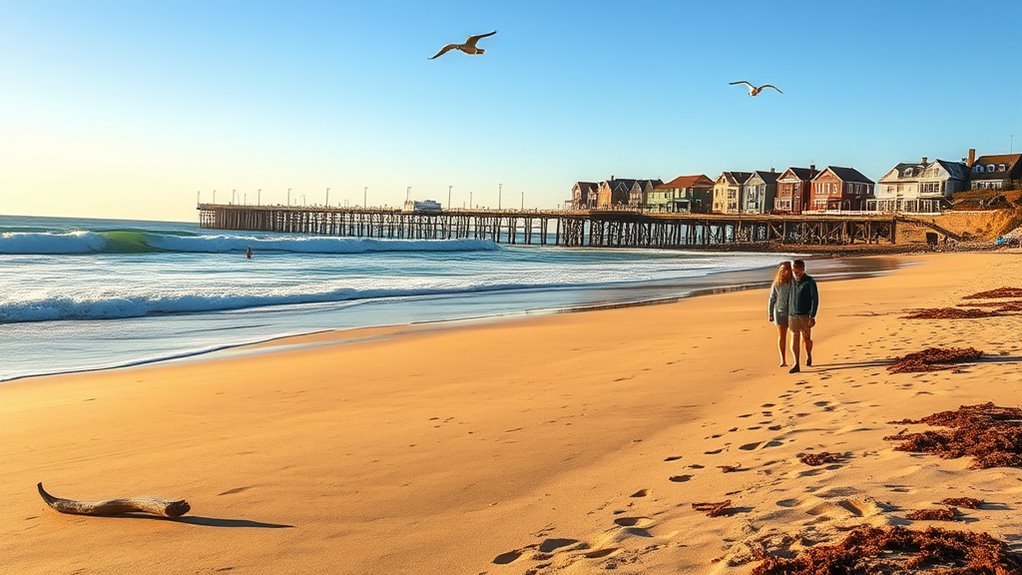
Santa Cruz and Capitola are among the easiest coastal day trips from San Jose. Santa Cruz is about 32 miles away by road, although Highway 17 traffic can make the trip considerably longer on busy weekends.
At Santa Cruz, you can combine the broad beach with the classic seaside amusement atmosphere of the Santa Cruz Beach Boardwalk. The historic Giant Dipper, midway games, arcades, and beach access make this an easy choice for families or anyone who wants several activities in one compact area. Ride schedules vary by date, so check the operating calendar if amusement rides are an important part of your plan.
The nearby Santa Cruz Wharf offers another easy walk with views across Monterey Bay, restaurants, and frequent opportunities to see sea lions or other marine life. If you prefer a slower afternoon, continue a few miles east to Capitola.
Capitola has a smaller, more relaxed feel, with colorful beachfront buildings, cafés, shops, Capitola Beach, and an easy-to-walk village center. A simple day can include the Boardwalk in the morning, lunch near the water, and a late-afternoon walk in Capitola.
Pro Tip: Weekend traffic on Highway 17 can turn a short drive into a slow one. An early departure gives you easier parking and more beach time.
Muir Woods National Monument
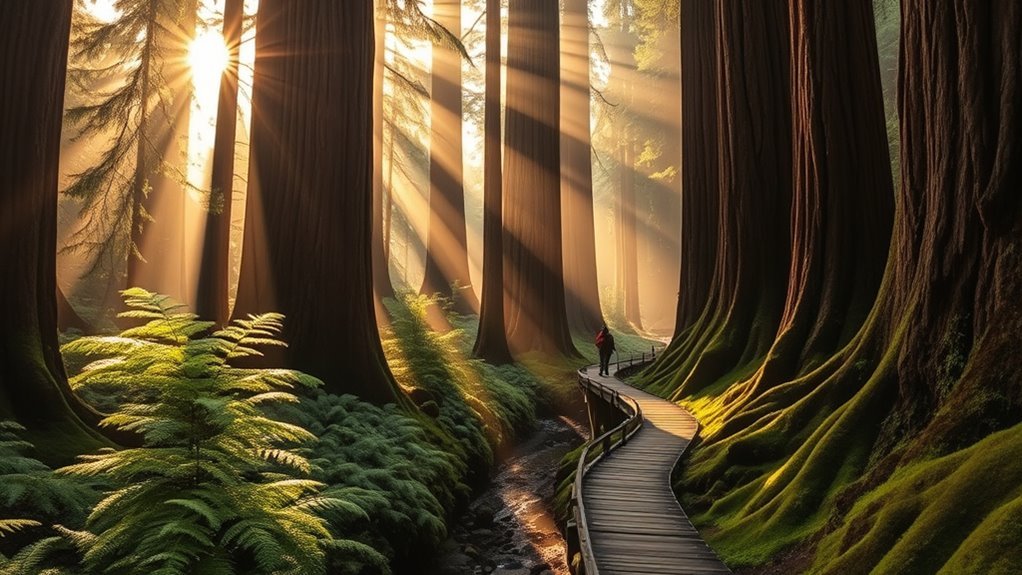
If you want an old-growth redwood experience, Muir Woods National Monument is one of the strongest day trips from San Jose. It is roughly 64 miles away by road, but Bay Area and Golden Gate traffic can push the drive well beyond the no-traffic estimate.
Muir Woods protects an old-growth coast redwood forest where mature trees are commonly hundreds of years old and some exceed 1,000 years. The monument has about 6 miles of trails, including short, mostly level loops through the main redwood grove and longer routes that connect with surrounding Mount Tamalpais State Park.
Reservations are required for visitors arriving in personal vehicles and for shuttle riders. Parking reservations often sell out on weekends and holidays, and cell service is unreliable or absent near the monument. Download your reservation and any offline maps before you arrive.
Pets are not permitted in Muir Woods, although service animals meeting federal requirements are allowed. For visitors with limited mobility, portions of the main trail use boardwalk or firm surfaces, making Muir Woods one of the more approachable redwood experiences in the region.
Some coast redwoods at Muir Woods are more than 1,000 years old, making even a short walk through the main grove feel very different from an ordinary Bay Area hike.
Half Moon Bay and Mavericks
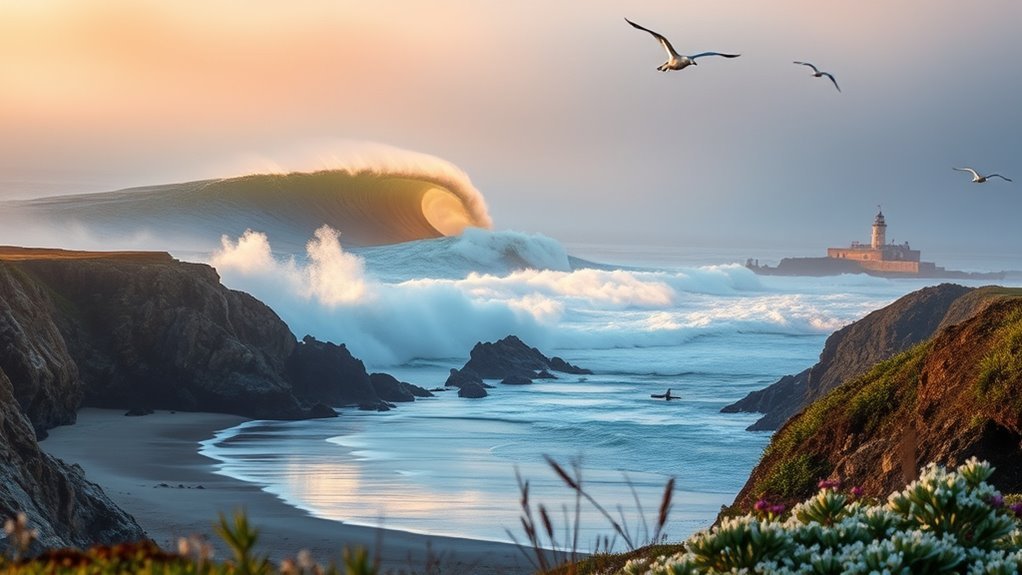
Half Moon Bay is roughly 38–40 miles from San Jose and works well when you want ocean scenery without committing to a very long drive. The area combines broad beaches, bluff-top trails, seafood, seasonal farm stands, and one of the world’s best-known big-wave surf locations.
Beaches and Surf Culture
Mavericks is famous for exceptionally large winter surf and the elite surfers who tackle it when conditions align. For most day-trippers, it is a place to appreciate the coastline and surf culture rather than a place to enter the water.
Warning: Do not treat Mavericks as a casual swimming or beginner-surfing beach. Large swell, cold water, rocks, rip currents, and rapidly changing ocean conditions can be dangerous. Stay well back from breaking waves and follow posted warnings.
For a more relaxed beach day, explore Half Moon Bay State Beach and other established public-access beaches in the area. Conditions differ from beach to beach, so check surf, tide, and weather information before getting in the water.
Half Moon Bay’s downtown area adds cafés, bakeries, and restaurants to the trip, while fall visitors can combine the coast with pumpkin farms and the town’s seasonal festival atmosphere.
Coastal Trails and Views
The bluff-top sections of the California Coastal Trail are ideal when you want ocean views without spending the whole day on the sand. The route around Half Moon Bay offers sections overlooking beaches, harbors, cliffs, and open Pacific water.
Farther north, Fitzgerald Marine Reserve in Moss Beach protects a fragile intertidal ecosystem with sea stars, crabs, mollusks, algae, and other tidepool life. Low tide is generally the best time to visit the tidepools, but never remove or handle marine life.
Note: The normal ramp from Fitzgerald Marine Reserve to the tidepools is currently closed indefinitely. San Mateo County directs visitors from the parking area along the California Coastal Trail toward Cypress Avenue and then down the Seal Cove stairs. Check the county’s current advisories before your visit.
The Cypress Tree Tunnel near Seal Cove is also worth a short stop, but protect the surrounding vegetation and stay on established paths. Bring a windproof layer even on sunny days; the temperature along this coast can feel much colder than in San Jose.
Marin Headlands and Sausalito
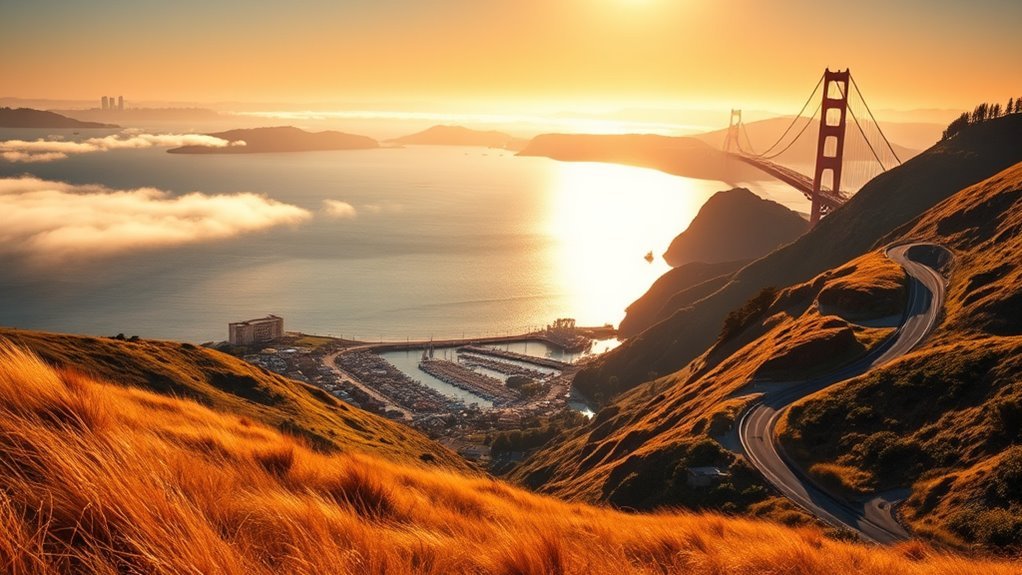
The Marin Headlands pair dramatic coastal scenery with some of the best Golden Gate Bridge viewpoints in the Bay Area. From San Jose, the trip is roughly 58–60 miles before local detours, and traffic through San Francisco can substantially increase driving time.
Battery Spencer and Hawk Hill are popular viewpoints, while trails around Rodeo Beach, Fort Cronkhite, and Point Bonita provide a closer look at the Headlands’ cliffs, military history, and open coastline. Point Bonita Lighthouse requires a walk from the parking area and has limited access hours, so check current National Park Service information if it is a priority.
Cell reception can be unreliable in parts of the Headlands, and food options are limited. Carry water, snacks, and an offline map rather than assuming you can buy what you need after entering the recreation area.
After hiking, continue to Sausalito for a completely different atmosphere. Its waterfront has restaurants, cafés, galleries, and views back toward San Francisco. If your itinerary also includes San Francisco, passenger ferries between Sausalito and the city can turn the bay crossing into part of the experience.
A practical itinerary is to do the Headlands first while you have daylight and energy, then finish with a late lunch or early dinner in Sausalito before driving back to San Jose.
Monterey Bay and Carmel-by-the-Sea
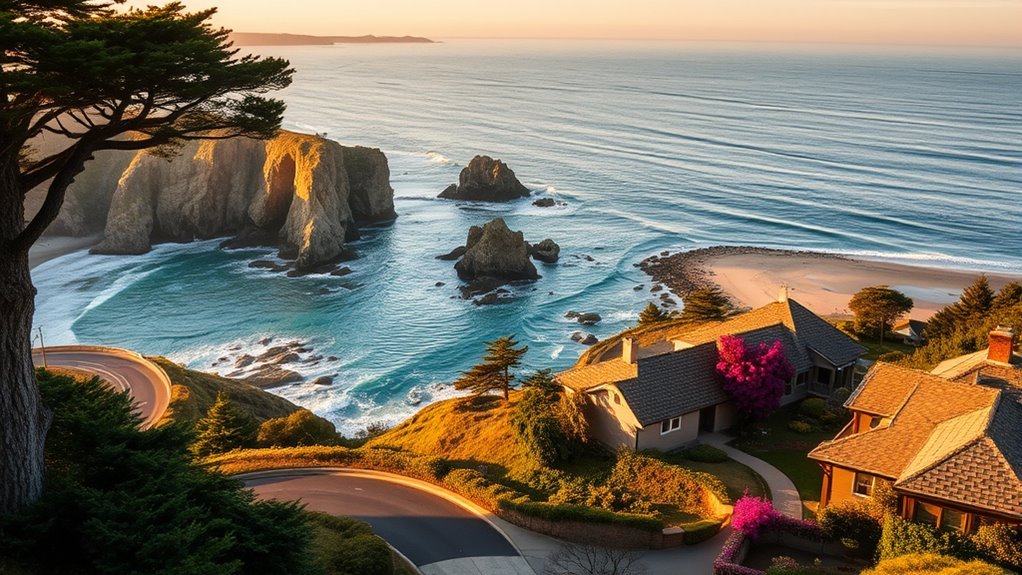
Monterey and Carmel-by-the-Sea make one of the most complete full-day trips from San Jose. Depending on your starting point and traffic, Monterey is roughly 72 miles away, with Carmel a little farther south. Leave early if you want enough time for 17-Mile Drive, Carmel, and Monterey rather than rushing between them.
Scenic 17-Mile Drive
17-Mile Drive winds through Pebble Beach and Del Monte Forest past coastal cliffs, beaches, famous golf courses, Spanish Bay, and the Lone Cypress. It is most enjoyable when you allow time to pull over at the marked viewpoints instead of treating it as a direct road between Monterey and Carmel.
As of 2026, Pebble Beach lists admission at $12.50 per vehicle. The gates are open to the public from sunrise to sunset, and motorcycles are prohibited. Fees and access policies can change, so check the official page before departure.
Point Pinos Lighthouse is another worthwhile historic stop, but it is in Pacific Grove rather than directly on 17-Mile Drive. First lit in 1855, it remains an active navigational aid and is widely recognized as the oldest continuously operating lighthouse on the West Coast. Treat it as an optional stop before or after the scenic drive.
Carmel Village Stroll
After 17-Mile Drive, Carmel-by-the-Sea offers a slower change of pace. Walk Ocean Avenue and the surrounding lanes, browse galleries and boutiques, stop in the village’s small courtyards, and continue downhill toward Carmel Beach if the weather is good.
- Browse galleries and shops: Carmel has a dense collection of art, jewelry, home, and specialty stores within a walkable center.
- Stop for coffee or a bakery: A café break works well between the scenic drive and the beach.
- Walk to Carmel Beach: The broad sandy shoreline is a good final outdoor stop before returning north.
From San Jose, Carmel is generally a full-day destination rather than a quick half-day outing, especially if you combine it with Monterey.
Monterey Bay Wildlife
Monterey Bay is one of California’s best places to build a day around marine life. Depending on location and season, you may see sea otters, harbor seals, sea lions, dolphins, and migrating whales from shore or on a wildlife-watching trip. Sightings are never guaranteed, so think of them as a bonus rather than the foundation of a tight itinerary.
The Monterey Bay Aquarium is a strong choice when weather is poor or when you want a closer look at kelp-forest and Central Coast marine ecosystems. Cannery Row and the Monterey waterfront are also easy to combine with the aquarium.
If you want to see Monterey, 17-Mile Drive, and Carmel in one day, avoid packing too many additional stops into the route. Pick two or three priorities and leave room for scenic pullouts, parking, and traffic.
Point Reyes National Seashore
Point Reyes National Seashore is the most ambitious day trip on this list. It is more than 100 road miles from San Jose to parts of the peninsula, and the drive commonly takes about two to two and a half hours each way before sightseeing. Leave early and choose your stops carefully.
Point Reyes National Seashore combines beaches, open headlands, tule elk, historic ranch landscapes, birding, and the Point Reyes Lighthouse. Gray whales migrate past the area primarily from December through May, while the Tule Elk Preserve at Tomales Point provides one of the park’s best chances to see tule elk.
The Cypress Tree Tunnel and Point Reyes Lighthouse are separate stops, not one continuous walk. Visit the cypress-lined road as its own short stop, then drive farther toward the lighthouse area.
The lighthouse itself requires a walk from the parking area. Access to the Lighthouse Visitor Center and the stairs down to the lighthouse follows limited operating hours, and the National Park Service closes the stairs when winds reach unsafe levels, including winds over 40 mph.
Note: Point Reyes is too large to see comprehensively on a day trip from San Jose. A better plan is to choose one main focus—lighthouse and headlands, Tomales Point and elk, or beaches and shorter walks—and check current road, trail, wildlife, and seasonal closures before leaving.
Bring layers, food, water, binoculars, and an offline map. Fog, high wind, and rapidly changing coastal conditions are normal, and services become limited as you travel deeper into the peninsula.
- Hike: Choose a coastal or headland trail that fits your available daylight and current conditions.
- Watch wildlife: Look for tule elk, seabirds, marine mammals, and seasonal migrating whales from appropriate distances.
- Visit the lighthouse: Check operating hours and wind-related closures before making the long drive to the western end of the park.
Point Reyes rewards a slower itinerary. Trying to check off every landmark usually means spending too much of the day in the car.
Big Basin and Redwoods
Big Basin Redwoods State Park is roughly 40 miles from San Jose, but the mountain roads are slower than the mileage suggests. California’s oldest state park, acquired in 1902, protects coast redwoods in the Santa Cruz Mountains and is still recovering from the destructive 2020 CZU Lightning Complex Fire and later storm damage.
California State Parks currently allows day-use visitation but continues to restore trails, roads, and facilities. The forest you see today includes both surviving old-growth redwoods and a landscape visibly recovering from fire.
Parking reservations are not strictly required for normal day use, but State Parks strongly recommends them because first-come, first-served spaces are limited. The main park campgrounds remain closed, so do not arrive expecting to pitch a tent in the headquarters area.
The park’s short Redwood Grove walks are a practical choice for a first visit. Longer trail availability can change as recovery work progresses. Historic destinations such as Berry Creek Falls remain part of Big Basin’s identity, but you should not assume the traditional route is currently open or suitable. Check the latest park map and ask staff about your intended trail when you arrive.
| What to Do | What to Know in 2026 |
|---|---|
| Redwood Grove walk | A good introduction to surviving old-growth trees and post-fire forest recovery. |
| Berry Creek Falls | Do not rely on older trail descriptions; confirm current access and route conditions before planning the hike. |
| Camping | Main Big Basin campgrounds are currently closed; plan this as a day-use visit unless you have separately confirmed an available authorized camping option. |
| Parking | Reservations are highly recommended because parking is limited. |
Bring your own water. Current State Parks guidance notes that potable tap water is not available at the main day-use area, although bottled drinking water may be available for purchase at the parking kiosk. Cell service is also unreliable.
Big Basin is no longer the same visitor experience described in many pre-2020 travel guides. That is part of what makes the park compelling now: you can see both ancient redwoods and the slow recovery of a fire-adapted forest, provided you respect closures and stay on open trails.
Sources
- National Park Service — Muir Woods National Monument — reservations, pets, basic visitor information, and current access guidance.
- San Mateo County Parks — Fitzgerald Marine Reserve — tidepool ecology, visitor regulations, and current reserve information.
- National Park Service — Marin Headlands — trails, visitor services, access, and planning information.
- Pebble Beach Resorts — 17-Mile Drive — admission, gate hours, vehicle rules, and scenic stops.
- National Park Service — Point Reyes National Seashore — tule elk, whale watching, lighthouse-area activities, and seasonal planning.
- California State Parks — Big Basin Redwoods State Park — current access, parking, camping status, facilities, and recovery information.
Frequently Asked Questions
Are These Trips Family-Friendly With Small Children?
Yes, but choose the destination and activities carefully. Santa Cruz, Capitola, Monterey, Carmel, and the shorter Muir Woods loops are particularly easy to adapt for families. Point Reyes and longer coastal hikes require more driving, weather preparation, and walking. Always check stroller accessibility for the exact trail or attraction you plan to use.
Are Pets Allowed on These Day-Trip Trails or Beaches?
Pet rules vary substantially. Muir Woods does not allow pets, and many wildlife-sensitive areas restrict dogs. Some beaches and trails elsewhere allow leashed dogs. Check the official rules for the exact park or beach instead of assuming one policy applies to an entire destination.
Which Day Trip Is Closest to San Jose?
Santa Cruz is one of the closest major destinations at roughly 32 miles by road. Half Moon Bay is also relatively close at about 38–40 miles. Actual travel time depends heavily on Highway 17, Highway 92, and weekend coastal traffic.
Which San Jose Day Trip Requires an Advance Reservation?
Muir Woods is the most important one to book ahead because reservations are required for personal vehicles and shuttle riders. Big Basin parking reservations are highly recommended rather than universally required. Paid attractions and tours in Monterey or Santa Cruz may also be worth booking in advance on busy dates.
What Local Foods or Restaurants Should I Try Nearby?
The coast is a good place to look for fresh seafood, clam chowder, fish tacos, sourdough sandwiches, bakeries, and locally roasted coffee. Half Moon Bay and Santa Cruz also have strong casual dining options, while Carmel, Monterey, and Sausalito offer everything from cafés to more formal waterfront restaurants.
Are Any of These Locations Wheelchair Accessible?
Yes. Muir Woods has accessible portions of its main trail, and many developed viewpoints, visitor centers, promenades, and waterfront areas at the other destinations have accessible facilities. Accessibility varies greatly on beaches, steep lighthouse routes, unpaved trails, and tidepool areas, so confirm the specific site before your trip.
Do I Need to Book Activities or Permits in Advance?
Sometimes. Muir Woods requires parking or shuttle reservations, while some tours, aquarium visits, special events, campsites, or organized group activities may have separate booking requirements. For state and national parks, check the official site shortly before departure because weather, fire, wildlife, or maintenance can change access.
Conclusion
The best day trip from San Jose depends on how much driving you want to do. Choose Santa Cruz, Capitola, or Half Moon Bay for an easy coastal escape; Muir Woods or Big Basin for redwoods; Monterey and Carmel for a full day of sightseeing; the Marin Headlands for Golden Gate views; or Point Reyes when you have a long day available for a wilder stretch of coast.
Whichever route you choose, check traffic, weather, tides, reservations, and current park conditions before leaving. An early start and a flexible itinerary will usually give you more time for the trails, viewpoints, beaches, wildlife, and meals that make these San Jose day trips worth the drive.
