
Last Updated on July 31, 2026 by Logan Reeves
Disclosure: As an Amazon Associate, we earn from qualifying purchases. If you click a link on this page and make a purchase, we may receive a small commission at no extra cost to you.
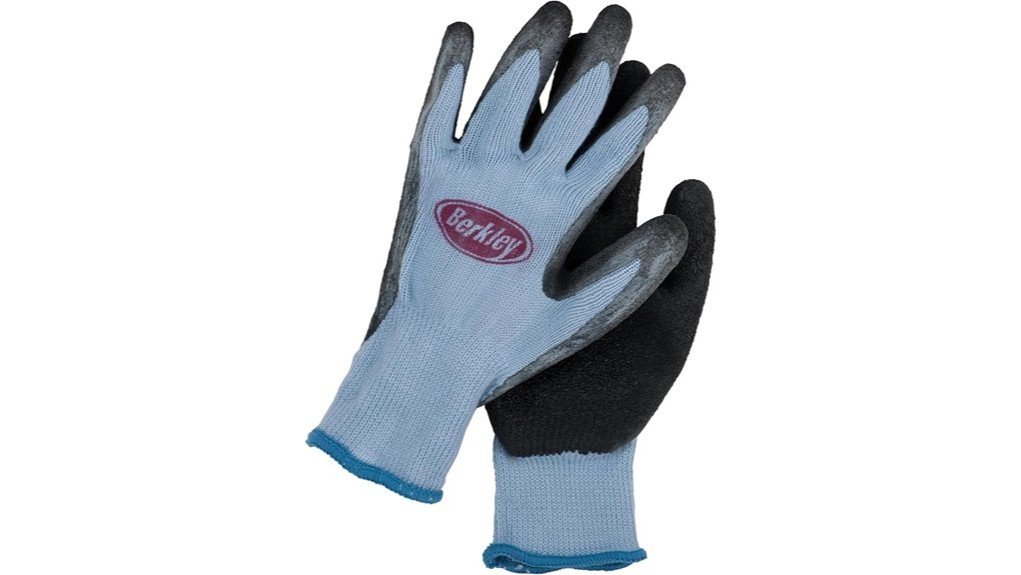
Slippery fish, sharp fins, and exposed hooks can make landing a catch harder than it looks. The Berkley Coated Fishing Gloves BTFG are simple pull-on fish-handling gloves designed to improve grip while adding a basic barrier between your hands and the catch. Their strongest points are the textured coating, flexible feel, washable construction, and one-size convenience. The main tradeoffs are limited sizing, no verified cold-weather insulation, and less protection than a purpose-built cut-resistant or puncture-resistant glove.
Quick Verdict
Rating: Recommended with caveats
Best For: Anglers who want an inexpensive, washable glove for gripping wet, slippery fish.
Bottom Line: The Berkley BTFG provides better fish control than bare, dry hands and remains flexible enough for common landing and release tasks. It is not a cold-weather glove, a fillet glove, or a substitute for pliers and proper hook-handling tools.
| Specification | Detail |
|---|---|
| Brand | Berkley |
| Model | BTFG |
| Product type | Coated fish-handling gloves |
| Design | Pull-on, ambidextrous, textured-grip construction |
| Size | One size |
| Color | Blue/gray listing |
| Package quantity | One pair |
| Listed weight | About 0.23 lb (3.68 oz) |
| Key features | Textured grip, heavy-duty yet flexible construction, washable design |
| Best use | Landing, holding, measuring, photographing, and releasing fish |
| Care | Wash after use and air dry fully before storage |
| Important limitation | Not verified as insulated, waterproof, cut-resistant, or puncture-proof |
What Are the Berkley Coated Fishing Gloves?
The Berkley Coated Fishing Gloves, model BTFG, are reusable gloves made for handling wet fish. Berkley describes them as coated, textured, heavy-duty, flexible, protective against common fish-handling hazards, and washable. The product is sold as a simple grip aid rather than a technical glove with insulation, removable fingers, or a certified cut-resistance rating.
The one-size pull-on design keeps setup simple. You can store the pair in a boat compartment, tackle bag, vehicle, or shore-fishing kit and put them on when a fish is ready to land. Because the gloves focus on grip and basic hand coverage, they make the most sense for anglers who want more control without the bulk of thick winter or processing gloves.
Who Should Buy It?
Best For
- Freshwater or saltwater anglers who struggle to hold wet, active fish securely.
- Boat, bank, pier, and kayak anglers who want a washable pair stored with their landing tools.
- Buyers who value flexibility and basic hand coverage more than warmth or certified cut protection.
Skip If
- You need fitted size choices rather than a one-size glove.
- You need insulation for ice fishing or prolonged exposure to cold water.
- You need verified protection from knife blades, teeth, hooks, or punctures.
Before You Buy: These are fish-handling gloves, not armor. Keep pliers, a hook remover, and suitable cutters available, and never assume the coating will stop a hook, tooth, knife, or sharp spine.
Material and Design Features
Textured Coating and Grip
The main feature is the textured outer coating. A slippery fish can twist, kick, or roll during landing, measuring, and unhooking. The added surface texture gives you more friction than a bare, wet hand, which can reduce fumbling and help you maintain a controlled hold.
That grip is most useful when you are handling smooth-bodied fish or moving a catch from a net to a measuring board. It can also help when your boat deck, tools, or livewell lid are wet. The glove does not replace proper fish support, so use two hands for larger fish and avoid squeezing the body.
Heavy-Duty but Flexible Construction
Berkley positions the glove as heavy-duty yet flexible. That balance matters because a very thick glove can make it hard to control a fish, while a thin utility glove may offer little coverage. The BTFG is intended to bend with your hand so you can cradle a fish, open a compartment, or reach for a tool without immediately removing it.
Flexibility does not mean precision equal to bare fingers. Small split rings, knots, hook eyes, and delicate lures may still be easier to manage after you remove the gloves. Treat them as a handling tool that you put on when the fish reaches the boat or bank, not as an all-day casting glove.
One-Size Pull-On Fit
The pull-on design has no straps, buckles, or hook-and-loop closures to adjust. This makes the pair quick to use, but the one-size format is also its clearest buying risk. A loose glove can bunch or rotate while you hold a fish, while a tight glove can reduce comfort and hand movement.
Check the current listing details before buying because color, packaging, and seller information can change. Buyers with very small or very large hands may get a better fit from a fishing glove offered in measured sizes.
Functionality and Performance
Control During Fish Handling
The glove performs best during short, focused handling tasks. Use it when you need to lift a fish from a rubber net, steady it on a wet measuring surface, support it for a quick photo, or guide it back into the water. The textured coating is the feature that directly improves those tasks.
A secure hold can also protect you from losing control when a fish suddenly thrashes. However, better grip should not encourage a tighter squeeze. Support the fish’s weight and keep your fingers away from the gills, eyes, exposed hooks, and mouth of toothy species.
Basic Hand Coverage
The coated surface adds a practical barrier against slime, rough scales, and minor contact with fins. That can make handling less unpleasant and may help you stay calmer when a fish moves unexpectedly. The glove is especially useful for anglers who hesitate to touch fish with bare hands.
The product does not publish a certified cut, puncture, or impact rating. Use long-nose pliers or a dedicated hook-removal tool instead of placing gloved fingers near a buried treble hook. For filleting and fish processing, choose a glove designed and rated for blade resistance.
Washable, Reusable Design
Fishing gloves collect water, slime, dirt, bait residue, and odor. A washable pair is easier to reuse than a disposable glove, but cleaning still matters. Rinse or hand wash the gloves after a trip, then let both sides dry completely before placing them back in a closed tackle box.
Regular inspection is also important. Replace the pair if the coating cracks, the fabric tears, or the fit becomes unstable. A damaged glove may provide less grip and can hold moisture or debris in worn areas.
Material Safety and Fish Care
Berkley’s current product description confirms a coated, washable design but does not provide a complete material breakdown on the product page. If you have a known sensitivity to rubber, latex, coatings, dyes, or similar glove materials, inspect the packaging and contact the manufacturer before use. Stop using the gloves if they cause skin irritation.
For catch-and-release fishing, wet the gloves before touching the fish and keep handling time brief. Wet contact can reduce damage to the fish’s protective mucus compared with dry handling. Keep the fish supported, avoid the gills, and return it to the water as soon as it can swim away under its own power.
Pro Tip: Put the gloves on and wet them before lifting the fish from the net. Keep pliers, a measuring tool, and your camera ready so you do not extend handling time while searching for gear.
How It Performs in Real Use
Landing Fish at the Boat or Bank
When a fish reaches the edge of the boat or shore, the textured coating can help you transition from netting to hand support. The gloves are most helpful with active fish that are difficult to control with slick, wet hands. Keep the fish close to the water or deck surface so a dropped catch does not fall far.
Measuring and Photographing a Catch
The added grip can help you steady a fish on a wet measuring board and hold it horizontally for a quick photo. Set up the board and camera before lifting the fish. The glove helps with control, but preparation is what keeps the process short and reduces stress on the catch.
Catch-and-Release Fishing
For release fishing, wet the gloves first and minimize contact. The coating should not be treated as permission to hold the fish longer or squeeze harder. Use a rubber or knotless net when practical, support the body with both hands, and avoid dragging the fish across carpet or a dry deck.
Tackle-Box and Multipurpose Use
The flexible coated design can also help with wet lids, ropes, coolers, and general cleanup around a boat or fishing area. That versatility gives the gloves value beyond one catch. Still, keep them away from tasks that require certified chemical, heat, blade, or puncture protection.
How to Use the Gloves Correctly
- Inspect the pair: Check the coating and fabric for tears, holes, or worn areas before leaving home.
- Prepare your tools: Place pliers, a hook remover, cutters, a measuring board, and a rubber net where you can reach them.
- Put the gloves on before handling: Do not wait until a fish is thrashing on the deck.
- Wet the gloves: Moisture reduces dry friction against the fish’s protective surface.
- Support the fish: Use a controlled hold and support larger fish horizontally with both hands.
- Avoid dangerous contact: Keep fingers away from hooks, gill plates, teeth, and sharp dorsal spines.
- Clean after the trip: Wash, rinse, air dry, and store the pair only when fully dry.
Care and Maintenance Tips
Simple maintenance helps preserve grip and reduces odor. Follow the product label first, especially if its care instructions differ from the general routine below.
| Action | When | Why It Matters |
|---|---|---|
| Rinse or hand wash | After each trip | Removes slime, dirt, salt, and bait residue |
| Air dry fully | After washing | Limits trapped moisture and odor |
| Inspect coating and fabric | Before each use | Finds tears or worn grip areas before handling a fish |
| Store in a ventilated area | Between trips and off-season | Prevents damp storage inside a closed tackle box |
Pros and Cons
Pros
- Textured coating improves control on wet, slippery fish.
- Flexible construction supports normal hand movement.
- Washable design allows repeated use.
- Pull-on format is quick to use during landing.
- Compact pair is easy to keep in a boat or tackle bag.
Cons
- One-size design may fit some hands poorly.
- No verified insulation, waterproofing, or certified cut rating.
- Not a substitute for pliers, hook removers, or a fillet glove.
Is It Worth the Price?
The Berkley BTFG sits in the budget end of fish-handling gloves. It offers strong value for the price when your main goal is simple: get a more secure grip on wet fish and keep a washable barrier in your tackle kit. The reusable design can be a smarter buy than repeatedly using disposable gloves for routine handling.
Value drops if the one-size fit is poor or your fishing conditions demand specialized protection. Cold-weather anglers should compare insulated gloves, while anglers cleaning fish should use a rated cut-resistant option. The Berkley pair makes the most sense when grip, flexibility, and easy cleanup matter more than technical protection.
How It Compares to Alternatives
The Promar Latex Grip Fishing Gloves are worth comparing if you want a size-specific option, while the Rapala Non-Slip Marine Gloves may appeal to buyers who want a heavier fish-control glove offered in defined sizes. A rubber landing net or fish-grip tool can also reduce direct hand contact, although each option changes how you support and control the fish.
The Berkley BTFG stands out for its simple one-size pull-on design and flexible textured coating. Choose it for lightweight, occasional fish handling. Choose a more specialized alternative when you need measured sizing, warmth, certified cut protection, or stronger coverage around toothy fish.
Frequently Asked Questions
What size are the Berkley Coated Fishing Gloves?
The BTFG listing uses a one-size design. That is convenient, but it may feel loose on small hands or restrictive on very large hands, so check the current seller details and return policy before ordering.
Are the gloves waterproof?
The product is described as coated and washable, but the listing does not verify full waterproof performance. Expect the pair to handle wet fish and splashes, not to keep your hands dry during prolonged submersion.
Do they protect against hooks and fish teeth?
They provide basic hand coverage, but no certified puncture or cut rating is published for this model. Use pliers, hook removers, cutters, and species-appropriate handling tools rather than relying on the glove to stop a hook or tooth.
Are they suitable for cold-water or ice fishing?
No insulation rating is listed. They may add a light barrier during brief handling, but they should not replace insulated winter gloves when cold exposure is a concern.
Can you use them for catch and release?
Yes, but wet the gloves before contact, support the fish properly, and keep handling brief. Avoid touching the gills and return the fish to the water quickly.
How should you clean and store them?
Rinse or hand wash the gloves after fishing, then air dry them completely. Store them in a cool, ventilated area rather than sealing a damp pair inside a tackle box.
Can you use the gloves for filleting fish?
They are made for fish handling, not verified blade protection. Use a properly rated cut-resistant fillet glove when working with knives.
The Bottom Line
The Berkley Coated Fishing Gloves BTFG are a practical choice for anglers who want more grip on slippery fish without wearing a bulky technical glove. Buy them for flexible, washable fish handling, but skip them when you need measured sizing, cold-weather insulation, or certified protection from blades, hooks, teeth, and punctures.
Ready to Buy?
Check the latest price, fit details, and product information before you decide.
