
Last Updated on July 27, 2026 by Daniel Globe
KEEN has been making outdoor footwear since 2003, when the brand introduced the protective-toe Newport sandal. Today, its trail lineup includes hiking shoes, mid-height boots, waterproof models, and hybrid sandals designed for different kinds of outdoor use. That variety makes KEEN a practical brand to consider, but not every KEEN shoe is built for the same trail or foot shape.
The strongest reasons hikers choose KEEN are its roomy forefoot designs, protective toe bumpers, trail-focused outsoles, and waterproof options. Current models such as the Targhee II and Targhee IV also show why it is important to compare individual shoes rather than assume every KEEN uses the same cushioning, outsole, or support system.
Quick Answer
Yes, many KEEN hiking shoes and boots are good for hiking when the model fits your feet and the trail. Targhee models offer protective construction, roomy forefoot space, trail-ready traction, and waterproof options. However, KEENs can feel bulky or roomy for some hikers, and traction varies by model and surface.
Key Takeaways
- KEEN makes legitimate hiking shoes, boots, and sandals, but features differ substantially from one model to another.
- The Targhee II combines a roomy Original Fit, 4 mm multidirectional lugs, an external stability shank, and KEEN.DRY waterproofing in waterproof versions.
- The newer Targhee IV uses KEEN.FUSION bonded construction, Luftcell cushioning, and a KEEN.RUGGED outsole rather than simply copying the older Targhee design.
- KEEN’s roomy forefoot can work especially well for hikers who want more toe space, while hikers with narrow or low-volume feet should pay close attention to heel security.
- Waterproof KEENs can be useful in rain, mud, and wet vegetation, but a waterproof membrane can feel warmer than a more ventilated non-waterproof shoe.
Disclosure: As an Amazon Associate I earn from qualifying purchases. Some links on this page are affiliate links, at no extra cost to you.
Durability and Support
Durable Construction
KEEN’s hiking footwear uses different materials depending on the model. For example, the current Targhee II Waterproof uses a leather and performance-mesh upper, while the Newport H2 uses washable polyester webbing. That is why it is better to judge durability model by model instead of assuming every KEEN is built from the same materials.
The Targhee IV takes a different approach again. According to KEEN’s current Targhee IV specifications, it uses KEEN.FUSION construction that bonds the upper and sole without a traditional glued connection. KEEN designed this system to address sole separation and improve long-term durability.
Stability and Support
Support also varies by model. The Targhee II uses a foam midsole for cushioning and an external stability shank to provide a firmer platform underfoot. It also includes a contoured heel lock designed to help secure the rear of the foot.
The Targhee IV instead uses air-injected Luftcell cushioning. Neither construction is automatically better for every hiker. A softer or more flexible shoe can feel comfortable on easy trails, while a firmer platform may feel more controlled on uneven ground or under a heavier pack.
Reliable Performance Depends on the Hike
KEEN’s trail models can work for day hiking, wet-weather walks, and moderate backpacking, but footwear should match the terrain. A low hiking shoe that feels excellent on maintained trails is not automatically a replacement for a more supportive boot on rough backcountry routes.
The National Park Service’s hiking-safety guidance recommends proper walking footwear and specifically points hikers toward sturdy rubber-soled hiking boots for dirt and gravel trails. Trail difficulty, weather, pack weight, and personal stability should all influence your choice.
Traction and Grip

Traction is one of the most important parts of a hiking shoe, but there is no single “KEEN outsole.” Different models use different compounds and tread patterns.
The Targhee II uses a KEEN.ALL-TERRAIN rubber outsole with 4 mm multidirectional lugs. These lugs are designed to bite into dirt, mud, and uneven trail surfaces. The current Targhee EXP also uses KEEN.ALL-TERRAIN rubber and 4 mm multidirectional lugs.
The Targhee IV uses KEEN.RUGGED outsole technology instead. The design is intended to provide durable trail traction while working with the shoe’s fused construction.
For wet-weather and water-oriented use, the Newport H2 uses a multidirectional lug pattern with razor siping. Those small cuts in the outsole increase the number of edges contacting a wet surface and are specifically designed to improve wet-surface grip.
Warning: No hiking shoe guarantees secure footing on wet rock, algae, loose gravel, mud, ice, or steep slopes. Slow down on slick surfaces, shorten your stride, and use trekking poles or dedicated traction devices when conditions call for them.
Comfort and Fit
| Fit Check | What to Look For | Why It Matters |
| Forefoot | Toes can spread and wiggle without sliding around | Helps prevent toe pressure as feet swell during longer hikes |
| Heel | Secure with minimal lifting while walking uphill | Excessive heel movement can increase rubbing and blister risk |
| Toe Length | Enough room that toes do not strike the front on descents | Downhill impacts can cause sore or bruised toes in footwear that is too short |
| Width | Choose regular Original Fit or an actual Wide version where offered | A roomy toe box is not the same thing as a true wide-volume shoe |
Comfort is one of KEEN’s best-known design priorities. Many Targhee models use what the company calls Original Fit, which provides generous space across the forefoot so the toes can spread naturally. That shape can be especially appealing to hikers who dislike tapered toe boxes.
However, roomy does not automatically mean properly fitted. Your heel should remain secure, your foot should not slide from side to side, and your toes should have enough room to avoid hitting the front during descents.
Selected KEEN models also come in dedicated wide versions. For example, the Targhee II Wide is designed with extra overall foot volume and girth rather than simply adding room around the toes.
REI’s current hiking-footwear guide recommends a fit that is snug everywhere but tight nowhere, with space to wiggle the toes. It also recommends trying footwear with the socks you intend to hike in and breaking in stiffer hiking footwear before a major trip.
Pro Tip: Test new KEENs late in the day, when feet may be slightly larger, and wear your normal hiking socks. Walk uphill and downhill if possible. Your heel should stay controlled and your toes should not strike the front of the shoe.
Waterproofing and Breathability
Some KEEN hiking shoes and boots are waterproof; others are intentionally more ventilated or water-friendly. Always check the exact model rather than assuming the entire brand is waterproof.
Waterproof Targhee II and Targhee IV models use KEEN.DRY, the company’s waterproof, breathable membrane. The membrane is intended to block external moisture while allowing water vapor from inside the shoe to escape.
That does not make waterproof footwear as airy as an open sandal or highly ventilated non-waterproof shoe. Any waterproof membrane creates a tradeoff: it can help in rain, mud, wet grass, and shallow splashes but may feel warmer in hot, dry weather.
Water can also enter over the collar of any waterproof shoe or boot. Deep stream crossings can therefore soak a waterproof model from the top, after which trapped water may take time to drain and dry.
Note: Choose waterproof KEENs for consistently wet conditions, mud, wet vegetation, or cool weather. For hot, dry trails, a more breathable non-waterproof model may feel better and dry faster after getting wet.
Versatility for Different Terrains
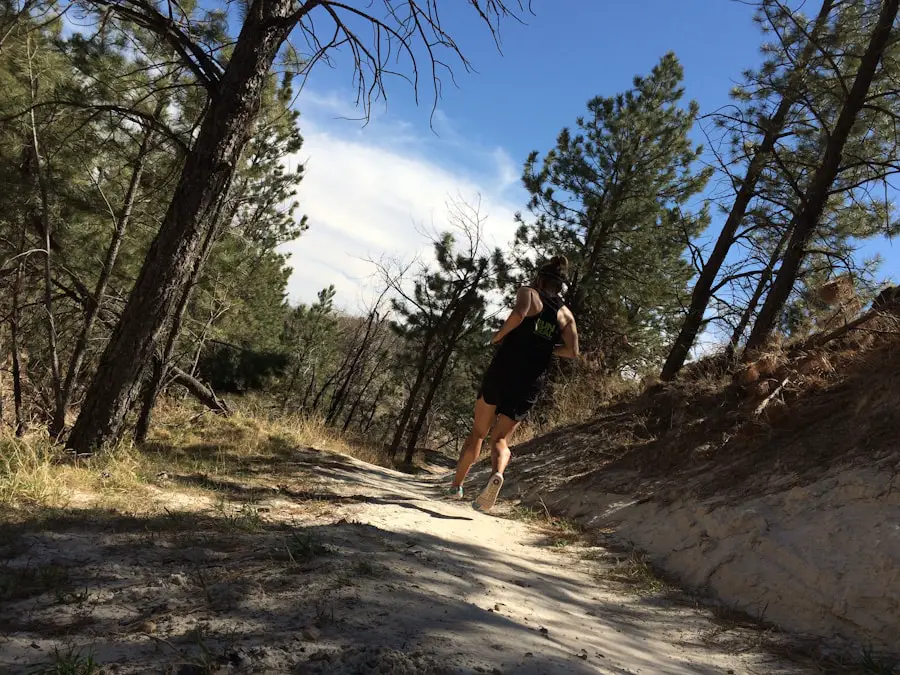
KEEN offers several types of trail footwear, so the best choice depends on where and how you hike. A heavy-duty waterproof shoe is unnecessary for every easy trail, just as an open sandal is not the ideal choice for every rough backcountry route.
| KEEN Option | Best Match | Key Consideration |
| Targhee II Waterproof | Traditional hiking, wet day hikes, moderate overnight trips | Roomy Original Fit, 4 mm lugs, stability shank, waterproof membrane |
| Targhee IV Waterproof | Hikers prioritizing durable fused construction and substantial cushioning | KEEN.FUSION construction, Luftcell cushioning, KEEN.RUGGED outsole |
| Targhee EXP Waterproof | Hikers wanting Targhee-style support in a more streamlined synthetic design | KEEN.ALL-TERRAIN outsole, 4 mm lugs, stability shank, KEEN.DRY |
| Newport H2 | Warm-weather hikes, boating, streamside travel, mixed water/trail use | Open sandal design, protective toe bumper, quick-dry materials, razor-siped traction |
The Targhee II remains a practical all-around choice for hikers who like its traditional roomy fit. The Targhee IV provides a newer construction designed around long-lasting cushioning and a fused upper-to-sole connection. The Targhee EXP offers another current option with a more streamlined synthetic upper.
The Newport H2 occupies a different category. It is part water sandal and part trail footwear, with quick-drying materials, protective toe coverage, and wet-surface siping. It can be useful for warm-weather adventures with frequent water exposure, but its open construction provides less coverage against loose debris, cold weather, sharp vegetation, and some backcountry hazards than a closed hiking shoe or boot.
When KEEN Hiking Shoes May Not Be the Best Choice
KEEN works well for many hikers, but no brand fits everyone. Consider another design if any of these points describe you:
- Your feet are narrow or low-volume. KEEN’s Original Fit intentionally provides generous forefoot space. A secure heel and midfoot matter just as much as toe room.
- You want the lightest possible footwear. Protective toe bumpers, leather, waterproof membranes, and substantial midsoles can make some KEEN hikers feel heavier or bulkier than minimalist trail shoes.
- You hike mainly in hot, dry conditions. A waterproof KEEN.DRY model may retain more warmth than a highly ventilated non-waterproof shoe.
- You need technical mountaineering footwear. General hiking shoes and boots should not be confused with specialized footwear designed for crampons, alpine climbing, or severe winter terrain.
- You expect one outsole to grip everything. Mud, wet slabs, ice, loose scree, and dry dirt present very different traction challenges.
Customer Reviews and Feedback
Customer reviews can help reveal recurring fit preferences, but they should not be treated as proof that every KEEN will perform the same way. One hiker may love a roomy toe box while another may experience too much heel movement. A waterproof shoe that performs well in shallow puddles may also behave differently during hours of sustained rain or after extensive wear.
Pay the most attention to reviews from people with a similar foot shape who used the exact model on terrain similar to yours. Also check whether the reviewer is discussing the current generation of the shoe. Targhee II and Targhee IV, for example, use substantially different midsole and outsole constructions despite sharing the Targhee name.
Fit should ultimately be decided on your own feet. A shoe that feels wrong in the heel, presses on the toes, or creates hot spots during a short test walk is unlikely to improve merely because the model has strong reviews.
Sustainability and Current KEEN Materials
KEEN’s environmental claims are more specific today than the broad “eco-friendly” language often used to describe the brand. The company calls its approach Consciously Created.
According to KEEN’s current supply-chain transparency policy, the company has worked to keep its products and packaging free of PFAS since 2018. KEEN also states that it uses PFAS-free water-repellent treatments where water repellency is needed and tests materials and finished goods as part of that policy.
KEEN also reports using Leather Working Group-certified tanneries for its leather sourcing and incorporating recycled or upcycled materials into selected footwear. These practices do not make footwear impact-free, but they are more useful indicators than simply labeling a shoe “green.”
Are Keens Good for Hiking?
Yes. KEEN makes several hiking shoes and boots that can be good choices for day hikes, wet-weather hiking, maintained trails, and moderate backpacking. The brand’s strongest characteristics include generous forefoot space on Original Fit models, protective toe bumpers, dedicated trail outsoles, waterproof options, and multiple levels of support.
The important qualification is that “KEEN” is a brand, not one shoe. A Targhee II, Targhee IV, Targhee EXP, and Newport H2 differ in construction, weight, ventilation, cushioning, and intended use. The right model should match your terrain, weather, pack weight, foot volume, and preference for flexibility versus support.
A roomy toe box and aggressive tread are useful only when the rest of the shoe fits securely and matches the trail you actually hike.
Before heading into the backcountry, test new footwear on shorter walks and hikes. The National Park Service recommends appropriate walking footwear and sturdy rubber-soled hiking boots for dirt and gravel trails, along with moisture-wicking socks for longer hikes. Choosing by terrain and fit is more reliable than choosing by brand reputation alone.
Frequently Asked Questions
What are KEEN hiking shoes?
KEEN hiking shoes are trail-focused shoes and boots designed with combinations of features such as protective toe bumpers, cushioning, stability components, lugged outsoles, and optional waterproof membranes. The exact materials and technologies differ by model.
Are KEEN hiking shoes good for hiking?
Yes. Models such as the Targhee II, Targhee IV, and Targhee EXP are purpose-built for hiking. They can work well when their fit, support, traction, and weather protection match your trail conditions and foot shape.
What are the main features of KEEN hiking shoes?
Depending on the model, features can include a roomy Original Fit forefoot, protective toe bumper, lugged rubber or KEEN.RUGGED outsole, cushioning, stability shank, heel-lock design, and KEEN.DRY waterproofing. Do not assume every KEEN model includes all of these technologies.
Are KEEN hiking shoes waterproof?
Some are. Waterproof models such as the Targhee II Waterproof and Targhee IV Waterproof use KEEN.DRY, while other KEEN footwear is designed to emphasize ventilation, fast drying, or water-friendly use instead. Check the exact model name and specifications before buying.
Do KEEN hiking shoes have good traction?
Many KEEN hiking models use trail-focused lug patterns. The Targhee II uses KEEN.ALL-TERRAIN rubber with 4 mm multidirectional lugs, while the Newport H2 uses multidirectional lugs and razor siping for wet surfaces. Grip still varies with the model, terrain, outsole wear, and conditions.
Are KEEN hiking shoes good for wide feet?
They can be. KEEN’s Original Fit provides generous forefoot space, and selected models such as the Targhee II are also sold in dedicated Wide versions with additional overall foot volume. Hikers should still check heel and midfoot security rather than judging fit by toe-box width alone.
Which KEEN is best for hiking?
For a traditional all-around waterproof hiker, the Targhee II is a useful starting point. The Targhee IV offers newer fused construction and Luftcell cushioning, while the Targhee EXP provides a more streamlined Targhee-style option. Newport H2 sandals are better suited to warm mixed water-and-trail adventures than cold or highly exposed backcountry routes.
Sources
- KEEN — Targhee II Waterproof — Original Fit, cushioning, stability shank, KEEN.ALL-TERRAIN traction, 4 mm lugs, materials, and KEEN.DRY waterproofing.
- KEEN — Targhee IV Waterproof Hiking Shoe — KEEN.FUSION construction, Luftcell cushioning, KEEN.RUGGED outsole, fit, and waterproofing.
- KEEN — Newport H2 Sandal — Newport history, quick-dry construction, multidirectional lugs, and razor-siped traction.
- KEEN — Supply Chain Transparency — PFAS policy and current chemical-management practices.
- REI Co-op — How to Choose Hiking Boots and Hiking Shoes — hiking-footwear fit, footwear types, terrain considerations, and break-in guidance.
- U.S. National Park Service — Hike Smart — hiking footwear and equipment safety guidance.

