
Last Updated on July 26, 2026 by Daniel Globe
American Airlines, one of the largest carriers in the world, is actively evaluating options to modernize its long-haul fleet and enhance operational efficiency. Among the primary wide-body aircraft under consideration is the Boeing 777-9, a state-of-the-art flagship jet designed to redefine intercontinental travel with advanced aerodynamic engineering, twin GE9X engines, and improved fuel economy. Integrating the 777-9 aligns directly with American Airlines’ long-term strategy of reducing operating costs while delivering a premium passenger experience on high-density global routes.
Quick Answer
American Airlines is evaluating the Boeing 777-9 as a potential flagship replacement for its aging wide-body long-haul aircraft. Offering seating for up to 426 passengers, a range exceeding 7,200 nautical miles, and a 10% to 12% improvement in fuel efficiency per seat over older models, the 777-9 would significantly boost international route capacity and environmental efficiency.
Key Takeaways
- Fleet Modernization: The Boeing 777-9 represents the next-generation wide-body solution to update American Airlines’ long-haul long-distance capability.
- Advanced Specs: Features cutting-edge GE9X engines, composite wings with folding wingtips (Code E gate compatibility), and reduced operating costs.
- Capacity & Efficiency: Delivers 10–12% lower fuel consumption per seat and increased cabin space compared to previous-generation Boeing 777 models.
- Passenger Comfort: Provides a wider cabin, lower cabin pressure altitude (6,000 ft), larger windows, and reduced interior noise.
Disclosure: As an Amazon Associate I earn from qualifying purchases. Some links on this page are affiliate links, at no extra cost to you.
Overview of the Boeing 777-9 Jet
The Boeing 777-9 is the flagship model of Boeing’s 777X family, engineered to succeed the highly popular 777-300ER. Boasting a maximum seating capacity of approximately 426 passengers in a standard two-class configuration, the 777-9 is tailored specifically for high-demand, high-density intercontinental routes.
One of its defining structural innovations is its massive 235-foot carbon-fiber composite wingspan. To ensure the aircraft can access existing airport gates without requiring costly infrastructure modifications, Boeing incorporated an innovative 11-foot folding wingtip design. When folded on the taxiway, the wingspan shrinks to 212 feet, maintaining standard ICAO Code E gate compatibility.
Pro Tip: Folding wingtips allow the massive 777-9 to fly with the aerodynamic efficiency of an ICAO Code F aircraft while parking in standard Code E airport gates used by current Boeing 777 and 787 fleets.
Powering the 777-9 are two General Electric GE9X turbofan engines—the largest and most powerful commercial jet engines ever constructed. Coupled with advanced aerodynamic sculpting and composite construction, the 777-9 achieves up to a 10% reduction in fuel burn and emissions compared to competing long-haul wide-body jets. With a design range reaching 7,285 nautical miles, the 777-9 enables seamless non-stop travel across transcontinental and transoceanic flight corridors.
American Airlines’ Current Fleet Overview
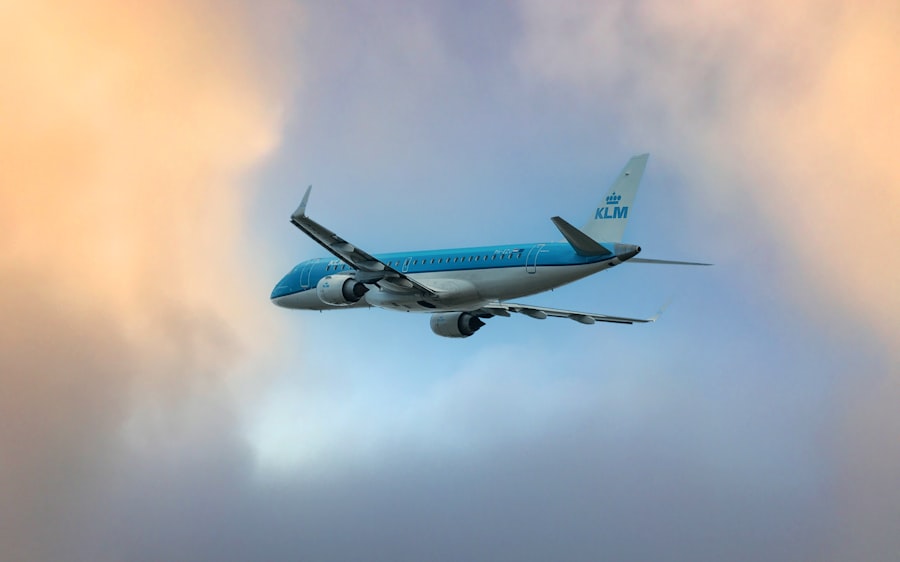
American Airlines operates one of the largest passenger fleets in global aviation, combining narrow-body and wide-body aircraft from Boeing and Airbus to serve domestic and international networks. In the long-haul segment, the carrier relies primarily on two key wide-body platforms: the Boeing 777-200ER, the Boeing 777-300ER, and the Boeing 787 Dreamliner series (787-8 and 787-9).
While the 787 Dreamliner fleet provides exceptional efficiency on medium-to-long long-haul routes, American’s older Boeing 777-200ER aircraft will increasingly require retirement or strategic replacement over the coming decade. Evaluating the Boeing 777-9 allows decision-makers to plan a seamless transition, replacing aging wide-body jets with higher-capacity, lower-emission aircraft capable of serving high-volume international hubs like Dallas/Fort Worth (DFW), Miami (MIA), and London Heathrow (LHR).
Benefits of the 777-9 for American Airlines
At a Glance: Boeing 777-9 Performance Metrics
| Passenger Capacity | ~426 seats (vs. 304 in AA 777-300ER / ~273 in 777-200ER) |
| Fuel Efficiency | 10% to 12% lower fuel burn and CO₂ emissions per seat |
| Design Range | 7,285 nautical miles (13,500 km) |
| Cabin Enhancements | 16-inch wider cabin, larger dimmable windows, 6,000 ft cabin altitude |
Integrating the Boeing 777-9 into American Airlines’ fleet brings strategic operational and economic benefits:
- Substantial Cost Reductions: Jet fuel represents one of the largest variable expenses for any airline. The 10–12% efficiency gain per seat lowers operating expenses on long-haul routes significantly over thousands of annual flight hours.
- Higher Passenger Throughput: With a capacity of over 400 passengers in a standard multi-class layout, the 777-9 enables American Airlines to maximize revenue at slot-constrained airports like London Heathrow (LHR) and Tokyo Haneda (HND) without adding extra flight frequencies.
- Elevated In-Flight Comfort: Features drawn from Dreamliner architecture—including higher cabin humidity, larger overhead bins, customized LED mood lighting, and lower cabin pressure altitude—reduce jet lag and passenger fatigue on flights over 10 hours.
Potential Challenges of Introducing the 777-9
While the long-term strategic advantages are clear, introducing a brand-new aircraft platform involves operational complexity and significant capital commitment:
Warning: Integrating new wide-body aircraft types requires substantial upfront investment in pilot type-ratings, dedicated flight simulators, specialized ground support equipment, and spare engine inventories.
- Capital Expenditures: List prices for modern wide-body aircraft can exceed $400 million per unit before customary fleet volume discounts. Securing multi-billion-dollar financing while preserving debt-to-equity ratios requires careful balance-sheet management.
- Training and Operations: Flight crews, cabin attendants, and maintenance engineers must undergo comprehensive training programs approved by the Federal Aviation Administration (FAA) to certify operational safety on the new platform.
- Supply Chain & Logistics: Establishing dedicated spare parts inventory, line-maintenance protocols, and ground tooling across international outstations introduces transitional overhead costs.
Comparison with Competing Aircraft
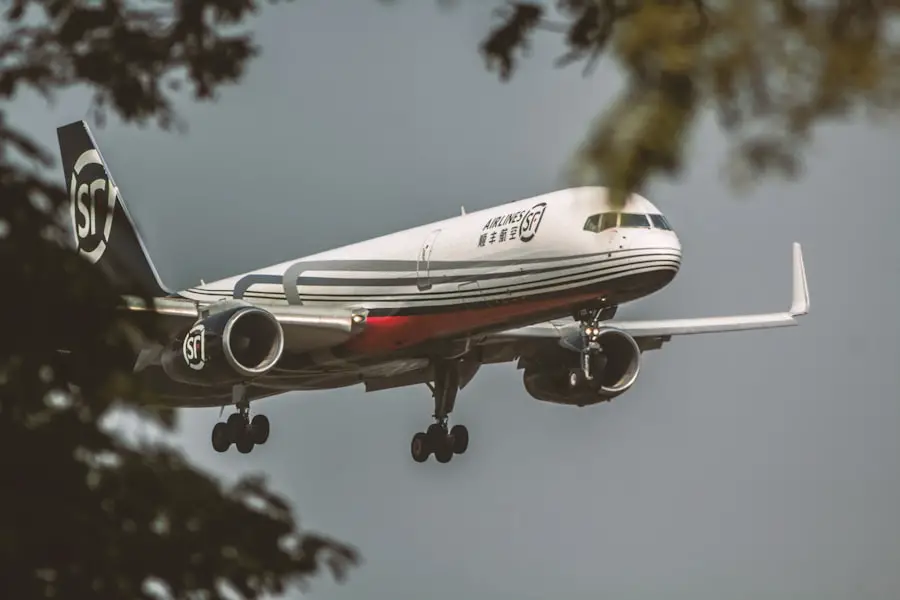
When evaluating new wide-body investments, American Airlines considers rival aircraft platforms in the long-haul marketplace—most notably the Airbus A350-1000 and Boeing’s own 787-10 Dreamliner.
“Evaluating the 777-9 alongside the Airbus A350-1000 allows airline planners to weigh maximum passenger seating capacity against aircraft operating weight, payload range, and fleet commonality.”
The Airbus A350-1000 serves as the primary competitor to the 777-9, offering impressive fuel economy through extensive composite construction. However, the 777-9 features a slightly wider interior cabin and greater maximum passenger capacity. Meanwhile, the Boeing 787-10 provides outstanding operating economics on medium-haul routes but lacks the extreme range and cargo capability of the larger 777-9 for ultra-long-haul intercontinental routes.
Potential Impact on American Airlines’ Routes and Services
Deploying the Boeing 777-9 would give American Airlines new strategic options across its international flight network:
- Unlocking New Long-Haul Markets: The extended 7,285 nautical mile range allows American to explore direct non-stop service connecting U.S. hubs to high-growth markets across Southeast Asia, Africa, and the Middle East.
- Optimizing Premium Transatlantic and Transpacific Corridors: On core routes such as Dallas/Fort Worth to Tokyo, or Miami to Buenos Aires, replacing smaller jets with the 777-9 enables higher passenger volumes and increased belly-cargo revenue per flight.
- Boosting Customer Loyalty: Offering next-generation flagship suites, reduced cabin noise, and modern entertainment systems enhances brand affinity among premium business travelers.
Financial Considerations for American Airlines
The financial justification for acquiring the 777-9 hinges on total cost of ownership (TCO) calculations. Key considerations for financial analysts include:
Primary operating cost reductions stem from lower fuel consumption and extended maintenance cycles on GE9X engines. Balanced against these savings are lease/debt service costs, crew transition expenses, and depreciation. Furthermore, the 777-9 offers increased cargo hold volume, creating an extra revenue stream from international freight handling on high-density trade lanes.
Environmental and Sustainability Implications
As international regulations and corporate ESG commitments push airlines toward net-zero carbon goals, fleet modernization serves as the most immediate tool to lower emissions.
Note: Replacing previous-generation wide-body jets with advanced composite aircraft like the Boeing 777-9 immediately cuts CO₂ emissions by up to 12% per seat while reducing noise footprints by up to 40%.
The 777-9 is also certified to operate on Sustainable Aviation Fuel (SAF) blends, helping American Airlines advance toward its stated goals of reducing carbon intensity across global operations over the coming decades.
Customer Experience and Comfort
In-flight passenger experience plays an indispensable role in maintaining competitive edge on long routes. The Boeing 777-9 introduces a re-architected cabin design offering noticeable interior enhancements:
- Wider Cabin Walls: Interior sculpting adds 16 inches of usable cabin width, permitting wider seats in economy and expanded layout options for premium suites.
- Advanced Architecture: Architecture adapted from the 787 provides custom LED lighting sequences, reduced cabin altitude pressure (6,000 ft equivalent), cleaner air filtration, and higher relative humidity.
- Panoramic Windows: Larger, strategically positioned windows increase natural cabin light and visual spaciousness for all travelers.
Conclusion and Future Outlook
Evaluating the Boeing 777-9 places American Airlines at an important strategic threshold in long-haul fleet planning. Balancing the multi-billion-dollar capital commitment against clear efficiency gains, expanded seat capacity, and superior passenger comfort will dictate the carrier’s wide-body strategy for decades to come. As international air travel demand grows, adopting next-generation long-haul platforms like the 777-9 offers American Airlines a direct path to enhance route profitability, meet sustainability commitments, and maintain leadership in global aviation.
Frequently Asked Questions
What is the Boeing 777-9 jet?
The Boeing 777-9 is a wide-body, twin-engine long-haul commercial jet airliner developed by Boeing. It is the largest model in the 777X aircraft family, featuring carbon-fiber composite wings with folding wingtips and advanced General Electric GE9X engines.
What is American Airlines’ current position in global aviation?
American Airlines is a major U.S. network carrier headquartered in Fort Worth, Texas. It operates one of the largest passenger fleets worldwide, maintaining hub operations across key U.S. cities including Dallas/Fort Worth, Miami, Charlotte, and Chicago O’Hare.
Is American Airlines officially purchasing the Boeing 777-9?
Airlines continuously evaluate fleet plans and manufacturer options. While American Airlines closely evaluates new wide-body platforms like the 777-9 to plan long-term wide-body replacements, fleet decisions depend on market conditions, route economics, and delivery schedules.
Why would American Airlines consider buying the Boeing 777-9?
The Boeing 777-9 offers high seating capacity (400+ passengers), superior fuel economy (10–12% lower fuel burn per seat), long range capability (7,285+ nautical miles), and elevated passenger comfort, making it an effective choice for high-volume international hub routes.
Sources
- Boeing Commercial Airplanes — Boeing 777X family technical specifications and folding wingtip documentation
- American Airlines Newsroom — Fleet development updates and wide-body aircraft operational strategy
- GE Aerospace — GE9X engine performance and fuel efficiency specifications
- Federal Aviation Administration — Aircraft certification and airworthiness standards
