

Last Updated on September 11, 2026 by Logan Reeves
You rely on electronics every time you head into the hills, but a physical compass is the backup that never runs out of battery. Owning a quality compass keeps you safe, builds your map skills, and gives you confidence when weather or signal fails. Whether you want a pro-grade sighting mirror, a rugged military lensatic, or a pocket model for day hikes, this guide helps you pick the right tool for the way you navigate.
Disclosure: As an Amazon Associate I earn from qualifying purchases. Some links on this page are affiliate links, at no extra cost to you.
Top Picks
|
Category |
Product |
Score |
|---|---|---|
|
🏆 Best for Professionals |
96/100 |
|
|
🎯 Best for Precision |
92/100 |
|
|
🔰 Best for Beginners |
86/100 |
|
|
💼 Most Rugged |
90/100 |
|
|
🎒 Best Pocket Compass |
88/100 |
|
|
🚀 Best for Backcountry |
84/100 |
|
|
⭐ Best Budget Backup |
80/100 |
How We Chose the Compasses
You need a compass that matches how and where you navigate, so we judged models on a few practical strengths. Accuracy and stable needle action matter most because they affect every bearing you take.
Physical features like a sighting mirror, clinometer, or magnifier make long-range fixes and map work easier, while durable materials, waterproofing, and secure hinges determine how the tool performs in real conditions. We also weighed declination adjustability, baseplate scales, weight and carryability, and price so you can find a model that fits your skill level and budget.
Suunto MC-2

You get a no-nonsense navigation tool designed for real fieldwork. The MC-2 combines a mirrored sighting system, stable composite housing, and Suunto’s two-zone needle for reliable bearings over long distances. It handles map work, azimuths and sighting with the kind of precision you’ll notice on multi-day routes or backcountry trips, and the build quality means it won’t feel disposable in your pack. If you want a compass that performs like professional kit but is simple to use in the field, this is a solid choice.
What People Say
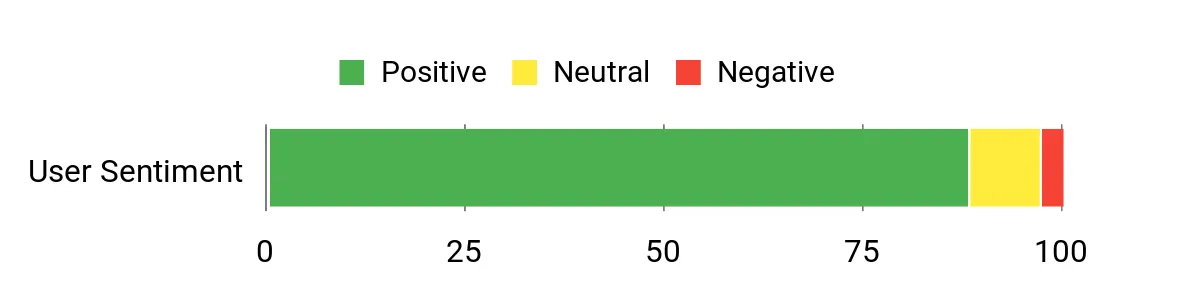
Customers commonly praise the MC-2 for feeling like a professional-grade instrument rather than a throwaway gadget. Reviewers highlight how the mirror sighting and smooth needle improve accuracy for long bearings, and many note the solid construction and easy-to-set declination as reasons they trust it on extended trips.
Overall Sentiment: Positive
Safety Features
Fixed declination adjustment helps you avoid manual correction mistakes that cost time and distance. The mirror allows you to keep eye contact with distant landmarks while reading a bearing, reducing parallax errors. A lanyard with wrist lock keeps the compass from slipping away during technical terrain.
What It Solves
This compass solves the core navigation problems you face when electronics fail or when you need precise map-to-landmark fixes. It makes taking accurate azimuths straightforward, speeds up map orientation, and reduces human error when converting bearings.
The two-zone needle and mirrored sighting are particularly helpful for long line-of-sight navigation where small errors become big problems.
Key Benefits
- Mirror sighting for precise long-distance bearings
- Fixed declination reduces calculation errors
- Stable needle and quality construction for dependable readings
- Lanyard with wrist lock keeps it secure during movement
Rating: 4.8 (total: 2477+)
Silva Ranger

You get a compass built for serious map work and teaching. The Ranger 2.0 pairs a mirror-sighting system with a clinometer and easy declination adjuster so you can measure slope, take precise azimuths and lay out routes without fuss.
The DryFlex grip and rubber feet make it stable on a map, and the etched scales cover the common topo needs you’ll encounter. If you want a durable baseplate that feels at home in a navigation class or on a multi-day trek, this one delivers.
What People Say
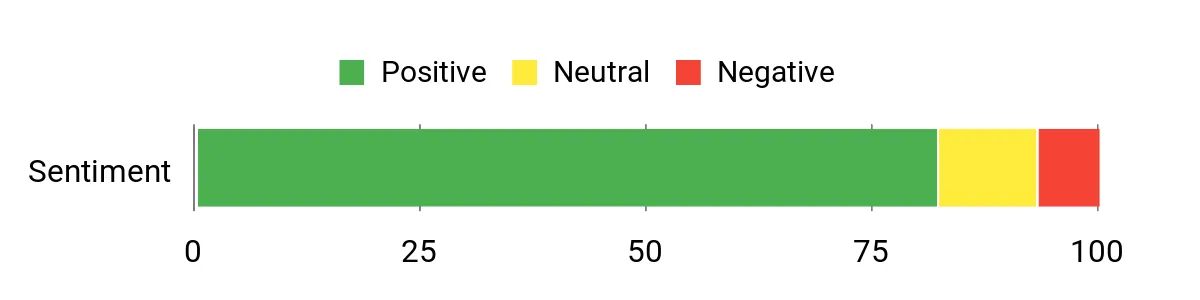
You’ll find most reviewers appreciate how the Ranger feels like a professional tool rather than a toy. Common praise centers on its accuracy, the usefulness of the mirror and clinometer for real-world navigation, and the convenience of built-in declination adjustment.
A few users mention the luminous markings aren’t very bright at night, but overall people value its precision and durability.
Overall Sentiment: Positive
Safety Features
The built-in declination adjuster helps you avoid orientation errors when converting map bearings to magnetic bearings. The clinometer lets you assess slope angles for safer route choices, and rubber friction feet keep the baseplate steady during fine map work.
What It Solves
When you need to translate map lines to terrain or check slope safety, this compass streamlines the steps. It reduces calculation mistakes with tool-free declination, speeds up long-distance sighting with the mirror, and gives you reliable, repeatable readings for route-finding and instruction.
Key Benefits
- Mirror sighting and magnifier for accurate bearings
- Clinometer for slope measurements and safety checks
- Adjustable declination removes manual math
- Multiple etched map scales for precise map work
- DryFlex grip and rubber feet for steady readings
Rating: 4.6 (total: 899+)
Brunton TruArc5

You get a compact mapping compass that punches above its weight for classroom use, day hikes and light expedition navigation. The TruArc5 focuses on repeatable, easy-to-read bearings with a parallax-free ring and a magnifier for fine map detail.
Its tool-free declination and dual scales save you time when orienting a map, and the global needle gives reliable performance across many regions. If you want a straightforward, accurate baseplate for teaching, competitions or regular route-finding, this is a sensible pick.
What People Say
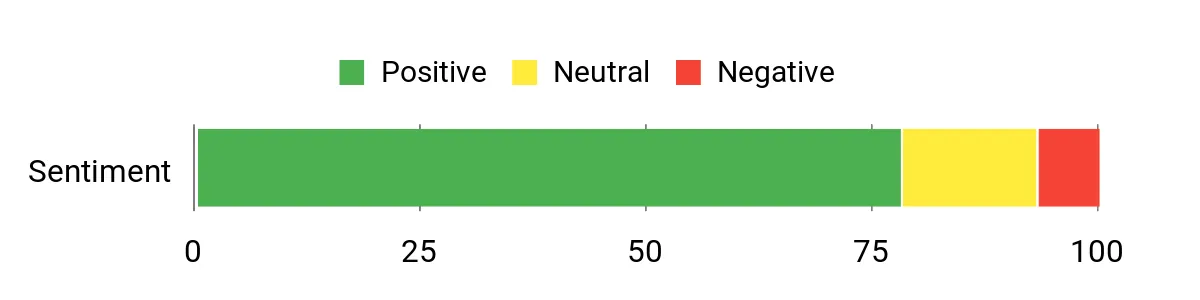
Reviewers often note the TruArc5 feels accurate and dependable for classroom drills and amateur navigation. People appreciate the parallax-free ring and the simple declination adjustment that removes a common stumbling block. A few users mention initial fiddliness when setting declination, but most praise the clear scales and magnifier for map detail.
Overall Sentiment: Positive
Safety Features
Tool-free declination reduces errors when converting map to magnetic bearings, and the parallax-free ring helps ensure you take consistent, repeatable sightings. The magnifier aids precise map readings so you avoid misreading contour or grid references.
What It Solves
This compass removes common map-reading headaches by making declination and fine-scale measurements quicker and more reliable. It speeds up teaching and competition prep, supports accurate waypoint fixes, and lowers the chance of small bearing errors turning into large route deviations.
Key Benefits
- Parallax-free ring for clearer sighting
- Tool-free declination for faster orientation
- Map magnifier and dual scales for precise map work
- 20° global needle improves use across regions
- Lightweight and easy to handle for instruction
Rating: 4.4 (total: 84+)
Cammenga Model 27
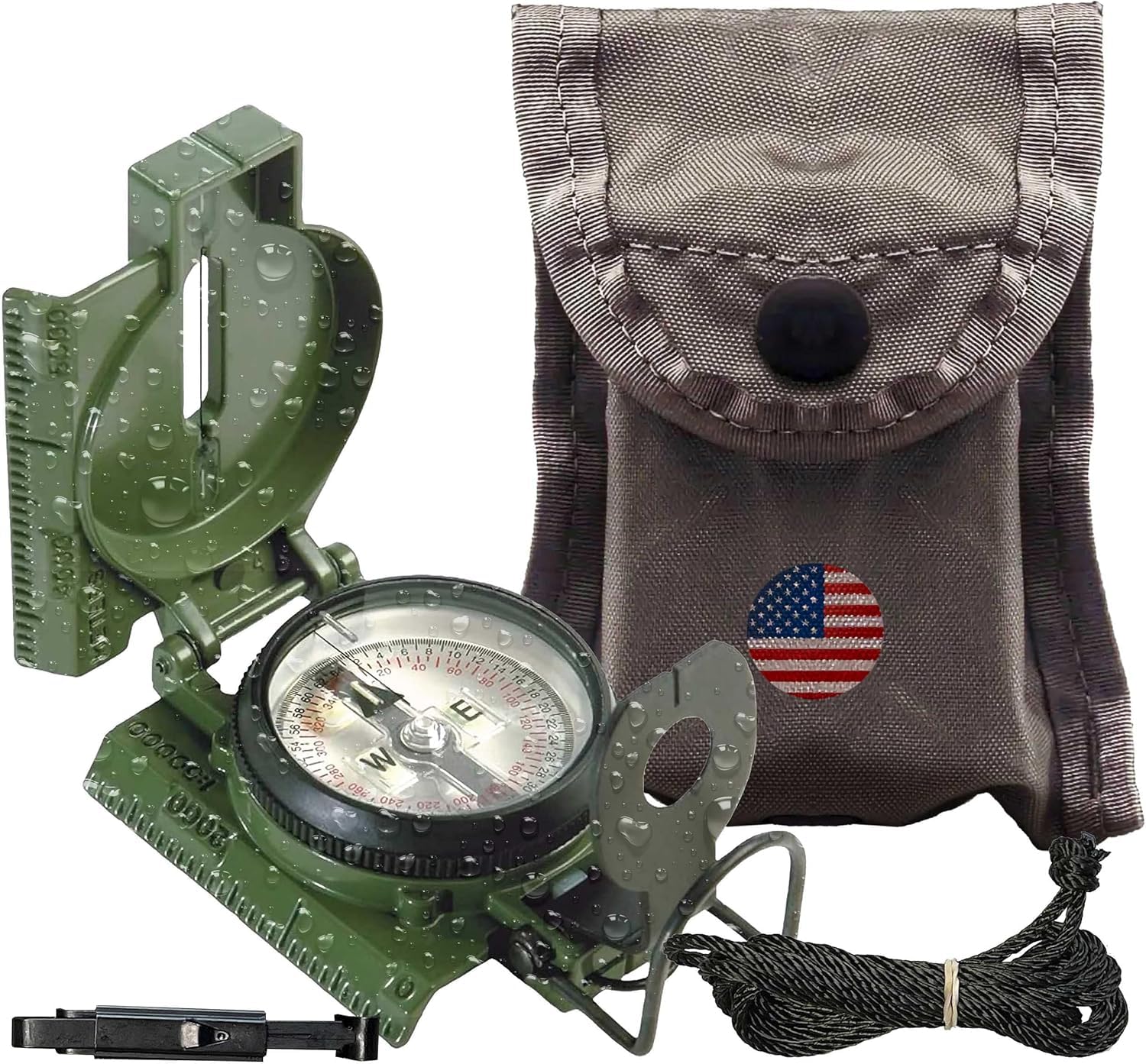
You get a compass that feels built to last, the sort of tool you hand down rather than replace yearly. The Model 27’s aluminum case and liquidless capsule stand up to drops, sand and immersion, while the lensatic design makes rapid sighting intuitive once you practice.
The phosphorescent markings give night visibility after a light charge, and the heavy-duty construction makes this a good pick for tactical use, search and rescue practice, or serious backcountry travel. If you need a metal compass that won’t quit when conditions get rough, this is one to consider.
What People Say
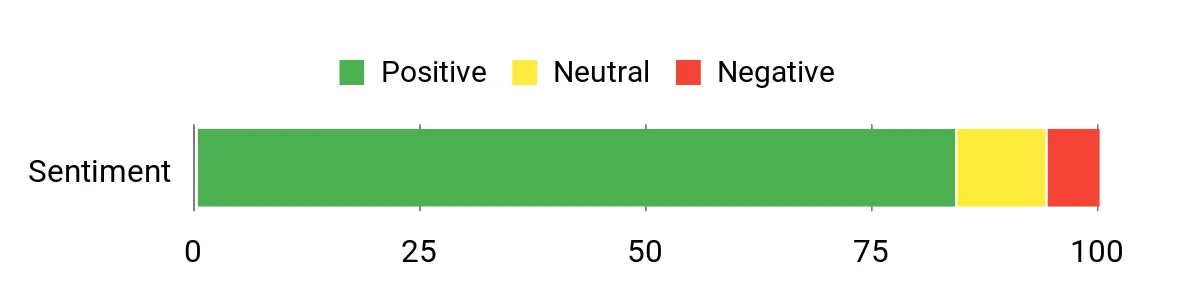
Users regularly highlight the compass’s solid, old-school build and dependable performance in harsh conditions. Many appreciate the metal construction and waterproof design for field use, and the phosphorescent glow is seen as a practical, non-radioactive night solution.
A few people note the hinge and clam shell can be stiff at first, but most praise its durability and tactile quality.
Overall Sentiment: Positive
Safety Features
The sealed, liquidless capsule prevents leaks and keeps the needle stable under shock. Waterproof construction protects readings after immersion, and the phosphorescent markings avoid reliance on radioactive light sources while giving usable low-light visibility when charged with a torch.
What It Solves
This compass removes concerns about gear failure in rough environments by offering a physically robust, waterproof navigation option that keeps working when electronics are out of the picture. It simplifies quick sighting under pressure and reduces the risk of damage from impacts or sand.
Key Benefits
- Rugged aluminum housing resists shock and wear
- Waterproof, liquidless capsule for reliable readings
- Phosphorescent markings provide night visibility after charging
- Lensatic sighting allows fast, repeatable bearings
- Made in USA quality and long-lasting construction
Rating: 4.5 (total: 757+)
Suunto A-10

You get a lightweight, no-frills compass that does the basics very well. The A-10 is easy to carry, easy to read and reliable for everyday navigation, whether you’re on a day hike, teaching map basics or keeping a backup in your pack. Its clear markings and simple housing make it a good fit for beginners and experienced users who want a dependable spare.
If you want a fuss-free compass that won’t slow you down, this one earns its place in the kit.
What People Say
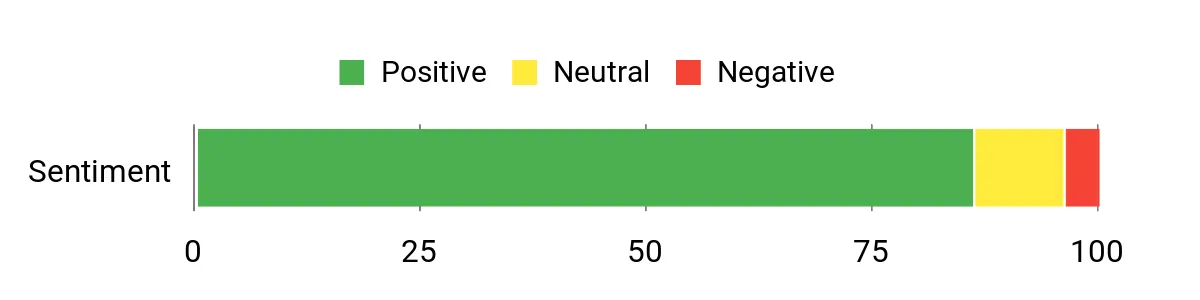
You’ll see a lot of praise for how straightforward and reliable the A-10 is in the field. Users frequently mention its clarity and light weight as major pluses, and many treat it as a dependable backup or beginner’s first compass. A few users expected fancier features, but most appreciate its simplicity and consistent performance.
Overall Sentiment: Positive
Safety Features
Clear scale markings reduce misreads on a map, and the lanyard mount prevents accidental loss during movement. The simple, robust housing keeps the capsule protected from everyday bumps and jostling.
What It Solves
This compass solves the need for a dependable, low-complexity navigation tool you can trust when electronics fail or when teaching navigation fundamentals. It speeds up basic map orientation and provides a lightweight backup that’s always ready when you need a bearing.
Key Benefits
- Lightweight and highly portable for day trips
- Clear, readable markings for quick orientation
- Simple design ideal for beginners and backups
- Lanyard mount keeps it accessible on the trail
Rating: 4.6 (total: 2190+)
FAQ
Which Compass Should You Choose?
Pick the type that fits how you navigate: choose a mirror-sighting baseplate like the Suunto MC-2 or Silva Ranger when you need long-distance accuracy and map-to-landmark fixes, opt for a lensatic Cammenga if you want a metal, rugged tool for tactical or harsh-field use, and use a compact model such as the Suunto A-10 as a lightweight backup or beginner’s compass. Prioritize features that match your needs, especially declination adjustment, etched scales for map work, and waterproofing, rather than chasing the flashiest model.
How Do You Set Declination?
Find the current local declination from a topo map or an online source and use the compass’s built-in adjuster when available to set magnetic offset so your bearings match map north. If your compass lacks a tool-free adjuster, remember to add or subtract the declination from bearings you take and recheck regularly because declination changes over time and by location.
How Do You Care For and Test a Compass?
Keep the compass away from magnets, phones and metal when storing or reading it, and avoid extreme heat or crushing pressure that can warp housing or fluid. Test accuracy by comparing bearings to a known landmark or a trusted GPS fix, check that the needle moves smoothly with no sticking, and for phosphorescent or luminous models charge the markings with light before night use so you know what visibility to expect.
Preferred Features
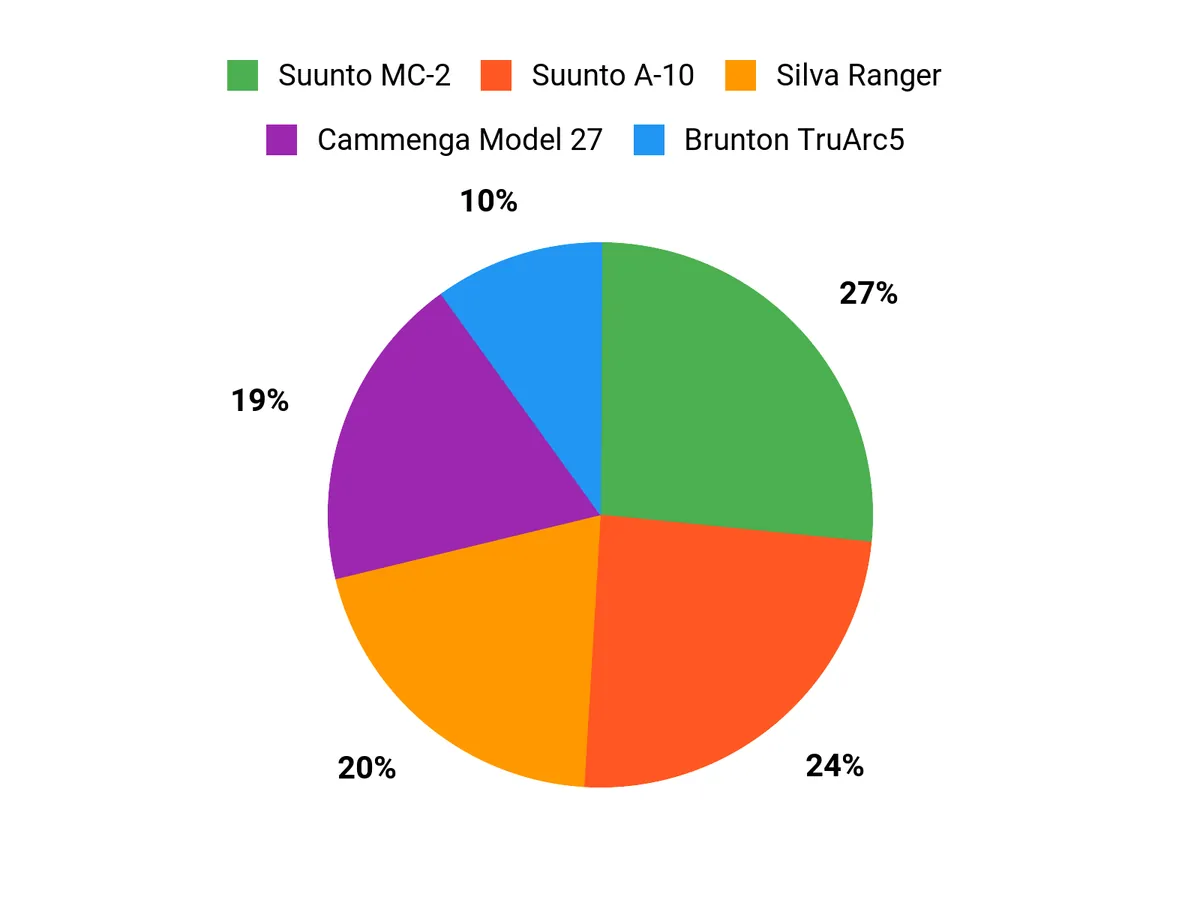
When choosing between the Suunto MC-2, Silva Ranger and Brunton TruArc5, you’ll prioritize accuracy and sighting features: the MC-2 for pro-grade mirrored sighting and rugged build, the Ranger for precise map work and an integrated clinometer, and the TruArc5 for parallax-free readings, magnifier and simple declination adjustment. Beyond those headline traits you care about steady needle behavior, etched scales and a dependable carry method so your bearings stay repeatable in real conditions.
Wrapping Up
Choose the compass that fits how you travel: pick the Suunto MC-2 if you want professional-grade sighting and durability, the Silva Ranger when precision mapwork and clinometer features are essential, or the Cammenga Model 27 if you need a metal, waterproof lensatic built to last. If you hike light or want an inexpensive backup, a compact baseplate or pocket lensatic keeps navigation simple and reliable.
Carrying a quality compass and knowing how to use it gives you independence from electronics and a reliable path home.
| Product Name | Image | Rating | Weight | Material | Special Highlights |
|---|---|---|---|---|---|
| SUUNTO MC-2 Compass |
|
4.8/5 (2,477 reviews) | 0.25 Pounds | Composite |
|
| Silva Ranger 2.0 Compass Black |
|
4.6/5 (899 reviews) | 4.64 Ounces | Plastic |
|
| Brunton TruArc5 Baseplate Mapping Compass |
|
4.4/5 (84 reviews) | 1.8 Ounces | Synthetic |
|
| Cammenga Compass Military Grade Phosphorescent |
|
4.5/5 (757 reviews) | 7.36 Ounces | Aluminum |
|
| SUUNTO A-10 Compass |
|
4.6/5 (2,190 reviews) | 1.1 Ounces | Plastic |
|
This Roundup is reader-supported. When you click through links we may earn a referral commission on qualifying purchases.

