

Last Updated on September 11, 2026 by Logan Reeves
You are about to explore a curated collection of survival accounts that combine human endurance, practical improvisation, and clear lessons you can apply. These stories matter because they show how decisions, skills, leadership, and mindset determine outcomes when resources are scarce and time is limited.
Read with the intent to extract both concrete techniques and deeper lessons about risk, preparation, and adaptability.
Disclosure: As an Amazon Associate I earn from qualifying purchases. Some links on this page are affiliate links, at no extra cost to you.
Top Picks
|
Category |
Product |
Score |
|---|---|---|
|
🌊 Best Sea Survival |
92/100 |
|
|
🥇 Most Inspirational |
95/100 |
|
|
🏜️ Best Desert Survival |
83/100 |
|
|
🪂 Best Aviation Survival |
85/100 |
|
|
⏳ Longest Holdout |
88/100 |
|
|
❄️ Most Cautionary Tale |
90/100 |
|
|
🐻 Most Gritty Survival |
89/100 |
|
|
🌴 Best Jungle Survival |
86/100 |
|
|
💡 Best Sea Guide |
99/100 |
|
|
🪓 Most Extreme Self-Rescue |
91/100 |
How We Selected These Stories
You need accounts that are both credible and instructive, so we prioritized firsthand memoirs and well-researched histories that provide verifiable detail. We looked for diversity of environment so you can compare desert, sea, mountain, jungle, and long-term isolation scenarios and extract context-specific tactics. Readability and narrative clarity were important because you should be able to absorb lessons quickly, and we favored books that balance technical detail with human perspective. Finally, we weighed practical takeaway value, giving extra weight to stories that reveal replicable skills, leadership decisions, or psychological strategies you can use.
Adrift

You get a close-up, page-by-page account of what it feels like to survive alone on the ocean. Callahan mixes practical detail about makeshift repairs, water collection, and rationing with reflective passages about fear, hope, and decision making. The result is both a field manual in miniature and a human story that teaches you how small choices stack into life-or-death outcomes.
Read it when you want a vivid case study in improvisation and resilience; it works as a cautionary read before any long voyage and as a mindset refresher when you want to sharpen everyday risk awareness. If you enjoy immersive memoirs that also teach practical skills, this one is an easy recommendation.
What People Say
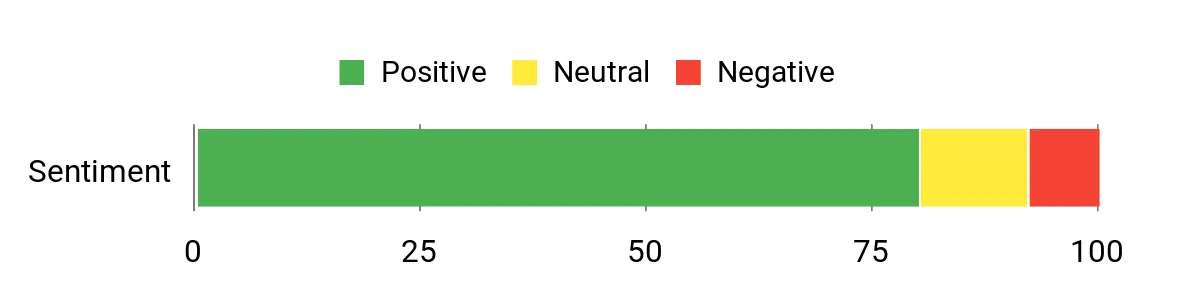
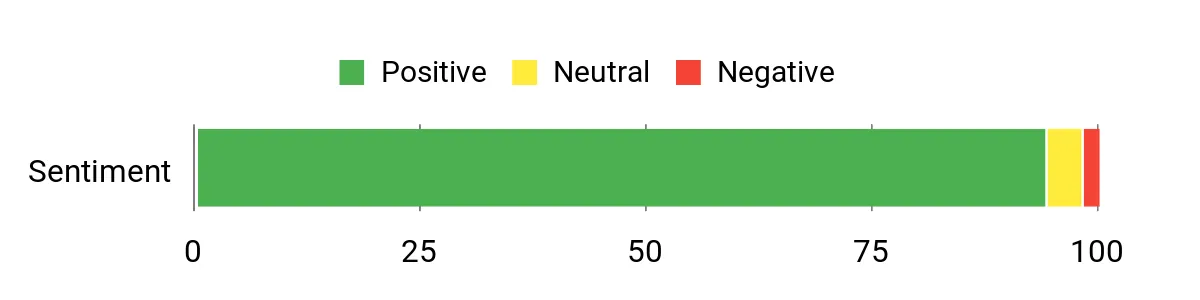
Readers repeatedly praise the book’s vivid writing and the feeling of being there with Callahan. Many appreciate the balance between technical detail and personal reflection, noting that the gear and repair descriptions are useful for practical learning while the introspective sections offer perspective on endurance.
Overall Sentiment: Positive
Problem Solving
This memoir is strong as a problem-solving case study. You can follow how Callahan assesses risks, improvises fixes, prioritizes scarce resources, and adapts plans as conditions change.
Those step-by-step moments translate well into practical tactics you can apply when you need to improvise under pressure.
Indoor/Outdoor Use
The book is primarily for reading indoors, but the lessons are directly applicable outdoors at sea and in other austere environments. You can use the techniques as pre-trip preparation, training discussion points, or field prompts when practicing emergency drills.
Key Benefits
- Practical improvisation techniques for emergency repairs and water collection
- Insight into psychological resilience and decision making under stress
- Vivid, immersive storytelling that helps you internalize lessons
- Detailed descriptions of equipment use and survival routines
Rating: 4.5 (total: 3964+)
Miracle Andes

You step into a memoir that reads like both a survival manual and a personal reckoning. Parrado recounts the crash, the harsh choices his group faced, and the long trek that led to rescue, weaving practical decisions with moments of moral and emotional clarity.
The book is useful if you want to study group dynamics under extreme stress, the role of leadership when resources are gone, and how endurance is sustained by purpose and cooperation. Read it as preparation for wilderness leadership discussions, as inspiration for resilience training, or simply as a deeply human story that sharpens your sense of what matters when everything else falls away. If you appreciate honest reflection paired with clear action, this one is worth your time.
What People Say
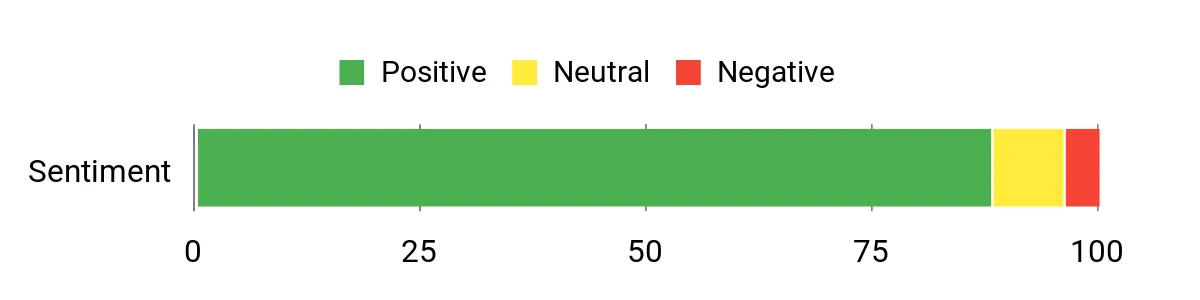
Readers often highlight the book’s emotional honesty and the way Parrado explains both the practical steps taken and the inner life of the survivors. Many praise the narrative for being inspiring and thought-provoking, noting that the mix of tactical description and personal aftermath makes the story useful for learners and compelling for general readers alike.
Overall Sentiment: Positive
Problem Solving
This account scores highly as a study in problem solving because it shows how priorities were set, how risky choices were evaluated, and how small leadership decisions produced outsized outcomes. You can pull concrete examples of route selection, resource sharing, and risk tolerance to inform your own planning or team training.
Indoor/Outdoor Use
Best read indoors, but the lessons translate directly to outdoor group scenarios and leadership exercises. Use passages as discussion prompts for team workshops or as pre-trip reading to align expectations and roles before a challenging expedition.
Key Benefits
- Firsthand insight into group leadership and decision making in crisis
- Powerful examples of resilience, teamwork, and moral choices
- Clear narrative that connects survival tactics with long-term recovery
- Useful for training scenarios and discussions about human behaviour under stress
Rating: 4.7 (total: 3229+)
SAS Desert
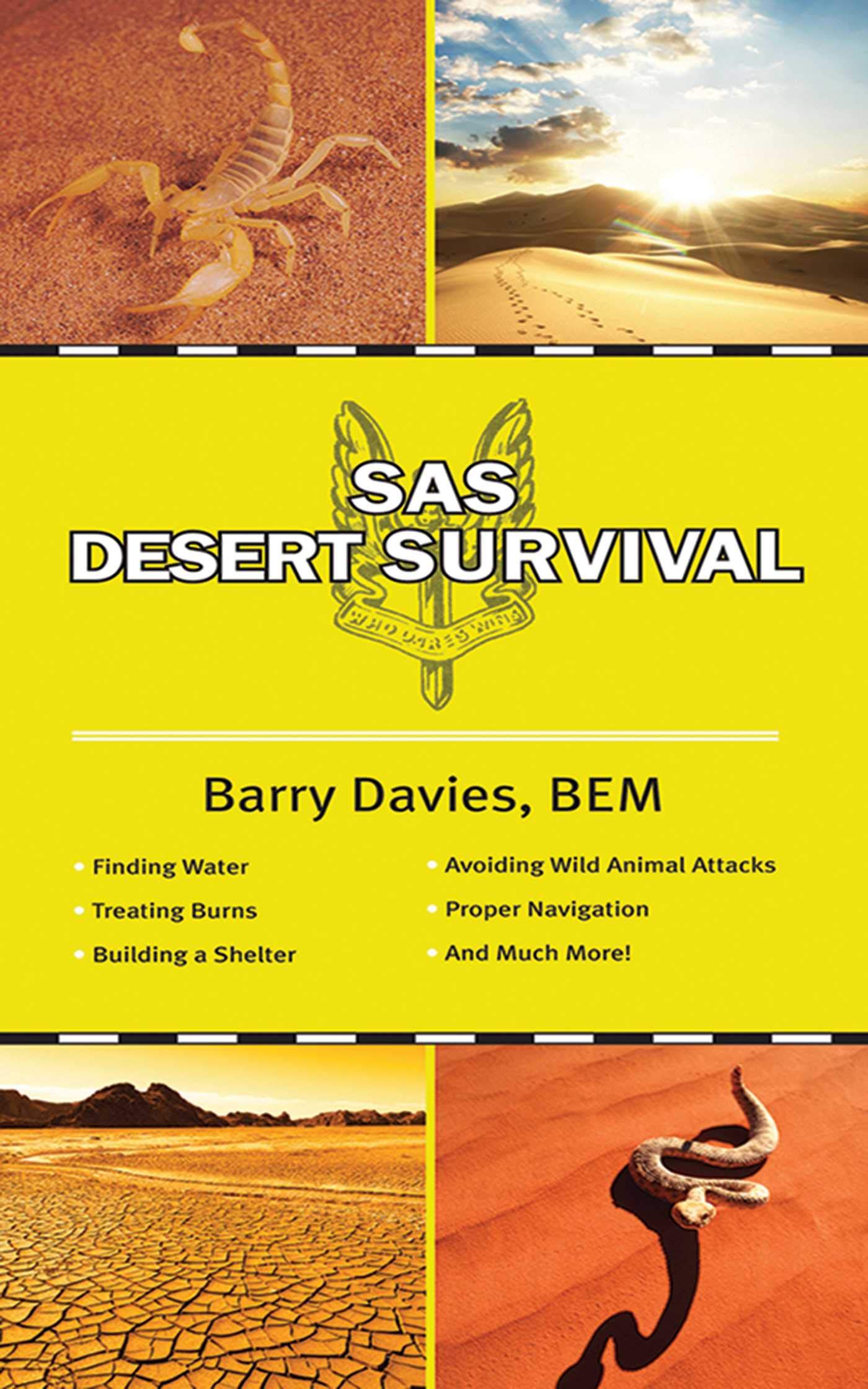
You get a no-nonsense manual aimed at surviving arid environments, written by a veteran survival instructor. The book walks you through practical steps for finding or conserving water, improvising shade and shelter, signaling for help, and assembling a lean desert kit.
It reads quickly and is easy to reference, so bring it as pre-trip preparation, use it for group briefings before desert travel, or keep it in your camp bag as a field refresher. If you prefer straightforward, tested techniques rather than theory-heavy text, this is a solid, portable choice.
What People Say
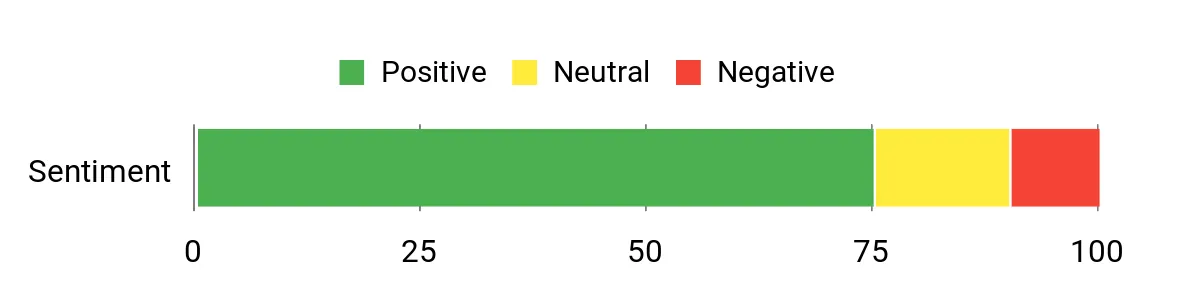
You’ll notice reviewers often praise the book for its practicality and clear, usable advice, especially around kit assembly and water strategies. Many readers mention keeping it in a camp bag or using it as a pre-trip primer, though a few point out minor inaccuracies in plant identification and thin page quality.
Overall Sentiment: Positive
Problem Solving
This guide is useful as a tactical problem-solving tool: it breaks down common desert problems into manageable steps, shows low-tech fixes you can try with limited supplies, and emphasizes prioritization when resources are scarce. You can adapt many of the techniques to real-time decision making on the trail.
Indoor/Outdoor Use
Best used as outdoor prep and field reference, but you can read it indoors to study techniques, run scenario drills, or plan kit contents before a trip. The book’s compact format makes it easy to consult while on the move.
Key Benefits
- Practical, field-tested desert techniques you can apply immediately
- Clear guidance on assembling a compact survival kit
- Concise instructions for water sourcing, shelter and signaling
- Portable reference suitable for trip prep and on-the-ground use
Rating: 4.3 (total: 50+)
When I Fell
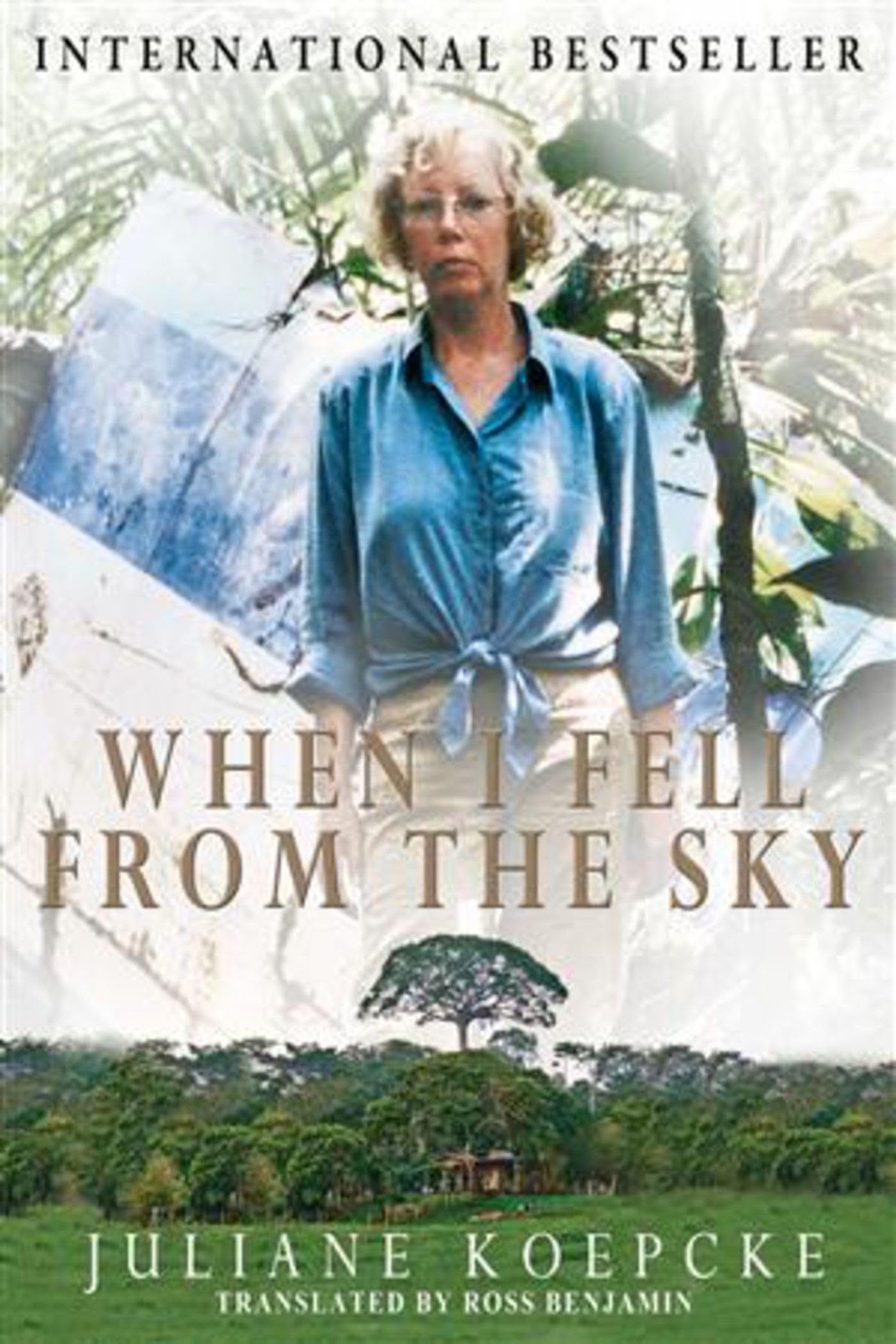
You get a clear, restrained memoir that balances practical survival detail with thoughtful reflection on how the experience shaped a life. Koepcke walks you through what happened during the crash, how she managed injuries and navigation, and how she coped afterward, so the book serves as both a case study in individual survival and a meditation on resilience.
Read it to study real-world decision making under extreme stress, to fuel discussions about emergency preparedness, or simply to experience a powerful first-person account that stays grounded in facts and emotions. If you want a deeply human survival story that also offers lessons for leadership, training, or personal growth, this memoir is a strong pick.
What People Say
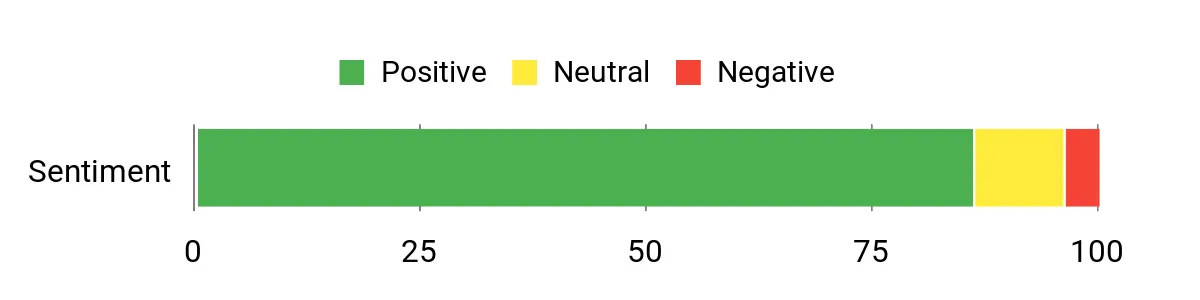
You’ll find readers appreciating the book’s honesty and clarity, noting that Koepcke avoids sensationalism while still delivering a gripping narrative. Many highlight the useful attention to procedural detail and the broader reflections on how the ordeal affected her life afterwards.
Overall Sentiment: Positive
Problem Solving
The memoir provides concrete examples of how to prioritize immediate needs, improvise with limited resources, and make route and shelter decisions when injured and disoriented. You can extract practical steps to apply in wilderness first aid and emergency navigation.
Indoor/Outdoor Use
Best read indoors for concentration, but the lessons are directly applicable outdoors; use passages as training prompts before trips or as case studies in workshops on survival and crisis leadership.
Key Benefits
- Authentic firsthand account with measured, factual tone
- Useful insight into solo navigation, injury management, and resource use
- Balances practical survival detail with psychological and emotional context
- Good material for resilience training and group discussion
Rating: 4.2 (total: 2520+)
No Surrender

You read a striking blend of personal conviction and practical endurance. Onoda’s memoir lays out how discipline, routine, and an unwavering sense of duty kept him alive for years in a hostile environment, and it offers a rare window into long-term survival under sociopolitical pressure.
Use this book as a case study for psychological resilience, resourcefulness in limited conditions, and the consequences of strict orders when circumstances change. It’s especially useful for discussions about ethics, leadership, and how mindset shapes long-term outcomes, and worth your time if you want a historical survival story with unusual moral complexity.
What People Say
Readers frequently note the memoir’s authenticity and the unusual nature of Onoda’s experience, praising the straightforward narrative and well-documented circumstances. Many find the book thought-provoking for its ethical dilemmas and impressed by the author’s persistence, while a smaller number question the broader implications of his choices.
Overall Sentiment: Positive

Problem Solving
The book excels as a long-duration survival case study: you can trace how routine, stealth, and careful resource use sustained Onoda, and extract lessons about planning for prolonged isolation, maintaining morale, and adapting tactics over time.
Indoor/Outdoor Use
Best consumed indoors for focused reading, though the lessons translate to training sessions and leadership workshops. Use passages to prompt discussion about endurance planning and long-term contingency strategies.
Key Benefits
- Deep look at psychological resilience and long-term survival routines
- Clear, straightforward storytelling that aids comprehension
- Valuable material for studying duty, leadership, and moral complexity
- Provides practical examples of resource management and concealment
Rating: 4.5 (total: 1131+)
Desperate Passage

You’ll find a tightly written, evidence-driven narrative that walks through the Donner Party’s journey from start to calamity. Rarick reconstructs key decisions, travel conditions, and the cascading delays that turned a migration into a survival crisis, blending archival detail with clear storytelling.
The book is useful for anyone studying risk assessment, group decision making, or historical case studies in survival; use it as prep material for workshops on contingency planning, as reading for leadership discussions, or simply as a focused historical read that sharpens your judgment about how small errors compound. If you want a readable, analytical account that shows how planning and timing matter in extreme conditions, this is a solid pick for your list.
What People Say
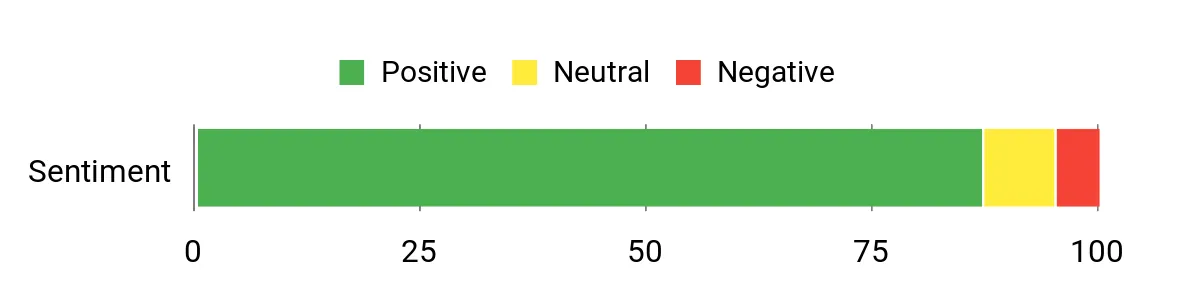
Readers commonly praise the depth of research and the lucid, steady pacing that makes complex choices easy to follow. Many appreciate the book as a practical primer on how logistical errors and timing problems escalate, while a few note they’d like more visual aids such as maps or illustrations to complement the narrative.
Overall Sentiment: Positive
Problem Solving
This book works as a diagnostic tool: you can map decisions, identify turning points, and test alternative choices in hypothetical exercises. It’s especially good for studying how contingency plans fail and how communication and timing influence survival outcomes.
Indoor/Outdoor Use
Best read indoors for focus, but very usable outdoors as a discussion prompt during training or planning sessions. Passages translate well into classroom scenarios, team briefings, and route-planning reviews before challenging trips.
Key Benefits
- Clear reconstruction of events that highlights how decisions accumulate into crises
- Well-documented research that supports learning and teaching scenarios
- Accessible prose that balances detail with narrative momentum
- Practical lessons for contingency planning, route choice, and timing
Rating: 4.5 (total: 1073+)
Hugh Glass

You’ll read a dramatic and rugged portrait of frontier survival that reads like both adventure and character study. The book reconstructs Glass’s mauling, his improvised recovery, and the long, painful journey that followed, while situating him within the era’s fur trade and exploration.
Use it to study improvisation under trauma, the role of endurance and grit in survival, and how one event can reshape a life and folklore. It’s a strong pick when you want an emotionally vivid case study that sparks discussion about risk, leadership, and the human capacity to keep going.
What People Say
Readers frequently praise the book’s storytelling and the way it brings a legendary survival episode to life. Many call out the vivid detail and historical grounding that make Glass’s actions believable and instructive, while a few note that parts of the tale can feel larger than life but remain compelling for study.
Overall Sentiment: Positive

Problem Solving
This narrative works well as a problem-solving case study: you can trace immediate prioritization after injury, field-improvised wound care, and route choices under duress. The episode offers clear moments to analyze decision making and adaptive tactics you can apply in wilderness training.
Indoor/Outdoor Use
Best enjoyed indoors for focused reading, though the lessons are directly applicable outdoors in workshops and training exercises. Use passages as prompts for field simulations, scenario planning, or to illustrate topics in survival courses.
Key Benefits
- Gripping, immersive storytelling that keeps you engaged
- Concrete examples of improvisation after catastrophic injury
- Historical context that clarifies motives and environment
- Useful for discussions about endurance, leadership, and risk
Rating: 4.5 (total: 957+)
SAS Jungle
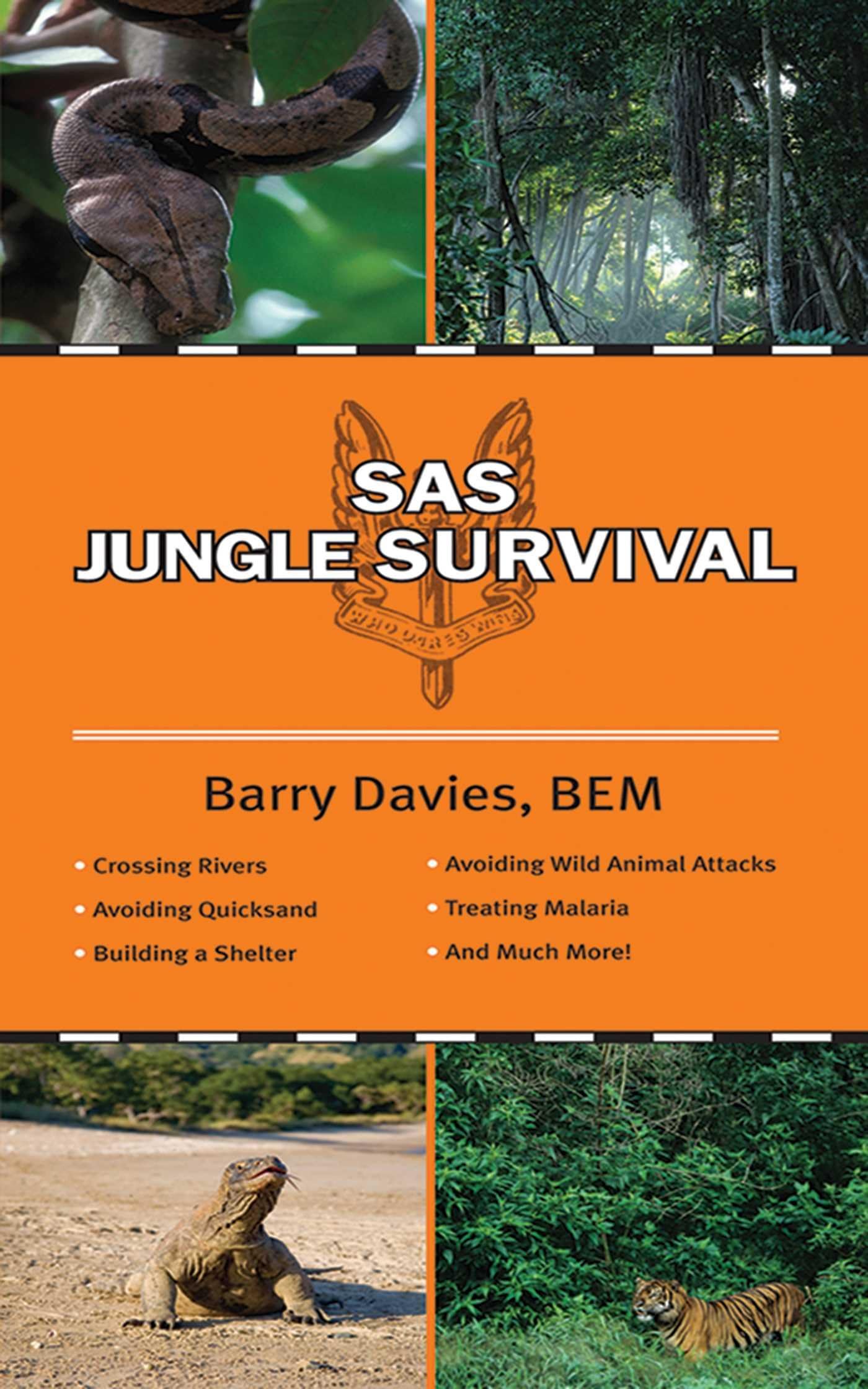
You get a focused, field-oriented handbook aimed at surviving in dense, humid environments. The author breaks down shelter construction, water sourcing, basic plant foraging, and simple signalling methods in short, usable chapters that are easy to reference. Use it as pre-trip reading to align expectations and practice simple drills, as a discussion prompt during team briefings, or tuck it in your pack for quick consultation while in the field.
If you want a portable primer that prioritizes actionable steps over long theory, this is a handy companion for jungle travel and training.
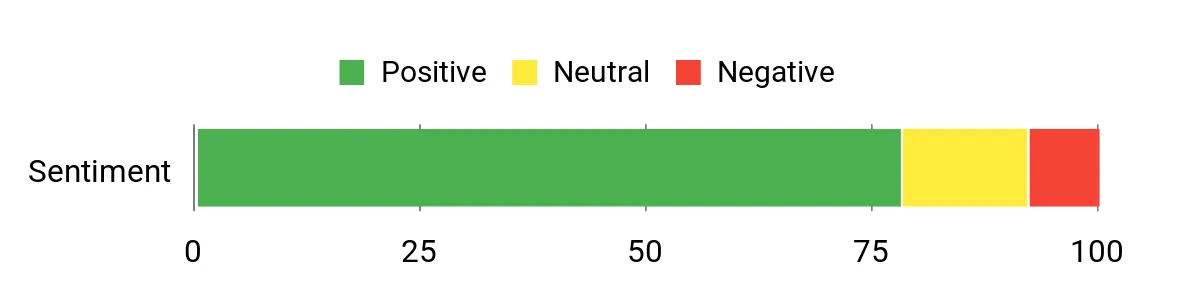
What People Say
Readers often highlight the book’s straightforward, no-nonsense format and say it’s useful to carry in a pack. Many appreciate the practical tips on kit selection, shelter building, and water techniques, while several reviewers point out that plant identification and photographic detail could be stronger.
Overall Sentiment: Positive
Problem Solving
This title works well for immediate, tactical problem solving in the jungle: it helps you prioritise shelter and hydration, shows low-tech fixes you can attempt with limited gear, and outlines signalling options for rescue scenarios.
Indoor/Outdoor Use
Best used outdoors as a quick reference, but also effective for indoor study or pre-trip briefings. Short sections make it easy to turn passages into training exercises or checklist items before you head into challenging terrain.
Key Benefits
- Practical, bite-sized guidance designed for use in wet, tropical terrain
- Clear instructions on shelter, water collection, and basic signalling
- Portable format that’s easy to reference during trips or drills
- Good primer for beginners and a useful refresher for experienced travelers
Rating: 4.4 (total: 37+)
How to Survive
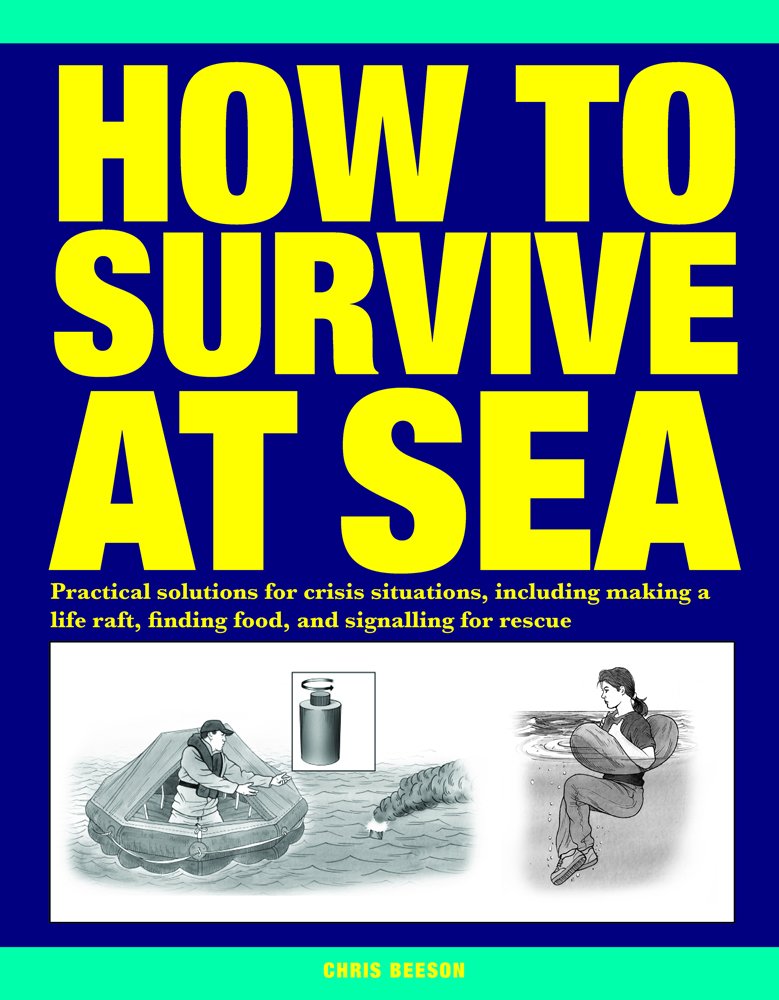
You get a focused, step-by-step manual that translates maritime emergency theory into hands-on actions. The book walks through constructing simple life rafts, finding and preserving food, distilling and conserving water, and signalling for rescue, using clear diagrams and pragmatic advice.
It works as pre-voyage study, a training supplement for safety briefings, or a compact reference to consult in an emergency. If you want a single resource that balances actionable techniques with realistic limitations at sea, this is a dependable guide to keep in your safety library or onboard.
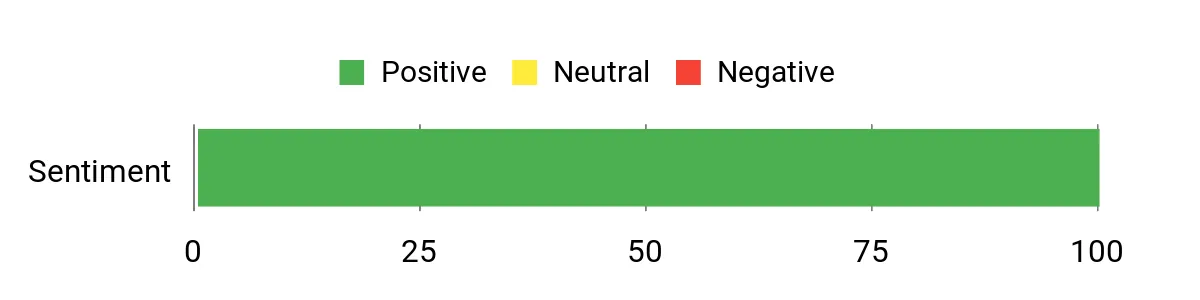
What People Say
Readers tend to value the book for its straight-to-the-point approach and practical focus, saying it emphasizes techniques you can actually use rather than abstract theory. The diagrams and procedural layout are often highlighted as helpful, and many note it’s suitable for both sailors and general travelers who want better emergency preparedness.
Overall Sentiment: Positive
Problem Solving
This title is strong as a tactical problem-solving resource: it breaks down common at-sea crises into a sequence of manageable actions, offers low-tech fixes you can attempt with minimal gear, and helps you prioritise tasks under pressure. You can use it to rehearse responses and refine on-board contingency plans.
Indoor/Outdoor Use
Useful indoors for study and planning, and suitable outdoors as a quick reference when practicing drills or during shore-based training sessions. The concise format makes it easy to translate chapters into checklist items for trip briefings or onboard binders.
Key Benefits
- Step-by-step procedures for life-raft construction and repair
- Practical methods for securing and conserving water and food
- Clear signalling and rescue techniques suited to real-world conditions
- Accessible diagrams and concise, actionable guidance
Rating: 5 (total: 1+)
Between a Rock

You get a raw, tightly told account of a solo survival crisis and the choices that made the difference between life and death. Ralston narrates the accident, the hours of entrapment, his decision-making process, and the physical and mental steps he took to escape.
Read it to study extreme self-rescue, to sharpen your sense of risk tolerance, or to use selected passages in training about lone travel and emergency planning. The book also works as compelling reading for long trips or quiet evenings when you want a real-life story that tests assumptions about what people can endure. If you value clear, immersive accounts that double as practical case studies, this memoir fits neatly on your list.
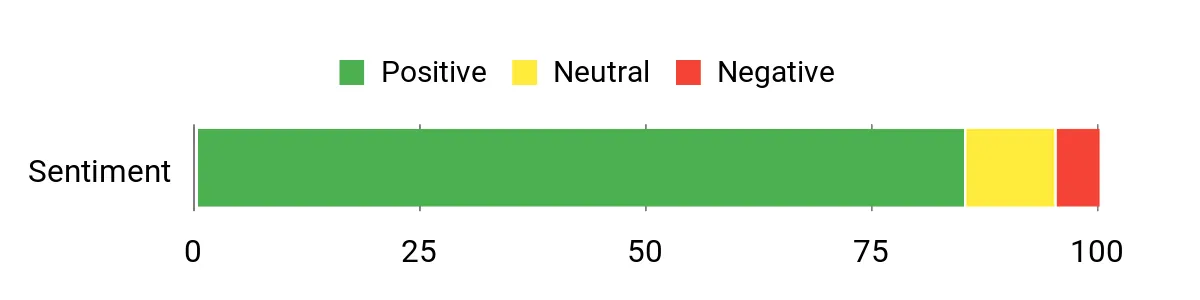
What People Say
Readers frequently praise the book for its gripping honesty and the way Ralston walks you through each difficult choice. Many note the narrative’s ability to hold attention and provide clear survival takeaways, while a minority mention sections that feel repetitive or overly detailed for casual readers.
Overall Sentiment: Positive
Problem Solving
This memoir is a strong case study in crisis problem solving: it shows how to assess injury, prioritise tasks, improvise with limited tools, and maintain focus under severe duress. You can extract specific decision points to use in emergency drills or planning exercises.
Indoor/Outdoor Use
Best read indoors for concentration, but the lessons translate directly to outdoor training and pre-trip preparation. Short, vivid episodes make it easy to turn passages into discussion prompts or scenario-based exercises before heading into the field.
Key Benefits
- Intense, actionable example of improvised self-rescue and prioritisation
- Powerful insight into decision making under extreme physical stress
- Engaging narrative that keeps you focused while teaching survival lessons
- Useful material for risk-awareness talks and lone-traveler briefings
Rating: 4.5 (total: 1316+)
The Endurance

You’ll find a finely balanced mix of expedition narrative, leadership study, and visual documentation that brings Shackleton’s voyage to life. The book walks you through the expedition’s decisions, the crew’s adaptive strategies, and the leadership practices that helped them survive in extreme conditions, while plentiful photographs add immediacy. Use it for leadership workshops, pre-expedition briefings, classroom case studies, or as an engaging read on long trips when you want both inspiration and concrete lessons. If you appreciate history that doubles as practical training material and a beautiful coffee-table volume, this one fits both roles very well.
What People Say
Readers frequently highlight the book’s combination of strong narrative and visual detail, saying the photographs bring the story into sharper focus. Many recommend it as a starting point for anyone studying Shackleton because it pairs engaging storytelling with clear lessons about leadership and morale.
Overall Sentiment: Positive
Problem Solving
The Endurance works well as a problem-solving resource by illustrating how leadership choices, resource allocation, and morale management influence survival outcomes. You can pull specific episodes to analyse alternatives, test decision points, and practice scenario planning in workshops.
Indoor/Outdoor Use
Best experienced indoors where you can study maps and photos, but chapters translate easily into outdoor training prompts or briefings before expeditions. Use passages as case studies during team exercises or route-planning sessions.
Key Benefits
- Clear examples of leadership and team cohesion under extreme stress
- Rich photographic record that enhances situational understanding
- Well-paced narrative that makes complex logistics accessible
- Useful source material for training, presentations, and discussion
Rating: 4.8 (total: 872+)
Lost Taiga

You’ll read a quietly astonishing account of extreme isolation and practical resourcefulness. The narrative follows a family that carved a life out of the taiga with minimal contact, showing how simple routines, seasonal knowledge, and careful resource management sustained them for decades. It’s useful if you want case material for long-term survival planning, lessons about low-tech self-reliance, or a lens on how cultural and spiritual motivations shape survival choices.
Use passages as discussion prompts in resilience workshops, assigned reading for courses on human ecology, or as contemplative weekend reading when you want a different perspective on living with fewer assumptions. If you appreciate observational, measured storytelling that doubles as a survival study, this one is well worth your attention.
What People Say
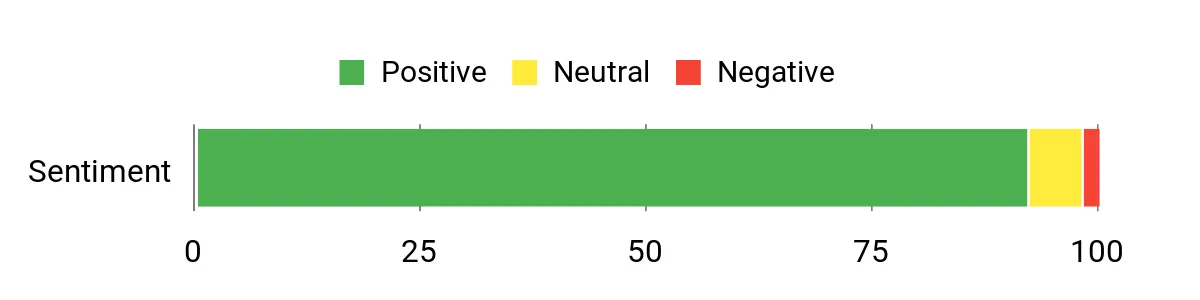
Readers often mention being struck by the book’s combination of simplicity and depth, noting the human details that bring the family’s daily life into focus. Many appreciate the careful reporting and say the account functions both as a moving human story and a useful source of practical survival practices, while some readers reflect on the ethical and cultural implications of such isolation.
Overall Sentiment: Positive
Problem Solving
This book is valuable as a long-duration survival case study: you can trace routines for food production, shelter upkeep, and health maintenance that scaled across decades. The narrative helps you think about planning for extended self-reliance, preserving knowledge across generations, and adapting techniques to extreme remoteness.
Indoor/Outdoor Use
Best read indoors for focused attention, though the lessons are applicable outdoors when you practice wilderness skills or run scenario exercises. Use it to inspire field experiments in subsistence techniques or as source material for training sessions on extended isolation and resource planning.
Key Benefits
- Rare, longitudinal example of multigenerational self-sufficiency
- Detailed depiction of seasonal skills, foraging, and shelter maintenance
- Thought-provoking exploration of faith, freedom, and isolation
- Readable prose that supports both casual reading and academic discussion
Rating: 4.9 (total: 44+)
FAQ
What Will You Learn From These Stories?
You’ll gain a mix of tactical and psychological lessons: concrete survival techniques, how to prioritise needs under pressure, and how leadership and cooperation change outcomes. Treat the accounts as case studies that reveal decision points and trade-offs rather than step-by-step manuals, and use them to develop checklists, emergency roles, and mental rehearsals for situations you might face.
Pay attention to recurring themes like resource management, signalling, and resilience, then practice those skills in controlled drills so the lessons stick.
How Should You Use These Books?
You can use them in several complementary ways: read memoirs to understand mindset and group dynamics, and pair them with practical guides when you need actionable procedures. In training or trip planning, pull specific episodes as discussion prompts, turn decision points into scenario exercises, and extract practical techniques to test in the field.
Remember that anecdotal detail may be idiosyncratic, so validate techniques from a technical manual or instructor before relying on them in high-risk situations.
Which Book Is Right For Your Needs?
Choose by environment and objective: if you want sea-focused lessons pick an at-sea account and a maritime guide, if leadership under stress is your aim look to Shackleton’s story, and if you need extreme self-rescue insight start with solitary-memoir accounts. Consider readability and supporting material—maps, photos, appendices—and whether you prefer a reflective memoir or a how-to manual.
Finally, use edition details and reviews to confirm the book’s approach matches your training goals and the level of technical detail you want.
Reader Preferences
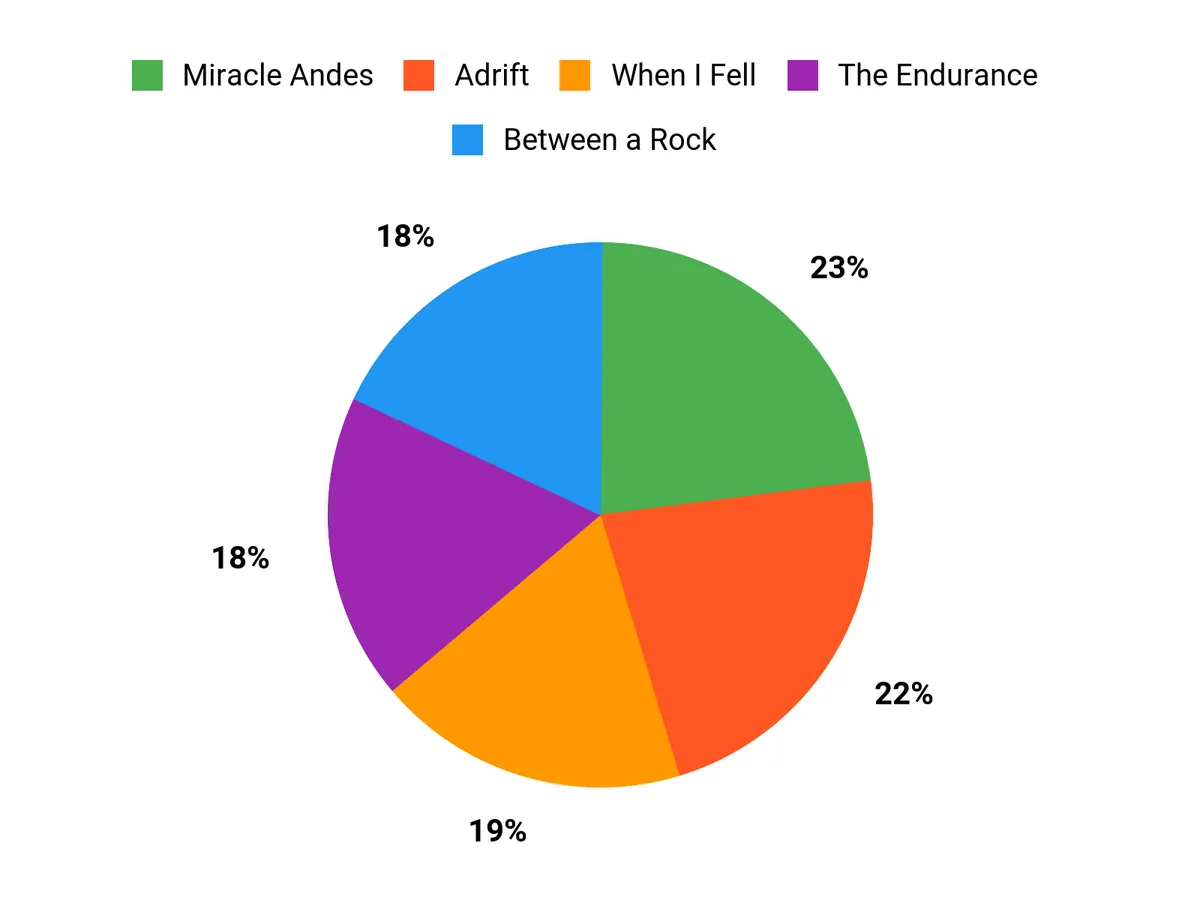
You typically choose based on what you want to take away: if you want immersive, page‑turning sea survival and improvisation you lean toward Adrift; if leadership, group endurance and moral decision making are your focus you pick Miracle Andes; and if you need concise, environment‑specific tactics for arid travel you go with SAS Desert. Across these options you prioritize environment relevance, the balance between narrative and practical instruction, and how readily the lessons translate into your own trips or training.
Wrapping Up
You will find that these twelve accounts offer complementary lessons: preparation matters, improvisation saves lives, leadership changes outcomes, and psychological resilience often outweighs raw strength. By reading selected memoirs and guides together you can build a layered understanding of survival that applies to wilderness emergencies and high-pressure decisions in everyday life.
Use these books to study specific techniques, internalize tested mindsets, and sharpen your judgement so you are better prepared when circumstances force you to act.
| Product Name | Image | Rating | Publisher | Publication Date | Print Length |
|---|---|---|---|---|---|
| Adrift: Seventy-Six Days Lost At Sea |
|
4.5/5 (N reviews) | Harper Paperbacks | October 17, 2002 | 256 pages |
| Miracle in the Andes: 72 Days On The Mountain And My Long Trek Home |
|
4.7/5 (N reviews) | Crown | May 15, 2007 | 304 pages |
| SAS Desert Survival |
|
4.3/5 (N reviews) | Skyhorse | January 8, 2013 | 160 pages |
| When I Fell From The Sky |
|
4.2/5 (N reviews) | Titletown Publishing, LLC | November 1, 2011 | 227 pages |
| No Surrender: My Thirty-Year War |
|
4.5/5 (N reviews) | Naval Institute Press | August 31, 1999 | 224 pages |
| Desperate Passage: The Donner Party’s Perilous Journey West |
|
4.5/5 (N reviews) | Oxford University Press | July 8, 2009 | 304 pages |
This Roundup is reader-supported. When you click through links we may earn a referral commission on qualifying purchases.
