

Last Updated on October 30, 2026 by Caleb Warren
The best hiking backpack is one that fits your body, holds your essential gear, and stays comfortable throughout your trip. For most day hikes, the TETON Oasis 22L is a practical all-around choice, while the Deuter Trail 30 offers more space and support for demanding routes. If you prefer a smaller pack, the TETON Oasis 18L, Water Buffalo Sherpa 22L, and SKYSPER 15L are worth comparing. Trail runners can also consider the compact IX INOXTO Hydration Vest.
This guide compares six outdoor backpacks based on capacity, hydration features, comfort, organization, weather protection, and intended use. Whether you hike local trails, spend full days outdoors, or travel with a light load, you’ll find the strengths and limitations of each option.
Disclosure: As an Amazon Associate I earn from qualifying purchases. Some links on this page are affiliate links, at no extra cost to you.
Quick Answer: Which Hiking Backpack Should You Choose?
Best Overall: TETON Oasis 22L for day hikes that require extra layers, food, and convenient hydration.
Best for Shorter Day Hikes: TETON Oasis 18L for an organized, compact hydration setup.
Best for Organization: Water Buffalo Sherpa 22L for its multiple pockets, phone storage, and trekking pole holders.
Best for Demanding Hikes: Deuter Trail 30 for larger gear loads, supportive construction, and technical hiking features.
Best Compact Daypack: SKYSPER 15L for lightweight hiking, walking, and travel.
Best for Trail Running: IX INOXTO Hydration Vest for a close-fitting way to carry water and small essentials.
Bottom line: Choose capacity based on the gear you need, then prioritize fit. A properly fitting 18L pack can be more comfortable than a poorly fitting 30L backpack.
Key Takeaways
- For most recreational day hikes, an 18L to 22L backpack offers a useful balance of capacity and portability.
- A 15L pack works well for shorter outings when you carry fewer supplies.
- A 30L backpack gives you extra room for cold-weather layers, food, and technical gear.
- Included hydration bladders are convenient, but check their capacity and whether they come with your chosen variation.
- Chest and waist straps can help stabilize your pack, although their load-support capabilities vary by design.
- Water-resistant materials and rain covers provide some protection, but sensitive electronics still need waterproof protection.
- Manufacturer specifications and actual fit matter more than unsupported numerical rankings.
Top Picks: Best Hiking Backpacks Compared
| Category | Product | Gear Capacity | Check Product |
|---|---|---|---|
| Best Overall | TETON Oasis 22L | 22L | Check Price |
| Best for Day Hikes | TETON Oasis 18L | 18L | Check Price |
| Best for Organization | Water Buffalo Sherpa 22L | 22L | Check Price |
| Best for Demanding Hikes | Deuter Trail 30 | 30L | Check Price |
| Best Compact | SKYSPER 15L Daypack | 15L | Check Price |
| Best for Running | IX INOXTO Hydration Vest | Compact vest; variation-dependent | Check Price |
Comparison note: Gear capacity refers to the backpack’s storage volume, not the amount of water held in its hydration bladder. Product configurations and included accessories can vary by listing. Check the exact Amazon variation before purchasing.
How We Picked These Hiking Backpacks
Choosing a hiking backpack involves more than finding a bag with enough space. We compared the six retained products using their intended activities, published features, available manufacturer information, and practical buying considerations.
Our main evaluation criteria were:
- Fit and comfort: Shoulder padding, back ventilation, adjustment options, and stability.
- Capacity: Enough space for water, food, extra clothing, and essential equipment.
- Hydration: Whether a reservoir is included, supported, or sold separately.
- Organization: Useful compartments, bottle pockets, and external attachment points.
- Weather protection: Rain covers, fabric resistance, and protected compartments.
- Construction: Material descriptions, stitching, zippers, and load-support design.
- Value: Whether features are appropriate for the intended user rather than simply comparing prices.
We also considered who should avoid each product. A compact running vest may be excellent for carrying water and snacks but unsuitable for a cold-weather hike requiring several layers.
How to interpret these recommendations: This is a specification-based and use-case-based editorial comparison. It is not a claim that we personally tested every backpack. Prices, product variations, and availability can change.
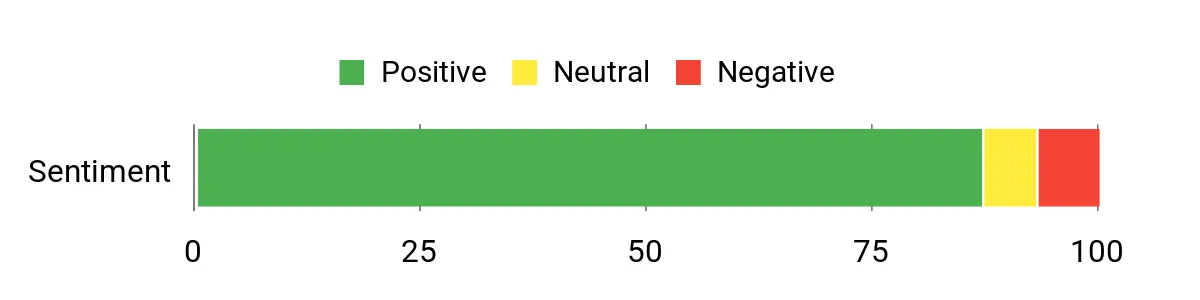
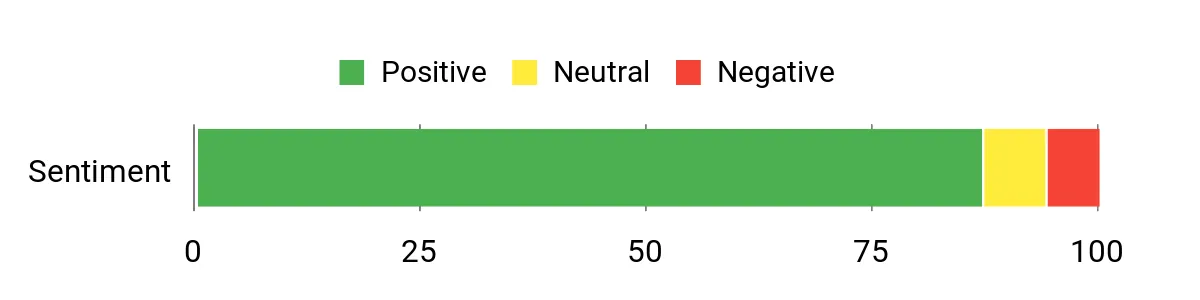
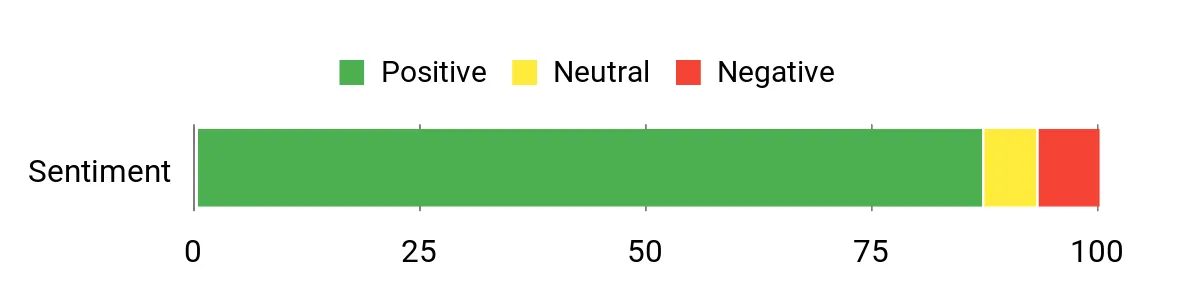
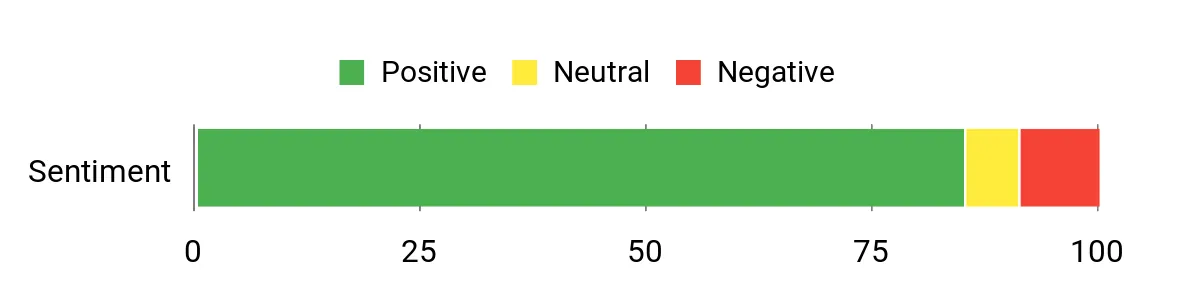
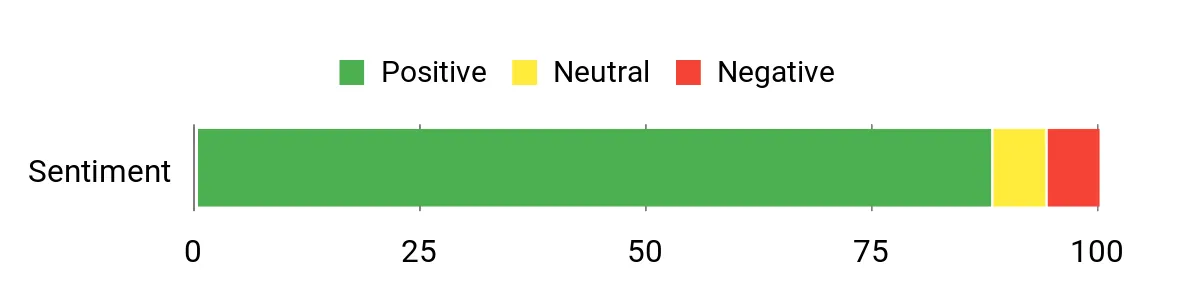
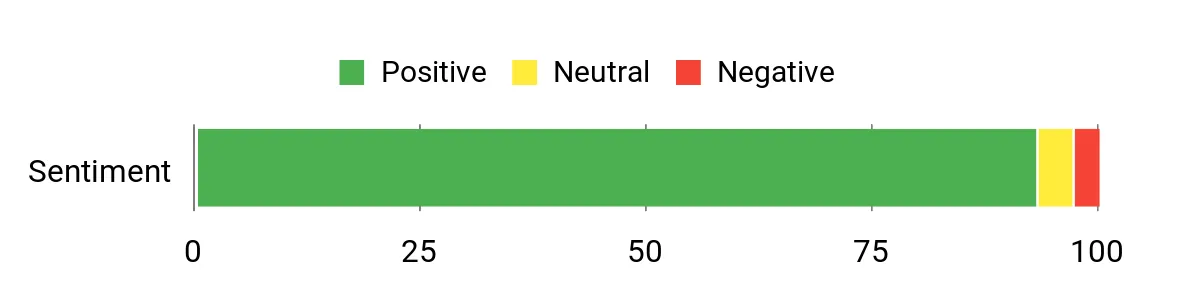
Editorial chart note: Existing sentiment graphics from the original article are retained with the relevant products. The underlying review samples, time periods, and calculations were not provided. These images should be treated as historical editorial illustrations, not independently verified customer-review statistics.
For additional buying guidance, see REI’s guide to choosing a daypack.
Best Hiking Backpacks: Detailed Reviews
TETON Oasis 18L: Best for Shorter Day Hikes

The TETON Oasis 18L makes sense when you want a practical hiking backpack that keeps water within easy reach. Its included 2-liter reservoir allows you to drink through a hose without repeatedly opening your bag.
The 18-liter storage compartment provides room for common day-hike items such as snacks, a light rain jacket, a compact first-aid kit, and personal essentials. Front and side storage areas help separate frequently used items from the main compartment.
The padded shoulder straps, adjustable sternum strap, waist strap, and ventilated mesh panel are useful on warm days. You can adjust the pack to reduce shifting while walking over uneven ground.
Why You’ll Like It
- Included 2L water bladder supports hands-free drinking.
- Compact storage suits many short and moderate hikes.
- Adjustable straps help improve fit and stability.
- Ventilated back panel can improve airflow against your back.
- Included rain cover provides additional protection during showers.
Who Should Buy This?
Choose the Oasis 18L if you usually take shorter day hikes, walks, or outdoor excursions and want an uncomplicated hydration backpack with useful storage.
Who Should Avoid This?
Consider a larger option if you routinely carry bulky winter clothing, camera equipment, substantial emergency supplies, or gear for multiple people.
What to Check in Buyer Reviews
Look for feedback on shoulder-strap comfort, reservoir cleaning, zipper durability, and how well the pack fits your torso. Review experiences may differ depending on body size, packing weight, and usage.
Original editorial sentiment graphic: The chart below has been retained from the supplied article. Its underlying review data was not independently verified.
Practical Benefits and Limitations
The main advantage is convenience. You can carry water, food, and smaller gear in one organized pack. The included rain cover is useful for unpredictable weather, although you should place electronics in waterproof pouches when heavy rain is possible.
The pack is not intended to support heavy overnight backpacking loads. It also lacks the space and support of a larger multiday hiking backpack.
Key Benefits
- 18L gear capacity for lighter day-hike loads.
- Included 2L hydration bladder.
- Padded shoulder straps and ventilated back panel.
- Adjustable chest and waist straps.
- External bungee storage for a jacket or other appropriate gear.
- Included rain cover and reflective accents.
Manufacturer-listed weight: Approximately 2 lb.
Manufacturer-listed dimensions: 18.5 x 10 x 7 inches in use.
Verdict: A practical choice for hikers who want included hydration and an 18L pack without the extra bulk of a larger backpack.
Water Buffalo Sherpa 22L: Best for Organization

The Water Buffalo Sherpa 22L is designed for hikers who prefer having a designated place for their belongings. Its larger 22-liter storage capacity gives you extra room for a jacket, lunch, trail supplies, and other essentials.
A useful feature is the shoulder-strap phone pocket. It can make checking navigation or retrieving your phone easier without removing the entire backpack. The trekking pole holders and external attachment points also help keep your hands free when you are not using your poles.
Its included 2-liter hydration bladder supports drinking while walking. Adjustable chest and waist straps help stabilize the load, while the padded shoulder straps and breathable back panel are intended to improve carrying comfort.
Why You’ll Like It
- 22L storage capacity offers room for longer day outings.
- Included 2L hydration bladder.
- Multiple storage pockets help separate essentials.
- Shoulder-strap phone pocket improves access.
- Trekking pole holders are convenient on changing terrain.
- Adjustable straps support a more stable carry.
Who Should Buy This?
The Sherpa 22L is a good match for hikers who carry several small accessories, use trekking poles, and want easy access to their phone and water.
Who Should Avoid This?
Skip it if you prefer a very minimal pack with few compartments or need the load support of a larger framed hiking backpack.
What to Check in Buyer Reviews
Pay attention to comments about reservoir quality, pocket accessibility, shoulder-strap fit, and long-term zipper performance. The ideal pocket layout depends on the gear you personally carry.
Original editorial sentiment graphic: This image is retained from the source article. Its review methodology and sample size were not provided.
Practical Benefits and Limitations
The Sherpa solves a common hiking problem: finding frequently used items without repeatedly unpacking your bag. With several storage areas, you can keep food, accessories, and larger gear more organized.
The manufacturer describes rainproof zipper liners, but that should not be interpreted as complete waterproof protection. Use additional dry storage for devices, documents, and other moisture-sensitive belongings.
Also remember that the 22L figure describes storage capacity. The included reservoir holds 2L of water. These are separate measurements.
Key Benefits
- 22L gear compartment capacity.
- Included 2L water reservoir.
- Multiple organizational pockets.
- Shoulder phone pocket and trekking pole holders.
- Chest and waist adjustments for stability.
- Water-resistant construction details and protected zipper areas.
Manufacturer-listed dimensions: Approximately 14.7 x 11.6 x 4.3 inches.
Verdict: Choose the Water Buffalo Sherpa 22L if organization and hydration access are more important to you than an especially minimal design.
TETON Oasis 22L: Best Overall Hiking Daypack

The TETON Oasis 22L offers a useful combination of storage, hydration, and comfort features for recreational day hiking. It provides more packing space than the 18L version, which can make a noticeable difference when you need an extra insulating layer, larger lunch, or additional outdoor supplies.
The included 3-liter hydration bladder is another important difference. It gives you more potential water capacity than the 2-liter reservoir in the smaller Oasis, although you should carry only the amount you need based on the route, weather, and available water sources.
Its padded shoulder straps, ventilated back panel, and adjustable chest and waist straps make it a practical option for hikers who want straightforward adjustments. Front storage areas and external bungee cords also help keep commonly used items accessible.
Why You’ll Like It
- 22L storage volume suits a wide range of day hikes.
- Included 3L hydration bladder provides substantial water capacity.
- Adjustable carrying system helps keep the pack stable.
- Ventilated back panel improves airflow.
- Multiple pockets support better gear organization.
- Included rain cover provides additional protection in showers.
Who Should Buy This?
Choose the Oasis 22L if you usually hike for several hours and want enough room for water, food, layers, and essential equipment without moving to a much larger backpack.
Who Should Avoid This?
Consider the 18L version if you consistently carry a very small load. If you need more substantial load support, technical climbing attachments, or a larger gear compartment, compare the Deuter Trail 30.
What to Check in Buyer Reviews
Review the latest comments about bladder cleaning, torso comfort, strap adjustments, and rain-cover performance. Confirm that the selected listing corresponds to the 22L version with its expected reservoir.
Original editorial sentiment graphic: This chart is preserved from the supplied article and should not be interpreted as independently validated customer-review research.
Practical Benefits and Limitations
The biggest benefit is versatility. You have enough capacity for many full-day outings while retaining the convenience of a relatively compact hydration backpack.
The included reservoir can reduce the need to reach for a bottle while walking. However, you will still need to clean and dry the reservoir properly after use.
The pack is designed for day hiking rather than heavy multiday backpacking. Its waist strap can help stabilize the load, but should not be assumed to provide the same load transfer as a substantial framed backpacking hip belt.
Key Benefits
- 22L storage capacity for day hiking essentials.
- Included 3L hydration bladder.
- Ventilated mesh back panel.
- Padded shoulder straps.
- Adjustable chest and waist straps.
- External bungee storage.
- Included rain cover.
Manufacturer-listed weight: Approximately 2.5 lb.
Manufacturer-listed dimensions: 19.5 x 12 x 9.5 inches in use.
Verdict: The Oasis 22L is our Best Overall recommendation because it balances gear capacity, included hydration, and practical day-hiking features.
IX INOXTO Hydration Vest: Best for Trail Running
If you run on trails or prefer moving quickly with minimal equipment, a hydration vest may be more convenient than a traditional backpack. The IX INOXTO Hydration Vest is designed to sit closer to your torso while keeping water and small items within reach.
Its breathable mesh construction and adjustable straps are intended to reduce unnecessary movement. Accessible pockets provide storage for items such as energy gels, keys, a phone, and compact accessories.
Different versions of this product may have different hydration reservoir capacities and included accessories. Check the exact listing before ordering rather than assuming every color or configuration includes the same bladder or bottles.
Why You’ll Like It
- Close-fitting vest design intended for running.
- Lightweight construction suited to fast movement.
- Accessible pockets for smaller essentials.
- Breathable mesh areas.
- Adjustable straps to help control bounce.
- Hydration options suited to active outdoor use.
Who Should Buy This?
Consider this vest if you primarily run, train for trail events, or take short outings with very little equipment. It is particularly useful when easy access to water and snacks matters more than carrying capacity.
Who Should Avoid This?
Avoid using it as your main backpack when your hike requires bulky clothing, substantial emergency gear, a large first-aid kit, or other equipment that will not fit securely.
For ordinary full-day hikes, a conventional 18L to 22L daypack will often be more versatile.
What to Check in Buyer Reviews
Prioritize comments about chest fit, movement while running, chafing, pocket access, and hydration-system durability. Check both the size and included accessories for your chosen variation.
Original editorial sentiment graphic: This graphic remains from the source article. Its underlying customer-review sample was not available for independent verification.
Practical Benefits and Limitations
The main benefit is access. Instead of removing a backpack to find a snack, key, or hydration tube, you can keep important items close to your body.
A properly adjusted vest can also feel more stable while running. However, comfort depends heavily on individual fit and how the vest is loaded.
The limitation is storage. Running vests should not be treated as substitutes for hiking packs when a route requires substantial clothing, water, and safety supplies.
Key Benefits
- Compact hydration vest construction.
- Lightweight and breathable materials.
- Storage pockets for frequently used items.
- Adjustable carrying straps.
- Suitable design for running and fast-moving outdoor activities.
- Hydration components depend on the selected configuration.
Listed vest weight: Approximately 190 grams for commonly advertised configurations; confirm the exact variation.
Verdict: A specialist choice for trail running and minimal outings rather than a general replacement for a hiking daypack.
SKYSPER 15L Daypack: Best Compact Hiking Backpack
The SKYSPER 15L Daypack is worth considering if you regularly hike with a small amount of equipment. Its compact format makes it easier to carry through parks, short trails, busy streets, and travel destinations where a full-size hiking backpack would feel excessive.
A 15-liter compartment can provide space for a light jacket, snacks, water, and small personal items, depending on their dimensions. This makes it suitable for shorter recreational outings when you can keep your equipment minimal.
SKYSPER offers multiple 15L backpack designs, and their precise specifications are not interchangeable. Before purchasing, check the selected product for its back-panel design, chest or waist straps, bottle pockets, and reservoir compatibility.
Why You’ll Like It
- Compact 15L size reduces unnecessary bulk.
- Convenient for shorter outdoor activities.
- Suitable for carrying basic travel and hiking essentials.
- Smaller profile can be easier to manage on crowded transport.
- Useful as a dedicated day bag alongside larger luggage.
Who Should Buy This?
Choose a SKYSPER 15L if you normally take easy-to-moderate walks, visit parks, or travel with just a few essentials. It is also a sensible size for hikers who already know how to pack lightly.
Who Should Avoid This?
Choose something larger when you need additional clothing, equipment for changing weather, substantial water supplies, or extra gear for children and companions.
The smaller capacity also means you must be more careful about packing priorities.
What to Check in Buyer Reviews
Look for feedback on strap comfort, zipper durability, bottle-pocket fit, fabric performance, and whether the specific configuration matches the advertised pictures.
Original editorial sentiment graphic: This chart is retained from the supplied article; its data source and methodology were not independently verified.
Practical Benefits and Limitations
The biggest advantage is portability. A smaller backpack encourages you to carry only what you need, which may make everyday walking and short trips more convenient.
However, a compact pack is only comfortable if your gear fits properly and the carrying system suits your body. Avoid forcing bulky equipment into a small compartment.
Water resistance, hydration compatibility, and removable strap arrangements should be confirmed for the exact model offered on the product page.
Key Benefits
- 15L storage category.
- Compact design for light-duty hiking and travel.
- Suitable for basic outdoor essentials.
- Convenient for short walks and sightseeing.
- Smaller profile than many general-purpose hiking backpacks.
Important specification note: SKYSPER sells several different 15L models. The complete feature set of the linked ASIN could not be independently confirmed. Check the actual product images and specifications before purchasing.
Verdict: A useful compact option when minimal weight and convenient carrying matter more than maximum storage.
Deuter Trail 30: Best for Demanding Day Hikes
The Deuter Trail 30 is built for hikers who need more storage and a more structured carrying system. Its 30-liter capacity accommodates additional clothing, food, technical accessories, and equipment that may not fit comfortably in a smaller daypack.
The Deuter Airstripes back system uses ventilation channels to encourage airflow while keeping the backpack close to your body. Perforated shoulder straps and supportive hip fins are designed to help manage the load on uneven terrain.
The flexible Delrin U-frame helps maintain the pack’s structure, while its front opening improves access to items packed deeper inside. Attachment points for trekking poles and ice axes also make it useful for some technical hiking activities.
Unlike the included-bladder TETON models, the Deuter is hydration-compatible, but a water reservoir should not be assumed to be included.
Why You’ll Like It
- 30L capacity provides room for additional outdoor gear.
- Airstripes ventilation supports airflow.
- Flexible frame helps stabilize the carried load.
- Supportive hip fins and adjustable straps improve load management.
- Front zipper access makes packing and unpacking easier.
- Hydration compatibility and technical attachment points add versatility.
- Removable rain cover provides extra weather protection.
Who Should Buy This?
Choose the Trail 30 if you regularly take longer or more demanding hikes and need to carry extra layers, supplies, and equipment. Its support features are particularly relevant when your load is heavier than a minimal day-hiking kit.
Who Should Avoid This?
It may be more backpack than you need for short walks, quick sightseeing trips, or outings where you carry only water and snacks.
You should also verify the fit carefully. The checked manufacturer version lists a back-length range of 44–54 cm, so it will not suit every torso size.
What to Check in Buyer Reviews
Focus on real-world comfort with loaded gear, hip-belt fit, ventilation, access to storage areas, and how the back panel feels during extended walks.
Original editorial sentiment graphic: The source article’s existing chart is shown below, but its underlying review sample and calculations were not independently available.
Practical Benefits and Limitations
This backpack solves two common problems on demanding routes: insufficient space and uncomfortable load distribution.
The larger compartment helps carry additional supplies, while the supportive structure can make the load more manageable when properly adjusted.
However, the Trail 30 is still primarily a hiking daypack. Its checked manufacturer specifications recommend a load of approximately 4–8 kg. It should not be used as an unrestricted heavy-hauling expedition backpack.
Although 30L can sometimes accommodate a very minimal overnight kit, whether it works depends on the equipment, season, weather, and sleeping arrangements.
Key Benefits
- 30L equipment capacity.
- Deuter Airstripes ventilation system.
- Flexible Delrin U-frame.
- Adjustable sternum and load-stabilizing straps.
- Supportive hip fins.
- Front access and multiple storage areas.
- Hydration compatible up to 3L.
- Trekking pole and ice-axe attachment features.
- Removable rain cover.
Manufacturer-listed weight: 1,120 g, approximately 2.47 lb.
Manufacturer-listed dimensions: 63 x 29 x 20 cm.
Recommended load: 4–8 kg for the checked model.
Listed back-length range: 44–54 cm.
Verdict: The Deuter Trail 30 is the strongest specialist choice in this roundup for hikers who need additional storage and a more substantial carrying system.
How to Choose the Right Hiking Backpack
Before buying, think about the trips you normally take. Your backpack should have enough room for your gear without forcing you to carry unnecessary bulk.
1. Choose the Right Capacity
| Capacity | Typical Use | What to Consider |
|---|---|---|
| Small vest or up to 10L | Running and minimal outings | Very limited equipment space |
| 11–15L | Short hikes, walks, and sightseeing | Good for light loads |
| 16–22L | Many recreational day hikes | Room for layers, food, and essentials |
| 23–35L | Longer outings and larger equipment loads | Check frame, fit, and load support |
| Larger backpacking packs | Overnight and multiday trips | Choose according to equipment volume and expected weight |
These are general guidelines, not strict limits. Your actual requirements depend on trip duration, climate, equipment size, and how much water and clothing you need.
2. Measure Your Torso and Check Fit
A good backpack should sit comfortably against your back without pulling excessively on your shoulders.
For models offering specific torso sizing, measure from the prominent vertebra at the base of your neck to the point on your spine level with the top of your hip bones. Compare that measurement with the manufacturer’s fit range.
- Adjust the shoulder straps so the pack stays close to your back without pinching.
- Position a supportive hip belt according to the manufacturer’s fitting instructions.
- Use the sternum strap to stabilize the shoulder harness without restricting breathing.
- Adjust any load-stabilizing straps if the backpack includes them.
- Test the pack with an amount of weight similar to your usual hiking load.
Pro Tip: Try walking, bending, and stepping up with the loaded backpack. If it repeatedly shifts, rubs, or creates pressure points, reconsider the fit or carrying system.
3. Compare Hydration Systems
Hydration backpacks let you carry water in a reservoir and drink through a tube while moving. This can be convenient on longer walks and uneven trails.
However, hydration features differ:
- Included bladder: A reservoir comes with the backpack or selected configuration.
- Hydration-compatible: The backpack has space or routing for a separately purchased reservoir.
- Water-bottle pockets: Useful for hikers who prefer bottles or want a backup.
Also check the reservoir’s opening, cleaning requirements, hose routing, and available replacement parts.
The TETON Oasis 18L and 22L include differently sized reservoirs according to the manufacturer. The Water Buffalo Sherpa 22L includes a 2L reservoir. Other configurations should be checked individually.
4. Look for Comfortable Weight Distribution
A lightweight bag is not automatically the most comfortable bag. The correct carrying system depends on the amount of weight you bring.
For shorter trips, padded shoulder straps and a stabilizing chest strap may be sufficient. For longer hikes and heavier equipment, frame support, a properly designed hip belt, and adjustable load-control straps become more important.
Remember that a narrow waist strap used to stop bouncing does not necessarily transfer substantial weight to your hips.
5. Understand Weather Protection
Hiking backpacks often use water-resistant fabrics, protective zipper designs, or rain covers. These features can help during light to moderate rain but should not be confused with complete waterproofing.
Weather Protection Note: If you carry a camera, phone, medication, important documents, or spare dry clothing, use appropriate waterproof bags or liners when rain or water exposure is possible. A rain cover alone may not protect every opening.
6. Check Organization and Gear Access
The ideal pocket layout depends on what you bring.
A hiker carrying trekking poles may want external attachment points. Someone using navigation frequently may prefer quick-access phone storage. If you carry several layers, a larger main compartment may matter more than numerous small pockets.
Before buying, list your main items and decide where each one will go in the pack.
7. Consider Durability and Long-Term Value
Look beyond product weight and marketing descriptions. Useful durability considerations include reinforced seams, dependable zippers, abrasion-resistant fabric, replaceable hydration components, and manufacturer support.
A more expensive backpack is not always necessary for occasional short hikes. But if you hike frequently, comfort and construction quality may be worth prioritizing.
Review the current warranty terms for the exact model and purchase location before assuming lifetime coverage.
Before You Buy: Hiking Backpack Checklist
- Confirm the backpack’s actual gear capacity.
- Check the manufacturer’s recommended load range.
- Measure your torso when the model has specific fit requirements.
- Decide whether you need an included hydration bladder.
- Verify the exact bladder capacity and included accessories.
- Check bottle-pocket and trekking pole compatibility.
- Review rain-cover and water-resistance information.
- Confirm the dimensions against your travel needs.
- Read recent buyer reviews for recurring durability complaints.
- Compare the current Amazon listing with the manufacturer’s published specifications.
Common Hiking Backpack Mistakes to Avoid
Buying Too Much Capacity
A larger pack is not always better. Extra space can encourage you to carry unnecessary equipment, increasing the load on your shoulders and back.
Ignoring Torso Fit
Even a well-made backpack can be uncomfortable if the harness or back length does not suit your body.
Confusing Storage Capacity With Water Capacity
A 22L hydration backpack with a 2L bladder does not hold only 2L of equipment. The first figure describes gear storage, while the second describes the reservoir.
Assuming a Rain Cover Makes the Pack Waterproof
Rain covers offer useful protection, but water can still enter around openings, contact points, and exposed areas.
Buying a Running Vest for a Gear-Heavy Hike
Running vests work well for minimal loads, but their limited storage may not accommodate the equipment needed on a longer route.
Forgetting the Weight of Water
One liter of water weighs about one kilogram. A full 3L reservoir therefore adds approximately 3 kg of water alone, before accounting for the backpack and other gear.
Pro Tip: Pack your hiking essentials first, then choose a backpack that accommodates them comfortably. Avoid choosing a pack based only on its advertised liter capacity.
FAQ
How Do I Choose the Right Backpack Capacity and Fit for Hiking?
Start with your trip duration, expected weather, and equipment list. Many short hikes can be completed with a 10L to 20L daypack, while longer outings may benefit from 20L to 35L of storage.
Fit is just as important as capacity. Measure your torso when appropriate and check how the shoulder straps, back panel, and hip belt sit against your body.
Try the backpack with realistic weight before committing to it. If the load shifts or creates uncomfortable pressure points, consider a different fit or carrying system.
Are Hydration Backpacks Worth It?
Hydration backpacks can be worthwhile if you hike regularly and prefer drinking through a hose instead of stopping to retrieve a bottle.
They are especially convenient for walking on uneven terrain, cycling, and other activities where easy water access matters.
However, bottles can be easier to clean and refill in some situations. The best choice depends on your preferences and route requirements.
How Should I Clean and Maintain a Hydration Bladder?
After each use, empty the reservoir and follow the manufacturer’s cleaning instructions. For ordinary water use, rinse the reservoir, hose, and bite valve thoroughly.
Use an appropriate mild cleaning product when needed, rinse completely, and allow all components to dry before storage.
Inspect the reservoir and hose for cracks, leaks, persistent odors, or damage. Replace worn parts according to the manufacturer’s guidance.
Is a 15L Backpack Enough for a Day Hike?
A 15L backpack can be enough for a short hike in mild conditions if you carry a compact equipment list.
It may not provide sufficient space for bulky layers, additional safety equipment, or supplies needed for remote and demanding routes.
Choose capacity according to your planned hike rather than using the same size for every trip.
Should I Choose the TETON Oasis 18L or 22L?
Choose the Oasis 18L when you prefer a smaller backpack and typically carry a light load. Its included 2L water bladder suits many recreational day hikes.
Choose the Oasis 22L when you need more room for clothing and accessories or want the included 3L reservoir.
Both models include adjustable straps and rain covers according to TETON’s published specifications.
What Is the Difference Between the Water Buffalo Sherpa 22L and TETON Oasis 22L?
Both provide 22L of gear capacity and are intended for hiking.
The Sherpa emphasizes multiple storage pockets, convenient phone access, and trekking pole holders. Its included reservoir holds 2L.
The TETON Oasis 22L includes a 3L reservoir and offers a straightforward combination of storage, external bungee organization, and weather protection.
Choose based on the pocket arrangement, hydration capacity, carrying fit, and features you will actually use.
Can a 30L Hiking Backpack Be Used for Overnight Trips?
Sometimes. A 30L backpack may accommodate a minimalist overnight kit when sleeping gear is compact and conditions are favorable.
However, it may be too small for a full camping setup, bulky sleeping bag, cooking equipment, food, and cold-weather clothing.
The Deuter Trail 30 is primarily designed for hiking and has a manufacturer-recommended load range. For regular multiday backpacking, consider a pack specifically designed for the expected volume and weight.
Will a Lightweight Backpack Hold Up on Longer Adventures?
Durability depends on fabric quality, stitching, hardware, packed weight, and how the backpack is used.
A compact daypack may perform well for frequent light-duty outings but lack the support needed for heavier equipment.
For demanding hikes, prioritize appropriate load capacity, secure fit, construction quality, and access to replacement or repair services.
Are Hiking Backpacks Waterproof?
Not necessarily. Many hiking backpacks are water-resistant rather than fully waterproof.
A rain cover can improve protection during showers, but you should still use waterproof storage for items that must remain dry.
Check the manufacturer’s specific construction and waterproofing claims rather than relying on general marketing language.
Can I Use a Trail Running Vest for Hiking?
Yes, a running hydration vest can work for short hikes when you carry only basic essentials and the vest fits comfortably.
For longer routes or situations requiring more layers and equipment, a conventional hiking backpack is generally more practical.
Which Hiking Backpack Is Best for Your Needs?
The ideal backpack depends on how much you carry and what you prioritize. Here is a final use-case comparison.
| Your Priority | Recommended Pack | Main Reason |
|---|---|---|
| General day hiking | TETON Oasis 22L | Balanced storage and included hydration |
| Shorter hikes | TETON Oasis 18L | Compact size with included bladder |
| Pocket organization | Water Buffalo Sherpa 22L | Convenient storage and pole holders |
| Longer or technical hikes | Deuter Trail 30 | Larger capacity and supportive structure |
| Compact travel | SKYSPER 15L | Smaller everyday carrying profile |
| Trail running | IX INOXTO Hydration Vest | Close-fitting access to small essentials |
Wrapping Up: Our Final Recommendations
Choose a hiking backpack based on the activities you actually enjoy and the equipment you regularly carry.
For most recreational day hikers, the TETON Oasis 22L offers a practical combination of storage, included hydration, and carrying adjustments. The TETON Oasis 18L is a sensible alternative when you want a slightly smaller bag.
If you value pockets and convenient access to hiking accessories, the Water Buffalo Sherpa 22L is worth considering. For more demanding day hikes and larger equipment loads, the Deuter Trail 30 provides a more structured carrying system.
The SKYSPER 15L suits lighter outings and compact travel, while the IX INOXTO Hydration Vest serves runners and hikers who need very little storage.
Final recommendation: Fit comes first. After that, choose enough capacity for your essentials, consider hydration and weather protection, and avoid paying for features you are unlikely to use.
Hiking Backpack Specifications Comparison
| Product | Image | Gear Capacity | Hydration | Weight | Best Use |
|---|---|---|---|---|---|
| TETON Oasis 18L Hydration Backpack |
 |
18L | 2L bladder included | Approx. 2 lb | Shorter day hikes |
| Water Buffalo Sherpa 22L Hydration Backpack |
 |
22L | 2L bladder included | Verify listed variation | Organized day hiking |
| TETON Oasis 22L Hydration Backpack |
 |
22L | 3L bladder included | Approx. 2.5 lb | General day hiking |
| IX INOXTO Hydration Vest |
 |
Compact; variation-dependent | Check selected configuration | Approx. 190 g for commonly listed vest | Trail running |
| SKYSPER 15L Daypack |
 |
15L | Verify selected model | Verify selected model | Compact hiking and travel |
| Deuter Trail 30 |
 |
30L | Compatible up to 3L; reservoir not assumed included | Approx. 2.47 lb | Demanding day hikes |
Specifications note: Manufacturer specifications were used where reliable information was available. Other measurements and included accessories should be checked against the exact product variation. Listed weights may exclude water and personal equipment.
Product Information and Buying Resources
To confirm features before purchasing, compare the Amazon product description with information published by the relevant manufacturer:
- TETON Oasis hydration backpack specifications
- Water Buffalo Sherpa hydration backpack details
- Deuter Trail 30 technical specifications
- REI daypack selection and fitting guide
Last editorial review: October 30, 2026. Product configurations, specifications, and retailer listings may change. Always confirm current details before ordering.
This roundup is reader-supported. When you purchase through qualifying affiliate links, we may earn a commission at no additional cost to you. Recommendations are based on product relevance, published specifications, and practical buyer considerations rather than claimed hands-on testing.

