


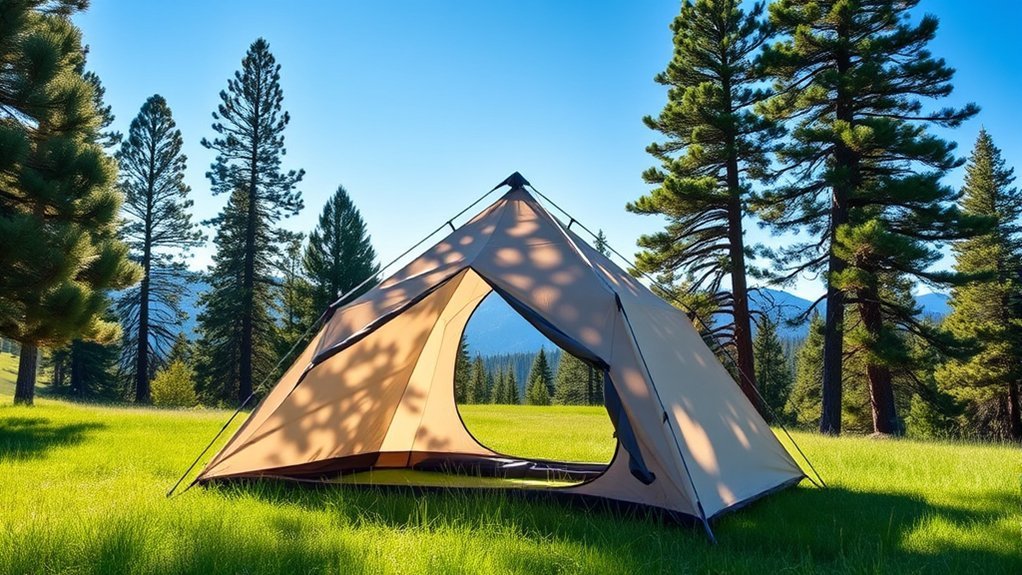
A freestanding tent is a self-supporting shelter that stands independently without stakes, offering ease of setup and flexibility in various terrains. It’s ideal for campers who need quick pitching, especially on rocky ground. With increased headroom and spacious interiors, it enhances comfort and livability. However, they can be heavier due to extra poles and may require proper anchoring in high winds. Discover the key features and popular options to determine the best fit for your camping needs.
Definition of a Freestanding Tent

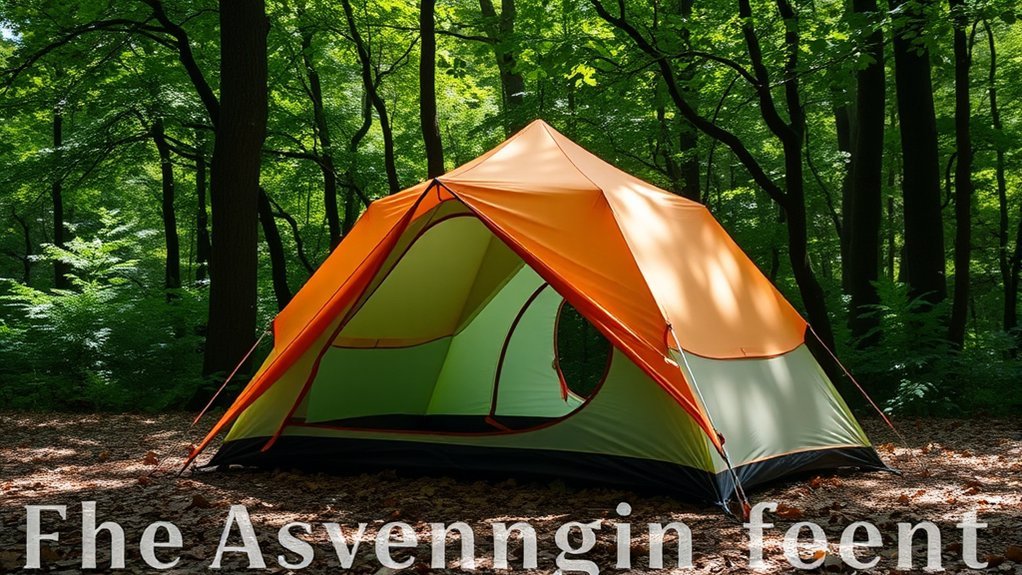
A freestanding tent is a versatile camping shelter that stands independently without relying on stakes or external support. Its robust poles provide essential structure and stability, allowing you to set up camp on various terrains, including rocky or hard-packed surfaces. This design feature makes it easy to relocate after setup, enhancing your camping experience. Freestanding tents typically use durable materials, ensuring they withstand diverse weather conditions, while their spacious interiors offer greater livability with steeper walls for activities like sitting up inside. However, be aware that these tents are generally heavier than non-freestanding options due to the additional poles, which can take up more space in your backpack. Yet, the self-sustaining structure grants you the freedom to choose unconventional locations for setup, whether indoors or on hard ground, giving you the flexibility to adapt to your environment.
Advantages of Freestanding Tents
Freestanding tents offer a straightforward setup process, allowing you to pitch your shelter quickly in various environments. Their enhanced mobility options mean you can easily reposition them without taking everything down, adapting to changing conditions. Additionally, their robust design provides greater weather resistance, ensuring you stay protected in harsh elements.
Easy Setup Process
When you’re looking to set up camp quickly, the easy setup process of freestanding tents becomes a game-changer. These tents utilize robust pole structures that streamline tent assembly techniques, allowing you to pitch your shelter in under five minutes. Their user-friendly designs mean you can easily relocate the tent without disassembly, ensuring ideal positioning.
- Freestanding tents perform well on rocky terrain where stakes can’t penetrate.
- Many include a separate rainfly, enabling versatile pitching options.
- Fewer steps than non-freestanding models simplify the setup process.
With these features, freestanding tents are perfect for quick camping situations, letting you focus on enjoying your adventure rather than wrestling with complicated setups.
Enhanced Mobility Options
The mobility of freestanding tents enhances your camping experience by allowing easy relocation after setup. This camping convenience means you can adjust your position without disassembling the entire tent, adapting to changing conditions. Whether you’re on rocky or hard-packed surfaces where stakes won’t penetrate, these tents offer flexibility for setup, guaranteeing you can find the best spot. You can quickly move to sunnier or drier areas for increased comfort, making your outdoor adventure more enjoyable. Additionally, their design allows for pitching in unconventional locations, like indoors, which is perfect for families with small children. With their ability to set up without reliance on stakes, freestanding tents guarantee a versatile camping experience tailored to your needs.
Greater Weather Resistance
While many tents struggle against harsh weather conditions, those designed with a double-wall construction offer superior protection, ensuring you stay dry and comfortable. Freestanding tents excel in weather resistance thanks to their innovative design, allowing for effective temperature regulation and moisture management. Here’s what sets them apart:
- Stability in High Winds: The pole structure maintains shape, reducing collapse risk.
- Versatile Setup: You can pitch on hard ground or rocky surfaces without stakes, adapting to various terrains.
- Extra Storage: Larger vestibules keep your gear sheltered, enhancing convenience in adverse weather.
With these features, freestanding tents empower you to embrace the outdoors confidently, no matter the elements. Enjoy your adventures, knowing you’re equipped for whatever nature throws your way.
Disadvantages of Freestanding Tents
Although freestanding tents offer convenience in setup, they come with several disadvantages that can impact your outdoor experience. One major drawback is the setup challenges; their more complex pitching process can be intimidating, especially for those looking for a quick and easy configure. Additionally, you’ll face weight trade-offs, as freestanding models generally weigh more due to the extra poles required for structural support, making them less ideal for ultralight backpackers. In high wind conditions, these tents may lack stability without proper anchoring, increasing the risk of being blown away if not secured correctly. Cleaning and maintaining a freestanding tent can also be tricky, as their design complicates access to all areas inside. Finally, expect limited interior space compared to non-freestanding models, which often maximize livability through innovative designs that rely on stakes.
Weight and Packability Considerations
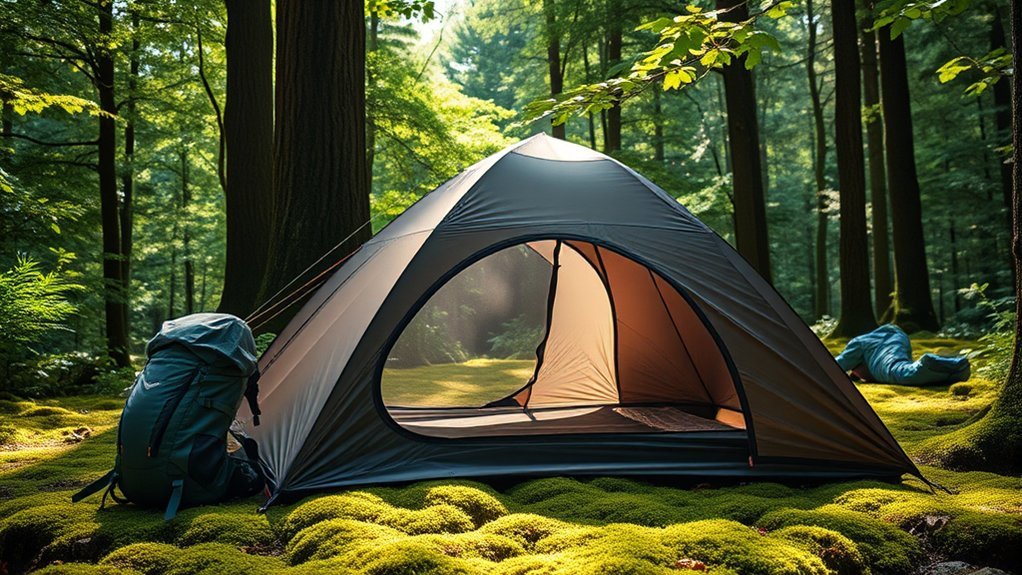
When choosing a freestanding tent, consider both its weight and packability. These factors can greatly impact your hiking distance, especially on long trips where every ounce counts. While freestanding tents offer spacious interiors, their added weight and bulk can make them less ideal for ultralight backpacking.
Tent Weight Comparison
Choosing the right tent involves more than just considering its features; weight and packability play essential roles in your decision. Freestanding tents, while offering stability, typically weigh more due to their additional pole structure. Here’s what you should consider:
- Freestanding tents often weigh several ounces to pounds more than non-freestanding options.
- Non-freestanding tents can weigh as little as 1-2 pounds, ideal for long-distance backpacking.
- Trekking pole tents provide exceptional packability, taking up less space in your backpack.
When weighing your options, remember that the materials used in tents also impact their overall weight. For fastpacking and high-mileage days, lighter non-freestanding options often provide the freedom you need to move with ease.
Packability for Backpacking
Packability is vital for backpacking, especially when every ounce counts. Freestanding tents, while offering stability, generally weigh more due to their additional poles, impacting your overall pack weight. These poles also take up more space in your backpack, making them less compact than non-freestanding options. If you prioritize weight efficiency, consider packable options like trekking pole tents. These non-freestanding designs not only weigh less but also pack down smaller, allowing for better weight distribution in your load. This is important for long-distance and fastpacking trips, where every gram matters. Choosing a lightweight tent can greatly reduce your burden, enabling you to enjoy the freedom of the trail without being weighed down.
Impact on Hiking Distance
Although freestanding tents provide excellent comfort and livability, their added weight and bulk can greatly affect your hiking distance. This can lead to significant distance limitations, especially when every ounce matters on long treks.
- Freestanding tents can weigh 1 to 3 pounds more than non-freestanding options.
- Their bulkiness takes up valuable backpack space, impacting your overall pack weight.
- Ultralight non-freestanding tents can weigh as little as 1 pound, enhancing your hiking performance.
While the ease of setup allows for swift camp establishment, the trade-off in weight could limit how far you can hike each day. For fastpacking and high-mileage days, consider your priorities to guarantee you can cover the distances you desire.
Livability and Interior Space
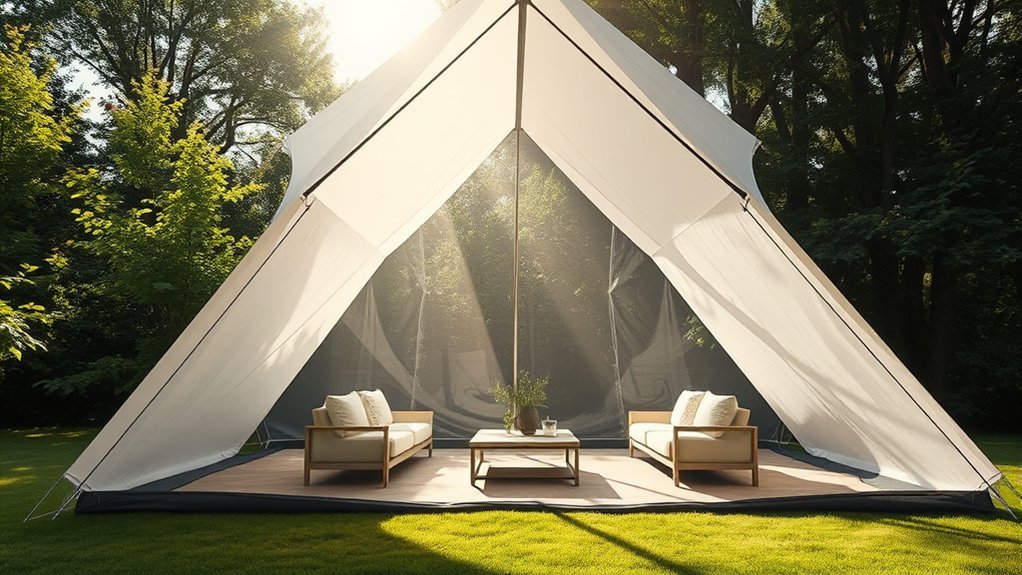
Freestanding tents excel in livability and interior space, making them a popular choice for campers seeking comfort. Their design features steeper walls and a pole structure, maximizing usable space and enhancing interior design for peak spatial efficiency. With increased headroom, you can easily sit up and move around, which is especially valuable in inclement weather. Many models include larger vestibules, providing extra storage for gear and keeping the interior clutter-free. This rigid structure creates a stable environment, allowing you to change clothes or wait out storms without feeling cramped. For those who may experience claustrophobia, freestanding tents offer a more open and spacious atmosphere compared to the narrower A-frame shapes found in non-freestanding tents. This emphasis on livability guarantees you can enjoy your outdoor adventures without sacrificing comfort.
Weather Protection and Ventilation
Freestanding tents offer superior weather resistance thanks to their double-wall design, ensuring you stay dry even in harsh conditions. Their pole structure enhances stability, making them reliable against wind and rain. Additionally, adjustable vents improve airflow, reducing condensation and keeping the interior comfortable, especially in humid climates.
Superior Weather Resistance
When camping in unpredictable weather, having a tent designed for superior weather resistance can make all the difference. Freestanding tents offer remarkable weather durability, ensuring you stay dry and comfortable, even in tough conditions. Their double-wall design helps prevent water entry while allowing moisture to escape, minimizing condensation.
Consider these freestanding benefits:
- Stability: The pole structure maintains shape against wind and rain.
- Versatility: Set up on hard ground or rocky surfaces without staking.
- Reduced condensation: Vents enhance airflow, lowering moisture buildup inside.
With a properly pitched freestanding tent, you’ll enjoy better protection from leaks and drafts during storms, making your outdoor experience more enjoyable and liberating.
Enhanced Airflow Features
While camping, effective ventilation can greatly enhance your comfort and overall experience. Freestanding tents’ double-wall design optimizes airflow dynamics, notably reducing condensation and improving ventilation. Adjustable vents and mesh panels allow you to regulate temperature, especially in warm weather.
| Feature | Benefit |
|---|---|
| Double-Wall Design | Minimizes condensation |
| Adjustable Vents | Customizable airflow |
| High Ceiling Structure | Enhances air circulation |
These tents create a drier interior, essential for preventing mold and mildew during extended trips. With enhanced airflow features, freestanding tents excel at condensation management, ensuring a comfortable camping experience, regardless of changing weather conditions. Embrace liberation in your outdoor adventures with superior ventilation.
Versatility and Setup Flexibility
With the ability to set up on various terrains, freestanding tents offer unmatched versatility and flexibility for campers. You can pitch these tents on rocky ground or hard-packed surfaces without needing stakes, giving you the freedom to select the best location. Their design allows for quick adjustments, so if the weather changes, you can easily relocate to sunnier spots.
Key benefits include:
- Terrain adaptability: Pitch anywhere, including indoors or unconventional surfaces.
- Simplified setup: Experience faster pitching once you know the tent’s design.
- Versatile configurations: Use the rainfly alone for shelter when needed.
This flexibility in setup scenarios enhances your camping experience, letting you embrace spontaneity while ensuring you’re well-protected no matter where your adventures take you.
Price Comparisons With Other Tent Types
How do freestanding tents stack up against other tent types in terms of price? Freestanding tents typically range from $100 to $500, accommodating various budgets with essential features like stability and quick setup. While non-freestanding tents can start as low as $30, they often lack the durability and convenience that many campers seek. If you’re considering high-end options, expect prices to exceed $500, reflecting advanced materials and innovative designs tailored for serious backpackers.
Semi-freestanding tents fall in between, offering a balanced price point for those prioritizing both weight and stability. Although you can find both tent types at comparable price levels, remember that tent durability factors, weight, and ease of setup considerably influence costs. Careful research guarantees you’re informed about what you’re investing in, allowing you to choose a tent that best suits your adventurous spirit and budget.
Popular Freestanding Tent Options
When choosing a freestanding tent, several popular options stand out for their performance and features. The Zpacks Duplex is highly regarded for its durability and lightweight design, making it a top pick for ultralight backpackers. On the other hand, the Nemo Dagger Osmo 2P excels in livability, offering ample space and headroom for comfort during extended trips.
Here are some key features to take into account:
- Double-wall designs enhance ventilation and reduce condensation, vital for comfort in varying weather.
- Capacity ranges from 1 to 4 people, catering to solo adventurers and small groups alike.
- Larger vestibules provide versatile gear storage options for different camping scenarios.
These options not only guarantee a good night’s sleep but also adapt to your adventurous spirit, making them ideal companions for your outdoor endeavors.
Practical Considerations for Choosing a Freestanding Tent
Choosing a freestanding tent involves practical considerations that can greatly impact your camping experience. First, think about the freestanding tent types available; each offers unique benefits for different terrains. These tents are versatile, easily pitched on rocky or hard-packed surfaces where stakes fail. This adaptability allows you to relocate your tent to find a better spot without disassembling it, enhancing your freedom in the wild.
When it comes to setup, freestanding tents typically allow for quicker assembly, making them perfect for beginners. You’ll appreciate their weather resistance, as they can be moved to avoid unfavorable conditions while maintaining stability. Although they may be heavier due to their pole structures, the increased livable space is invaluable for longer trips. Ultimately, investing in a freestanding tent is a smart choice for your camping gear essentials, ensuring comfort and flexibility in your outdoor adventures.
Frequently Asked Questions
Can I Use a Freestanding Tent in Winter Conditions?
Yes, you can use a freestanding tent in winter conditions, but make certain it has proper tent insulation. Consider factors like wind resistance, snow load capacity, and adequate ventilation for an enjoyable winter camping experience.
What Materials Are Freestanding Tents Typically Made From?
Freestanding tents typically use durable tent fabrics like nylon or polyester, providing weather resistance. Their pole materials often include lightweight aluminum or fiberglass, ensuring stability and easy setup, perfect for your adventurous spirit.
How Long Does It Take to Set up a Freestanding Tent?
Setting up a freestanding tent’s like a dance; with practice, you’ll master it in 10 to 20 minutes. Focus on time efficiency to maximize your outdoor experience, ensuring you enjoy nature without delays.
Are Freestanding Tents Suitable for Backpacking Trips?
Yes, freestanding tents are suitable for backpacking trips. They offer lightweight options and terrain adaptability, making them easy to set up on various surfaces while ensuring you can carry essential gear without added burden.
What Maintenance Do Freestanding Tents Require?
To keep your tent in tip-top shape, regularly clean it, check for tears, and apply waterproofing as needed. Follow repair tips for any damage; a little tent care goes a long way in preserving your adventures.
Conclusion
In the world of camping, you might think a freestanding tent is just another option, but its convenience and flexibility can make it feel like a luxury. While you could always wrestle with stakes and guylines, why not embrace the ease of a freestanding design? After all, who wouldn’t want a little extra time enjoying nature instead of fighting with your gear? So, when you’re ready to invest, consider the freestanding tent—it’s not just a tent; it’s your camping companion.