


The concept of pitch in airline seating is a critical factor that influences the overall travel experience for passengers. Pitch refers to the distance between a point on one seat and the same point on the seat directly in front or behind it. This measurement is typically expressed in inches and serves as an indicator of legroom and personal space within an aircraft cabin.[4]
As airlines strive to maximize revenue by accommodating more passengers, understanding the implications of pitch becomes increasingly important for travelers seeking comfort. In the competitive landscape of air travel, where customer satisfaction can influence an airline’s reputation and profitability, pitch plays a pivotal role. Airlines often advertise seat pitch as a selling point, particularly in economy class, where space is at a premium.
A greater pitch can enhance the perception of comfort, making it a crucial consideration when selecting flights. As travelers become more discerning, the importance of pitch cannot be overstated; it shapes how individuals perceive their journey from boarding to landing. Keep in mind, however, that pitch is not exactly the same as legroom—seat design (e.g., slimline backs) can change usable knee space at the same pitch.[4], [5], [6]
Key Takeaways
- Pitch is the distance between identical points on adjacent seats; it is a major driver of perceived legroom but not a direct measure of the knee/leg space.[4]
- A larger pitch generally means more room to move and greater comfort, while a smaller pitch can lead to a cramped experience.
- Seat width measures the distance between armrests (lateral space), while pitch measures front-to-back spacing; both affect comfort.
- As of 2025, typical economy pitch is about 30–32″ (some layouts 28–30″); premium economy is usually ~38″ (≈36–42″, with JAL at 42″); long-haul business commonly features fully flat beds ≈75–80″ long, with pitch varying widely by seat type and aircraft.[3a], [3b], [8], [9], [3c]
- Many airlines sell extra-legroom economy seats (e.g., Economy Plus, Comfort+, Main Cabin Extra) that typically add ~3–6″ of pitch depending on the aircraft and row.[10a], [10b], [10c], [10d], [10e], [10f]
How Pitch Affects Comfort and Legroom
The relationship between pitch and comfort is direct and noticeable: more pitch usually means more legroom, easier posture changes, and reduced fatigue during long flights. For taller individuals, inadequate pitch can cause knee pressure and discomfort, especially on long-haul flights where movement is limited. The ability to shift positions or extend one’s legs can significantly improve comfort.
Beyond legroom, pitch influences how comfortably you can dine, use a laptop, or exit your seat. Note that cabin health guidance also emphasizes movement on longer flights to reduce venous thromboembolism (VTE) risk; while the absolute risk is low, immobility is a factor—especially on journeys over ~4–8 hours.[7a], [7b]
Understanding the Difference Between Pitch and Seat Width

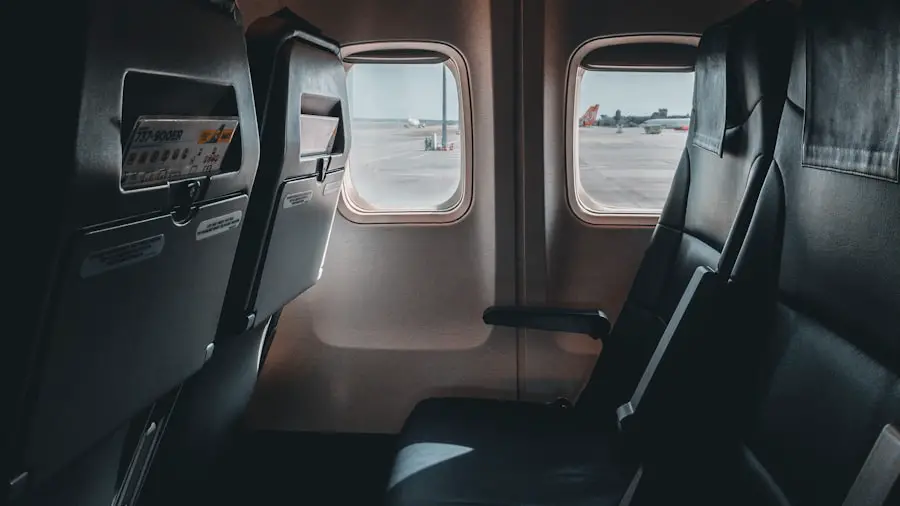
While pitch is often discussed in conjunction with comfort, it is distinct from seat width, which directly affects shoulder and hip room. The interplay matters: generous pitch paired with narrow seats can still feel cramped laterally; wider seats with limited pitch may feel tight at the knees. Understanding both helps you compare cabins more accurately.[4]
The Impact of Pitch on Passenger Experience
| Aspect | Impact on Passenger Experience |
|---|---|
| Seat Pitch | More legroom can lead to increased comfort and satisfaction |
| Pitch Variability | Consistent pitch across aircraft makes planning and expectations easier for travelers |
| Pitch Reduction | Reduced pitch can lead to discomfort and dissatisfaction, particularly on long-haul flights |
Well-designed seating with adequate pitch improves cabin ambiance and overall satisfaction. When passengers perceive enough space, they’re more likely to rate the journey positively and choose the airline again. Conversely, tightly spaced layouts can overshadow otherwise strong service or entertainment.
How Airlines Determine Pitch in Their Seating Configurations
Airlines determine pitch based on aircraft type, route length, target market, and competitive positioning. Increasing pitch reduces the number of seats and potential revenue, so carriers balance comfort and capacity carefully. Regulations in major jurisdictions (e.g., the U.S.) do not mandate minimum seat pitch; instead, aircraft must pass evacuation performance rules (e.g., 14 CFR §25.803). The FAA has solicited public input on minimum seat dimensions related to safety (August 2022) but has not set universal minimums as of October 2025.[1], [2]
The Role of Pitch in Economy, Premium Economy, and Business Class Seats

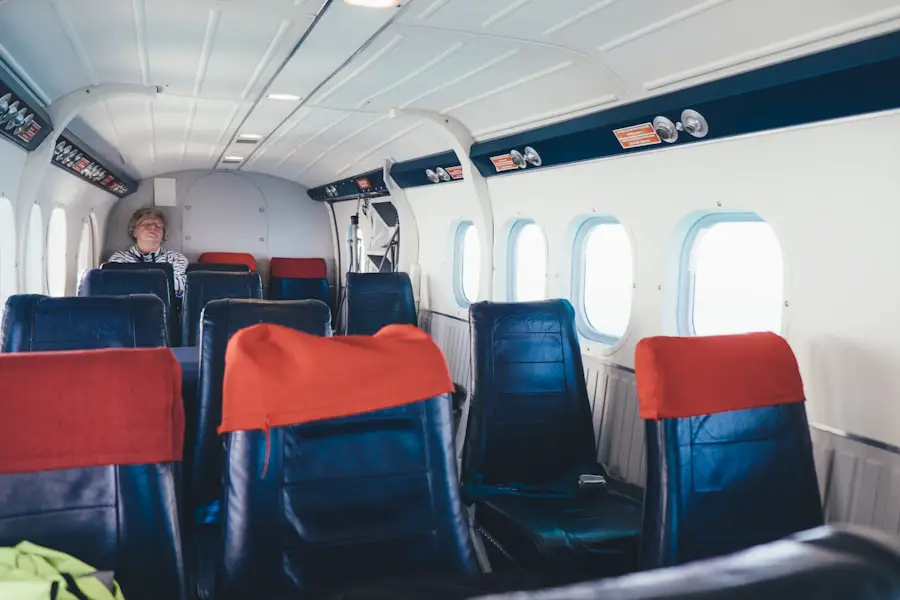
Economy: Many long-haul economy cabins cluster around 30–32″ of pitch, though some aircraft—often in high-density or low-cost layouts—use 28–30″.[3a]
Premium Economy: Typically ~38″ of pitch (≈36–42″). Certain airlines offer more—for example, Japan Airlines lists 42″ across its long-haul fleet.[3b], [8]
Business Class: Pitch varies dramatically by seat type—from ~37–40″ for recliners on some regional services to 55–80″ (or more) for lie-flat/suite configurations. For comfort, bed length is a better comparison metric; modern long-haul business beds commonly measure ~75–80″ (e.g., Qatar’s Qsuite bed is ~80″).[3c], [9]
Strategies for Finding Comfortable Airline Seats Based on Pitch
To improve your chances of comfort:
- Research seat maps before booking using tools like SeatGuru seat maps and your airline’s seat map at checkout.[3a]
- Consider extra-legroom economy options (brand names vary). United Economy Plus, Delta Comfort+, and American Main Cabin Extra typically add about 3–6″ of pitch depending on aircraft and row; airlines may not always publish exact inches on their sites, but independent reviews and guides provide ballpark figures.[10a], [10b], [10c], [10d], [10e], [10f]
- Exit rows and bulkheads can feel roomier, but may have fixed armrests or limited under-seat storage; always check the specific seat notes.
- Mind the seat design: “Slimline” backs can free knee room even at the same pitch, while thick shells may feel tighter.[5], [6]
- On long flights (≈4–8+ hours), move and stretch periodically to support circulation; follow health advice if you have VTE risk factors.[7a], [7b]
If you want more on seat basics, see our related guide: Understanding Pitch: The Key to Comfortable Airline Seats (internal).
FAQs
What is pitch in airline seats?
Pitch in airline seats refers to the distance between a point on one seat and the same point on the seat in front or behind it. It’s often used as a proxy for legroom, though seat design can change how spacious it feels.[4]
Why is pitch important in airline seats?
Pitch helps determine how much room you have to extend your legs and shift posture. More pitch generally means greater comfort, especially on long-haul flights.
How is pitch measured in airline seats?
Pitch is measured from the same structural reference point on two consecutive seats (for example, from a point on the seat frame or track), not simply cushion edge to cushion edge.[4]
What is the standard pitch for airline seats (as of 2025)?
Ranges vary by airline and aircraft: economy commonly ~30–32″ (some 28–30″), premium economy ~38″ (≈36–42″, with JAL at 42″), and in long-haul business class bed lengths are typically ~75–80″ with pitch varying widely.[3a], [3b], [8], [3c], [9]
Can passengers request seats with more pitch?
Yes. Extra-legroom economy products (e.g., United Economy Plus, Delta Comfort+, American Main Cabin Extra) often add ~3–6″ of pitch, typically located in forward rows or exit rows. These seats may cost extra or be available to certain elite members.[10a], [10b], [10c], [10d], [10e], [10f]
References
- FAA eCFR — 14 CFR §25.803 Emergency evacuation (evacuation performance rules; no fixed minimum seat pitch). ecfr.gov
- Federal Register (Aug. 3, 2022): Request for comments on minimum seat dimensions necessary for safety. federalregister.gov
- SeatGuru long-haul economy comparison (typical 30–32″ ranges; examples down to 28–30″). seatguru.com
- SeatGuru premium economy comparison (≈38″ typical; airline specifics). seatguru.com
- SeatGuru long-haul business comparison (wide pitch range; shows many beds 70–80″ pitch and beyond). seatguru.com
- SKYTRAX seat pitch guide (definition; pitch ≠ legroom). airlinequality.com
- RECARO BL3530 product page (slim, space-saving backrest; 28–34″ pitch capability). recaro-as.com
- Airbus/Safran Z110i leaflet (economy seat with maximized legroom down to 28″ pitch). airbus.com (PDF)
- CDC Yellow Book: Deep vein thrombosis & pulmonary embolism (travel). cdc.gov
- CDC Travelers’ Health: Blood clots during travel. cdc.gov
- NerdWallet: Japan Airlines Premium Economy (42″ seat pitch; industry context). nerdwallet.com
- The Points Guy: Qatar Airways Qsuite (bed length ~80″). thepointsguy.com
- United Airlines Economy Plus (official product page). united.com
- One Mile at a Time: United Economy Plus overview (≈3–6″ extra). onemileatatime.com
- Delta Comfort+ (official product page). delta.com
- One Mile at a Time: Delta Comfort+ overview (~3″ extra). onemileatatime.com
- American Airlines Main Cabin Extra (official product page). aa.com
- The Vacationer: MCE vs. Preferred (AA says up to ~6″ extra). thevacationer.com