


To safely remove mold from your tent, start by mixing a cleaning solution using natural ingredients like vinegar or baking soda. Apply it directly to affected areas, scrubbing gently with a soft brush. Rinse thoroughly with clean water and ventilate the tent well to guarantee moisture evaporates completely. Dry it in sunlight if possible, and store it in a cool, dry place with desiccants to prevent future mold growth. There’s more vital information that can help you maintain your tent effectively.
Understanding Mold Growth in Tents

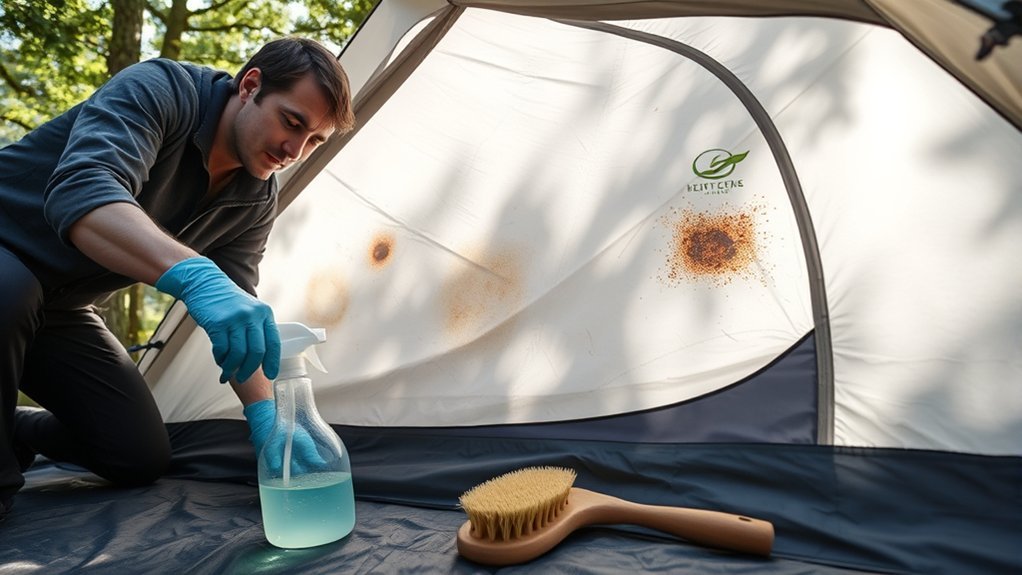
When you’re camping, you might not realize that mold can thrive in your tent if conditions are just right. Mold growth typically occurs in humid environments where moisture becomes trapped, creating an ideal breeding ground for spores. To guarantee effective mold prevention, focus on humidity control. Make certain to thoroughly dry your tent after use, especially in humid areas.
Avoid storing your tent in damp locations, as this can lead to mold development. Additionally, lack of ventilation while packed can exacerbate the issue, particularly with materials like cotton and canvas that absorb moisture more readily than synthetic fabrics. Remember, mold not only damages your gear but can also pose health risks, including respiratory problems and allergic reactions. Regular inspections and proper maintenance, such as appropriate storage and drying techniques, are essential to safeguarding your tent from unwanted mold growth. Prioritize these practices for a healthier camping experience.
Essential Cleaning Supplies
Cleaning supplies are essential for effectively removing mold from your tent and ensuring its longevity. You’ll want to gather natural alternatives like baking soda, hydrogen peroxide, lemon juice, and vinegar, as they’re effective and chemical-free. For severe mold infestations, consider using Mirozyme, which eliminates both mold and odors.
Enhancing your cleaning power can be achieved by mixing lemon juice with salt or mild dish detergent. Always combine these agents with hot soapy water to increase efficiency in mold removal. As you prepare to clean, remember the importance of ventilation; this protects air quality and safety during the process.
Establish a regular cleaning frequency to prevent mold growth in the future, ensuring your tent remains a safe and inviting space for your adventures. By choosing the right supplies and maintaining a proactive cleaning schedule, you can enjoy your outdoor experiences without worry.
Preparing the Cleaning Solution
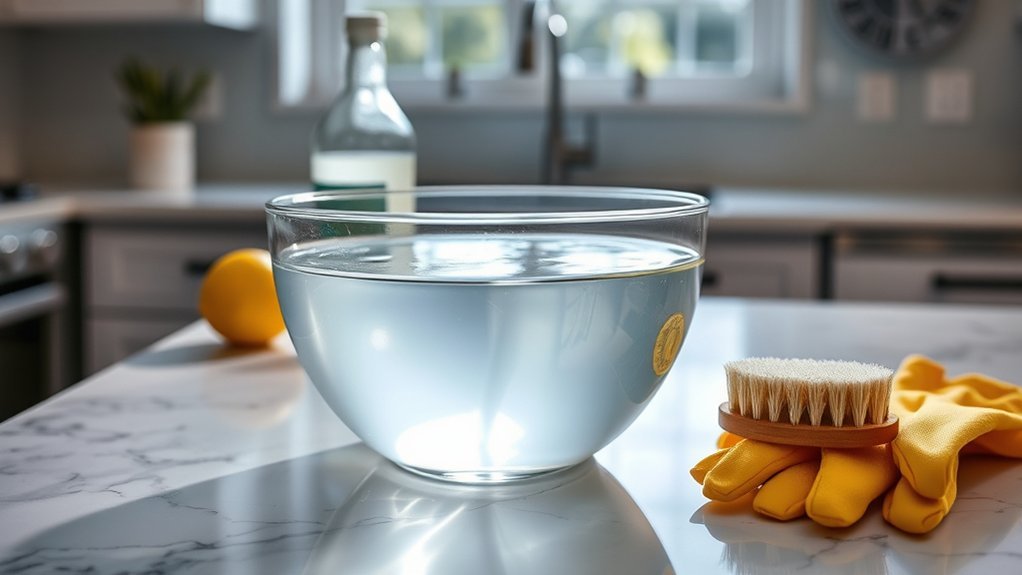
To effectively tackle mold on your tent, prepare a cleaning solution that suits your needs. For a natural approach, mix equal parts of water and white vinegar, which acts as a disinfectant and mold killer. Alternatively, dissolve 1 cup of baking soda in 1 gallon of water for a safe and effective solution. If you opt for commercial products like Mirozyme, make sure you follow the manufacturer’s instructions for the correct dilution ratio. For extra cleaning power, combine lemon juice with a tablespoon of mild dish detergent to create a paste that targets moldy areas directly.
Before applying any cleaning solution, always test it on a small, inconspicuous area of the tent. This step is vital to prevent damage to the fabric or finish. These preparations not only aid in mold removal but also contribute to long-term mold prevention, keeping your tent safe for future adventures.
Step-by-Step Cleaning Process
Once you’ve prepared your cleaning solution, it’s time to tackle the mold on your tent. Start by applying your chosen solution—whether it’s a mix of baking soda, water, and vinegar, or a commercial product like Mirozyme—directly onto the affected areas. Use a soft brush or cloth to gently scrub, ensuring you cover all visible mold types. After scrubbing, rinse the tent thoroughly with clean water to remove any cleaning solution residue, but avoid high-pressure water, as it can damage the fabric.
Once rinsed, allow the tent to dry completely in a well-ventilated area. This step is essential to prevent further mold growth. To maintain your tent, regularly inspect it for signs of mold and adjust your cleaning frequency based on its storage conditions. Using breathable storage bags in dry climates and waterproof bags in humid environments can help you stay ahead of mold issues.
Scrubbing Techniques for Mold Removal
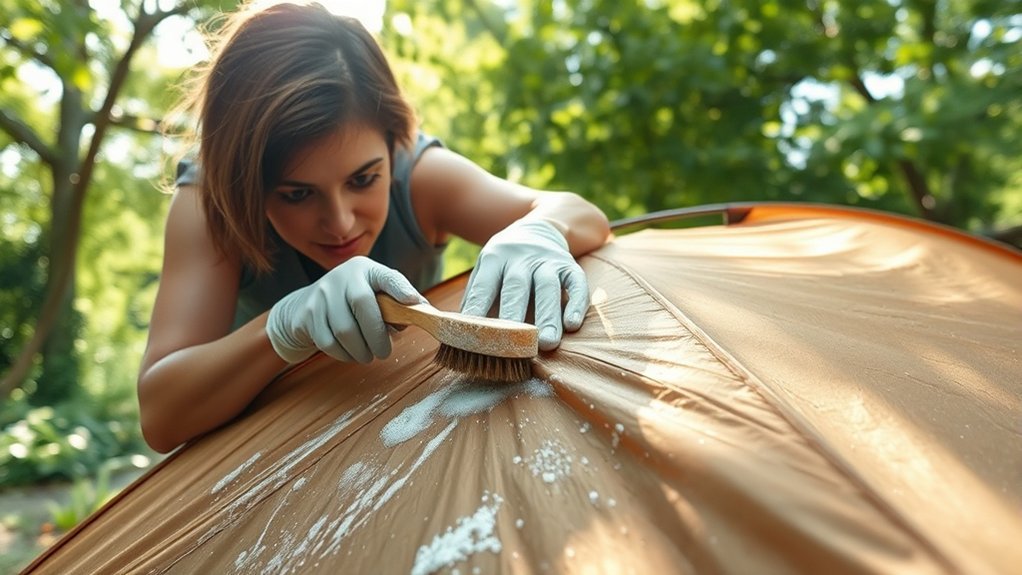
When it comes to scrubbing mold from your tent, choosing the right tools is crucial. Use a soft-bristle brush or sponge to avoid damaging the fabric while employing a circular motion to effectively lift mold spores. Remember to wear protective gloves and a mask to guarantee your safety as you tackle this task.
Effective Scrubbing Tools
Choosing the right scrubbing tools is essential for effectively removing mold from your tent without causing damage. For gentle scrubbing, use soft bristle brushes to avoid fabric wear. Sponge techniques work well in delicate areas, allowing controlled pressure. If tough stains persist, you may opt for a stiff-bristle brush, but be cautious to prevent tearing. Always scrub in a circular motion to lift mold spores without dispersing them. Ascertain your tools are clean and free of debris to avoid introducing new contaminants.
| Tool Type | Purpose |
|---|---|
| Soft Bristle Brush | Gentle scrubbing |
| Sponge | Delicate areas, controlled pressure |
| Stiff Bristle Brush | Tough stains (use cautiously) |
| Circular Motion | Lifts spores effectively |
| Clean Tools | Prevents new contaminants |
Proper Scrubbing Technique
To effectively tackle mold on your tent, start by applying a suitable cleaning solution directly to the affected areas. This guarantees the solution penetrates and loosens the mold for easier removal. Use the following scrubbing techniques to enhance your mold prevention efforts:
- Choose a soft-bristled brush or sponge to avoid damaging the tent fabric.
- Scrub in a circular motion to lift mold spores without pushing them deeper into the material.
- Maintain scrubbing frequency—don’t rush; take your time to guarantee thorough cleaning.
- Rinse thoroughly with clean water to eliminate any remaining solution and mold residues.
Always work in a well-ventilated area to safeguard your health. Following these steps will help you reclaim your tent and prevent future mold growth.
Importance of Ventilation During Cleaning
When you’re cleaning mold from your tent, proper ventilation is essential for your safety. It reduces the concentration of harmful chemicals and improves air quality, making it easier to breathe. By ensuring good airflow, you not only protect yourself but also enhance the effectiveness of your cleaning efforts.
Reduces Harmful Chemicals
Although cleaning a tent can effectively remove mold, ensuring proper ventilation is essential to minimize exposure to harmful chemical fumes. This practice not only safeguards your health but also enhances your cleaning efforts. Here’s how you can achieve a safer environment:
- Open windows and doors to improve air circulation.
- Use fans to disperse fumes from eco-friendly alternatives like hydrogen peroxide.
- Wear a mask to limit inhalation of toxic particles in poorly ventilated spaces.
- Take regular breaks in fresh air to maintain comfort and health.
Improves Air Quality
Proper ventilation is essential for maintaining air quality during the mold removal process, as it helps to minimize your exposure to harmful spores and cleaning chemicals. Opening windows and using fans can greatly improve airflow, which aids in the evaporation of cleaning agents and moisture from the tent.
| Action | Benefits | Tips |
|---|---|---|
| Open Windows | Enhances air circulation | Use multiple windows |
| Use Fans | Reduces mold spores | Position fans strategically |
| Wear a Mask | Minimizes inhalation risks | Choose an N95 or better |
Ventilating the area not only improves air quality but also helps eliminate lingering odors from mold and mildew. Prioritize ventilation, especially when using chemical cleaners, to guarantee a safer cleaning environment.
Drying the Tent Properly
To prevent mold growth, it’s important to make certain your tent is completely dry before packing it away. Moisture is a primary factor in mold development, so proper tent air drying is vital. Follow these steps for effective moisture control:
- Set up your tent in a well-ventilated area, ideally in direct sunlight. UV rays help eliminate mold spores.
- Shake out any debris and wipe down the interior with a dry cloth to remove excess moisture.
- Allow the tent to air out for several hours, ensuring all sections, including seams and corners, are thoroughly dry.
- In humid conditions, consider using a dehumidifier or air conditioner in the drying area to reduce moisture levels.
Storing Your Tent to Prevent Mold
When you store your tent, keeping it dry is essential for preventing mold growth. Always verify your tent is completely dried before packing it away, as moisture is a primary contributor to mold formation. In dry climates, use mesh or breathable bags for tent storage, allowing air circulation to reduce humidity buildup. Conversely, in humid areas, opt for waterproof bags to keep moisture out and mitigate mold risks.
To enhance moisture control, include silica gel packets or similar desiccants in your storage setup; they absorb excess moisture and maintain a dry environment. Regularly check your tent’s condition during storage to catch any potential mold issues early. By following these steps, you not only protect your gear but also verify your future adventures are mold-free and liberating. Proper tent storage is key to enjoying the great outdoors without the worry of unwanted mold.
Regular Maintenance Tips
While you might think your tent is safe after a trip, regular maintenance is essential to assure it remains mold-free and ready for your next outdoor adventure. Here are some critical tent maintenance tips for effective mold prevention:
- Dry Thoroughly: Always assure your tent is completely dried before packing it away to prevent mold growth.
- Proper Storage: Store your tent in a cool, dry place. Use breathable mesh bags in dry climates and waterproof options in humid areas.
- Regular Inspections: Routinely check your tent for any signs of mold or mildew, especially after trips in damp conditions.
- Routine Cleaning: Clean your tent regularly with mild soap and water, or consider natural solutions like vinegar or lemon juice to maintain hygiene and prevent mold accumulation.
When to Seek Professional Help
If you notice extensive mold growth covering a large area of your tent, it’s time to contemplate calling in professionals. Different mold types can pose serious health risks, especially for those with respiratory issues or allergies. Professionals equipped with specialized cleaning solutions and tools can efficiently eliminate mold while protecting your tent’s fabric. If you detect a persistent musty odor after your cleaning attempts, that’s a sign mold may still be embedded in the material, necessitating expert intervention.
Moreover, if your tent shows signs of structural damage—like weakened seams or fabric deterioration—consulting a professional becomes vital. They can not only clean but also repair any damage, ensuring your tent remains safe and functional for future adventures. Prioritizing safety and thoroughness is essential when dealing with mold, as inadequate removal can lead to ongoing health complications and further damage. Don’t hesitate to seek help when needed.
Frequently Asked Questions
Can I Use Bleach to Remove Mold From My Tent?
You shouldn’t use bleach on your tent; it can damage the fabric. Instead, consider bleach alternatives like vinegar or baking soda for effective mold removal while ensuring your tent’s preservation and longevity. Always prioritize safety!
How Do I Know if Mold Is Completely Removed?
You can confirm mold’s removal by employing mold identification techniques and extensive mold inspection methods. Inspect surfaces closely, ensuring no discoloration or smell remains. Use adequate lighting for a thorough check, prioritizing your safety throughout.
Is It Safe to Clean My Tent Outdoors?
Yes, it’s safe to clean your tent outdoors. Make sure you choose a well-ventilated area for effective tent maintenance. Avoid direct sunlight to prevent fabric damage, and use appropriate cleaning solutions for ideal safety during outdoor cleaning.
What if My Tent Has a Strong Mold Odor?
If your tent’s got a strong mold odor, treat it like a stubborn stain. Use a vinegar solution for odor elimination and guarantee thorough drying. Mold prevention hinges on regular inspections and proper storage techniques. Breathe freely again!
Can Mold Damage the Tent Fabric Permanently?
Yes, mold can damage your tent fabric permanently if left untreated. Regular cleaning and mold prevention practices help maintain fabric integrity, ensuring your gear remains safe, functional, and ready for your next adventure without risk.
Conclusion
By following these steps, you can effectively banish mold from your tent and restore it to its former glory—almost like bringing a phoenix back to life! Remember, proper drying and storage are vital to prevent future growth. Regular maintenance will keep your tent in top shape for all your adventures. If mold persists or the situation seems overwhelming, don’t hesitate to seek professional help to guarantee your safety and the longevity of your gear.