
Last Updated on July 24, 2026 by Daniel Globe
California packs deserts, redwood forests, alpine lakes, famous cities, theme parks, beaches, and some of the country’s best-known national parks into one state. The best place to start depends on the trip you want: Yosemite for dramatic mountain scenery, Big Sur for a coastal drive, San Diego for beaches and culture, Lake Tahoe for four-season recreation, or one of California’s cities, deserts, and wine regions for an entirely different experience.
Quick Answer
The best places to visit in California include Yosemite, Big Sur, San Diego, Lake Tahoe, Joshua Tree, Redwood National and State Parks, Disneyland, San Francisco, Los Angeles, Sequoia and Kings Canyon, Death Valley, Monterey and Carmel, and Napa and Sonoma. For a short trip, choose two or three nearby destinations instead of crossing the entire state.
Key Takeaways
- For mountain scenery: Yosemite, Lake Tahoe, and Sequoia and Kings Canyon are standout choices.
- For the coast: Big Sur, Monterey and Carmel, and San Diego combine ocean views with beaches, wildlife, and food.
- For cities: San Francisco and Los Angeles offer the strongest mix of landmarks, museums, neighborhoods, dining, and entertainment.
- For desert landscapes: Joshua Tree is easiest to pair with Southern California, while Death Valley rewards a dedicated cool-season visit.
- Plan around conditions: California’s mountain roads, desert temperatures, coastal highways, park reservations, and trail access can change by season.
Disclosure: As an Amazon Associate I earn from qualifying purchases. Some links on this page are affiliate links, at no extra cost to you.
Best Places to Visit in California at a Glance
California is large enough that choosing destinations by region makes a better trip than trying to see everything at once. Use this comparison to narrow the list before building your route.
| Destination | Best For | Suggested Time | Good Time to Visit |
|---|---|---|---|
| Yosemite | Waterfalls, hiking, granite scenery | 2–4 days | Spring through fall |
| Big Sur | Coastal drives and hiking | 1–2 days | Spring or fall |
| San Diego | Beaches, families, museums, food | 2–4 days | Year-round |
| Lake Tahoe | Skiing, hiking, boating | 2–4 days | Summer or winter |
| Joshua Tree | Desert hiking, climbing, stars | 1–2 days | Fall through spring |
| Redwood National and State Parks | Old-growth forests and wild coast | 2–3 days | Late spring through early fall |
| Disneyland Resort | Theme parks and families | 2–3 days | Year-round |
| San Francisco | City sights, food, history | 2–4 days | Spring or fall |
| Los Angeles | Entertainment, museums, beaches | 3–5 days | Year-round |
| Sequoia & Kings Canyon | Giant sequoias and Sierra hiking | 2–3 days | Late spring through fall |
| Death Valley | Desert geology and photography | 1–2 days | Late fall through early spring |
| Monterey & Carmel | Marine life and coastal scenery | 1–3 days | Year-round |
| Napa & Sonoma | Wine, food, relaxed countryside | 2–3 days | Spring or fall |
Yosemite National Park
Yosemite National Park is one of California’s defining mountain destinations. Its granite walls, waterfalls, meadows, and forests fill nearly 1,200 square miles of the Sierra Nevada. In Yosemite Valley, landmarks such as El Capitan and Half Dome rise above the Merced River, while Tunnel View gives you one of the park’s classic wide-angle views. The National Park Service recommends checking current roads, trails, traffic, and seasonal conditions before setting out.
For hiking, the Mist Trail corridor toward Vernal Fall is one of the best-known choices, but it is a real mountain hike rather than a casual stroll. Water, footwear, weather, elevation gain, and trail conditions matter. Half Dome is a much bigger undertaking and requires a permit when the cables are up.
Yosemite has several NPS campgrounds, while Curry Village is a separate lodging area with canvas tent cabins, standard rooms, and cabins. Fishing, bird-watching, cycling, ranger programs, and stargazing provide alternatives when you do not want a full day on the trail.
Note: Yosemite does not require a general entrance reservation in 2026, but the entrance fee still applies. Lodging, camping, backpacking, and Half Dome can have their own reservation or permit requirements, so check the official park site before your trip.
Big Sur
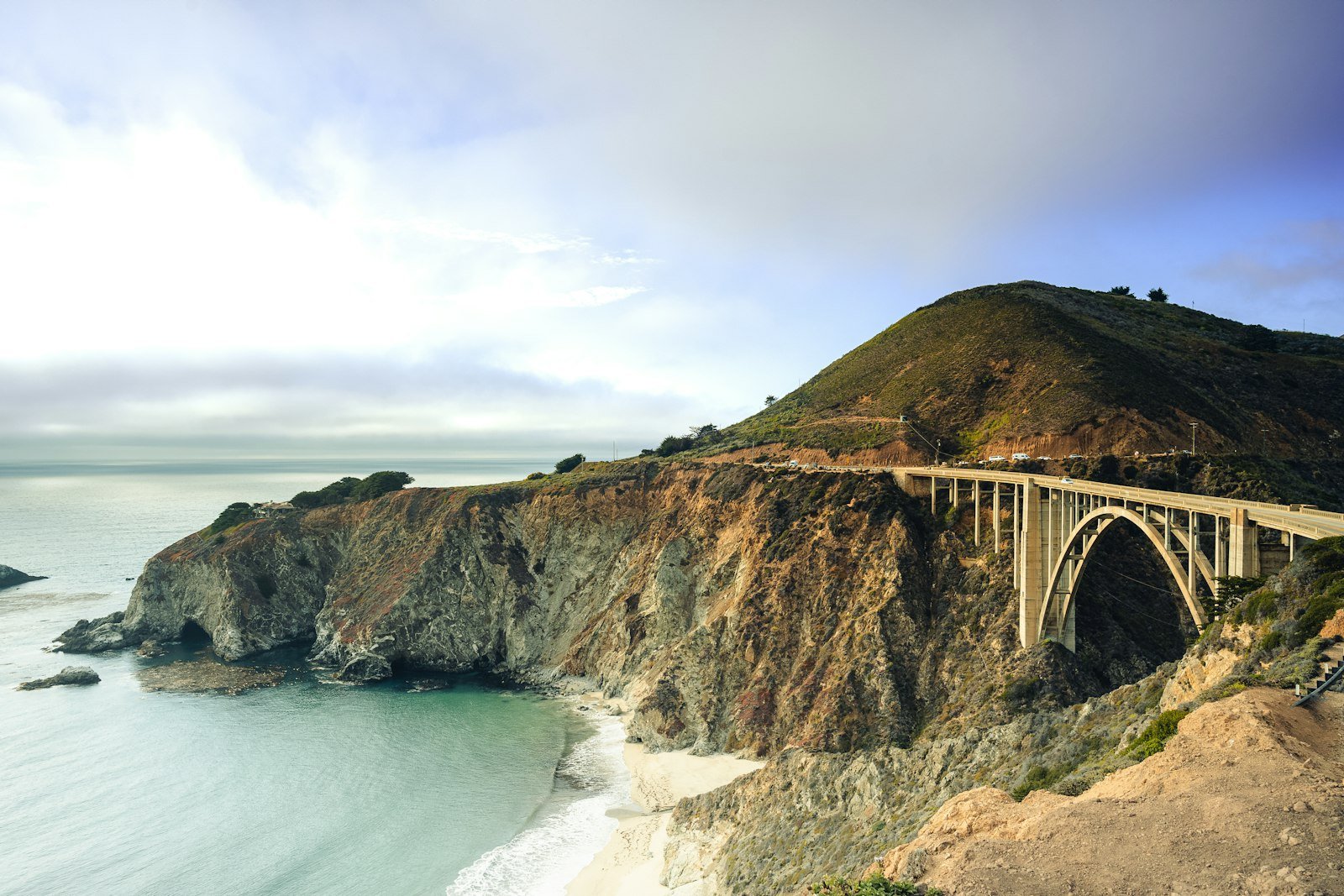
Big Sur is the place to go when the drive itself is part of the experience. Highway 1 threads between the Santa Lucia Mountains and the Pacific, passing cliffs, coves, redwood groves, state parks, and frequent overlooks.
McWay Falls at Julia Pfeiffer Burns State Park is an 80-foot waterfall that drops toward a protected beach. The waterfall remains an essential Big Sur landmark, but do not assume every viewpoint or trail is open. California State Parks currently lists the Waterfall Overlook Trail as closed because of a retaining-wall project extending into 2026. Check the park’s current trail information before arriving.
For a longer walk, Andrew Molera State Park has coastal, meadow, and forest trails plus access toward the beach. You can also build in time for roadside viewpoints and restaurants around the Big Sur area instead of trying to cover every mile in one day.
Note: Highway 1 is vulnerable to slides, storm damage, emergency work, and traffic controls. Check Caltrans QuickMap shortly before driving rather than relying on an old itinerary or map screenshot.
San Diego
San Diego is an easy choice when you want beaches, museums, food, and outdoor time in the same trip. Balboa Park combines gardens, cultural institutions, walking paths, architecture, and the San Diego Zoo in a large urban park close to downtown.
The USS Midway Museum adds naval and aviation history along the waterfront. Later, head to Sunset Cliffs Natural Park for broad Pacific views. Stay behind barriers and away from unstable cliff edges rather than scrambling down informal paths.
For a beach-focused day, cross the San Diego-Coronado Bridge or take the ferry to Coronado. San Diego’s Mexican and Mexican-American food scene is another reason to leave room in the itinerary rather than treating the city as a beach stop only. Whale-watching trips also operate from the region, although the species and viewing conditions vary through the year.
Lake Tahoe
Lake Tahoe sits high in the Sierra Nevada on the California-Nevada border and works in two very different ways: as a winter ski destination and as a summer lake-and-hiking destination. In warmer months, boating, paddling, beaches, and trails take over; winter brings skiing, snowboarding, and snow-covered mountain scenery.
Emerald Bay State Park is one of Tahoe’s signature stops. Roadside overlooks give you a broad view of the bay, but reaching Vikingsholm and the lakeshore from the main parking area requires a steep walk. California State Parks describes it as a two-mile round trip with about 400 feet of climbing on the return.
The region also has genuine Olympic history, but the original date needs correcting: the Olympic Winter Games were held at Squaw Valley, now known as Palisades Tahoe, in 1960, not in the 1970s. Beyond that history, you can spend days exploring viewpoints, beaches, mountain trails, and communities around the lake.
Joshua Tree National Park
Joshua Tree National Park protects roughly 800,000 acres where the Mojave and Colorado desert environments meet. Its namesake trees, rounded rock formations, open desert basins, and climbing routes create a landscape that feels very different from California’s coast and Sierra Nevada.
Day hikes range from short nature walks to longer desert routes, while rock climbing attracts visitors from around the world. The park is also a designated International Dark Sky Park, making clear nights one of the best reasons to stay after sunset. On dark nights, the Milky Way and meteor showers can be excellent.
Wildlife includes coyotes, desert bighorn sheep, jackrabbits, reptiles, and many bird species, although sightings are never guaranteed. Palm Springs can be combined with a Joshua Tree trip for restaurants, resorts, architecture, and other desert attractions, while the communities of Joshua Tree and Twentynine Palms are closer to park entrances.
Warning: Desert heat can turn an ordinary hike into an emergency. Avoid long exposed hikes during extreme heat, carry more water than you expect to need, protect yourself from the sun, and do not depend on reliable cell service in remote park areas.
Redwood National and State Parks
Redwood National and State Parks stretch along Northern California’s coast and protect old-growth coast redwoods, river valleys, prairies, wildlife habitat, and rugged shoreline. The parks are spread over a long area, so plan around driving time rather than expecting a single central entrance.
The Trillium Falls Trail is a useful introduction to the forest. The falls are about half a mile from the trailhead; continuing around the full loop makes the outing about 2.7 miles and carries you through old-growth redwoods, maples, ferns, and firs.
You will also find campgrounds, quiet forest trails, coastal overlooks, and opportunities to see Roosevelt elk. Some popular areas require advance planning. Check the park’s reservation and permit page before visiting areas such as Gold Bluffs Beach, Fern Canyon, or Tall Trees when seasonal reservation rules apply.
Avenue of the Giants and the Eel River
The Avenue of the Giants is worth keeping in a redwoods itinerary, but it is not inside Redwood National and State Parks. The 32-mile scenic road runs through Humboldt Redwoods State Park, farther south. That park also includes recreation along the South Fork Eel River, including seasonal swimming and boating opportunities. Treat Humboldt Redwoods as a separate stop rather than grouping these attractions under Redwood National Park.
Disneyland Resort
Disneyland Resort in Anaheim is one of California’s strongest family and theme-park destinations. The resort includes Disneyland Park and Disney California Adventure Park, while Park Hopper admission lets eligible guests move between the two subject to Disney’s current ticket and reservation rules.
Disney’s Grand Californian Hotel & Spa offers particularly convenient access to the resort, but staying on property is not required to enjoy the parks. Before booking, compare ticket requirements, park reservations, hotel costs, attraction priorities, and how many full park days your group can realistically handle.
Note: The old 30-minute hotel early-entry benefit ended in January 2026. Disneyland Resort hotel guests now receive one entry to one eligible Lightning Lane Multi Pass attraction at either park, redeemable on one day of the hotel stay. Separate valid theme-park admission and a same-date park reservation are still required for eligible guests.
San Francisco
San Francisco earns a place on a first California trip because major sights fit into a relatively compact urban area. You can pair Golden Gate Bridge viewpoints with waterfront neighborhoods, Chinatown, North Beach, museums, parks, and a strong restaurant scene without spending every day in a car.
One of the city’s most distinctive historical attractions is Alcatraz Island, managed by the National Park Service. Ferry capacity is limited, so it is an attraction worth planning in advance rather than leaving until the morning of your visit.
Weather can change from neighborhood to neighborhood, especially near the water. Bring a layer even when inland parts of the Bay Area are warm. Two to four days is a practical first stay if you want the major sights without rushing.
Los Angeles
Los Angeles works best when you accept its scale and organize each day by neighborhood. Hollywood, Griffith Park, Downtown, the museum corridor, Beverly Hills, Santa Monica, and the beach communities can involve substantial driving if you jump between them repeatedly.
Griffith Observatory is one of the city’s most useful first stops because admission to the building and grounds is free and the setting provides broad views across Los Angeles and toward the Hollywood Sign. Other days can focus on museums, studio attractions, restaurants, live entertainment, or the coast.
Three to five days gives Los Angeles enough room to feel like a destination rather than a checklist. Build extra time into any plan that depends on driving across the metro area during busy periods.
Sequoia & Kings Canyon National Parks
Sequoia and Kings Canyon National Parks are the strongest addition for travelers who want giant trees and Sierra scenery without duplicating Yosemite exactly. In Sequoia’s Giant Forest, the General Sherman Tree is recognized by the National Park Service as the world’s largest living single-stem tree by volume.
Popular areas also include Moro Rock, forest trails around Giant Forest, and high-country scenery reached by mountain roads. Kings Canyon adds deep canyon landscapes, rivers, and trails to the same trip.
Mountain conditions are seasonal. Snow can affect roads well beyond midwinter, while summer brings heavier visitation. Check the National Park Service’s Sequoia planning page before deciding which entrances, roads, and hikes fit your dates.
Death Valley National Park
Death Valley National Park shows another side of California: salt flats, badlands, dunes, mountains, and enormous desert basins. Badwater Basin sits 282 feet below sea level, while Zabriskie Point is a popular place to watch changing light over eroded badlands.
The park is best treated as a cool-season destination for most travelers. Late fall through early spring gives you much more flexibility for viewpoints and walks than the hottest part of summer.
Distances between services and sights can be substantial, so fuel, water, vehicle condition, and the official Death Valley trip-planning information deserve more attention here than on a normal urban vacation.
Warning: Death Valley’s summer heat can be life-threatening. Do not use a mild coastal California forecast to judge desert conditions. Check the park forecast and alerts immediately before your visit, keep ample drinking water in the vehicle, and limit outdoor activity when temperatures are extreme.
Monterey & Carmel-by-the-Sea
Monterey and Carmel make a natural coastal pairing north of Big Sur. Monterey is especially good for marine life and family travel, while Carmel adds a compact village, restaurants, galleries, and a scenic beach.
The Monterey Bay Aquarium is a major draw and is worth booking before a busy travel day. Around the peninsula, coastal overlooks and wildlife-watching opportunities let you spend much of the day outside even if you are not continuing south through Big Sur.
This area is also a smart overnight base before a Highway 1 drive because it lets you start the Big Sur portion rested and with enough daylight for stops.
Napa & Sonoma Wine Country
Napa Valley and Sonoma County offer a slower California experience built around food, vineyards, small towns, scenery, spas, and countryside drives. Wine tasting may be the best-known activity, but it does not need to dominate the trip. Restaurants, markets, cycling, gardens, redwood areas, and Sonoma’s route toward the Pacific broaden the experience.
Spring brings green landscapes and generally comfortable touring weather, while late summer and fall coincide with harvest activity and can be especially popular. Reservations are wise for wineries or restaurants that are essential to your plans.
Use official visitor resources such as Visit Napa Valley and Sonoma County Tourism to compare current tasting policies, events, transportation, and non-wine activities.
Best Time to Visit California
There is no single best month for the entire state because California’s coast, mountains, and deserts behave very differently.
- Spring: One of the best all-around seasons. Yosemite waterfalls are often strong, inland heat is less intense, and many lower-elevation trails are comfortable.
- Summer: Best for high Sierra access, Lake Tahoe water activities, and long daylight hours, but also the busiest period at many major destinations. Deserts can be dangerously hot.
- Fall: Excellent for coastal trips, cities, wine country, and many hiking destinations. High-elevation snow can begin later in the season.
- Winter: Ideal for skiing around Lake Tahoe and for cooler desert travel in Joshua Tree and Death Valley. Sierra road closures and chain controls can limit mountain routes.
California also has wildfire, storm, snow, coastal-slide, and heat risks that vary from year to year. Conditions for the exact week of your trip matter more than a generic seasonal rule.
How Many Days Do You Need in California?
The biggest California itinerary mistake is underestimating distance. A short map line can still mean hours of driving, mountain roads, urban traffic, or coastal delays.
- 3–5 days: Stay within one area, such as San Diego, Los Angeles plus Disneyland, San Francisco plus nearby coast, Yosemite, or Lake Tahoe.
- 7–10 days: Combine two nearby regions, such as San Francisco + Yosemite, Los Angeles + San Diego + Disneyland, or Monterey + Big Sur + San Francisco.
- About 2 weeks: A larger road trip becomes realistic, especially if you choose one main north-to-south corridor and only one or two inland detours.
- 3 weeks or more: You can cover a broader mix of Northern California, the coast, Southern California, and inland parks without turning most days into transit days.
Pro Tip: Build a California trip around clusters instead of a statewide checklist. San Francisco, Monterey, and Big Sur fit naturally together; Los Angeles, Disneyland, San Diego, and Joshua Tree form another useful Southern California group.
California Trip-Planning Tips
- Check official conditions shortly before departure. Highway 1, Sierra passes, mountain trails, and desert roads can change after storms, snow, slides, fires, or construction.
- Do not assume every national park uses the same reservation system. Yosemite does not require a general entrance reservation in 2026, but camping, lodging, wilderness travel, and certain hikes can still require advance arrangements.
- Reserve high-demand experiences early. Alcatraz ferries, popular national-park campgrounds, Disneyland dates, selected redwood destinations, and some wine-country experiences can fill.
- Plan for California’s climate range. You can encounter coastal fog, Sierra snow, high-elevation cold, and dangerous desert heat during the same broader trip.
- Leave margin in driving days. Traffic around Los Angeles and the Bay Area, scenic-road stops, roadwork, and mountain routes can make simple mileage estimates unrealistic.
- Download maps before remote drives and hikes. Cell service can be limited in national parks, forests, mountains, and desert areas.
Sources
- National Park Service — Yosemite Frequently Asked Questions — 2026 entrance reservations, seasonal roads, permits, and visitor planning.
- California State Parks — Julia Pfeiffer Burns State Park Trails — McWay Falls overlook and current Big Sur trail status.
- Caltrans QuickMap — current California highway closures, incidents, and traffic controls.
- National Park Service — Joshua Tree Stargazing — International Dark Sky Park designation and night-sky information.
- National Park Service — Redwood Reservations and Permits — current access and reservation requirements for popular redwood destinations.
- Disneyland Resort — Hotel Park Benefits — current Lightning Lane hotel benefit and park-entry requirements.
Conclusion
California’s best destination depends less on which place is most famous and more on what fits your route and season. Choose Yosemite or Sequoia for Sierra scenery, Big Sur or Monterey for the coast, San Diego for an easy mix of beaches and culture, Tahoe for mountain recreation, Joshua Tree or Death Valley for desert landscapes, and San Francisco or Los Angeles for a city-focused trip. With enough time, add the redwoods, wine country, or Disneyland—but leave room in the schedule to experience each stop instead of spending the whole trip driving between them.
