


To maximize comfort and stability, pack your backpack with heavy items close to your back and center. Divide your gear into zones: bulky items on the bottom, heavier essentials in the middle, and light, frequently accessed items at the top. Use external pockets for quick access items and secure everything with compression straps. Adjust your straps for a snug fit, ensuring the hip belt carries most of the weight. Stick around to uncover more effective packing strategies.
Understanding the Importance of Weight Distribution

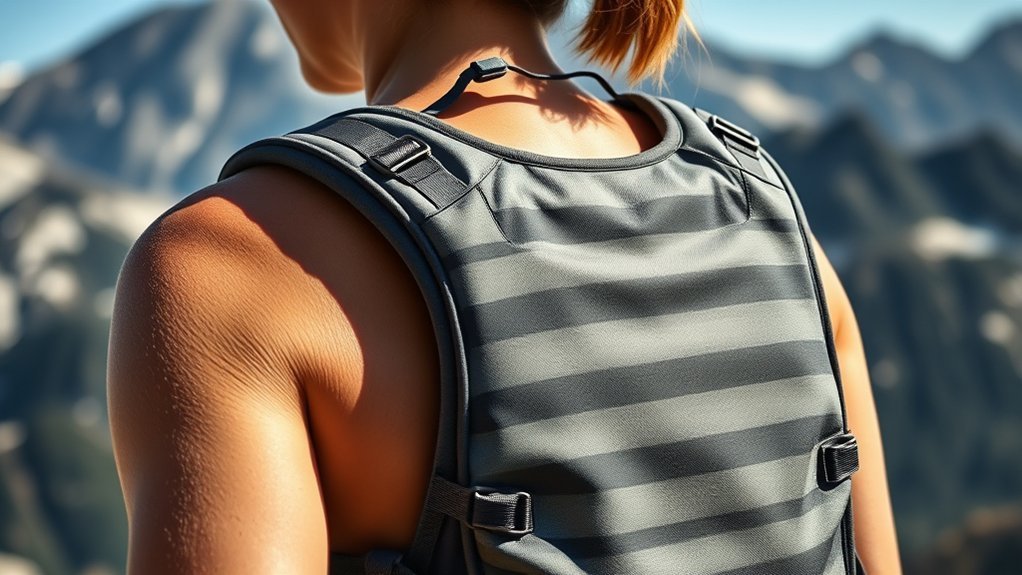
When you’re out on the trail, understanding the importance of weight distribution in your backpack can make all the difference between a comfortable hike and a painful one. Packing heavy items close to your back and centered not only boosts your balance but also enhances energy efficiency, reducing the risk of falling backward. Aim to keep your backpack’s weight at no more than 20% of your body weight for ideal comfort.
Organizing your gear into zones is key: place heavy items in the middle, medium-weight items around them, and light items at the top. This strategy guarantees easy access and balanced weight. Also, a well-fitted backpack with a hip belt can transfer 60-80% of the weight to your hips, minimizing strain on your shoulders and back. Finally, aim for balanced weight distribution from side to side to prevent uneven strain and potential injuries during those long, liberating hikes.
The Golden Rules of Packing Your Backpack
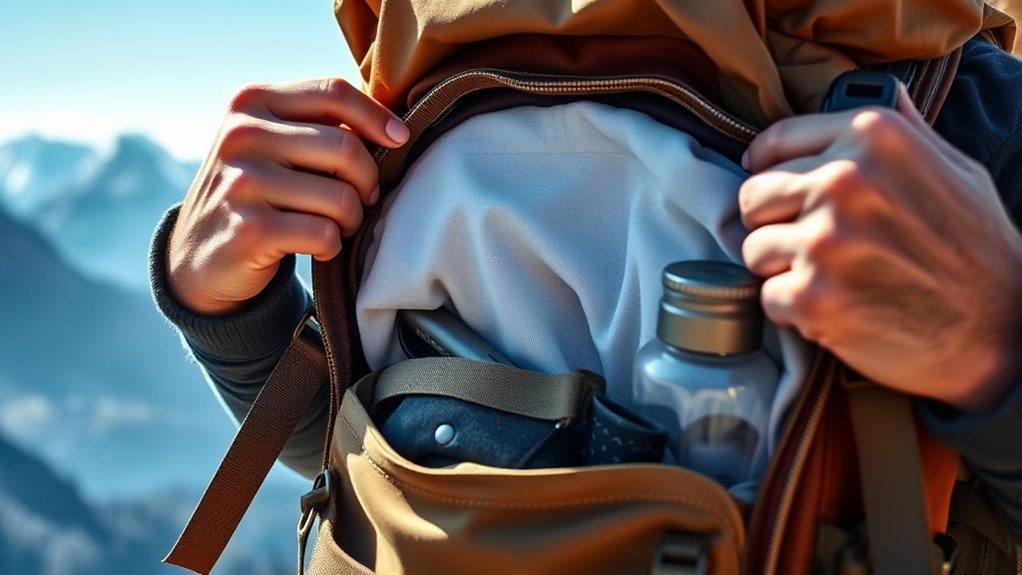
When packing your backpack, organizing it into zones is key to a balanced load. Place bulky items at the bottom, heavier gear in the middle, and keep lighter items you need often at the top. This setup not only enhances weight distribution but also guarantees you can access essentials quickly while on the move.
Zone Organization Strategy
To make the most of your backpacking experience, mastering the zone organization strategy is essential for effective packing. By dividing your backpack into specific zones, you can enhance balance and accessibility:
- Bottom Zone: Store lightweight, bulky items like sleeping bags.
- Middle Zone: Keep heavier items close to your back for stability.
- Top Zone: Place lighter, frequently accessed gear for easy reach.
- External Pockets: Use these for quick access items like maps and sunscreen.
Always pack heavier gear in the core zone to minimize strain on your back. Create a vertical divider concept by positioning heavier items in the center and lighter ones on top. Finally, use compression straps to stabilize your load, ensuring a smooth journey ahead!
Weight Distribution Techniques
Effective weight distribution is essential for a comfortable and enjoyable backpacking experience. Start by dividing your backpack into zones: place bulky, lightweight items like sleeping bags at the bottom, and heavier essentials like food and water close to your back in the middle. Keep light, frequently accessed items at the top. Utilize external pockets for essentials like maps and sunscreen, ensuring quick access without unpacking. Secure heavy items with compression straps to prevent shifting, which can disrupt your balance. Aim for 60-80% of your pack’s weight on your hips using a properly adjusted hip belt, minimizing shoulder strain. Finally, maintain balance by evenly distributing weight side to side, avoiding heavy items at the bottom to prevent lower back strain.
Organizing Your Gear in Packing Zones
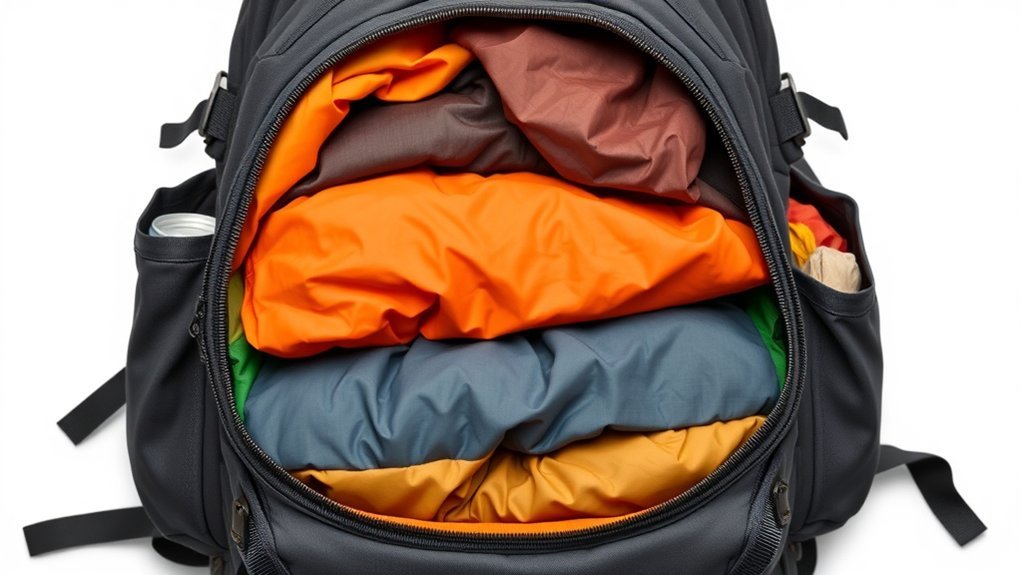
Organizing your gear into packing zones can greatly enhance your hiking experience by improving weight distribution and accessibility. Start by dividing your backpack into three main zones:
Enhance your hiking experience by organizing your gear into zones for better weight distribution and accessibility.
- Bottom Zone: Store lightweight, bulky items like sleeping bags.
- Middle Zone: Place heavy items such as food and cookware, close to your back for balance. Aim for about 70% of the weight on your hips.
- Top Zone: Keep frequently accessed light items like rain gear and snacks for easy retrieval.
- External Pockets: Organize small essentials, like maps and headlamps, for quick access.
Additionally, fill any gaps with soft items like clothing to stabilize your load. This thoughtful organization not only guarantees comfort but also allows you to move freely, focusing on the journey ahead. Embrace this liberating approach for a more enjoyable hiking experience!
Common Mistakes to Avoid When Packing
Packing your backpack efficiently can make or break your hiking experience. One common mistake is overpacking unnecessary items, which can lead to discomfort and imbalance. Aim to keep your pack weight at no more than 20% of your body weight. Misplacing essential gear can slow you down and jeopardize your safety, so guarantee quick access to frequently used items by organizing them in reachable pockets.
Another pitfall is failing to secure heavy items, which can shift during movement and cause strain. Use compression straps to stabilize your load effectively. Also, don’t overlook weight distribution; pack heavier items close to your back and lighter ones towards the top for maximum balance. Finally, always check the weather forecast. Ignoring it might leave you unprepared, so pack rain gear and layers, even if conditions seem clear. Avoid these mistakes to enjoy a liberating and comfortable hiking adventure!
Adjusting Straps for Comfort and Stability
When you hit the trail, adjusting your backpack straps properly is essential for comfort and stability. Follow these tips to guarantee your pack feels just right:
- Hip Belt: Adjust it to rest on your iliac crest, carrying 60-80% of the pack’s weight for better distribution.
- Shoulder Straps: Fit them snugly without pinching, allowing even weight across your shoulders.
- Load-Lifter Straps: Aim for a 45-degree angle to pull the pack closer to your body, enhancing stability.
- Sternum Strap: Buckle it below your collarbone to stabilize the load and reduce shoulder strain.
Don’t forget to make micro-adjustments during breaks. As you consume gear, your pack’s weight shifts, and keeping everything snug will help maintain your comfort and freedom on the trail. Enjoy the liberation that comes with a well-fitted backpack, allowing you to focus on the adventure ahead!
Tips for Maintaining Balance While Hiking
A well-fitted backpack is just the first step in ensuring a comfortable hike; maintaining balance while moving is equally important. Start by placing heavy items close to your back and centered. This positioning helps you maintain stability on uneven trails. Distribute weight evenly from side to side to avoid unnecessary strain and enhance your overall balance.
Utilize compression straps to secure your load, minimizing any shifting that can throw off your center of gravity. For quick access, keep frequently needed items like snacks and maps in the top compartment, allowing you to grab them without disrupting your pack’s balance.
Finally, adjust your hip and shoulder straps so the backpack sits snugly and evenly on your body. This adjustment not only promotes better posture but also aids in effective weight distribution, making your hiking experience smoother and more enjoyable. Embrace your freedom to explore with confidence!
Frequently Asked Questions
How Does Backpack Weight Affect My Hiking Performance?
Backpack weight directly impacts your hiking performance. Heavier loads can tire you out faster and affect balance, while ideal weight helps maintain energy and agility, enhancing your overall experience on the trail. Choose wisely, hike freely!
Can I Pack Food and Water Differently for Better Balance?
You can revolutionize your balance by packing heavier items closer to your back and lighter ones towards the front. Distributing food and water this way keeps you stable, making every hike feel effortless and invigorating.
What’s the Ideal Weight Limit for a Backpack?
You shouldn’t exceed 20-25% of your body weight in a backpack. Staying within this limit guarantees comfort and mobility, allowing you to enjoy your adventures without straining your muscles or compromising your balance.
How Often Should I Readjust My Backpack While Hiking?
You should readjust your backpack every hour or whenever you feel discomfort. This keeps your load balanced and prevents strain, allowing you to hike freely and enjoy the journey without unnecessary fatigue or distractions.
Are There Specific Backpacks Designed for Better Weight Distribution?
Yes, there are specific backpacks designed for better weight distribution. Look for those with adjustable straps, padded hip belts, and load-lifter features. They’ll help you feel balanced, comfortable, and free to explore the great outdoors.
Conclusion
As you commence your hiking journey, think of your backpack as a trusty steed, carrying your essentials through the wilderness. By mastering weight distribution, you not only lighten your load but also guarantee a smoother ride. Remember, a well-packed bag leads to a happier trek, just as a well-trained horse gallops with grace. So, saddle up, apply these tips, and let the trail unfold before you—adventure awaits with every balanced step you take!