


Choosing the right materials for your backpack is essential, as it impacts durability, performance, and functionality. Lightweight nylon and polyester are great for outdoor and everyday use, offering water resistance and abrasion resistance. Innovations like recycled polyester and smart fabrics further enhance sustainability and performance. By understanding fabric characteristics, you can select a backpack that meets your specific needs. You’ll discover even more about why these choices matter as you explore further.
Importance of Material Selection in Backpack Design

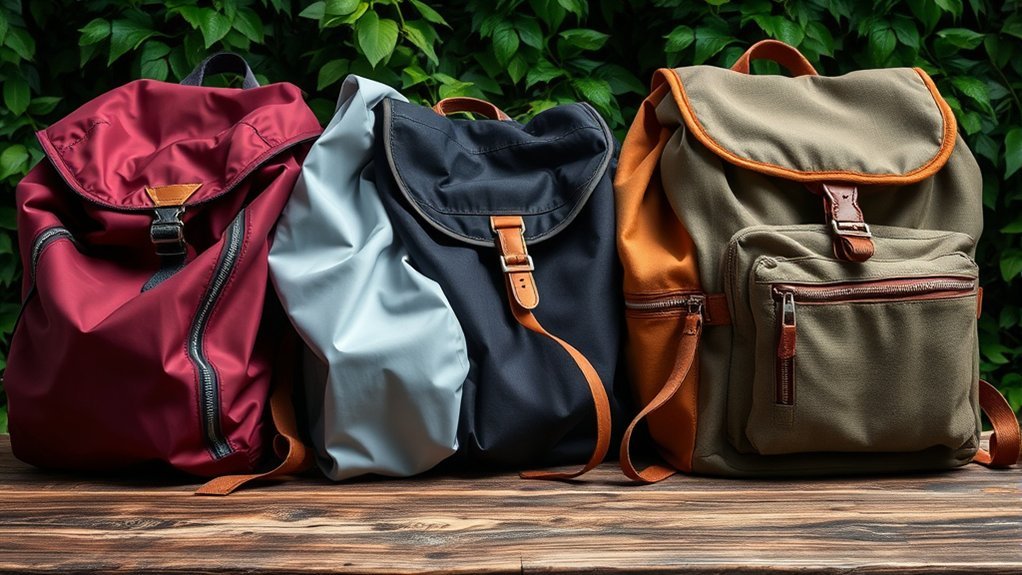
When designing a backpack, the materials you choose play an essential role in determining its performance and longevity. The choice of materials greatly impacts durability, water resistance, and how well your backpack withstands harsh conditions. For outdoor and sports backpacks, lightweight synthetic materials like nylon and polyester excel, offering resistance to environmental elements. Fabrics such as Cordura and ballistic nylon stand out for their exceptional abrasion resistance and tear strength, making them perfect for heavy-duty use.
Understanding characteristics like UV resistance and water repellency is vital for ensuring your backpack maintains its integrity over time. By selecting the right materials, you not only enhance functionality but also align with your priorities for sustainability and longevity. A well-informed choice empowers you to invest in a backpack that meets your needs while standing the test of time, ensuring it accompanies you on every adventure with confidence and reliability.
Overview of Common Backpack Fabrics
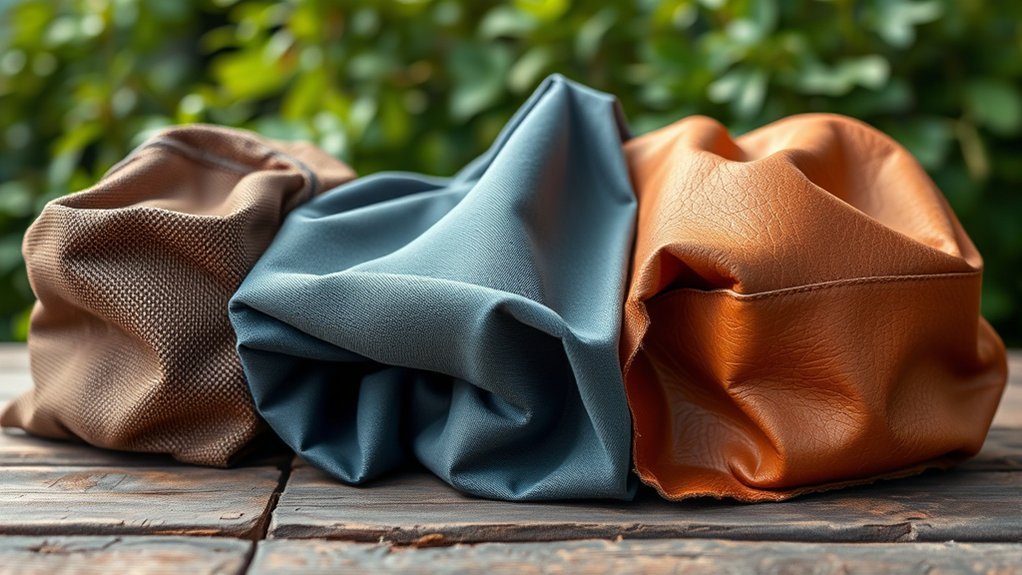
Understanding the various fabrics used in backpack construction is essential for making an informed choice that suits your specific needs. Each material offers unique benefits tailored to different activities and environments. Here’s a quick overview of common backpack fabrics:
Choosing the right backpack fabric is crucial for your activities, as each option provides distinct advantages for various environments.
- Nylon: Lightweight and durable, it’s water-resistant, making it great for outdoor adventures.
- Polyester: Offers excellent UV resistance, dries quickly, and is budget-friendly, perfect for urban use.
- Polypropylene: Known for its high chemical and tear resistance, it’s ideal for heavy-duty industrial backpacks, though it may feel plasticky.
- Ripstop Fabric: Features a specialized weave that prevents tears from spreading, available in both nylon and polyester for enhanced durability in rugged settings.
Evaluating Fabric Durability and Maintenance Tips
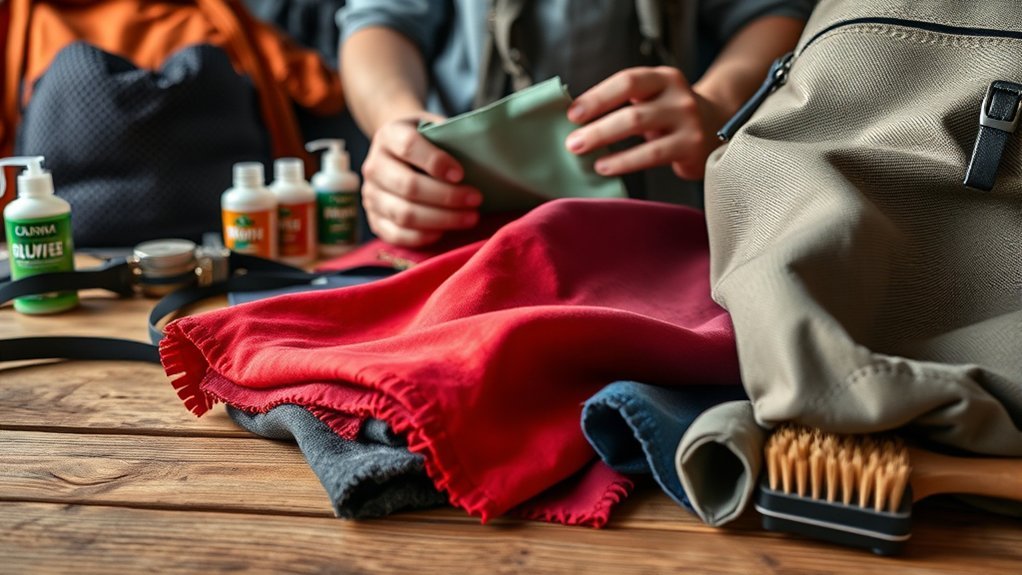
Selecting the right fabric for your backpack goes beyond just considering its type; you also need to evaluate its durability and how to care for it. Start by checking the denier rating—higher numbers indicate a thicker, stronger fabric ideal for heavy-duty use. Tear resistance is vital, especially if you expect rough handling. Look for materials that can withstand pulling apart without failing. Similarly, abrasion resistance helps your backpack endure friction from active environments.
Water resistance varies among fabrics, so consider options that naturally repel moisture or those needing a treatment for protection. Regular maintenance can greatly extend your backpack’s lifespan. Clean it with mild soap and avoid prolonged sun exposure to prevent fading and fabric deterioration. By understanding these factors, you’ll guarantee your backpack stands up to the challenges of your adventures, allowing you the freedom to explore without worry.
Innovations in Backpack Fabric Technology
As you explore the latest advancements in backpack fabric technology, you’ll discover a range of innovative materials designed to enhance both performance and sustainability. These developments not only improve functionality but also cater to eco-conscious consumers.
- Recycled Polyester: Made from plastic bottles, reducing environmental impact.
- Smart Fabrics: Integrated sensors that monitor environmental changes and charge devices using solar power.
- Nano-Coatings: Advanced waterproofing technologies providing superior moisture protection while maintaining flexibility.
- Dyneema: An ultra-lightweight, extremely strong material perfect for high-performance ultralight backpacking.
These innovations reflect a commitment to creating backpacks that not only meet the demands of your adventures but also respect our planet. By embracing these technologies, you’ll enjoy enhanced functionality without compromising on sustainability. As you choose your next backpack, consider how these advancements can elevate your experience while contributing to a more responsible future.
Sustainable Practices in Backpack Production
While many backpack brands focus on performance and style, a growing number are prioritizing sustainable practices in their production processes. You’ll find that incorporating recycled materials, like polyester sourced from plastic bottles, considerably cuts down on waste and environmental impact. Brands are also embracing organic cotton and biodegradable fabrics, appealing to your eco-conscious values while minimizing harm to the planet.
By adopting zero-waste design strategies, manufacturers are reducing raw material waste during production, fostering a more sustainable approach. Eco-friendly methods, such as using water-based adhesives and dyes, further lessen harmful emissions typically associated with traditional manufacturing.
Moreover, many companies emphasize sustainable sourcing and transparent supply chains, empowering you to make informed choices about your backpack’s environmental impact. As you choose sustainably made backpacks, you contribute to a movement that prioritizes not just style and function, but also the health of our planet.
Frequently Asked Questions
How Does Backpack Material Affect Weight Distribution?
Backpack material directly influences weight distribution by determining how the load sits against your body. Lighter materials enhance comfort, while stiffer fabrics can create pressure points, affecting your overall balance and mobility during movement.
What Are the Environmental Impacts of Backpack Materials?
Backpack materials can contribute to pollution and resource depletion. By choosing sustainable options, you reduce environmental impacts, promoting eco-friendly practices. It’s essential to contemplate recycled or organic materials for a more responsible, liberating choice.
Can Fabric Colors Affect Heat Absorption in Backpacks?
Sure, you could go with a black backpack and bake in the sun! Darker colors absorb more heat, while lighter shades reflect it. So, if you want to stay cool, pick wisely and lighten up!
Are There Hypoallergenic Backpack Materials Available?
Yes, there are hypoallergenic backpack materials available. Fabrics like organic cotton, nylon, and certain synthetic blends minimize allergic reactions. Choosing these options guarantees you can enjoy your adventures without irritation from harmful substances in traditional materials.
How Do Different Materials Influence Backpack Price?
Different materials greatly influence backpack prices. High-performance fabrics like nylon or polyester increase durability and weather resistance, raising costs. Cheaper materials may save money, but they often compromise longevity and overall functionality, affecting your long-term investment.
Conclusion
In the world of backpacks, choosing the right material isn’t just a matter of style—it’s a survival skill. Imagine lugging around a bag made from flimsy fabric; it’s like trusting a paper umbrella in a thunderstorm. By understanding materials, you’re not just picking a backpack; you’re investing in your adventure. So, next time you gear up, remember that a sturdy bag isn’t just an accessory—it’s your reliable partner against the elements, ready to take on whatever comes your way.