


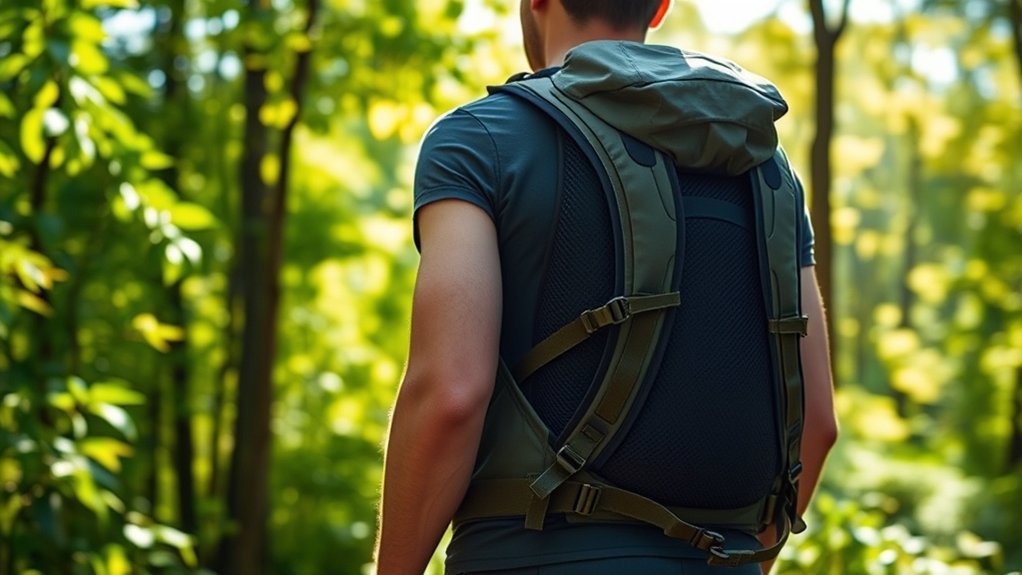
A suspension system backpack is designed to enhance your comfort and support during long wearing periods. It features key components like adjustable shoulder straps, padded waist belts, and ventilated mesh back panels that effectively distribute weight, minimizing strain on your body. This makes it ideal for hiking or multi-day trips where comfort and stability are essential. Ready to explore the different types and when to choose them? There’s much more to discover!
Understanding the Suspension System in Backpacks

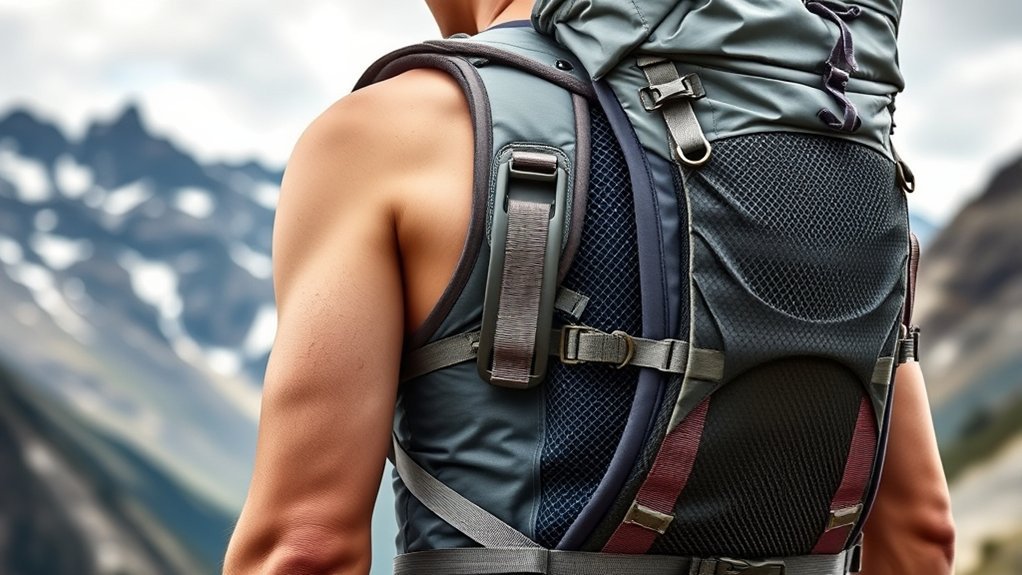
When you slip on a backpack, the suspension system plays an essential role in how comfortably and efficiently you carry your load. This system connects you to your bag through components like frames, mesh back panels, waist belts, and straps, promoting ergonomic movement. For instance, advanced models like the TRIDENT-21 and TRIDENT-32 come equipped with ventilated mesh back panels and padded waist belts, enhancing comfort even under heavy loads. On the other hand, messenger bags like the ENVOY-13 prioritize a single adjustable shoulder strap and stabilizer to minimize movement and energy expenditure. If you’re considering versatility, convertible sling backpacks like the KATARA-16 provide both backpack and sling options with contoured shoulder straps for load management. Large outdoor backpacks, such as the IBEX-35, are designed for extended travel, featuring adjustable shoulder yokes and rigid foam waist belts for efficient weight transfer. Understanding these systems can revolutionize your carrying experience.
Key Components of an Effective Suspension System
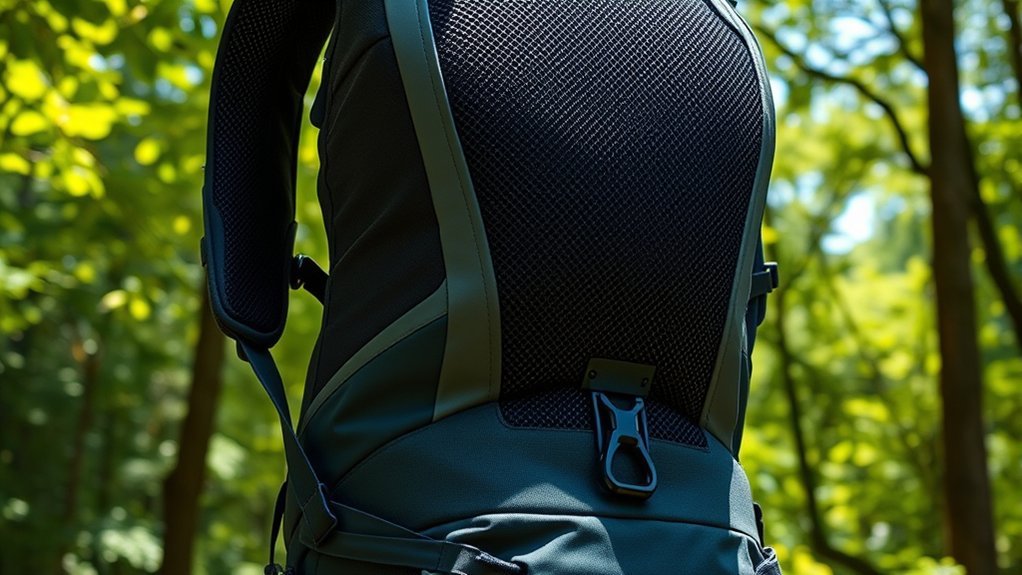
An effective suspension system typically includes six key components: the frame, mesh back panel, waist belt, load adjusters, stabilizers, and sternum straps. The frame provides structure and evenly distributes the weight of your pack, preventing strain. A mesh back panel enhances ventilation, keeping you cool during your adventures. The waist belt transfers weight to your hips, relieving pressure from your shoulders, while load adjusters allow you to customize the fit, accommodating various body types. Stabilizers help maintain balance, especially when you’re maneuvering uneven terrain, and sternum straps secure the load, enhancing stability.
Advanced systems, like those in the TRIDENT-21 and TRIDENT-32, feature ventilated mesh and padded waist belts for added support. Dual density foam and antimicrobial materials boost comfort and durability, making these systems ideal for all-day use. Together, these components create a suspension system that liberates your movement, allowing you to explore without limitation.
Benefits of a Well-Designed Suspension System

A well-designed suspension system greatly enhances your overall experience while carrying a backpack. It effectively distributes weight, minimizing fatigue during long treks, especially with larger loads. You’ll appreciate the advanced features that promote comfort and breathability.
- Ventilated mesh back panels keep you cool on hot days, allowing airflow to your back.
- Padded waist belts provide sturdy support, easing the burden of heavier items.
- Adjustable components like shoulder yokes and sternum straps guarantee a tailored fit, enhancing stability while you move.
Using high-quality materials like dual density foam and antimicrobial mesh not only boosts comfort but also improves durability and hygiene. With a well-designed suspension system, you’ll reduce energy expenditure, allowing for more ergonomic movement and less strain, giving you the freedom to explore without limits.
How Suspension Systems Enhance Carry Comfort
Suspension systems in backpacks greatly enhance carry comfort by guaranteeing that weight is effectively distributed across your body. With features like rigid frames and padded components, these systems promote ergonomic movement, reducing fatigue during long treks. The integration of ventilated mesh back panels and padded waist belts considerably boosts breathability, especially when you’re carrying heavier loads.
You’ll appreciate adjustable features like independently floating shoulder harnesses and customizable hip belts that allow you to tailor the fit to your unique shape. This guarantees stability and reduces energy expenditure while you’re on the move. High-quality materials, such as dual-density foam and antimicrobial mesh, enhance both comfort and durability, making these systems perfect for multi-day adventures. Enhanced lumbar pads and airflow channels alleviate pressure on your back, minimizing sweat and guaranteeing a comfortable carrying experience, no matter how far you go.
Types of Suspension Systems for Different Bags
When choosing a bag, understanding the type of suspension system can greatly impact your comfort and functionality. Messenger bags utilize a single shoulder strap with stabilizers for efficient energy use, while convertible sling backpacks offer versatility with removable straps and a sternum strap for stability. Everyday backpacks enhance comfort through advanced systems that support heavier loads, ensuring you can carry your gear with ease.
Messenger Bag Features
Many messenger bags come equipped with specialized features that enhance their usability and comfort. With a focus on efficient carrying, these bags are designed for those who value both style and functionality. Here are some standout features:
- Ergonomic Adjustable Padded Shoulder Strap: Guarantees comfort during extended use.
- Mild Frame Sheet: Provides stability and reduces energy expenditure while carrying.
- Stabilizers: Keep the bag securely positioned, allowing for seamless movement.
These elements work together to create a liberating experience for you, giving you quick access to your essentials without compromising on comfort. Whether you’re traversing city streets or heading to a meeting, a messenger bag’s design prioritizes both practicality and aesthetic appeal, making it a smart choice for your daily adventures.
Sling Backpack Versatility
Versatile and adaptable, sling backpacks are designed to meet the demands of different lifestyles, making them a popular choice for those on the go. Take convertible options like the KATARA-16 and JAVELIN-18; they feature removable shoulder straps that let you switch between backpack and sling carry effortlessly. The contoured straps conform to your body, enhancing comfort, while a sternum strap stabilizes the load, reducing movement during activities. This hybrid design caters to various needs—from daily commuting to outdoor adventures. You can pre-set the straps for a backpack carry, then quickly convert to a sling pack, allowing for seamless shifts that align with your preferences and ergonomic requirements. Embrace the freedom of movement with these versatile bags!
Backpack Comfort Elements
A well-designed suspension system is the backbone of any comfortable backpack, greatly affecting how weight is distributed across your body. Choosing the right type based on your needs can enhance your experience considerably.
- Messenger bags, like the ENVOY-13, offer a single padded strap, balancing stability and energy efficiency.
- Convertible sling backpacks, such as the KATARA-16, provide contoured straps and sternum support for versatile carrying options.
- Large outdoor backpacks, like the IBEX-35, feature adjustable yokes and rigid waist belts, ensuring comfort during long treks.
Each type tailors to specific uses, ensuring you can carry your gear efficiently and comfortably, liberating you to explore without the burden of discomfort.
Features to Look for in a Suspension System
When choosing a suspension system, you should prioritize weight distribution efficiency to prevent strain during extended use. Look for adjustable fit mechanisms, like shoulder and sternum straps, that allow you to customize the bag to your body for ideal comfort. Additionally, comfort and breathability features, such as ventilated mesh panels, are essential for keeping you cool and comfortable on your adventures.
Weight Distribution Efficiency
To guarantee comfort during long hikes or daily commutes, choosing a backpack with an effective suspension system is essential. A well-designed suspension system promotes ergonomic movement and guarantees proper weight distribution, minimizing strain on your body. Key features to look for include:
- Rigid frame: Transfers weight to your hips, alleviating shoulder pressure.
- Padded waist belts: Provide extra comfort and support for heavy loads.
- Ventilated mesh back panels: Enhance airflow, keeping you cool during physical activity.
These components work together to create a balanced load, allowing you to move freely and with ease. By prioritizing weight distribution efficiency, you’ll enjoy a more liberating experience, whether on the trail or maneuvering city streets.
Adjustable Fit Mechanisms
Weight distribution efficiency is only part of the equation for a comfortable backpack experience. Look for adjustable fit mechanisms that enhance your movement and comfort. Independently floating shoulder harnesses allow you to customize the exit angles, ensuring a secure and personalized fit. Additional adjustment straps around the hips help tighten the load, accommodating your unique body shape. A wider contact area at the back improves stability, especially when carrying heavier loads. You’ll also appreciate an adjustable lumbar pad height—raising it up to 1.5 inches reduces lower disc pressure, promoting better posture. Finally, airflow channels in the suspension system minimize sweating, keeping you cool and comfortable during those long adventures.
Comfort and Breathability Features
A well-designed suspension system backpack prioritizes comfort and breathability, ensuring you can enjoy your outdoor adventures without discomfort. Look for these key features to enhance your experience:
- Ventilated mesh back panel: Keeps you cool by promoting airflow during long hikes.
- Dual density foam: Offers soft cushioning on the inside and firm support on the outside, adapting to your body.
- Adjustable shoulder harnesses and hip belts: Customize the fit for ideal load distribution, relieving pressure points.
Additionally, an airflow channel minimizes sweat buildup, while thicker lumbar pads evenly distribute weight, reducing strain on your lower back. These features empower you to push your limits and explore freely, knowing comfort and breathability are on your side.
When to Use a Suspension System Backpack
When you’re planning a hiking trip, multi-day camping adventure, or any travel that involves carrying substantial gear, using a suspension system backpack can greatly enhance your experience. These backpacks excel in managing heavier loads over extended periods, promoting ergonomic weight distribution that minimizes energy expenditure. Choose a suspension system backpack for activities where comfort and stability are vital, like trekking or extended outdoor excursions.
Look for adjustable components, such as shoulder straps and waist belts, to achieve a customized fit tailored to your body type. During warm-weather adventures, the ventilated mesh back panels provide enhanced breathability, keeping you cool. For heavy use, prioritize models with advanced suspension features like sternum straps and load adjusters. These elements improve stability and help you manage weight effectively, allowing you to focus on enjoying your journey rather than wrestling with discomfort.
Comparing Suspension Systems: What You Need to Know
Understanding the different suspension systems in backpacks is essential for making an informed choice that suits your specific needs. Each system offers unique features designed for comfort and weight distribution, which can greatly impact your experience.
Choosing the right backpack suspension system enhances comfort and weight distribution, ensuring a better experience on your journeys.
- Messenger bags provide a single shoulder strap for casual use, ideal for quick trips.
- Everyday-size backpacks utilize advanced rigid frames and padded waist belts for heavier loads, ensuring a comfortable carry.
- Large outdoor backpacks feature adjustable shoulder yokes and foam waist belts to promote balanced comfort during multi-day adventures.
If you’re looking for customizability, pro suspension systems offer modular designs with dual-density foam and adjustable lumbar pads, maximizing comfort under heavy loads. By understanding these variations, you can select a backpack that liberates you on your journeys, allowing you to focus on exploration rather than discomfort.
Tips for Choosing the Right Suspension System for Your Needs
How do you guarantee the suspension system of your backpack meets your needs? Start by identifying the type of bag you require. Different suspension systems cater to various styles, like backpacks or sling packs, each offering distinct benefits for comfort and stability. Look for adjustable components—shoulder straps and waist belts are essential for a customized fit, ensuring better weight distribution and comfort.
Evaluate the materials, too. Opt for dual-density foam and breathable mesh for enhanced comfort and durability, especially when carrying heavy loads. Don’t forget to check for features like load adjusters, sternum straps, and stabilizers, which aid in load management and help maintain your bag’s position, reducing energy expenditure.
Lastly, assess the overall design, including frame construction and adjustability. These factors can greatly impact your carrying experience, especially during long days or outdoor adventures, enabling you to roam free and unencumbered.
Frequently Asked Questions
Can I Use a Suspension System Backpack for Daily Commuting?
Yes, you can definitely use a suspension system backpack for daily commuting. Its design offers comfort and support, making it easier to carry your essentials without straining your back during your travels. Enjoy the freedom!
How Do I Properly Adjust a Suspension System Backpack?
You’d think adjusting a suspension system backpack is simple, right? Start by loosening all straps, then fit the hip belt snugly, position the shoulder straps, and finally, adjust the load lifters for ideal comfort and weight distribution.
Are Suspension System Backpacks Waterproof?
Not all suspension system backpacks are waterproof. Check the materials and construction for water resistance. If you’re tackling wet conditions, consider a pack with a rain cover or additional waterproof features to keep your gear dry.
What Weight Limit Should I Observe With a Suspension System Backpack?
You should typically observe a weight limit of 20-30% of your body weight when using a suspension system backpack. This guarantees ideal comfort and support, allowing you to explore without straining your body.
Do Suspension System Backpacks Come in Different Sizes for Different Body Types?
Yes, suspension system backpacks come in various sizes tailored for different body types. They’re designed to provide maximum comfort and support, ensuring you can carry your gear efficiently, no matter your physique or frame.
Conclusion
In the world of backpacks, a suspension system is your trusty sidekick, turning heavy loads into light adventures. With the right features, you’ll glide through your journeys with ease and comfort. Whether you’re hitting the trails or traversing city streets, knowing when to choose a suspension system backpack can make all the difference. So, gear up wisely and let your backpack support you like a gentle breeze, ensuring every step feels effortless and enjoyable.