


Traveling with golf clubs can be a cumbersome task, especially when it comes to ensuring that your equipment remains in pristine condition. One of the most critical components of a golf club is the driver head, which is often the most expensive and delicate part of a golfer’s arsenal. Removing the driver head for travel is a practice that many seasoned golfers adopt to protect their investment and ensure that their clubs arrive at their destination without damage.
This process not only minimizes the risk of breakage but also allows for more efficient packing, making it easier to fit your gear into travel bags or cases. The act of detaching the driver head may seem daunting to those unfamiliar with the process, but with the right tools and knowledge, it can be accomplished with relative ease.
Note: This applies to drivers with an adjustable hosel/adapter and a removable screw (common on modern drivers). If your driver has a bonded (non-adjustable) hosel with no screw, do not attempt to separate the head from the shaft for travel—this is a club-repair procedure best handled by a qualified club builder.
Moreover, this practice is not just about protection; it also reflects a golfer’s commitment to maintaining their equipment in optimal condition, which can ultimately enhance performance on the course.
Key Takeaways
- Removing the driver head for travel is a simple process that can help protect your golf club during transportation (for adjustable drivers).
- The tools and equipment needed for removing the driver head include a wrench, towel, and protective cover.
- The step-by-step guide to removing the driver head involves securing the club, using the wrench to loosen the head, and carefully removing it from the shaft.
- Tips for safely removing the driver head include being gentle with the wrench, using a towel to protect the club, and keeping track of small parts.
- Precautions to take when removing the driver head include avoiding over-tightening the wrench and being mindful of the club’s alignment.
Tools and Equipment Needed for Removing Driver Head
Before embarking on the task of removing the driver head, it is essential to gather the necessary tools and equipment. The primary tool required is a torque wrench specifically made for golf clubs—often the manufacturer-supplied adjustment wrench that comes with an adjustable driver. This tool allows you to apply the correct amount of force when loosening or tightening the driver head, helping prevent stripped threads or damage.
A torque wrench typically “clicks” at the correct tightness, so it’s crucial to follow the manufacturer’s specifications for your particular driver model. In addition to a torque wrench, you may also need a headcover to protect the driver head once it has been removed. A soft cloth or towel can serve as an alternative if a headcover is not available.
Furthermore, having a small container or bag to store screws and other small components is advisable, as losing these parts can complicate reassembly later on. Lastly, a pair of gloves can provide a better grip and protect your hands from any sharp edges or debris during the process.
Step-by-Step Guide to Removing Driver Head


To begin the process of removing the driver head, first ensure that you are working in a clean and well-lit area. This will help you avoid losing any small parts and make it easier to see what you are doing. Start by placing your driver on a flat surface, ensuring that it is stable and secure.
Next, take your torque wrench and set it to the appropriate torque setting (or use the manufacturer’s preset wrench) as specified by the manufacturer. This information can usually be found in the user manual or on the manufacturer’s website. Once your torque wrench is ready, locate the screw that connects the driver head to the shaft (typically accessed through the hosel/sole port on adjustable drivers).
Carefully insert the torque wrench into the screw and turn it counterclockwise. It may require some force, but be cautious not to apply too much pressure at an odd angle, as this could damage the screw or threads.
Continue loosening until the clubhead releases from the shaft/adapter. Some designs use a “captive” screw that stays in the head/adapter rather than coming all the way out. With the head released, gently pull the driver head away from the shaft. It should come off without excessive force; if it does not, double-check that the screw has been loosened enough and that parts are aligned.
Tips for Safely Removing Driver Head
| Step | Description |
|---|---|
| 1 | Loosen the head screw using the appropriate tool |
| 2 | Place the club in a secure position, such as a vise with protective padding |
| 3 | Gently twist and pull the head off the shaft |
| 4 | Inspect the hosel/adapter and shaft for any damage |
| 5 | Clean the connection area before reattaching the head |
When removing the driver head, there are several tips that can help ensure a smooth process. First and foremost, always refer to your driver’s manual for specific instructions related to your model. Different manufacturers may have unique designs or requirements for their clubs, so understanding these nuances can prevent potential mishaps.
Additionally, consider practicing this process at home before embarking on a trip; familiarity with your equipment will make you more confident when it comes time to travel. Another important tip is to keep all components organized during disassembly. Use small containers or zip-lock bags to separate screws and other small parts from each other.
Labeling these bags can also be beneficial, especially if you have multiple clubs with similar components. This organization will save you time and frustration when you are ready to reassemble your driver after travel.
Precautions to Take When Removing Driver Head
While removing the driver head is generally straightforward, there are several precautions that should be taken to avoid damaging your equipment or injuring yourself. First, ensure that you are using the correct tools; using an improper tool can lead to stripped screws or damaged threads on both the shaft and head. Always use a torque wrench specifically designed for golf clubs, as this will provide you with the necessary precision.
Additionally, if the screw feels like it is binding or not seating correctly during reassembly, stop and realign components rather than forcing it.
Be mindful of your surroundings while performing this task. A cluttered workspace can lead to accidents or lost parts. Make sure that you have ample space to work and that all tools are within reach but not in danger of being knocked over or misplaced.
If you are traveling with others, inform them of what you are doing so they do not inadvertently disturb your workspace.
Storing the Driver Head During Travel
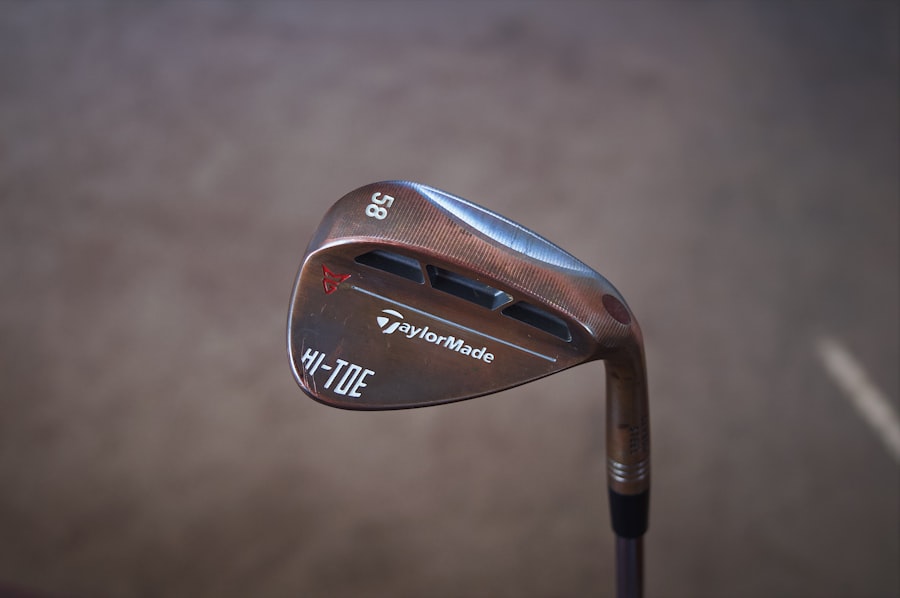
Once you have successfully removed the driver head, proper storage becomes paramount to ensure its safety during transit. The first step is to place the head into a protective headcover or wrap it in a soft cloth if a cover is not available. This will help prevent scratches and dings from occurring while packed away in your travel bag.
If possible, store the head in a separate compartment of your travel case to minimize contact with other clubs or equipment. In addition to physical protection, consider using padding within your travel bag. Many golf travel bags come with built-in padding specifically designed for club protection; however, if yours does not, adding extra padding such as bubble wrap or foam can provide an additional layer of security.
Ensure that there is no excessive movement within your bag; this can be achieved by tightly packing your clubs and using dividers if available.
Reattaching the Driver Head After Travel
Reattaching the driver head after travel is just as important as removing it correctly. Begin by inspecting both the shaft/adapter and head for any signs of damage that may have occurred during transit. Look for cracks, dents, or any irregularities that could affect performance on the course.
If everything appears intact, proceed by aligning the driver head with the shaft carefully. Using your torque wrench (or the manufacturer’s preset wrench), tighten the screw clockwise until you feel and hear the wrench “click” (do not overtighten past the click).
Once secured, double-check that everything is aligned properly before giving it one final tightening to the click point.
Final Thoughts on Removing Driver Head for Travel
Removing the driver head for travel is an essential practice for golfers who wish to protect their equipment while on the go. By understanding how to properly detach and reattach this critical component, golfers can ensure their clubs remain in excellent condition throughout their journeys. The right tools and techniques make this process straightforward and manageable, allowing players to focus on what truly matters: enjoying their time on the course.
As golf continues to evolve with advancements in technology and design, so too does our understanding of how best to care for our equipment. Embracing practices like removing driver heads not only reflects a commitment to maintaining high standards but also enhances overall performance on the course. Whether you’re heading out for a weekend getaway or embarking on an international golfing adventure, taking these steps will help safeguard your investment and ensure that you’re always ready to play your best game.
If you’re looking for tips on how to remove a driver head from a shaft for travel, you may also be interested in checking out this article on the best power bank for international travel. Having a reliable power bank can be essential for staying connected while on the go, just like having the right tools for your golf clubs can make traveling with them easier.
FAQs
What tools do I need to remove a driver head from a shaft for travel?
For an adjustable driver, you typically only need the manufacturer-supplied torque/adjustment wrench (or a compatible golf torque wrench), plus a headcover or towel to protect the removed head and a small bag/container for any small parts.
How do I remove the driver head from the shaft?
For an adjustable hosel/adapter, insert the wrench into the hosel screw and rotate counter-clockwise until the clubhead releases from the shaft/adapter. Then lift the head off gently and store it protected for travel.
What should I be careful of when removing the driver head from the shaft?
Avoid using the wrong tool or forcing the screw. Keep track of small parts, and don’t overtighten when reinstalling. If anything feels misaligned or the screw feels like it is binding, stop and realign components rather than forcing it.
Can I reattach the driver head to the shaft after removing it for travel?
Yes. Reattach the head, align it properly, and tighten the screw clockwise until you feel and hear the torque wrench “click” (per the manufacturer’s design). Adjustable drivers do not require epoxy for normal removal/reattachment.
Are there any risks involved in removing the driver head from the shaft?
The main risks are losing small parts, stripping threads by using the wrong tool or forcing the screw, or reinstalling the head incorrectly. If your driver is a bonded, non-adjustable model (no screw), attempting to remove the head can damage the club and should be handled by a qualified club builder.