



To fix backpack strap slipping, first, verify straps are even for balanced weight distribution. Pull down on the bag while tightening straps for a secure fit. Use the D-ring for quick adjustments, but regularly check its alignment. To develop webbing memory, carry varying loads and adjust straps frequently. Rolling the webbing ends helps stabilize them. Regular maintenance and inspection of your backpack components can enhance longevity and performance. Learn more about optimizing your backpack for better comfort and stability.
Understanding the Shoulder Strap Slipping Issue

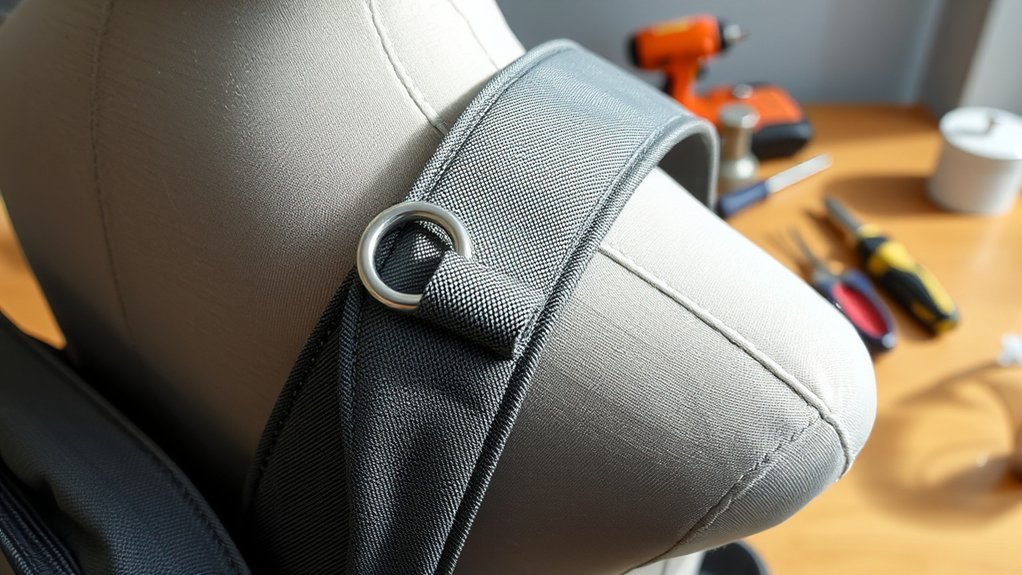
Shoulder strap slipping can be frustrating, especially when you’re trying to carry your backpack comfortably. This issue commonly arises with new backpacks, although not every bag experiences it. As you use your backpack, the webbing may develop memory from regular adjustments and the weight you apply, often resolving the slipping over time. A kink in the webbing indicates that this memory has formed, which helps prevent future slipping.
While the annoyance of slipping can disrupt your journey, you can take proactive steps. Employing proper adjustment techniques—like pushing down on the bag while adjusting—can greatly mitigate the issue. Alternatively, consider rolling the webbing ends and securing them for added stability, though this may limit some adjustability. Understanding these dynamics empowers you to take control of your backpack experience, ensuring it supports your freedom rather than hindering it.
Properly Adjusting Your Backpack Straps
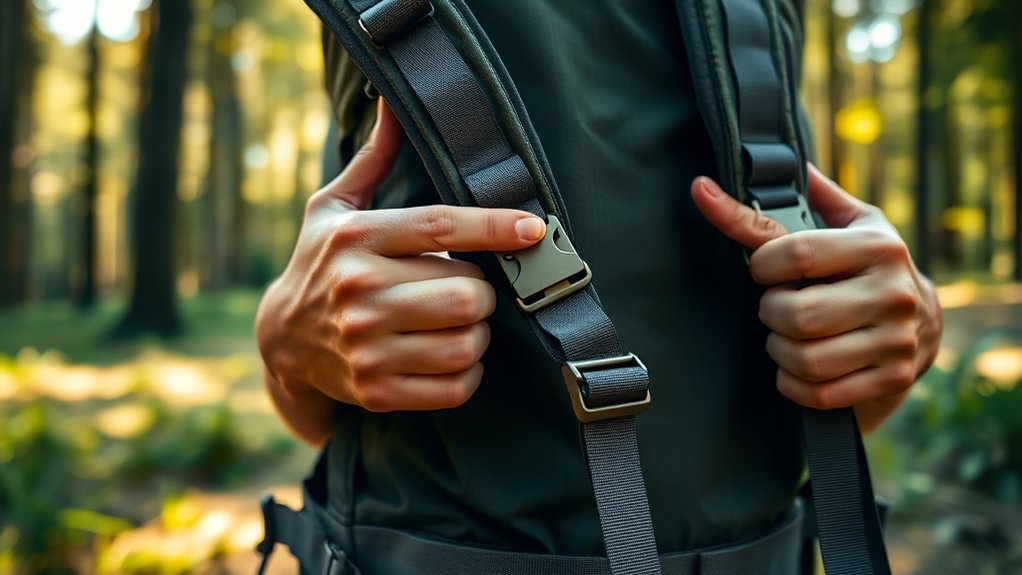
To effectively prevent shoulder strap slipping, it’s important to know how to properly adjust your backpack straps. Start by confirming the straps are even on both sides to distribute weight evenly across your shoulders. When adjusting, push down on the bag while pulling the straps to create a secure fit, allowing the webbing to develop memory over time. If you’re experiencing slipping, stabilize the strap height by rolling the webbing ends to prevent unwanted loosening.
| Adjustment Step | Purpose |
|---|---|
| Confirm Straps Even | Distributes weight evenly |
| Push Down While Pulling | Secures the fit |
| Roll Webbing Ends | Stabilizes strap height |
| Check D-Ring Regularly | Enhances functionality |
Utilizing the D-Ring for Better Functionality

The D-ring on your backpack’s adjustable strap system greatly improves strap adjustments and enhances release convenience. By allowing smoother modifications, you can quickly adjust strap length while maintaining a secure grip. This feature not only simplifies adjustments on the go but also reduces the risk of slipping.
Improved Strap Adjustments
While adjusting your backpack straps, utilizing the integrated D-ring can greatly enhance functionality and ease of use. This feature improves grip through textured webbing, minimizing slipping. Proper usage involves pushing down on the bag to establish memory in the webbing, keeping straps in place without becoming too stiff.
| Feature | Advantage | Usage Tip |
|---|---|---|
| D-Ring Integration | Smoother adjustments | Push down for memory |
| Textured Webbing | Better grip and control | Adjust slowly for comfort |
| Flexibility | Maintains strap flexibility | Avoid removing the D-ring |
| Quick Adjustments | Saves time and effort | Use with consistent tension |
Enhanced Release Convenience
Improved strap adjustments set the stage for enhanced release convenience, particularly when utilizing the D-ring in your backpack’s adjustable strap system. This feature greatly boosts functionality by allowing smoother adjustments and easier strap releases. The enhanced grip of the webbing, along with the D-ring, prevents the straps from becoming overly stiff and tight during use. With this design, you gain quick-release capability, making it convenient to adjust your bag on the go. The D-ring also facilitates better control over strap length adjustments, reducing the chances of slipping. While you can remove the D-ring, it’s not recommended, as it may compromise the benefits of this enhanced release functionality, keeping you liberated and ready for any adventure.
The Importance of Webbing Memory
Understanding webbing memory is crucial for anyone who uses adjustable backpack straps. This memory develops over time through regular use and the application of weight, helping to maintain your desired strap length and prevent slipping. A kink in the webbing indicates that it has established memory, contributing to a more stable fit during your activities. As the webbing ages, this increased memory reduces the likelihood of slipping issues that often plague new backpacks. To enhance webbing memory, proper adjustment techniques are important; for instance, pushing down on the bag while adjusting can greatly aid its development. By establishing webbing memory, you guarantee that your adjustable straps stay in place, allowing you to focus on your adventures without the distraction of constantly readjusting. Embracing this concept not only enhances your comfort but also empowers your mobility, providing a liberating experience on your journeys.
Techniques to Encourage Webbing Memory Development
To develop webbing memory effectively, you can implement several techniques that enhance the stability of your backpack straps. These methods will help the webbing conform to your shape and prevent future slipping:
- Regularly adjust the straps while carrying weight to create a kink in the webbing.
- Apply consistent pressure on the straps during use to promote memory development.
- Use proper adjustment techniques, like pushing down on the bag while tightening the straps.
- Vary the loads you carry to accelerate the natural process of webbing memory formation.
- Regularly use your backpack to strengthen the webbing’s memory over time.
Rolling Webbing Ends for Stabilization
Rolling the webbing ends of your backpack straps offers a reliable way to stabilize strap height and reduce slipping. While this method enhances stability, it does come at the cost of some adjustability. By securing the rolled ends, you guarantee the straps stay in place, providing consistent support during your activities.
Benefits of Rolling Ends
When you roll the ends of backpack webbing, you can greatly augment strap stability, preventing unwanted loosening during use. This technique provides several benefits that improve your backpack experience:
- Guarantees a fixed strap length, eliminating slippage
- Increases overall comfort during active use
- Enhances functionality by securing webbing ends
- Simplifies the solution for shoulder strap slipping issues
- Sacrifices some adjustability for added stability
Stabilizing Strap Height
Stabilizing strap height is essential for ensuring your backpack remains comfortable and functional during use, especially if you often face issues with slipping straps. Rolling the webbing ends of your backpack straps can greatly enhance stability and prevent unwanted loosening. To implement this technique, tightly roll the webbing ends and secure them to maintain your desired strap length. This method creates a fixed strap length, sacrificing some adjustability but offering improved security. By stabilizing strap height through rolled webbing, you’ll find that your backpack straps stay in place more effectively, providing you with increased comfort and usability. This straightforward adjustment can make a noticeable difference in your overall carrying experience, allowing you to focus on your adventures.
Adjustability Trade-Offs
Although securing the webbing ends of your backpack straps can effectively stabilize them and reduce slipping, it comes with notable trade-offs in adjustability. By rolling the webbing ends, you achieve a more secure fit, but this method limits your ability to make quick adjustments. Here are some key considerations:
- Fixed strap length reduces overall flexibility.
- Enhances stability for a comfortable fit.
- Ideal for users facing consistent slipping issues.
- Less suitable for those who frequently change strap lengths.
- May require additional adjustments for different loads.
Before implementing this technique, weigh the importance of stability against your need for adjustability. If you prioritize a reliable fit over frequent modifications, rolling webbing ends might be your best solution.
Evaluating the Trade-off Between Adjustability and Stability
While you may desire the freedom to adjust your backpack straps on the fly, achieving that flexibility often comes at the cost of stability. Rolling the webbing ends can enhance stability by preventing slippage, yet it limits your ability to make quick adjustments. Securing the webbing ends offers a fixed length that eliminates unwanted loosening but sacrifices adjustability.
The D-ring can increase your strap’s adjustability, allowing for smoother adjustments; however, it may introduce instability if not used correctly. Over time, the webbing can develop a memory that reduces slipping, yet relying solely on this feature can compromise immediate adjustability.
Ultimately, you must consider your priorities: do you want the quick adjustability for spontaneous alterations, or do you prefer the stability that fixed strap lengths provide? Balancing these factors will help you find the right setup for your needs.
When to Consider Removing the D-Ring
If you’re experiencing persistent slipping issues with your backpack straps, it might be time to contemplate removing the D-ring. However, before you take this step, consider the following factors:
- Removing the D-ring may lead to stiffer strap adjustments.
- You’ll lose the quick-release feature that the D-ring provides.
- Cutting it off requires pliers, as the webbing can’t be reweaved.
- This change alters your backpack’s original design, potentially affecting performance.
- It’s generally advisable to keep the D-ring unless all other fixes fail.
Keep in mind that the D-ring plays a significant role in maintaining strap stability. Weigh these points carefully before deciding to proceed. Removing it could mean sacrificing convenience for a temporary fix to slipping straps. Consider exploring other solutions first to preserve the functionality and ease of use your backpack offers.
Regular Maintenance and Inspection of Backpack Components
To keep your backpack functioning at its best, it’s essential to perform regular maintenance and inspection of its components. Start by inspecting the shoulder straps for any signs of wear or fraying, as these issues can compromise their functionality and stability. Check the D-ring and webbing to guarantee proper alignment and grip, which helps prevent slipping during use.
Make sure the webbing is free from kinks; established memory in the webbing allows it to maintain the strap position over time. Periodically clean the webbing and components to eliminate dirt and debris, as this can affect grip and overall strap performance.
Lastly, test the adjustability of the straps during inspections. Confirm they hold their position and don’t loosen unexpectedly under weight. By keeping up with these inspections, you’ll enhance your backpack’s reliability and longevity, allowing you to enjoy your adventures without worry.
Frequently Asked Questions
Can I Use Duct Tape to Fix Slipping Straps?
You can use duct tape temporarily to secure slipping straps, but it’s not a long-term solution. Consider adjusting the straps properly or using dedicated strap locks for more reliable, lasting results that enhance your backpack’s functionality.
How Often Should I Inspect My Backpack for Wear?
You should inspect your backpack regularly, ideally every few months, checking for wear, checking for fraying straps, and checking for broken buckles. A well-maintained pack guarantees your gear’s safety and enhances your outdoor experience.
Are There Specific Brands Known for Better Strap Stability?
Yes, brands like Osprey, Deuter, and Gregory are known for superior strap stability. Their designs incorporate adjustable systems and high-quality materials, ensuring you experience comfortable, secure carrying during your adventures without constant readjustment.
What Materials Are Best for Reducing Strap Slipping?
You’ll find nylon and polyester materials excel at reducing strap slipping due to their durability and resistance to stretching. Look for straps with textured surfaces or rubberized coatings for enhanced grip and stability during use.
Can Washing My Backpack Improve Strap Performance?
Washing your backpack can enhance strap performance by removing dirt and grime that cause friction. Clean straps grip better, ensuring they stay in place, ultimately freeing you from constant adjustments during your adventures.
Conclusion
By addressing strap slipping, you’ll enhance your backpack experience considerably. Remember, “a stitch in time saves nine,” so regular maintenance and proper adjustments can prevent bigger issues down the road. Utilize techniques like leveraging D-rings and encouraging webbing memory to keep your straps secure. With these steps, you’ll guarantee your backpack remains stable and comfortable, allowing you to focus on your adventures without the distraction of slipping straps. Happy hiking!