


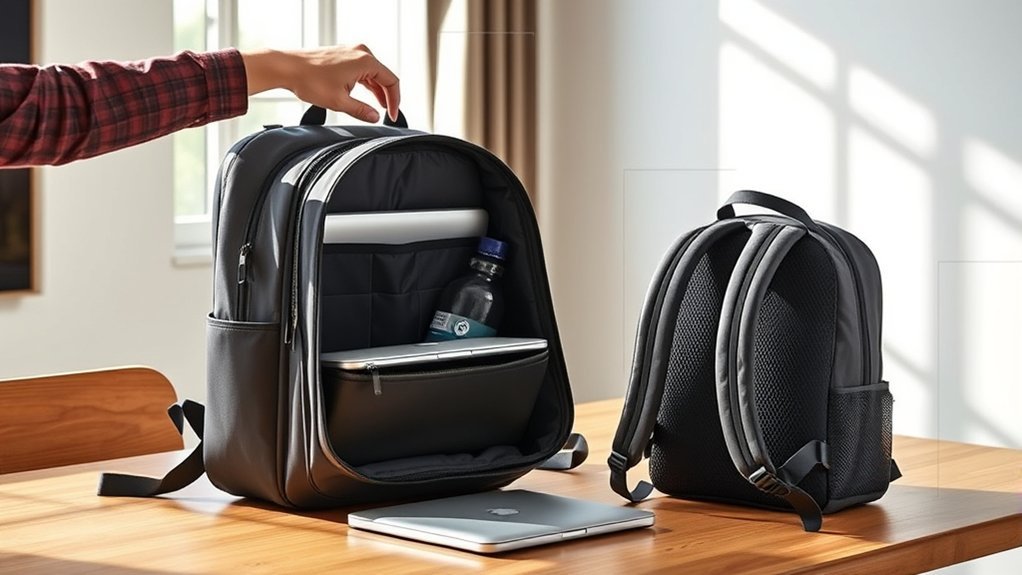
To choose the perfect commuter backpack for travel, start by evaluating your commuting needs. Aim for a size between 16 to 24 liters, ensuring it accommodates daily essentials like gym gear and tech devices. Look for multiple compartments and quick-access pockets for organization. Prioritize comfort with padded straps and durable, water-resistant materials. Check for a dedicated laptop compartment that fits your device. Test it on for fit and comfort, and there’s much more to discover about features that enhance your experience.
Understanding Your Commuting Needs

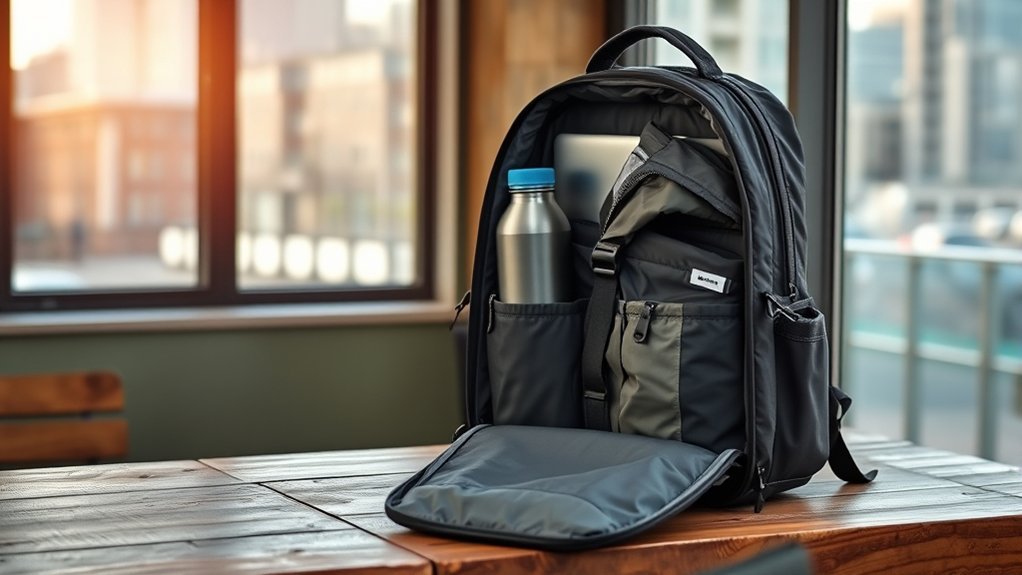
When you understand your commuting needs, you can choose a backpack that truly fits your lifestyle. Start by evaluating how you get around—whether by bike, foot, car, or public transit. This helps determine the essential features and size of your backpack, typically between 16 to 24 liters. Think about what you carry daily, like gym gear, groceries, or tech devices, ensuring your backpack has enough space and organization for those items. Comfort is key, so look for padded straps and breathable materials, especially if you’ll wear it for long stretches. Opt for durable, water-resistant materials to safeguard your belongings against the elements. Finally, prioritize internal organization with compartments and pockets, making it easy to access your personal items. A well-chosen backpack can transform your commute into a more efficient and enjoyable experience, empowering you to move freely through your day.
Ideal Size for Commuter Backpacks
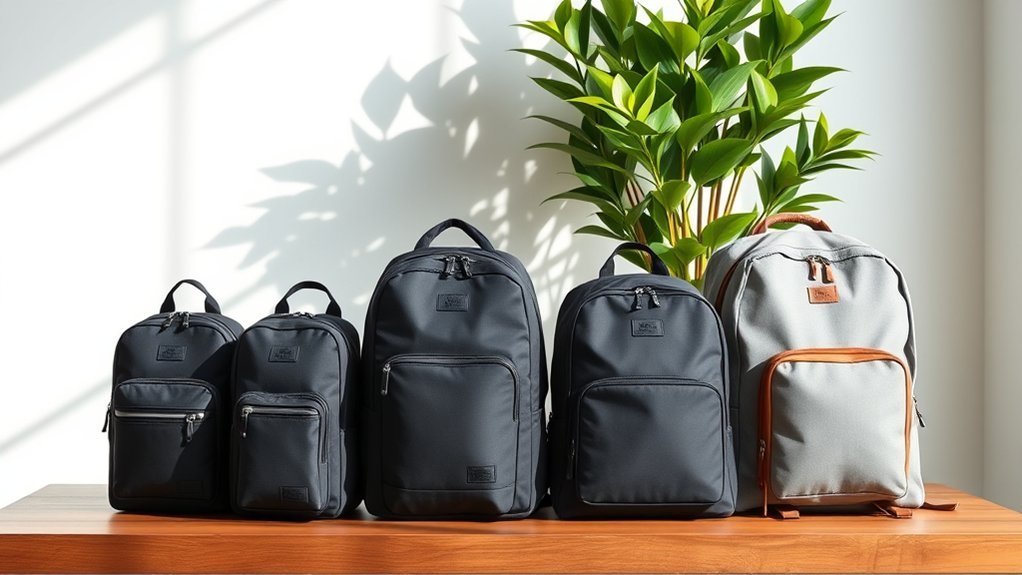
The ideal commuter backpack usually falls within the 16 to 24-liter range, striking a balance between capacity and portability. This size gives you enough room for your essentials without feeling weighed down during your daily travels. If you need to carry extra items like gym gear or groceries, consider a backpack that offers flexible sizing options, either slightly above or below this range.
Comfort is key—especially if you’re using public transport or biking to work. A well-sized backpack guarantees proper weight distribution, making your commute more enjoyable. Additionally, a backpack of this size should allow for easy internal organization, helping you access your belongings without unnecessary fuss. By choosing the right size, you can maintain a sense of freedom, making sure your backpack enhances rather than hinders your daily journey.
Essential Organizational Features
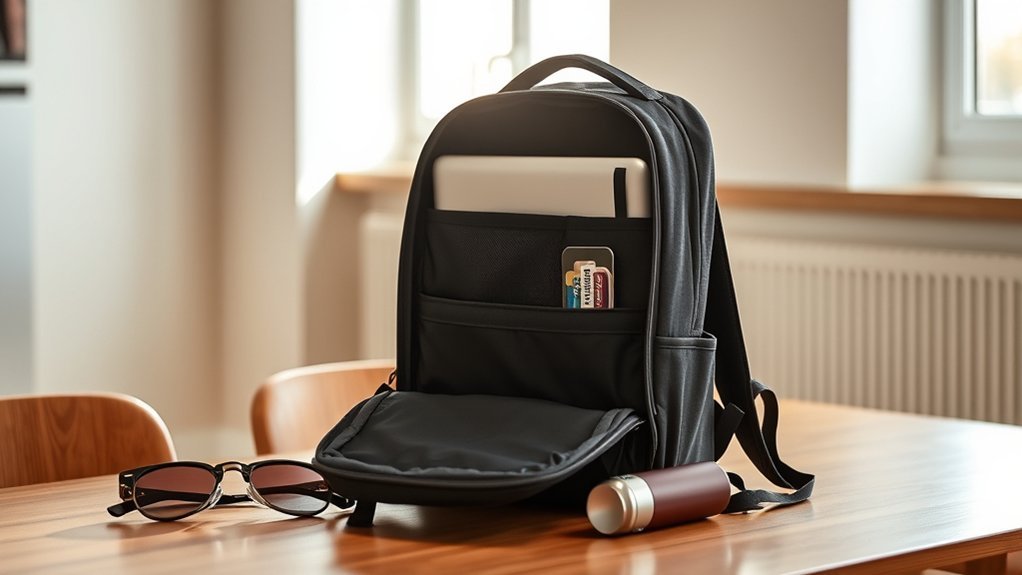
To guarantee your daily commute is as smooth as possible, focus on a backpack that features essential organizational elements. Look for internal compartments, pockets, and dividers to keep your laptop, chargers, and personal belongings easily accessible. A dedicated laptop compartment that accommodates devices up to 16 inches provides maximum protection. Quick-access pockets for keys, wallets, and transit cards allow you to grab essentials without digging through the main compartment.
Here’s a quick overview of key organizational features to evaluate:
| Feature | Benefit |
|---|---|
| Multiple Compartments | Keeps items organized |
| Quick-Access Pockets | Offers convenience |
| Clamshell Openings | Facilitates easy packing/unpacking |
Choose a backpack that enhances usability and allows for hassle-free organization of your gear while on the go. This way, you can travel light and liberate yourself from unnecessary stress.
Importance of Comfort and Fit
Choosing a commuter backpack that prioritizes comfort and fit can make all the difference in your daily travels. If you’re a non-car commuter, you’ll be wearing your backpack for extended periods, so comfort is vital. Look for adjustable straps and a padded back panel, which can greatly enhance your comfort and reduce strain.
Aim for a backpack size between 16 to 24 liters; this range provides enough space without adding unnecessary weight that could affect your comfort. Additionally, features like breathable materials and ergonomic designs improve airflow, helping you stay cool and comfortable throughout your commute.
Testing shows that a well-designed backpack not only boosts comfort but also enhances wearability, making it more suitable for various commuting scenarios. Prioritizing comfort and fit means you can enjoy your journey, free from discomfort and distraction, allowing you to focus on what truly matters.
Material Durability and Water Resistance
When choosing a commuter backpack, the materials you select can make a big difference in durability and water resistance. Look for robust options like 840D CORDURA® or XPAC, and don’t forget to check how well they perform in water resistance tests. A well-constructed backpack not only protects your belongings from moisture but also stands up to the wear and tear of daily use.
Material Types Overview
A commuter backpack‘s performance hinges on its material, especially regarding durability and water resistance. Look for durable options like 840D CORDURA® or recycled polyester, which resist wear and tear over time. Water resistance varies considerably; some materials repel water effectively, while others can soak through easily. For instance, the Able Carry Daily Backpack utilizes XPAC material, providing extreme water resistance to keep your gear dry during heavy rain. Meanwhile, models like the Timbuk2 Spire offer decent repellency but may allow side soaking in certain conditions. When choosing your backpack, balance durability with water resistance to guarantee longevity and functionality. This way, you can embrace your journey without worrying about the elements.
Testing for Water Resistance
Evaluating the water resistance of a commuter backpack involves several practical tests to see how well materials protect your belongings from moisture. Start with the paper test, where you check if moisture seeps through the fabric. Next, perform the repellent test by spraying water and observing how it beads up or soaks in. Finally, try the soaking test, submerging the backpack to assess its limits. High-performing backpacks, like the Able Carry Daily Backpack, excel in keeping items dry, while others, like the Timbuk2 Spire Laptop Backpack 2.0, may show limitations. Remember, materials such as 840D CORDURA® and XPAC enhance both water resistance and durability, making your choice vital for unexpected weather in urban settings.
Importance of Durability
Durability is essential for any commuter backpack, as it directly impacts how well the bag withstands daily challenges. Choosing the right materials and features can make a significant difference in your backpack’s performance. Here’s what to take into account:
- Material: Look for durable fabrics like 840D CORDURA® or XPAC.
- Water Resistance: Opt for backpacks like the Able Carry Daily Backpack that repel water effectively.
- Reinforced Seams: Confirm the bag has reinforced seams to enhance overall strength.
- Water-Resistant Zippers: Choose zippers designed to keep moisture out, protecting your belongings.
Balancing durability and water resistance guarantees your backpack can handle anything urban life throws at you, keeping both you and your essentials safe.
Evaluating Weight for Mobility
When choosing a commuter backpack, weight plays an essential role in guaranteeing you stay mobile and comfortable throughout your journey. Aim for a backpack that weighs no more than 3-4 pounds to maintain ease during long commutes. Look for options in the 16 to 24-liter range, as these typically provide a solid balance between weight and storage capacity for daily use.
Opt for lightweight materials like recycled polyester or CORDURA, which help keep the overall weight down without sacrificing durability. Additionally, ergonomic designs are vital; they distribute weight evenly, reducing strain on your shoulders and back.
Lastly, consider the weight of the items you plan to carry. This will help make sure that your total load remains manageable, no matter if you’re biking, walking, or hopping on public transport. With the right backpack, you can travel light while enjoying the freedom of mobility.
Checking Laptop Compatibility
When you’re choosing a commuter backpack, it’s essential to check the laptop compartment‘s size and design. Make sure it can accommodate your device, typically up to 16-17 inches, and offers adequate padding for protection. Additionally, look for features that enhance accessibility, so you can grab your laptop quickly when you need it.
Laptop Size Considerations
Choosing the right commuter backpack means guaranteeing it fits your laptop securely, so you can avoid any mishaps during your travels. Here are some key considerations for laptop size:
- Dedicated Compartment: Look for a backpack with a dedicated laptop compartment that accommodates your device, typically up to 16 inches.
- Check Compatibility: Always verify the manufacturer’s specifications for laptop compatibility to guarantee a snug fit.
- Internal Dimensions: Measure your laptop and compare it to the internal dimensions of the backpack’s sleeve—some may only fit slightly smaller devices.
- Larger Laptops: If you have a larger laptop, consider options like the Timbuk2 Spire Laptop Backpack 2.0, which fits up to 17 inches.
With these tips, you’ll find the perfect backpack for your tech.
Compartment Design Features
To guarantee your laptop stays safe during your daily commute, select a backpack with thoughtfully designed compartment features. Look for a dedicated laptop compartment that fits your device, ideally accommodating sizes up to 16-17 inches. Padded sleeves are essential, providing extra protection against bumps and drops. Internal organization features like multiple pockets and dividers help keep your laptop and accessories—chargers, cables—neatly arranged and accessible. Quick-access pockets are a bonus, letting you retrieve or store your laptop without digging through the bag. Finally, choose backpacks made from durable, water-resistant materials to shield your laptop from the elements. With these features, you’ll enjoy a liberating and worry-free commuting experience.
Quick-Access Pockets and Compartments
A well-designed commuter backpack should include several quick-access pockets and compartments that make your daily routine smoother. These features save you time and hassle, letting you grab what you need without digging through your bag. Here are four key quick-access elements to look for:
A commuter backpack should feature quick-access pockets to streamline your daily routine and enhance convenience.
- Dedicated Quick-Grab Pockets: Perfect for essentials like keys and transit passes.
- Internal Organization Systems: Compartments specifically for tech devices keep your gear secure and easy to reach.
- External Pockets: Ideal for items you need frequently, such as water bottles or snacks, especially for cyclists or public transit users.
- Zippered Pockets: Keep your valuables safe while allowing easy access.
Testing the Backpack Before Purchase
How can you be confident a commuter backpack will meet your needs? Start by trying it on. Assess comfort and fit, especially how it distributes weight when loaded with your typical items. This step is vital; you don’t want discomfort during your daily commute. Next, check the organizational features like pockets and compartments to guarantee easy access to your tech and personal items.
Don’t forget to test the water resistance. You can perform a dry paper test or verify manufacturer claims, as staying dry is critical in unpredictable weather. Evaluate the materials, too—look for durable, water-resistant fabrics like CORDURA® or recycled polyester to confirm longevity. Finally, consider the size; aim for a capacity between 16 to 24 liters, but be flexible based on your gear requirements and commuting method. Testing these factors will help you find a backpack that truly liberates your travel experience.
Frequently Asked Questions
What Are the Best Brands for Commuter Backpacks?
For commuter backpacks, consider brands like Osprey, North Face, Patagonia, and Timbuk2. They’re known for durability, comfort, and functionality. You’ll find options that suit your style and needs for efficient travel.
Can I Use a Commuter Backpack for Hiking?
Yes, you can definitely use a commuter backpack for hiking. Just verify it has enough space, comfortable straps, and water resistance. It might not be ideal for long treks, but it’s versatile for short hikes.
How Do I Clean My Commuter Backpack?
To clean your commuter backpack, empty it out, spot clean stains with mild soap and water, then wipe the interior and exterior. Air dry it completely before using it again to keep it fresh.
Are There Backpacks With Anti-Theft Features?
Yes, there are backpacks with anti-theft features. Look for zippered compartments, locking mechanisms, and cut-resistant straps. These designs help keep your belongings safe while you travel, ensuring you can move freely without worry.
What Colors Are Best for Professional Settings?
Neutral colors like black, navy, and gray work best in professional settings. They convey confidence and professionalism, allowing you to express your style without distractions. Consider incorporating subtle patterns for a touch of personality without compromising professionalism.
Conclusion
In your quest for the perfect commuter backpack, remember to prioritize practicality and personal preference. Focus on features like fit, functionality, and fabric to find a reliable companion for your travels. Don’t forget to test it out before you commit! With these handy hints, you’ll be well-equipped to select a stylish and sturdy backpack that seamlessly suits your daily journey. Happy travels, and may your new backpack bring you blissful convenience!