


When deciding between a hardshell and softshell backpack, consider their key differences. Hardshells offer superior impact protection, durability, and a waterproof exterior, making them ideal for fragile gear and professional settings. In contrast, softshells are lighter, more adaptable, and perfect for outdoor adventures, featuring multiple external pockets for quick access. The choice hinges on your specific needs for protection, weight, and organization. Explore further to discover which option suits your lifestyle best.
What Is a Hardshell Backpack? the Fortress for Your Gear

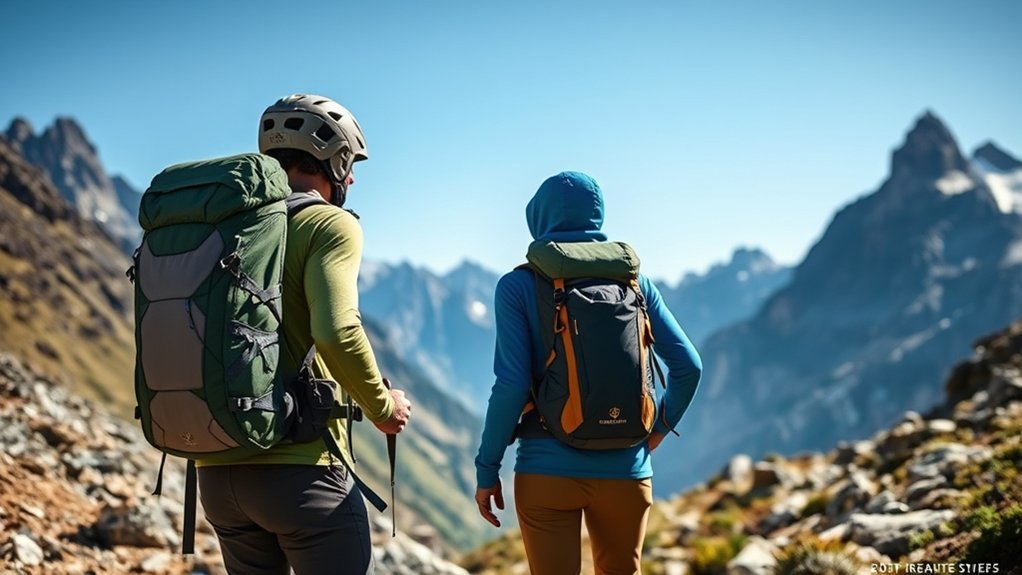
A hardshell backpack is your gear’s fortress, built from rigid materials like polycarbonate or ABS to provide robust protection. This construction maintains its shape, offering superior impact resistance, making it ideal for carrying sensitive equipment such as laptops and cameras. While they’re generally heavier than softshell options, the extra weight comes from durable materials and additional padding that safeguard your valuable gear.
Designed with sleek, modern aesthetics, hardshell backpacks appeal to professionals and urban commuters, seamlessly fitting into business travel scenarios. Their waterproof exterior is another essential feature, ensuring your contents remain dry and secure during adverse weather. By choosing a hardshell backpack, you’re investing in a reliable companion that defends against drops and moisture, allowing you to venture freely without worrying about the safety of your equipment. Embrace the liberation of knowing your gear is well-protected on all your adventures.
What Is a Softshell Backpack? the Versatile All-Rounder
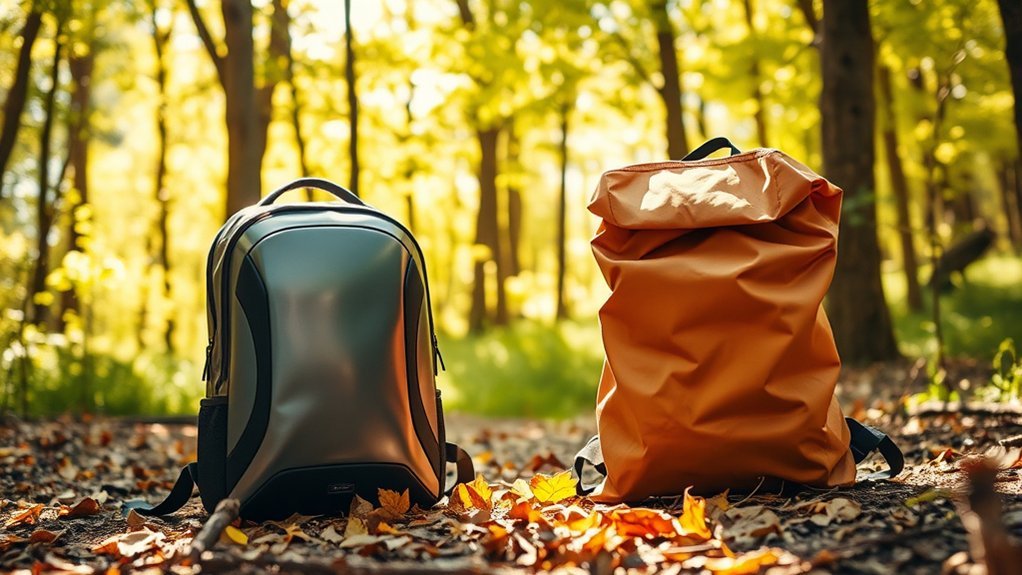
Softshell backpacks offer a blend of flexibility and functionality, crafted from materials like ballistic nylon or polyester. These versatile packs adapt to various storage needs, making them ideal for everyday use, travel, and outdoor activities. Lightweight and often featuring external pockets, they provide convenient access to essentials.
| Feature | Description |
|---|---|
| Material | Ballistic nylon, canvas, or polyester |
| Weight | Lightweight for easy carry |
| Pockets | External for quick access |
| Comfort | Breathable, suitable for outdoor adventures |
| Protection | Adequate safety with heavily padded designs |
While they may not offer the same protection as hardshell options, softshell backpacks still provide sufficient safety for your everyday gear. Their adaptability and comfort make them a popular choice for those seeking liberation in their travel and daily routines.
At-a-glance: Hardshell vs. Softshell Comparison
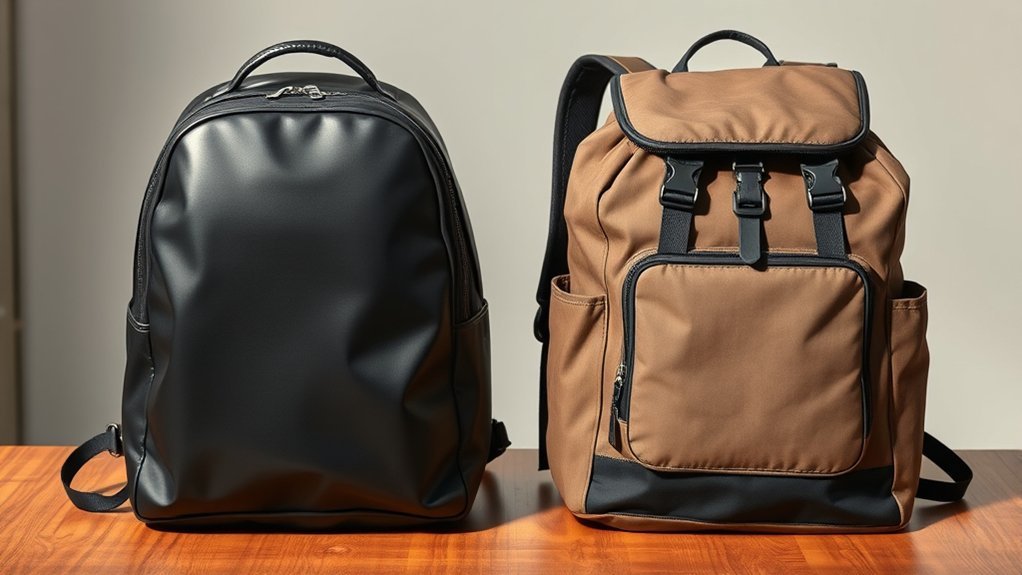
When choosing between hardshell and softshell backpacks, understanding their differences can greatly impact your decision. Hardshell backpacks are made from rigid materials like polycarbonate, offering superior impact protection for fragile items. They excel in durability and water resistance, making them ideal for extreme weather. However, their design typically has fewer external compartments and is heavier due to sturdy construction.
On the other hand, softshell backpacks utilize flexible fabrics like Cordura, which provide adaptability and a lighter weight. They’re designed for breathability and comfort, perfect for everyday use or outdoor activities. These backpacks often feature multiple pockets for easy access to your essentials. While hardshell options maintain a fixed shape for enhanced protection, softshell backpacks offer versatility for varying packing needs. Ultimately, your choice will depend on your specific requirements for protection, weight, and organizational features.
Which Backpack Is Better For…? (Scenario-Based Recommendations)
Which backpack fits your needs best? When considering your activities, here are tailored recommendations:
Discover the perfect backpack for your adventures with tailored recommendations based on your activities and needs.
- Outdoor Adventures: Opt for a softshell backpack. Its lightweight design and flexibility make it perfect for long hikes, providing comfort during extended wear.
- Photography and Videography: Choose a hardshell backpack. Its robust structure safeguards your delicate equipment from shocks and drops, ensuring your gear remains intact while you travel.
- Business Travel: A hardshell backpack is ideal here too. It offers a professional appearance while delivering maximum protection for your electronics and valuables, making you look sharp on the go.
For weekend getaways, softshell backpacks provide expandable storage without the added bulk, while long-haul travel calls for hardshell options due to their tamper-resistance. Assess your needs, and pick the backpack that empowers your adventures.
The Buyers Guide: 3 Things to Check Before You Buy
Before making a purchase, what should you consider to confirm you choose the right backpack? Here are three critical factors to evaluate:
| Factor | Hardshell Backpack | Softshell Backpack |
|---|---|---|
| Material Quality | Polycarbonate or ABS for durability | Cordura or ballistic nylon for flexibility |
| Intended Use | Best for fragile electronics | Ideal for everyday and outdoor activities |
| Design Features | More impact protection, fewer compartments | Adaptable with external pockets |
Next, think about the weight; hardshells are heavier but offer protection, while softshells are lighter and more comfortable. Finally, assess your packing needs: hardshells maintain shape and can’t be overstuffed, while softshells are flexible, allowing for varied packing volumes. Making these evaluations confirms you find a backpack that truly fits your lifestyle.
Frequently Asked Questions
Can Hardshell Backpacks Be Used for Everyday Commuting?
Yes, you can use hardshell backpacks for everyday commuting. They offer durability and protection for your belongings, but their rigid structure might limit flexibility and comfort compared to softer alternatives. Choose based on your commuting needs.
Are Softshell Backpacks Waterproof or Water-Resistant?
Softshell backpacks are generally water-resistant, meaning they can withstand light rain but aren’t fully waterproof. To keep your belongings dry in heavy rain, consider using a rain cover or opt for a waterproof model.
How Do I Clean and Maintain My Backpack?
To clean your backpack, empty it and shake out debris. Use a damp cloth with mild soap for spots. Rinse thoroughly, then air-dry. Regularly check zippers and straps, ensuring everything’s functional and intact.
What Materials Are Commonly Used in Hardshell Backpacks?
Hardshell backpacks typically use durable materials like high-denier nylon, polyethylene, or ABS plastic, providing strength and water resistance. These materials guarantee your gear stays protected, empowering you to venture freely without worrying about damage.
Can I Attach Extra Gear to a Softshell Backpack?
Yes, you can attach extra gear to a softshell backpack. Most softshells feature straps, loops, or attachment points, allowing you to secure items like sleeping bags, trekking poles, or other essential equipment for your adventures.
Conclusion
In the end, choosing between a hardshell and softshell backpack is like picking between a sturdy fortress and a nimble chameleon. If you need robust protection for delicate gear, the hardshell is your best bet. For everyday versatility and comfort, the softshell shines. Consider your specific needs and scenarios to make the right choice. Whichever you choose, guarantee it fits your lifestyle and enhances your adventures, keeping your gear secure and accessible on every journey.