


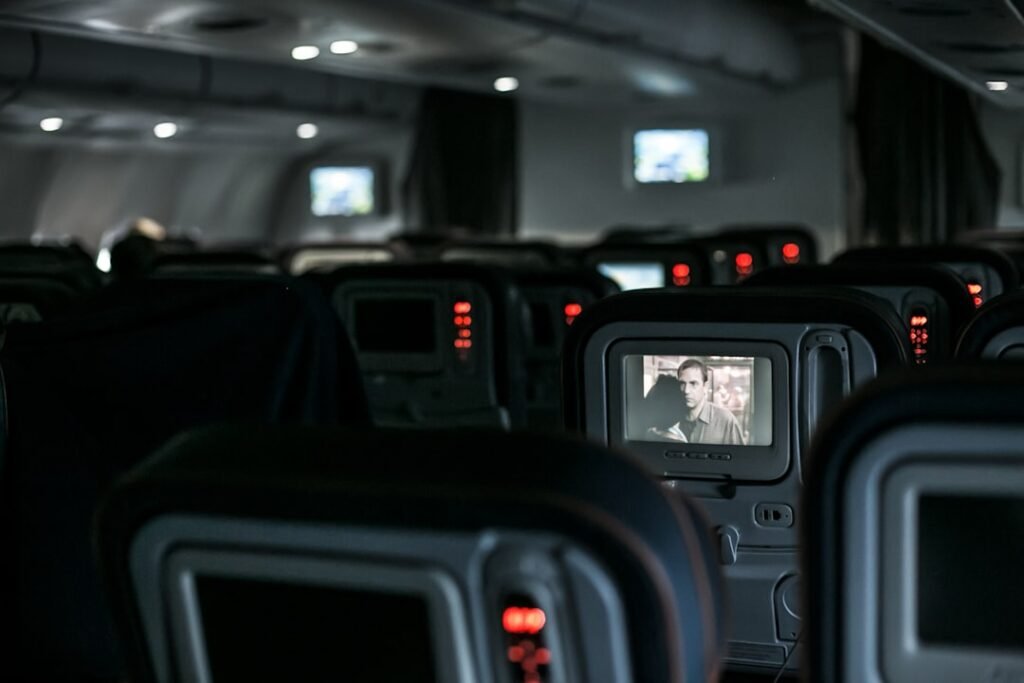
The term “seats left” on airline tickets refers to the number of available seats remaining at a specific price point on a flight, rather than the total number of empty seats on the plane. This figure is crucial for travelers as it provides insight into the flight’s capacity, demand, and pricing trajectory. When booking a flight, potential passengers often look for this information to gauge whether they should act quickly to secure their tickets or if they can afford to wait.
The number of seats left can fluctuate rapidly due to factors like the time of day, seasonality, and real-time booking activity. Understanding this metric involves recognizing how airlines categorize their inventory. Airlines use complex revenue management systems that allocate seats into different “fare classes” or buckets.
As seats in lower (cheaper) fare classes sell out, the “seats left” counter for that price drops. Once they are gone, the airline releases seats in higher fare classes, leading to increased prices. Therefore, seeing a “low number of seats left” typically indicates you are nearing the end of the inventory at the most economical rate.
Key Takeaways
- Inventory vs. Capacity: “Seats left” usually refers to the number of tickets available at the current price, not necessarily empty physical seats.
- Price Indicator: A low number of seats often signals an imminent price hike as the booking class fills up.
- Dynamic Factors: Seasonality, holidays, and route popularity can deplete seat inventory weeks in advance.
- Frequent Flyers: Elite status members should monitor availability for upgrade eligibility and reward seat inventory.
Factors That Affect the Number of “Seats Left”
Several factors influence the number of seats displayed as available, with traveler demand being the most significant. High-demand periods—such as holidays, school vacations, and major sporting events—lead to rapid depletion of available seats. For instance, flights to popular tourist destinations during summer break often show limited availability months in advance.
Conversely, flights during off-peak times may have a substantial number of seats left. Another critical factor is the airline’s pricing strategy. Airlines employ sophisticated algorithms to analyze booking patterns. If a route is selling faster than historical averages, the airline may restrict the number of “discount” seats released to maximize revenue from late-booking business travelers.
How “Seats Left” Affects Ticket Prices


The relationship between availability and cost is a fundamental aspect of airline economics. As the number of available seats in a specific fare bucket decreases, airlines raise prices to capitalize on demand. This is basic supply and demand; when fewer cheap seats are available, competition drives the price of the remaining inventory upward.
For example, a flight originally priced at $200 might display “3 seats left at this price.” Once those three are sold, the next available tickets might immediately jump to $350. Airlines may also lower prices or offer promotions if a flight has too many seats left close to the departure date, though this is less common on popular routes. Monitoring these numbers can help travelers decide whether to lock in a fare immediately.
Strategies for Booking Tickets with Limited “Seats Left”
When faced with limited availability, travelers can use specific strategies to secure reasonable prices:
| Strategy | Description |
|---|---|
| Book in advance | Secure tickets 1–3 months early to access the widest range of fare classes. |
| Use flexible dates | Shift travel by 1–2 days (e.g., flying Tuesday vs. Friday) to find better seat inventory. |
| Check alternative airports | Nearby regional airports may have flights with more capacity and lower demand. |
| Sign up for alerts | Use tools like Google Flights or Skyscanner to track price drops on specific routes. |
Setting up fare alerts is one of the most effective ways to combat scarcity. These alerts notify you instantly when inventory opens up or prices drop. Additionally, flexibility is key—shifting a flight from a peak Sunday evening to a Monday morning can often reveal a fresh block of “seats left” at a lower price.
The Importance of “Seats Left” for Frequent Flyers
For frequent flyers, this metric impacts loyalty benefits. Award miles availability is distinct from cash ticket availability. A flight might have “seats left” for cash buyers but zero seats allocated for reward bookings. Frequent flyers must monitor this closely, as airlines strictly limit the number of award seats per flight.
Furthermore, elite members hoping for upgrades rely on unsold inventory. If a business class cabin shows many “seats left” close to departure, the probability of a complimentary upgrade increases. Conversely, if the premium cabin is nearly full, elite members might choose to use upgrade certificates early rather than risking the waitlist.
How Airlines Manage “Seats Left” and Overbooking


Airlines use historical data to predict “no-show” rates—passengers who book but do not arrive. To ensure flights fly full, they often sell more tickets than there are physical seats. This practice, known as overbooking, helps airlines maximize revenue but can lead to “bumping” passengers.
If a flight shows zero seats left, it might actually be oversold. In these cases, airlines usually ask for volunteers to give up their seats in exchange for compensation. It is important to know your rights regarding bumping and oversales, as regulations vary by country. Understanding that “sold out” can sometimes mean “oversold” encourages travelers to check in as early as possible to secure their spot.
Tips for Maximizing Your Chances on a Full Flight
When “seats left” is critical, follow these tips to avoid being bumped:
- Check in early: Check in online exactly 24 hours before departure. The last passengers to check in are often the first to be bumped in an oversold situation.
- Select a seat assignment: Passengers with assigned seats are less likely to be involuntarily bumped than those with “seat assigned at gate” on their boarding pass.
- Arrive early: Be at the gate well before boarding begins. If you are not present when your group is called, your seat may be given to a standby passenger.
Understanding “seats left” is integral to navigating air travel. From influencing ticket prices to impacting upgrade chances, this data point is a vital tool for the savvy traveler. For more travel tips, consider checking out this guide on the benefits of using a portable WiFi hotspot for international travel.
FAQs
What does “seats left” mean on an airline ticket?
It refers to the number of seats available at that specific price or fare class, not necessarily the total empty seats on the plane. Airlines divide seats into different pricing buckets, so “3 seats left” usually means only three tickets remain at the current low fare.
Why is it important to know the number of seats left?
It helps you decide when to book. A low number suggests the current price is about to expire or increase. It also indicates how full the flight will be, which is important for travelers who prefer less crowded flights or need overhead bin space.
How does seat availability affect pricing?
It drives prices up. Airlines use dynamic pricing; as the supply of cheaper seats decreases, the software automatically begins selling the remaining seats at higher price points to maximize revenue.
Can the number of seats left change after booking?
Yes. Even if a flight appears sold out, seats can reappear if passengers cancel, miss connections, or get upgraded. Conversely, an airline may swap the aircraft for a smaller plane, reducing the total number of seats left.
Is “only 1 seat left” a scam?
Generally, no. It is an accurate reflection of the airline’s reservation system for that specific fare class. While it creates urgency, it is usually based on real inventory data for that specific price point.