


Spring in many regions, particularly in the Southern Hemisphere, is a time of renewal and vibrant life. As the months of September through November unfold, the landscape transforms dramatically. Flowers bloom in a riot of colors, trees regain their lush foliage, and the air is filled with the sweet scent of blossoms.
This season is characterized by moderate temperatures, making it an ideal time for outdoor activities and exploration. In countries like Australia and New Zealand, spring heralds the arrival of various festivals celebrating the beauty of nature and the joy of new beginnings. During this period, many regions experience a surge in wildlife activity.
Birds return from their migratory journeys, filling the skies with their songs, while mammals emerge from hibernation. In places like the Australian bush, one can witness the birth of kangaroo joeys and the playful antics of young koalas. The Great Barrier Reef also comes alive as marine life begins its reproductive cycles, offering divers and snorkelers a chance to witness spectacular underwater displays.
Spring is not just a season; it is a vibrant tapestry of life that invites exploration and appreciation.
Key Takeaways
- Spring (September to November)
- Mild temperatures and blooming flowers make it a great time for outdoor activities and wildlife viewing.
- Ideal for hiking and exploring nature reserves.
- Perfect for cultural festivals and events, such as spring flower festivals and food fairs.
- Great for beach holidays with warm but not too hot weather.
- Wildlife viewing is at its peak with many animals coming out of hibernation or migrating.
- Summer (December to February)
- Hot temperatures make it perfect for beach holidays and water activities.
- Ideal for outdoor activities such as surfing, snorkeling, and diving.
- Many cultural festivals and events take place during this time, offering a vibrant atmosphere.
- Wildlife viewing is still possible, especially in coastal areas and national parks.
- Perfect time for exploring the underwater world with clear visibility for diving and snorkeling.
- Autumn (March to May)
- Mild temperatures and colorful foliage make it a great time for outdoor activities and wildlife viewing.
- Ideal for hiking and exploring national parks to see the changing colors of the leaves.
- Perfect for cultural festivals and events, such as harvest festivals and art exhibitions.
- Great for beach holidays with comfortable temperatures and fewer crowds.
- Wildlife viewing is still possible, especially for birdwatching as many species migrate during this time.
- Winter (June to August)
- Cool temperatures make it ideal for outdoor activities such as hiking and mountain biking.
- Perfect for wildlife viewing, especially in colder regions where animals are more active.
- Many cultural festivals and events take place during this time, offering a unique winter experience.
- Great for beach holidays in warmer regions with comfortable temperatures for swimming and sunbathing.
- Ideal for exploring snow-covered landscapes and enjoying winter sports.
- Wildlife viewing
- Spring and autumn are the best times for wildlife viewing, with many animals being active and visible.
- Coastal areas and national parks are great for spotting a variety of wildlife, including birds, marine life, and land animals.
- Guided tours and safaris offer unique opportunities to see wildlife in their natural habitats.
- Different seasons offer different wildlife viewing experiences, from migration to mating rituals.
- Patience and respect for the animals’ natural behavior are key to successful wildlife viewing.
- Beach holidays
- Summer is the perfect time for beach holidays, with hot temperatures and ideal conditions for water activities.
- Winter is great for beach holidays in warmer regions, offering a unique winter beach experience.
- Spring and autumn offer comfortable temperatures and fewer crowds for a relaxing beach getaway.
- Coastal areas with pristine beaches and clear waters are ideal for beach holidays.
- Beach resorts and accommodations offer a range of amenities and activities for a memorable beach holiday experience.
- Cultural festivals and events
- Different seasons offer a variety of cultural festivals and events, from spring flower festivals to winter celebrations.
- Local food fairs, music festivals, and art exhibitions showcase the unique culture and traditions of the destination.
- Many cultural festivals and events take place in outdoor settings, offering a vibrant and festive atmosphere.
- Participating in cultural festivals and events provides a deeper understanding of the local customs and traditions.
- Planning a trip around specific cultural festivals and events can enhance the overall travel experience.
- Outdoor activities
- Different seasons offer a variety of outdoor activities, from hiking and mountain biking to water sports and winter sports.
- National parks, nature reserves, and coastal areas provide ideal settings for outdoor activities.
- Guided tours and adventure activities offer unique opportunities to explore the natural landscapes and wildlife.
- Different seasons offer different outdoor experiences, from blooming flowers to snow-covered landscapes.
- Safety precautions and proper gear are essential for enjoying outdoor activities in different seasons.
Summer (December to February)
As the calendar turns to December, summer arrives with its own unique charm and allure. This season is synonymous with warmth, sunshine, and a plethora of outdoor activities. In many parts of the world, particularly in tropical regions, summer is characterized by long days filled with bright sunlight and balmy evenings.
Coastal areas become bustling hubs of activity as families flock to beaches to soak up the sun, build sandcastles, and enjoy water sports. The ocean beckons with its refreshing waves, providing an escape from the heat. Summer also brings with it a rich array of cultural experiences.
Many communities celebrate their heritage through festivals that showcase local music, dance, and cuisine. For instance, in Australia, the Sydney Festival in January attracts thousands with its diverse program of performances and art installations. Similarly, in South America, the Carnival season reaches its peak during this time, with vibrant parades and lively street parties that reflect the region’s rich cultural tapestry.
The energy of summer is palpable, as people come together to celebrate life, art, and community.
Autumn (March to May)
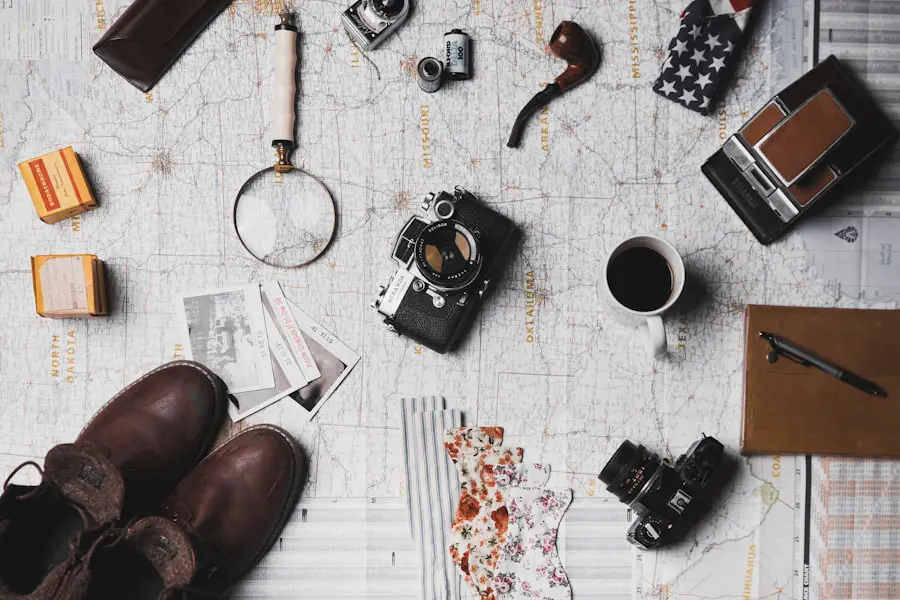
As summer fades into autumn from March to May, a transformation occurs that captivates the senses. The air becomes crisp, and leaves turn brilliant shades of red, orange, and gold before falling to the ground. This season is often associated with harvest time, as farmers gather crops and prepare for the winter months ahead.

In many cultures, autumn is a time for reflection and gratitude, celebrated through various festivals that honor the bounty of the earth. In regions like New England in the United States, autumn is particularly enchanting as tourists flock to witness the stunning fall foliage. Scenic drives through winding roads lined with trees ablaze in color create picturesque views that are nothing short of breathtaking.
Additionally, autumn offers a plethora of outdoor activities such as apple picking and pumpkin carving, which engage families and communities in seasonal traditions. The cooler temperatures also make it an ideal time for hiking and exploring nature trails, where one can experience the beauty of changing landscapes firsthand.
Winter (June to August)
| Month | Temperature (°C) | Precipitation (mm) | Snowfall (cm) |
|---|---|---|---|
| June | 10 | 50 | 0 |
| July | 8 | 40 | 0 |
| August | 7 | 45 | 0 |
Winter casts its spell from June to August in many parts of the world, bringing with it a serene beauty that is both stark and enchanting. Snow blankets landscapes in regions like Canada and Scandinavia, transforming them into winter wonderlands. The chill in the air invites cozy gatherings by the fireplace, hot cocoa in hand, while outdoor enthusiasts embrace the cold with activities such as skiing, snowboarding, and ice skating.
The allure of winter sports draws adventurers to mountain resorts where they can experience thrilling descents down powdery slopes. In addition to recreational activities, winter is also a time for celebration. Many cultures have festivals that embrace the season’s spirit.
For instance, Christmas markets spring up across Europe, offering festive treats and handcrafted goods amidst twinkling lights and holiday cheer. In Japan, the Sapporo Snow Festival showcases incredible ice sculptures and attracts visitors from around the globe. Winter is not merely a season of cold; it is a time for connection—whether through shared experiences on the slopes or festive gatherings that warm the heart.
Wildlife viewing
Wildlife viewing offers an unparalleled opportunity to connect with nature and observe animals in their natural habitats. Each season presents unique opportunities for wildlife enthusiasts to witness different species as they engage in their natural behaviors. In spring, for example, migratory birds return to their breeding grounds, making it an ideal time for birdwatching enthusiasts to spot rare species as they build nests and raise their young.
Locations such as national parks or wildlife reserves become hotspots for those eager to capture glimpses of these avian wonders. Summer brings its own set of wildlife spectacles as animals are often more active during this warmer season. In places like Yellowstone National Park in the United States, visitors can observe bison roaming freely across vast plains or catch sight of grizzly bears foraging for food before hibernation sets in.
Marine wildlife also flourishes during summer months; whale watching tours off the coasts of California or Alaska provide unforgettable experiences as these majestic creatures breach the surface of the ocean. The thrill of witnessing wildlife in action creates lasting memories that deepen our appreciation for biodiversity.
Beach holidays
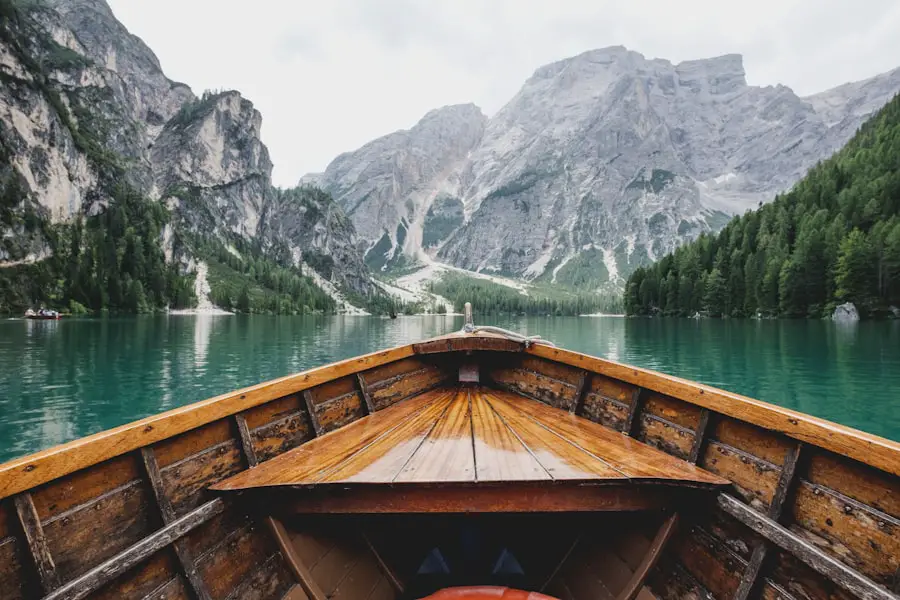
Unique Charm and Activities
From the pristine beaches of Bali to the vibrant shores of Miami Beach, each location offers its own distinct charm and activities that appeal to diverse interests.
Water Sports and Marine Life
In addition to lounging under palm trees or building sandcastles with family, beach holidays often provide opportunities for water sports such as surfing, snorkeling, or paddleboarding. The Caribbean islands are particularly renowned for their crystal-clear waters teeming with marine life; snorkeling excursions allow visitors to explore vibrant coral reefs while swimming alongside colorful fish.
Cultural Experiences and Natural Beauty
Beach holidays also serve as a backdrop for cultural experiences—local festivals celebrating music or cuisine often take place along coastal areas during peak tourist seasons. The combination of natural beauty and cultural richness makes beach holidays an enticing option for travelers seeking both relaxation and adventure.
Cultural festivals and events
Cultural festivals and events are vibrant expressions of community identity that celebrate heritage through music, dance, art, and cuisine. These gatherings provide insight into local traditions while fostering connections among participants from diverse backgrounds. Throughout the year, various festivals take place around the globe—each offering unique experiences that reflect regional customs.
For instance, Diwali—the Festival of Lights—celebrated by millions across India and beyond showcases elaborate decorations, fireworks displays, and communal feasts that symbolize victory over darkness. Similarly, Oktoberfest in Germany draws millions who come together to enjoy traditional beer brews alongside hearty German fare while reveling in folk music and dance performances. These events not only highlight cultural pride but also promote tourism by attracting visitors eager to immerse themselves in authentic experiences.
Outdoor activities
Outdoor activities encompass a wide range of pursuits that allow individuals to engage with nature while promoting physical well-being. From hiking through scenic trails to cycling along coastal paths or kayaking on tranquil lakes—there is no shortage of options for those seeking adventure outside. Each season offers distinct opportunities for outdoor enthusiasts to explore diverse landscapes.
In springtime, blooming wildflowers create picturesque backdrops for hiking adventures in national parks like Zion or Yosemite in the United States. As temperatures rise during summer months, water-based activities such as rafting down rivers or sailing on open waters become popular choices for thrill-seekers looking to cool off while enjoying breathtaking views. Autumn invites nature lovers to embark on scenic bike rides through colorful foliage or partake in harvest festivals featuring apple picking or vineyard tours—each experience connecting participants with local agriculture and traditions.
Winter transforms outdoor activities into exhilarating experiences; skiing down snow-covered slopes or snowshoeing through serene forests allows individuals to embrace the beauty of winter landscapes while staying active. Whether it’s scaling mountains or simply enjoying leisurely walks along nature trails—outdoor activities foster a sense of adventure while promoting mental well-being through connection with nature’s wonders.
FAQs
What is the best time to travel to South Africa?
The best time to travel to South Africa is during the dry season, which is from May to September. This is when the weather is cooler and there is less rainfall, making it ideal for wildlife viewing and outdoor activities.
What is the weather like in South Africa during the best time to travel?
During the dry season, the weather in South Africa is generally mild and dry, with temperatures ranging from 50°F to 70°F (10°C to 20°C). This makes it comfortable for outdoor activities and wildlife viewing.
What are the popular attractions to visit in South Africa during the best time to travel?
Popular attractions to visit in South Africa during the best time to travel include Kruger National Park for wildlife safaris, Cape Town for its beautiful beaches and iconic Table Mountain, and the Garden Route for scenic drives and outdoor adventures.
Are there any specific events or festivals to attend during the best time to travel to South Africa?
During the best time to travel to South Africa, visitors can attend the Knysna Oyster Festival in July, the National Arts Festival in Grahamstown in June/July, and the Cape Town International Jazz Festival in March/April.
What should I pack for a trip to South Africa during the best time to travel?
It is recommended to pack lightweight clothing for the warm days and layers for the cooler evenings. Additionally, it is important to pack sunscreen, a hat, and insect repellent for outdoor activities.