


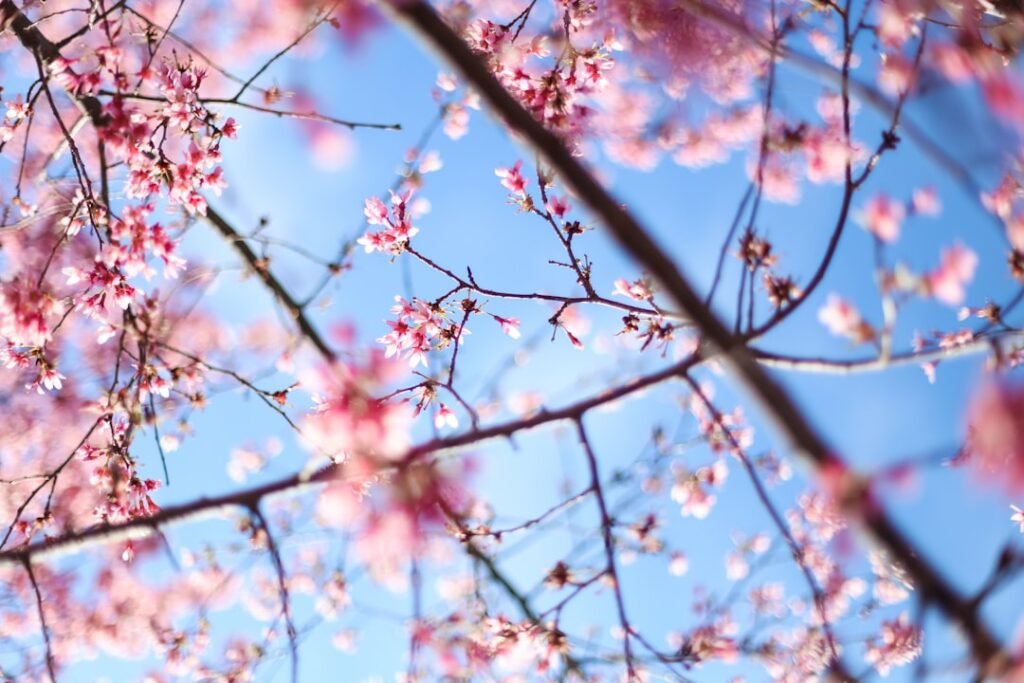
Washington State is great in every season. Spring has tulips and loud waterfalls. Summer is best for mountain hikes and clear views. Fall brings crisp air, harvest trips, and golden larches. Winter is for skiing, snowshoeing, and stormy beach days.
Most travelers get the best all-around trip in July through September, when many mountain trails are open and days are long. Visit in April for tulips and other lowland blooms, late September to mid-October for fall color, and December through March for snow sports in the Cascades.
Key takeaways
- July–September: best overall for hiking, islands, and national parks.
- April: tulips, city blossoms, and strong waterfall flow.
- Late September–mid-October: fall color (including larches) and harvest season.
- December–March: skiing and snow play; check mountain pass reports before you drive.

Best time to go by season
| When | Go for | Keep in mind |
|---|---|---|
| March–May | Tulips, waterfalls, city breaks | Bring a rain jacket. High trails may still be snowed in. |
| June | Early hikes, fewer crowds | Some mountain roads open late. Check trail reports. |
| July–September | High hikes, islands, camping | Peak crowds and prices. Book rooms and ferries early. |
| Late September–October | Fall color and harvest | Days get shorter fast. Early snow can hit the peaks. |
| November–March | Skiing and winter getaways | It is wetter on the west side. Pass travel can change fast. |
Spring: March to May
Tulips and lowland blooms
The Skagit Valley Tulip Festival runs April 1–30 each year. Bloom timing changes with the weather, so plan a little extra time and keep your schedule loose.
Skagit Valley Tulip Festival FAQs and bloom tips
Waterfalls in full flow
Spring rain and snowmelt can make waterfalls feel bigger. Snoqualmie Falls (about 268 feet tall) is a classic day trip from Seattle, with viewpoints and short paths.
Summer: June to September
Hiking, lakes, and islands
Summer is the easiest time to plan outdoor days. You can hike, kayak, camp, and explore the San Juan Islands with fewer weather surprises.
Mount Rainier wildflower season
Mount Rainier’s subalpine meadows usually look best from mid-July into early August. Check park updates before you plan a trip around peak bloom.
Mount Rainier wildflower status (NPS)
Fall: September to November
Fall color and larches
Early fall often brings clear skies and cool days. High-elevation larches can turn gold from late September into mid-October, but timing can shift each year.
| Area | Typical window | Highlights |
|---|---|---|
| North Cascades high country | Late September–mid-October | Larches and big views |
| Alpine Lakes (near Leavenworth) | Late September–early October | Larch hikes and alpine lakes |
| Walla Walla & Yakima Valley | September–October | Wine tasting and harvest events |
| Columbia River Gorge (WA side) | Mid-October | Maples and river views |
Late summer and early fall events
Many big local events are set for late August and September. If you want a “festivals plus good weather” trip, this is a strong window.
Winter: December to March
Skiing and snowboarding
Winter is the time for Cascade snow sports. Road conditions can change quickly. Check pass reports before you drive, and follow chain and traction rules. For a holiday town vibe, Leavenworth’s Village of Lights runs from late November into winter.
Washington mountain pass reports and winter travel tips (WSDOT)
Snowshoeing and Nordic trails
For a quieter winter trip, look for groomed Nordic routes and snowshoe areas in North Central Washington. Hurricane Ridge in Olympic National Park can also be a good snow-day spot when the winter road is open.
Year-round attractions
Seattle is a good base in any season. So are many small coastal towns. The San Juan Islands are busiest in summer, but spring and fall can feel calm if you pack for wind and rain.
Tips for traveling in each season
- Spring: wear layers and bring waterproof shoes.
- Summer: start hikes early and carry plenty of water.
- Fall: pack a warm layer for evenings and mornings.
- Winter: watch road alerts and expect pass closures in storms.
Gear note for backpackers
If you camp or backpack, a small solar charger can help on multi-day trips. See our guide to choosing a solar charger for backpacking.
Choosing the best time to visit Washington State
For the easiest planning, aim for July through September. For fewer crowds and cooler days, try early fall. For a single must-see highlight—tulips, wildflowers, fall color, or skiing—pick your window first, then build the rest of the trip around it.
FAQs
What is the best time to visit Washington State for outdoor activities?
July through September is usually best, because more mountain trails are open and the days are longest.
When is the best time to see tulips in Washington?
April is the prime month for tulips in the Skagit Valley, but bloom timing changes with weather, so keep your plans flexible.
When do Mount Rainier wildflowers peak?
In many years, the best wildflowers are from mid-July into early August, depending on snowpack and summer temperatures.
When is the best time for fall colors in Washington?
Late September through October is the most common window, with high-elevation larches often peaking in late September to mid-October.
Is winter a good time to visit Washington State?
Yes, if you want skiing or snowshoeing. It can also be great for city trips. Expect wetter weather on the west side and always check mountain pass reports for road updates.