


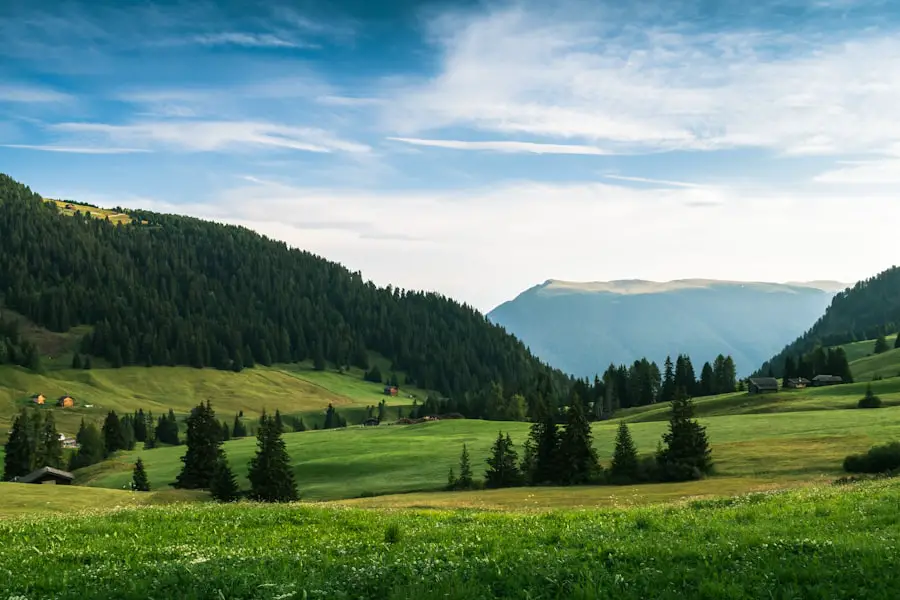
Understanding the weather and climate of a destination is crucial for travelers seeking to optimize their experience. Weather refers to the short-term atmospheric conditions, including temperature, humidity, precipitation, and wind, while climate encompasses the long-term patterns and averages of these elements over extended periods. For instance, a region may experience a temperate climate characterized by four distinct seasons, or it may be situated in a tropical zone with minimal temperature variation throughout the year.
The interplay between these factors can significantly influence travel plans, as certain activities are best suited to specific weather conditions. In many destinations, the climate can vary dramatically from one season to another. For example, coastal areas may enjoy mild winters and warm summers, making them ideal for beachgoers during the summer months.
Conversely, mountainous regions may experience heavy snowfall in winter, attracting skiers and snowboarders. Travelers should consider not only the average temperatures but also the likelihood of rain or storms, which can impact outdoor activities. For instance, visiting a rainforest during its wet season may lead to challenges such as muddy trails and limited visibility, while the dry season offers clearer skies and more accessible paths.
Key Takeaways
- Weather and Climate
- The weather is generally mild and pleasant, with warm summers and cool winters.
- Rainfall is moderate throughout the year, with occasional thunderstorms in the summer months.
- Peak Tourist Season
- The peak tourist season is during the summer months, from June to August.
- Expect crowded attractions and higher prices for accommodation and activities during this time.
- Off-Peak Season
- The off-peak season is in the spring and fall, from April to May and September to October.
- This is a great time to visit for fewer crowds, lower prices, and comfortable weather.
- Events and Festivals
- There are several events and festivals throughout the year, including music festivals in the summer and harvest festivals in the fall.
- Check the event calendar for specific dates and plan your visit accordingly.
- Budget-Friendly Travel
- Off-peak season offers the best opportunity for budget-friendly travel, with lower prices for accommodation and activities.
- Consider booking in advance and looking for deals to save money on your trip.
- Outdoor Activities
- The region offers a variety of outdoor activities, including hiking, biking, and water sports.
- Take advantage of the mild weather and beautiful scenery to explore the outdoors.
- Accommodation Availability
- Accommodation is readily available throughout the year, but it’s best to book in advance during the peak tourist season.
- Consider staying in smaller towns or villages for a more authentic experience.
- Safety and Security
- The region is generally safe for tourists, but it’s always important to be aware of your surroundings and take necessary precautions.
- Keep an eye on local news and travel advisories for any potential safety concerns.
Peak Tourist Season
Challenges of Peak Season Travel
During this time, popular attractions can become overcrowded, leading to longer wait times and a less intimate experience. Traveling during peak season can also result in higher prices for accommodations and activities. Hotels often raise their rates to capitalize on the increased demand, and popular restaurants may require reservations well in advance.
The Upside of Peak Season
However, the vibrant atmosphere created by a bustling crowd can enhance the travel experience for some visitors. Festivals, street performances, and cultural events are more likely to occur during this time, providing travelers with unique opportunities to engage with local culture.
Who Benefits from Peak Season Travel
For those who thrive in lively environments, peak season can be an exhilarating time to explore a destination.
Off-Peak Season

In contrast to peak season, the off-peak season is characterized by fewer tourists and often more favorable prices for accommodations and activities.
This period typically occurs during times of less favorable weather or outside of school holiday schedules.
For instance, many beach destinations see a decline in visitors during the fall and winter months when temperatures drop and the risk of storms increases.
However, this quieter time can offer a more authentic experience, allowing travelers to interact with locals without the distractions of large crowds. Traveling during the off-peak season can also provide opportunities for deeper exploration. With fewer tourists around, visitors may find it easier to secure reservations at sought-after restaurants or gain access to popular attractions without long lines.
Additionally, many destinations offer special promotions or discounts during this time to attract visitors. For example, museums may have reduced admission fees or hotels may offer package deals that include meals or guided tours. This affordability can make travel more accessible for budget-conscious individuals or families.
Events and Festivals
| Event Name | Date | Location | Attendance |
|---|---|---|---|
| Coachella Music Festival | April 10-19, 2020 | Indio, California | 250,000 |
| Oktoberfest | September 19 – October 4, 2020 | Munich, Germany | 6 million |
| Mardi Gras | February 25, 2020 | New Orleans, Louisiana | 1.4 million |
Events and festivals play a significant role in shaping the cultural landscape of a destination and can greatly enhance a travel experience. Many cities host annual celebrations that showcase local traditions, cuisine, music, and art. For instance, the Carnival in Rio de Janeiro is renowned for its vibrant parades featuring elaborate costumes and samba music, drawing millions of visitors each year.
Such events not only provide entertainment but also offer insights into the cultural heritage of a place. Participating in local festivals can create lasting memories and foster connections with residents. Travelers who attend events like Oktoberfest in Munich or Diwali celebrations in India often find themselves immersed in the local culture, sharing experiences with both locals and fellow travelers.
These gatherings can also serve as an opportunity to sample traditional foods and beverages unique to the region. Engaging with local customs during festivals allows visitors to appreciate the nuances of a destination beyond its typical tourist attractions.
Budget-Friendly Travel
Traveling on a budget does not mean sacrificing quality or enjoyment; rather, it requires strategic planning and resourcefulness. One effective way to save money is by traveling during the off-peak season when prices for flights and accommodations tend to be lower. Additionally, many attractions offer discounted rates or free admission on certain days of the week or during specific hours.
Researching these opportunities ahead of time can lead to significant savings. Another budget-friendly approach is to explore local dining options rather than relying solely on tourist-oriented restaurants. Street food markets and local eateries often provide authentic cuisine at a fraction of the cost of upscale dining establishments.
Engaging with locals can also yield valuable recommendations for hidden gems that may not be widely advertised but offer exceptional food experiences. Furthermore, utilizing public transportation instead of taxis or rental cars can help travelers navigate a city affordably while gaining a more authentic perspective on daily life.
Outdoor Activities
Outdoor activities are often a highlight for travelers seeking adventure and connection with nature. Depending on the destination’s geography and climate, options may range from hiking and biking to water sports and wildlife watching. For instance, national parks in the United States offer extensive trail systems that cater to various skill levels, allowing visitors to explore stunning landscapes while enjoying physical activity.
The breathtaking views from mountain summits or along coastal cliffs can create unforgettable experiences. Water-based activities also attract many outdoor enthusiasts. Destinations with lakes, rivers, or oceans provide opportunities for kayaking, paddleboarding, snorkeling, or scuba diving.
For example, the Great Barrier Reef in Australia is famous for its vibrant marine life and coral formations, making it a prime location for underwater exploration. Engaging in outdoor activities not only promotes physical well-being but also fosters a sense of adventure and discovery that enriches travel experiences.
Accommodation Availability
Accommodation availability can significantly impact travel plans and overall experiences. Popular tourist destinations often have a wide range of lodging options, from luxury hotels to budget hostels and vacation rentals. However, during peak tourist seasons or major events, securing accommodations can become challenging due to high demand.
Travelers are advised to book their stays well in advance to ensure they find suitable options that meet their preferences and budget. In contrast, off-peak seasons typically offer greater flexibility regarding accommodation choices. Many hotels may have lower occupancy rates during these times, leading to potential upgrades or special offers for guests.
Additionally, travelers may find it easier to negotiate rates or secure last-minute deals as properties seek to fill their rooms. Exploring alternative lodging options such as guesthouses or homestays can also provide unique experiences while supporting local economies.
Safety and Security
Safety and security are paramount considerations for travelers venturing into new environments. Understanding local laws, customs, and potential risks is essential for ensuring a safe trip. Researching crime rates in specific areas can help travelers make informed decisions about where to stay and explore.
Additionally, being aware of common scams targeting tourists can prevent unpleasant experiences. Travelers should also prioritize personal safety by taking precautions such as securing valuables and avoiding poorly lit areas at night. Many destinations have resources available for tourists seeking assistance or information about safety concerns.
Engaging with local authorities or tourism boards can provide valuable insights into safe practices while traveling. Ultimately, being proactive about safety enhances peace of mind and allows travelers to focus on enjoying their adventures without unnecessary worry.
If you are planning a trip to St. Thomas in the Virgin Islands, you may want to consider the best time to visit. According to a recent article on TakeTravelInfo, the best time to travel to St. Thomas is during the winter months when the weather is mild and the crowds are smaller. This article provides valuable information on the ideal time to visit this beautiful destination to make the most of your vacation experience.
FAQs
What is the best time to travel to St. Thomas, Virgin Islands?
The best time to visit St. Thomas, Virgin Islands is during the winter months of December to March when the weather is dry and temperatures are comfortable.
What is the weather like in St. Thomas, Virgin Islands during the best time to travel?
During the best time to travel to St. Thomas, Virgin Islands, the weather is typically warm and sunny with temperatures ranging from the mid-70s to low 80s Fahrenheit.
Are there any events or festivals during the best time to travel to St. Thomas, Virgin Islands?
The best time to travel to St. Thomas, Virgin Islands coincides with the Carnival season, which includes parades, music, and cultural events in late April and early May.
Is it crowded during the best time to travel to St. Thomas, Virgin Islands?
The winter months, which are the best time to travel to St. Thomas, Virgin Islands, can be crowded with tourists. It is advisable to book accommodations and activities in advance.
Are there any drawbacks to traveling to St. Thomas, Virgin Islands during the best time?
The main drawback of traveling to St. Thomas, Virgin Islands during the best time is the higher prices for accommodations and activities due to the peak tourist season.