


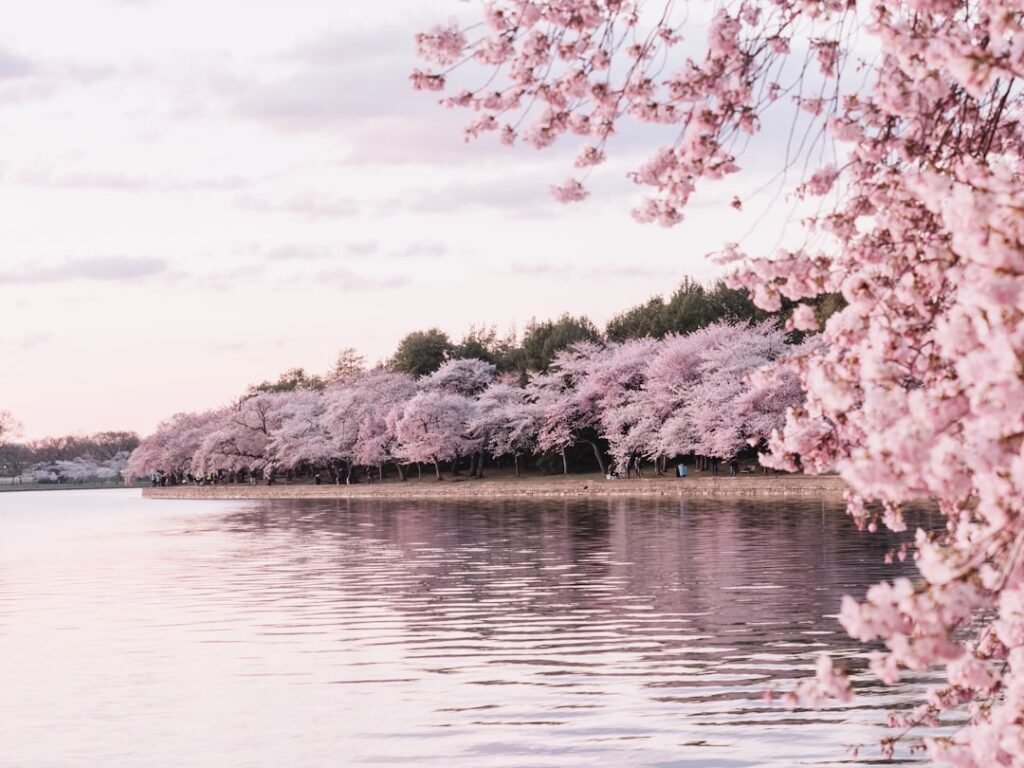
As winter recedes and the days grow longer, spring emerges as a vibrant tapestry of colors, particularly marked by the enchanting cherry blossom season. In many parts of the world, particularly in Japan, the arrival of cherry blossoms, or sakura, is a highly anticipated event that draws both locals and tourists alike. The delicate pink and white petals create a breathtaking spectacle, transforming parks and streets into ethereal landscapes.
Hanami, the traditional practice of enjoying the transient beauty of flowers, becomes a cultural phenomenon during this time. Families and friends gather under blooming cherry trees, sharing picnics and celebrating the fleeting nature of life, which is poignantly symbolized by the blossoms. The cherry blossom season typically peaks in late March to early April, depending on the region and climate conditions.
Cities like Tokyo, Kyoto, and Washington D.host numerous festivals that celebrate this natural wonder. In Japan, the Yoshino cherry trees are particularly famous, with thousands of visitors flocking to Nara Park and Ueno Park to witness their breathtaking bloom. The atmosphere is filled with laughter, music, and the aroma of traditional foods such as sakura mochi, a sweet rice cake wrapped in cherry leaves.
The ephemeral beauty of the blossoms serves as a reminder of the impermanence of life, a theme deeply rooted in Japanese culture and philosophy.
Key Takeaways
- Spring: Cherry Blossom Season
- Cherry blossom season in spring is a beautiful time to visit Japan, South Korea, and other parts of Asia.
- The blooming cherry blossoms create a stunning backdrop for photography and leisurely strolls.
- It’s a popular time for tourists, so be prepared for crowds and book accommodations in advance.
- Summer: Beaches and Festivals
- Summer is the perfect time to hit the beaches in Southeast Asia and enjoy vibrant festivals in Japan and South Korea.
- From the pristine shores of Thailand to the lively beach parties in Bali, there’s something for every beach lover.
- Don’t miss out on the exciting summer festivals, such as the Gion Matsuri in Kyoto and the Boryeong Mud Festival in South Korea.
- Autumn: Foliage and Harvest Festivals
- Autumn brings stunning foliage and harvest festivals to destinations like Japan, South Korea, and China.
- The vibrant colors of the autumn leaves make for breathtaking scenery, especially in places like Nara and Nikko.
- Indulge in local delicacies and participate in traditional harvest festivals for an authentic cultural experience.
- Winter: Skiing and Snow Festivals
- Winter is the perfect time for skiing and snow festivals in destinations like Hokkaido, South Korea, and China.
- Hit the slopes and enjoy the powdery snow, or immerse yourself in the festive atmosphere of snow festivals.
- Don’t forget to try hot pot and other warming dishes to keep the cold at bay.
- Lunar New Year: Traditional Celebrations
- Lunar New Year is a time of traditional celebrations and cultural festivities in many Asian countries.
- Experience the vibrant parades, dragon dances, and fireworks that mark the beginning of the lunar calendar.
- It’s a great opportunity to immerse yourself in local traditions and sample special New Year’s dishes.
- Monsoon Season: Rainy but Refreshing
- Monsoon season brings heavy rainfall to parts of Asia, but it also offers a refreshing break from the heat.
- Embrace the lush green landscapes and take advantage of off-peak prices and fewer crowds.
- Pack accordingly with waterproof gear and be prepared for occasional disruptions to travel plans.
- Shoulder Seasons: Less Crowds, Pleasant Weather
- Shoulder seasons in Asia offer pleasant weather and fewer crowds, making it an ideal time to visit.
- Enjoy comfortable temperatures and take advantage of off-peak prices for accommodations and attractions.
- It’s a great opportunity to explore popular destinations without the hustle and bustle of peak tourist season.
- Off-Peak Travel: Budget-Friendly Options
- Off-peak travel in Asia provides budget-friendly options for accommodations, flights, and activities.
- Take advantage of discounted rates and special promotions during off-peak times.
- It’s a great way to experience the best of Asia without breaking the bank.
Summer: Beaches and Festivals
As spring gives way to summer, the world transforms into a playground of sun-soaked beaches and vibrant festivals. Coastal destinations come alive with tourists eager to bask in the warmth of the sun and enjoy the refreshing embrace of ocean waves. From the pristine shores of Bali to the lively beaches of Miami, summer offers an array of experiences that cater to every type of traveler.
Beachgoers can indulge in water sports such as surfing, snorkeling, and paddleboarding, while others may prefer lounging on the sand with a good book or enjoying beachside cocktails. Summer is also synonymous with festivals that celebrate culture, music, and food. Events like the Rio Carnival in Brazil showcase extravagant parades filled with samba dancers adorned in colorful costumes, while music festivals such as Coachella in California attract global audiences with performances from top artists across various genres.
In Europe, cities like Barcelona host street festivals that feature local cuisine, art exhibitions, and live performances that reflect the region’s rich heritage. These summer festivities not only provide entertainment but also foster a sense of community as people come together to celebrate shared traditions and experiences.
Autumn: Foliage and Harvest Festivals
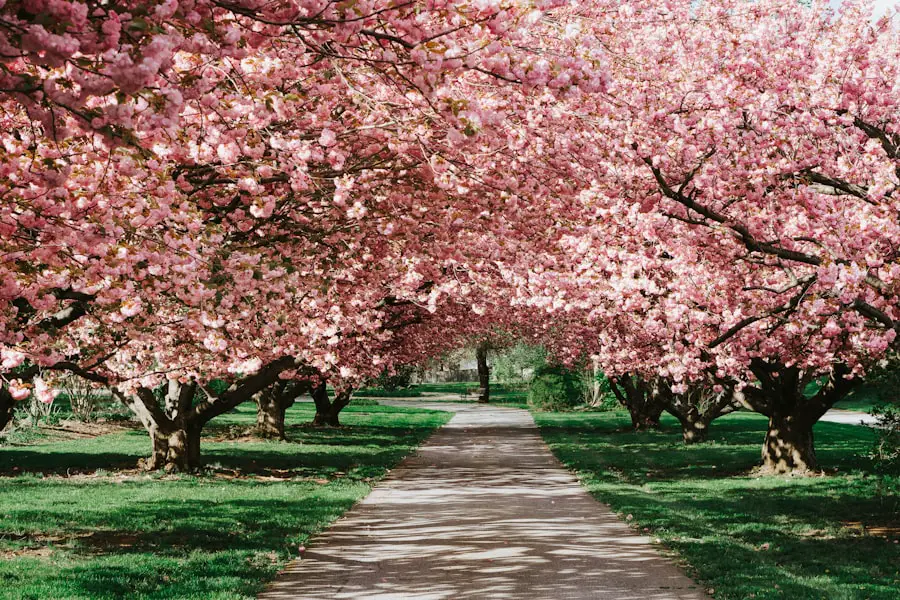

As summer fades into autumn, nature dons its most vibrant attire, showcasing a stunning array of colors as leaves transition from green to shades of red, orange, and gold. This seasonal transformation is particularly celebrated in regions known for their fall foliage, such as New England in the United States or the Canadian Rockies. Scenic drives through tree-lined roads become popular as visitors seek to immerse themselves in the breathtaking beauty of autumn landscapes.
Hiking trails offer opportunities for outdoor enthusiasts to witness nature’s artistry up close while enjoying crisp air and the earthy scent of fallen leaves. Autumn is also synonymous with harvest festivals that pay homage to agricultural traditions and local produce. In many cultures, this season marks a time of gratitude for bountiful crops.
Events like Oktoberfest in Germany celebrate not only beer but also local food specialties such as pretzels and sausages. In the United States, pumpkin patches become popular destinations for families looking to pick their own pumpkins for Halloween decorations or baking pies. Apple picking is another cherished autumn activity, with orchards inviting visitors to savor fresh cider and homemade treats.
These harvest festivals create a sense of connection to the land and its bounty while fostering community spirit through shared celebrations.
Winter: Skiing and Snow Festivals
| Destination | Average Snowfall (inches) | Number of Ski Slopes | Number of Snow Festivals |
|---|---|---|---|
| Aspen, Colorado | 300 | 94 | 8 |
| Whistler, Canada | 360 | 200 | 12 |
| Chamonix, France | 330 | 150 | 6 |
As autumn gives way to winter, a new realm of adventure unfolds in snowy landscapes across the globe. Winter sports enthusiasts eagerly anticipate ski season, flocking to mountain resorts where powdery slopes beckon for exhilarating descents. Destinations like Aspen in Colorado or Whistler in Canada offer world-class skiing experiences complemented by luxurious accommodations and après-ski activities.
Skiing not only provides an adrenaline rush but also fosters camaraderie among friends and families who share the thrill of gliding down slopes together. In addition to skiing, winter brings forth a plethora of snow festivals that celebrate the beauty and joy of the season. Events like the Sapporo Snow Festival in Japan showcase intricate ice sculptures that captivate visitors with their artistry and creativity.
Similarly, Quebec City hosts its Winter Carnival, where visitors can partake in activities ranging from ice skating to snow tubing while enjoying live music and delicious winter treats like poutine. These festivals highlight the unique charm of winter, transforming cold weather into an opportunity for celebration and community engagement.
Lunar New Year: Traditional Celebrations
The Lunar New Year marks one of the most significant cultural celebrations across various Asian communities worldwide. This festival typically falls between late January and mid-February and is characterized by vibrant traditions that honor family ties and cultural heritage. Preparations for Lunar New Year often begin weeks in advance, with families cleaning their homes to sweep away bad luck and decorating with red lanterns and banners symbolizing prosperity and good fortune.
During this festive period, families gather for reunion dinners on New Year’s Eve, where traditional dishes are served to symbolize abundance and happiness. The following days are filled with various customs such as giving red envelopes containing money to children as a gesture of good luck. Parades featuring lion dances and fireworks light up city streets, creating an atmosphere of joy and excitement.
In places like Chinatown in San Francisco or Sydney’s Lunar New Year Festival, thousands come together to celebrate with food stalls offering delicacies like dumplings and mooncakes while enjoying cultural performances that showcase traditional music and dance.
Monsoon Season: Rainy but Refreshing

Transforming Landscapes
The arrival of monsoons transforms dry fields into lush green expanses, breathing life into flora and fauna alike. The once-barren landscapes are now teeming with life, and the air is filled with the sweet scent of wet earth.
Unique Travel Experiences
Traveling during monsoon season offers unique experiences for those willing to embrace the rain. In India, hill stations like Munnar or Mahabaleshwar become popular retreats where visitors can enjoy misty mountains adorned with cascading waterfalls. The rhythmic sound of raindrops creates a soothing ambiance that invites relaxation and introspection.
Celebrating the Monsoon
Additionally, local festivals celebrating the monsoon’s arrival often feature traditional music and dance performances that reflect cultural resilience in the face of nature’s whims. While some may shy away from travel during this time due to concerns about weather conditions, those who venture out often find themselves rewarded with fewer crowds and an authentic glimpse into local life.
Shoulder Seasons: Less Crowds, Pleasant Weather
The shoulder seasons—typically spring and fall—offer travelers an ideal opportunity to explore destinations without the throngs of tourists that characterize peak travel times. During these transitional periods, weather conditions are often mild and pleasant, making it an excellent time for outdoor activities such as hiking or sightseeing. For instance, visiting Europe in late September or early October allows travelers to experience iconic cities like Paris or Rome while enjoying comfortable temperatures and fewer crowds at popular attractions.
In addition to favorable weather conditions, shoulder seasons often present budget-friendly options for travelers seeking value without compromising on experience. Airlines frequently offer discounted fares during these times as demand decreases, while hotels may provide special promotions or lower rates to attract guests. This affordability allows travelers to indulge in unique experiences such as guided tours or culinary classes that might be out of reach during peak seasons.
Moreover, exploring destinations during shoulder seasons fosters a more intimate connection with local cultures as visitors can engage more meaningfully with residents who are less preoccupied with catering to large tourist crowds.
Off-Peak Travel: Budget-Friendly Options
Off-peak travel refers to periods when tourist traffic is at its lowest—typically during weekdays or outside major holidays—offering savvy travelers significant savings on accommodations, flights, and attractions. This approach not only benefits budgets but also enhances overall travel experiences by allowing for more personalized interactions with locals and less crowded environments at popular sites. For example, visiting major cities like New York or London during mid-January can yield substantial discounts on hotel rates while providing opportunities to explore iconic landmarks without long lines.
Traveling during off-peak times also opens doors to unique experiences that may be overlooked during busier seasons. Museums often host special exhibitions or events aimed at attracting visitors during quieter months; thus travelers can enjoy cultural enrichment without feeling rushed or overwhelmed by crowds. Additionally, restaurants may offer off-peak specials or tasting menus designed to entice diners during slower periods—providing an opportunity for culinary exploration at reduced prices.
By embracing off-peak travel strategies, adventurers can discover hidden gems while maximizing their travel budgets—ultimately leading to richer experiences that transcend typical tourist itineraries.
If you’re planning a trip to Korea, you may also want to consider investing in the best travel scooter to help you navigate the bustling streets of Seoul or the serene countryside. This article on best travel scooter provides valuable insights on the top options available for your upcoming adventure. Whether you’re exploring ancient temples or vibrant markets, having a reliable mode of transportation can enhance your overall travel experience in Korea.
FAQs
What is the best time to travel to Korea?
The best time to travel to Korea is during the spring (April to June) and autumn (September to November) seasons. These months offer mild temperatures, beautiful cherry blossoms in spring, and stunning foliage in autumn.
What is the weather like in Korea during the best travel times?
During the spring and autumn, the weather in Korea is mild and comfortable. Spring temperatures range from 10°C to 20°C (50°F to 68°F), while autumn temperatures range from 15°C to 25°C (59°F to 77°F).
Are there any festivals or events during the best travel times in Korea?
Yes, there are several festivals and events during the best travel times in Korea. In spring, visitors can enjoy the cherry blossom festivals, while in autumn, there are events celebrating the fall foliage, such as the Seoul Lantern Festival and the Andong Mask Dance Festival.
What are the peak tourist seasons in Korea?
The peak tourist seasons in Korea are during the spring and autumn months. Many tourists visit during these times to enjoy the pleasant weather and the natural beauty of cherry blossoms and fall foliage.
Are there any travel considerations for visiting Korea during the best travel times?
It is advisable to book accommodations and transportation in advance, as these times are popular for tourists. Additionally, it’s important to be mindful of the dates of major festivals and events, as they may attract larger crowds and affect travel plans.