


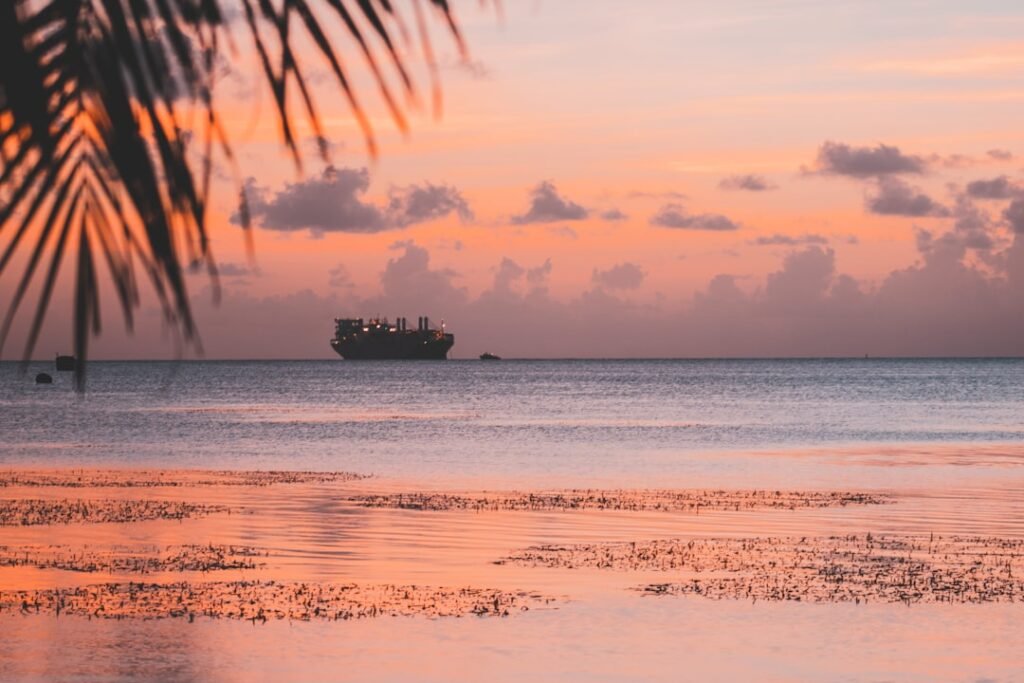
Hawaii, an archipelago located in the central Pacific Ocean, is renowned for its stunning landscapes, rich cultural heritage, and, notably, its diverse climate. The climate of Hawaii is characterized by a tropical maritime environment, which means it experiences warm temperatures year-round with distinct wet and dry seasons. The islands are influenced by trade winds that provide a cooling effect, making the climate more temperate than many other tropical regions. (Persistent trade winds and localized rainfall variability are hallmark features of Hawai‘i’s climate) NWS Honolulu, accessed 2025-09-23.
This unique climatic condition is a result of Hawaii’s geographical location, elevation variations, and ocean currents, which together create microclimates across the islands. The climate in Hawaii can be broadly categorized into two main seasons: the wet season and the dry season. The wet season typically spans from November through April and the dry season from May through October NOAA/NCICS State Climate Summary, 2022 (accessed 2025-09-23).
However, the islands’ topography plays a significant role in creating localized weather patterns. For instance, the windward sides of the islands receive abundant rainfall due to orographic lift, while the leeward sides are often much drier. This variability in climate not only affects the natural environment but also influences the activities and experiences available to residents and visitors alike.
Key Takeaways
- Hawaii has a tropical climate with warm temperatures and consistent trade winds throughout the year NWS Honolulu, accessed 2025-09-23.
- Winter season in Hawaii (December to February) brings slightly cooler temperatures and occasional rain, making it a great time for surfing and whale watching NOAA Sanctuary, accessed 2025-09-23.
- Spring season in Hawaii (March to May) offers warm weather with decreasing rain, perfect for outdoor activities like hiking and snorkeling.
- Summer season in Hawaii (June to August) brings warmer and more humid weather, ideal for beach days and water sports Weather-Atlas Honolulu overview, accessed 2025-09-23.
- Fall season in Hawaii (September to November) features warm temperatures and increasing rain as the wet season approaches, making it a good time for hiking and exploring the island’s lush landscapes.
Winter Season (December to February)
The winter months in Hawaii, from December to February, are marked by cooler temperatures and increased rainfall, particularly on the windward coasts. Average daytime temperatures during this season range from the mid-70s to low 80s Fahrenheit (around 24 to 28 degrees Celsius), making it a pleasant escape from colder climates elsewhere. However, nighttime temperatures can drop into the 60s Fahrenheit (approximately 15 to 20 degrees Celsius), especially in higher elevations such as Mauna Kea and Haleakalā.
This seasonal shift brings about a lushness to the landscape, as the increased precipitation nourishes the flora and fauna. Winter is also a time of significant cultural events in Hawaii. The holiday season is celebrated with various festivals and traditions that reflect the islands’ rich heritage. Honolulu City Lights is a month-long celebration in December that illuminates downtown Honolulu and draws residents and visitors alike City & County of Honolulu (official), accessed 2025-09-23.
Additionally, winter is prime time for surfing on the North Shore of Oahu, where massive waves attract professional surfers from around the globe. Iconic events such as the Vans Pipe Masters (typically in December) and the Eddie Aikau Big Wave Invitational (swell-dependent window roughly December–March) headline the season North Shore Chamber of Commerce calendar, accessed 2025-09-23.
Spring Season (March to May)


As winter transitions into spring, Hawaii experiences a gradual warming trend accompanied by decreasing rainfall. From March to May, temperatures begin to rise, with daytime highs often reaching into the low to mid-80s Fahrenheit (around 27 to 30 degrees Celsius). This period is characterized by a mix of sunny days and occasional showers, particularly in April when the islands celebrate “April Showers Bring May Flowers.” The lush landscapes continue to thrive as wildflowers bloom, creating picturesque vistas that attract nature enthusiasts and photographers alike.
Spring is also an ideal time for outdoor activities such as hiking and exploring Hawaii’s diverse ecosystems. Trails like the Kalalau Trail on Kauai or the Diamond Head Summit Trail on Oahu offer breathtaking views and a chance to experience Hawaii’s unique flora and fauna. Spring is the season of the Merrie Monarch Festival—the world-renowned hula celebration held annually in Hilo around April Merrie Monarch (official), 2025 dates; accessed 2025-09-23.
Regarding marine wildlife, humpback whale season generally runs November–April, with peak viewing from January to March; by May, most whales have begun their migration north NOAA Sanctuary (About), accessed 2025-09-23.
Summer Season (June to August)
| Metrics | June | July | August |
|---|---|---|---|
| Average Temperature (°C) | 25 | 28 | 30 |
| Rainfall (mm) | 50 | 40 | 30 |
The summer months in Hawaii, spanning from June to August, are characterized by warm temperatures and higher humidity. Average daytime temperatures hover around the mid-80s Fahrenheit (approximately 29 to 32 degrees Celsius), making it an ideal time for beachgoers and outdoor enthusiasts Weather-Atlas Honolulu overview, accessed 2025-09-23. The dry season is in full swing during these months, with generally lower rainfall across many leeward areas.
This weather pattern creates perfect conditions for sunbathing, swimming, snorkeling, and other water sports. Summer is also a bustling time for tourism in Hawaii. Families flock to the islands for vacations, leading to vibrant beach scenes filled with laughter and activity.
Popular destinations like Waikiki Beach on Oahu or Kaanapali Beach on Maui become lively hubs of activity where visitors can engage in various water sports such as paddleboarding, jet skiing, and scuba diving. Safety note: the Central Pacific hurricane season runs June 1–November 30; monitor advisories from the Central Pacific Hurricane Center when planning summer and fall travel NOAA CPHC, accessed 2025-09-23; Hawaii DOH preparedness, accessed 2025-09-23.
Additionally, summer brings numerous cultural festivals and events that celebrate Hawaiian traditions. The Aloha Festivals held throughout September showcase Hawaiian music, hula dancing, and local cuisine, allowing visitors to immerse themselves in the islands’ rich cultural tapestry Aloha Festivals (official), accessed 2025-09-23.
Fall Season (September to November)
As summer fades into fall from September to November, Hawaii experiences a gradual cooling trend along with an increase in rainfall as it transitions back into its wet season. Temperatures during this period remain warm, typically ranging from the low 70s to mid-80s Fahrenheit (around 22 to 29 degrees Celsius). The humidity levels may rise slightly as well, but the trade winds continue to provide a refreshing breeze that keeps conditions comfortable.
Fall is an excellent time for travelers seeking fewer crowds while still enjoying pleasant weather. Many visitors take advantage of this shoulder season to explore popular attractions without the hustle and bustle of peak tourist times. Activities such as hiking through lush rainforests or visiting botanical gardens become more enjoyable as nature showcases its vibrant colors during this transition period.
Additionally, fall is known for its cultural significance; events like Halloween celebrations and Thanksgiving festivities reflect both local traditions and broader American customs.
Best Time for Outdoor Activities


Comfortable Temperatures and Moderate Rainfall
During these months, temperatures are comfortable, rainfall is moderate, and tourist crowds are thinner compared to summer.
Spring: Ideal Hiking Conditions
Spring offers excellent hiking conditions as trails are often less muddy than during winter months while still showcasing vibrant flora due to recent rains. Popular hikes like the Makapu’u Point Lighthouse Trail or the Pipiwai Trail provide stunning views without overwhelming crowds.
Fall: A Tranquil Experience
Fall presents an opportunity for outdoor exploration with cooler temperatures making activities like biking or kayaking more enjoyable. The lush landscapes are still vibrant from summer growth while offering a more tranquil experience away from peak tourist traffic.
Best Time for Whale Watching
Whale watching in Hawaii is a seasonal highlight that attracts many visitors eager to witness these majestic creatures up close. The prime whale watching season runs from November through April when humpback whales migrate from Alaska to breed and give birth in Hawaiian waters, with peak activity typically January–March NOAA Sanctuary, accessed 2025-09-23. During this period, numerous tour operators offer excursions that provide opportunities for spotting these magnificent mammals.
January and February are often regarded as peak months for whale watching due to increased whale activity during this time. Many tours report sightings of mothers with calves breaching and tail-slapping in the warm waters off Maui’s coast or around the Channel Islands between Maui and Lanai. The calm seas during these months enhance visibility and make for an unforgettable experience as visitors can witness these incredible animals in their natural habitat.
Conclusion and Recommendations
Hawaii’s climate offers a unique blend of tropical warmth tempered by trade winds, creating an inviting environment year-round. Each season presents its own distinct characteristics that cater to various interests and activities. Whether one seeks adventure through hiking or water sports or wishes to immerse themselves in cultural festivities, there is always something happening in Hawaii.
For those planning a visit, it is advisable to consider personal preferences regarding weather conditions and crowd levels when choosing travel dates. Spring and fall are excellent choices for outdoor activities due to moderate temperatures and fewer tourists. Meanwhile, winter provides opportunities for cultural experiences alongside thrilling surf competitions, while summer is perfect for family vacations filled with beach fun.
Regardless of when one chooses to visit, Hawaii’s enchanting landscapes and rich cultural heritage promise an unforgettable experience that resonates long after leaving its shores.
When planning your trip to Hawaii, it’s important to consider the best time to travel to make the most of your experience. According to TakeTravelInfo, the best time to visit Hawaii is during the shoulder seasons of spring (April-May) and fall (September-October) when the weather is pleasant and the crowds are smaller. Additionally, having a lightweight laptop for travel, like the ones recommended by TakeTravelInfo, can make it easier to stay connected and organized while exploring the beautiful islands. And if you’re a fishing enthusiast, don’t forget to pack a travel fishing rod from TakeTravelInfo to enjoy some of the best fishing spots in Hawaii.
FAQs
What is the best time to travel to Hawaii?
The best time to travel to Hawaii is during the shoulder seasons of spring (April to June) and fall (September to mid-December). These times offer pleasant weather, fewer crowds, and lower prices.
What is the weather like in Hawaii during the best time to travel?
During the best time to travel to Hawaii, the weather is typically warm and sunny with temperatures ranging from the mid-70s to mid-80s Fahrenheit. There is also less chance of rain and hurricanes during these times; note that Central Pacific hurricane season runs June 1–November 30 NOAA CPHC, accessed 2025-09-23.
Are there any specific events or festivals during the best time to travel to Hawaii?
During the best time to travel to Hawaii, there are various events and festivals such as the Merrie Monarch Festival in April Merrie Monarch (official), 2025; accessed 2025-09-23, the Honolulu Festival in March Honolulu Festival (official), accessed 2025-09-23, and the Aloha Festivals in September Aloha Festivals (official), accessed 2025-09-23.
Is it more expensive to travel to Hawaii during the best time?
Traveling to Hawaii during the best time (shoulder seasons) can be more affordable compared to peak season (summer and winter holidays). However, prices may still be higher than off-peak times.
What are the popular activities to do in Hawaii during the best time to travel?
Popular activities to do in Hawaii during the best time to travel include snorkeling, surfing, hiking, attending luaus, exploring the islands, and enjoying the beautiful beaches and scenery.