


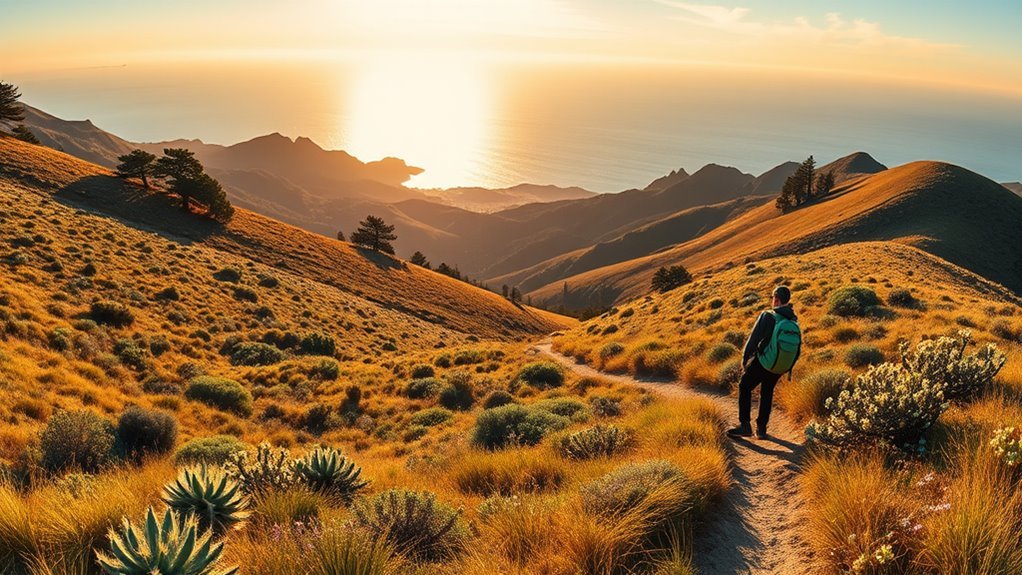
You’ll feel like you could hike every trail in Santa Barbara in a single day — and then discover there’s even more to explore. You’ll find chilled coastal strolls, strenuous mountain scrambles, hidden hot springs, and family-friendly loops, each with distinct views and conditions. I’ll guide you through the best options, what to expect, and which routes suit your pace and skills, so you can pick the perfect outing for your next outdoor day.
Santa Barbara Hot Springs (Hot Springs Canyon Trail)

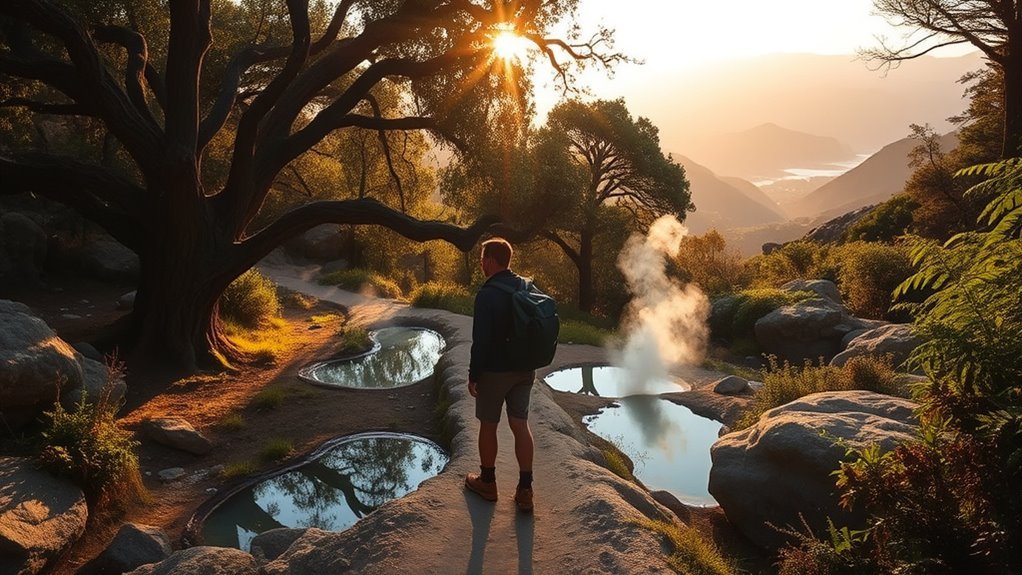
If you’re looking for a memorable outdoor soak, Hot Springs Canyon Trail (aka Santa Barbara Hot Springs) delivers: this 2.5-mile out‑and‑back climbs about 800 feet through scenic terrain to a series of natural hot pools—warmer at the top and cooling as you descend—where locals have shaped soaking spots into comfortable tubs. You’ll tackle a moderate‑to‑hard route that rewards effort with steaming water, coastal breezes, and open views that feel liberating. Time your visit: the upper pools are hottest, so plan whether you want boiling warmth or milder pools below. Aim for sunrise or sunset to dodge crowds and score easier parking; quieter hours let you linger, reflect, and reclaim the day on your terms. Bring water, sturdy shoes, and respect for the site—pack out trash and tread lightly so these communal tubs stay available. The hike’s scenic shifts and tactile warmth make it both a physical challenge and a restorative ritual you’ll return to again.
Inspiration Point and Jesuita Trail Alternative
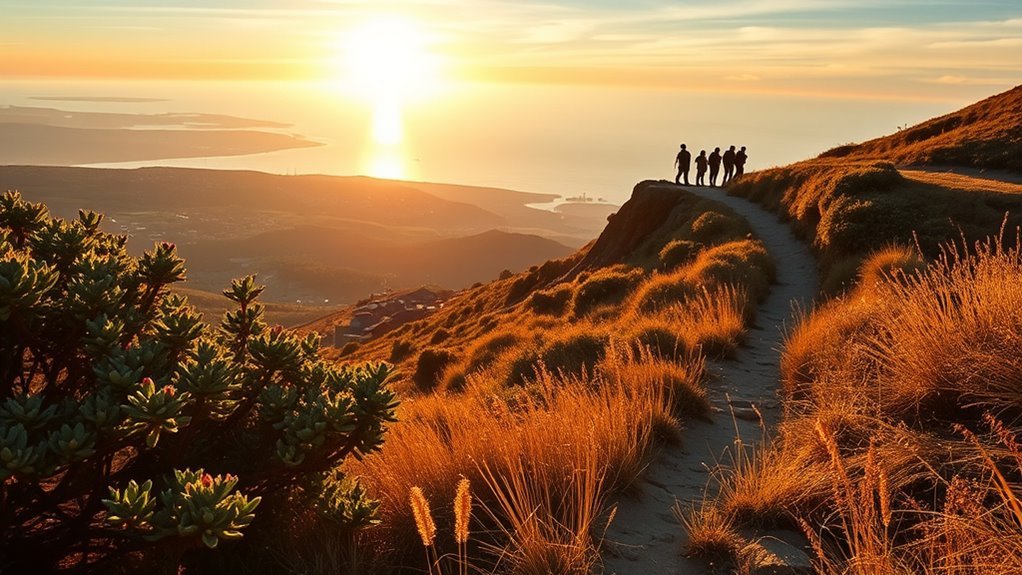
If you’re chasing a classic Santa Barbara sunset, the short climb to Inspiration Point delivers sweeping views of downtown, the harbor, and the Channel Islands right at golden hour. Note that the Tunnel Road trailhead has no official lot, so you’ll likely need to hunt for street parking or use nearby access points. If you want fewer people and a longer, quieter route, consider the Jesuita Trail as a peaceful alternative with lush greenery and great photo ops.
Sunset View Shortcut
When you want a quick, rewarding sunset without crowds, head to the Sunset View Shortcut—Inspiration Point’s well-marked 3.5-mile loop offers a moderate 951-foot climb and sweeping views of downtown Santa Barbara and the Channel Islands, while the nearby Jesuita Trail gives you a quieter, longer route for exploring secluded ridgelines. You’ll move through wildflowers and lush greenery, reach panoramic ocean vistas, and feel liberated by open sky and coastal breezes. Choose the loop for speed and clear overlooks; pick Jesuita for solitude and winding ridgelines.
- Quick sunset loop with big views
- Well-marked trail and vibrant flora
- Jesuita’s secluded, longer alternative
- Ocean and Channel Islands panoramas
Parking and Access
After you soak in the sunset or pick between the quick Inspiration Point loop and the longer Jesuita ridgeline, plan your arrival around parking and access so you’re not stuck circling for a spot. Parking at Inspiration Point is limited, so you may need to leave a car on Tunnel Road and walk to the trailhead; think of that walk as part of the escape. Both trails start from the same general area, so you can choose on arrival—short, steep 3.5 miles with 950 feet gain, or the longer Jesuita alternative. Arrive early or later in the day to dodge crowds and secure a space. Pack water, lock your vehicle, and move deliberately: freedom on the trail begins with smart access.
Jesuita Trail Benefits
Because it stays quieter and stretches a bit farther, the Jesuita Trail is a great alternative to Inspiration Point if you want space to breathe and more miles to earn those views. You’ll cover roughly 4.5 miles round trip with about 1,200 feet of gain, a satisfying, moderate challenge that opens up coastal and mountain panoramas without the usual crowds. The trailhead sits near Inspiration Point, so swapping routes is easy when you crave solitude. You’ll move at your own pace, reclaiming time and perspective as the ocean unfolds below.
- Longer route for a fuller, freeing hike
- Fewer people at peak times, especially sunset
- Solid elevation for workout and reward
- Easy access near Inspiration Point
Lizards Mouth — Los Padres Views

Just a half-mile round trip, Lizards Mouth in Los Padres National Forest gives you big payoff for little effort — nimble footing on rocky terrain leads to dramatic ocean and coastline views that glow at sunrise and sunset. You’ll move across short, uneven rock slabs, so watch your step and wear sturdy shoes. The route is mostly easy, perfect if you want a quick escape that still feels wild and freeing. Park along the road, lock valuables, and remember cell service can be spotty; download offline maps beforehand. Families and casual hikers will find it accessible, but stay mindful of edges and loose stones. When you reach the lookout, breathe deep: the vista rewards careful approach with broad ocean swaths and sculpted coastline. This spot is ideal for reclaiming time, capturing light at golden hours, and practicing low-impact presence in the forest.
| Feature | Why it matters |
|---|---|
| Distance | Quick, accessible outing |
| Terrain | Rocky — nimble footing needed |
| Views | Ocean/coastline, spectacular light |
| Parking | Roadside, limited spots |
| Cell Service | Spotty — bring offline maps |
Cold Springs Loop and Tangerine Falls Route
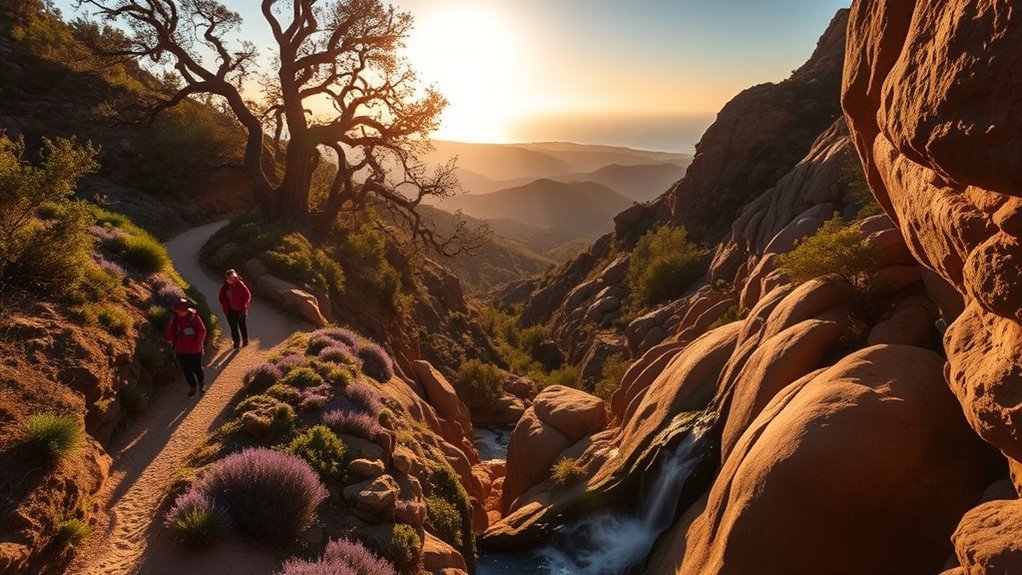
You’ll find the Cold Springs Loop is a compact, family-friendly 2-mile circuit with a shaded creek and branching paths that invite short detours and varied scenery. If you’re aiming for a waterfall, plan the 2.2-mile out-and-back to Tangerine Falls for wetter months, and be ready for an 880-foot climb plus some boulder scrambling near the final approach. Since both trails share a trailhead, you can easily combine them for a longer outing that warms you up on the loop before tackling the falls.
Cold Springs Loop Overview
While the Cold Springs Loop offers a short, family-friendly 2-mile circuit with about 700 feet of elevation gain that’s perfect for a late-afternoon stroll along a scenic creek, the nearby Tangerine Falls route—sharing the same trailhead—gives you a slightly more strenuous 2.2-mile out-and-back option with 880 feet of climb and a waterfall reward best seen in wetter months. You’ll find the loop restful and restorative, with creekside views and chances to spot local wildlife as you move through Montecito foothills. The Tangerine Falls spur lets you push a bit harder if you want a payoff of cascading water and a touch of scrambling. Both routes are accessible, freeing you to choose pace and challenge.
- Scenic creekside walking
- Wildlife viewing opportunities
- Short, manageable distances
- Choice of mellow or strenuous route
Tangerine Falls Access Tips
If you’re planning to visit Tangerine Falls, aim for wetter months and an early start: the 2.2-mile out-and-back climbs about 880 feet and shows best after recent rain, but crowds build fast on weekends so mornings or late afternoons give you more space. You’ll share the trailhead with Cold Springs Loop, so decide whether to combine routes or focus on the falls; the shared access makes logistics simple. Prepare for a steady, invigorating climb with rewarding views as you approach the cascade. Bring sturdy shoes, water, and a light wind layer—conditions change after rain. Move deliberately, leave no trace, and claim your moment at the falls; timing and intent are your tickets to a freeing, restorative hike.
Rattlesnake Canyon to Tin Can Meadow
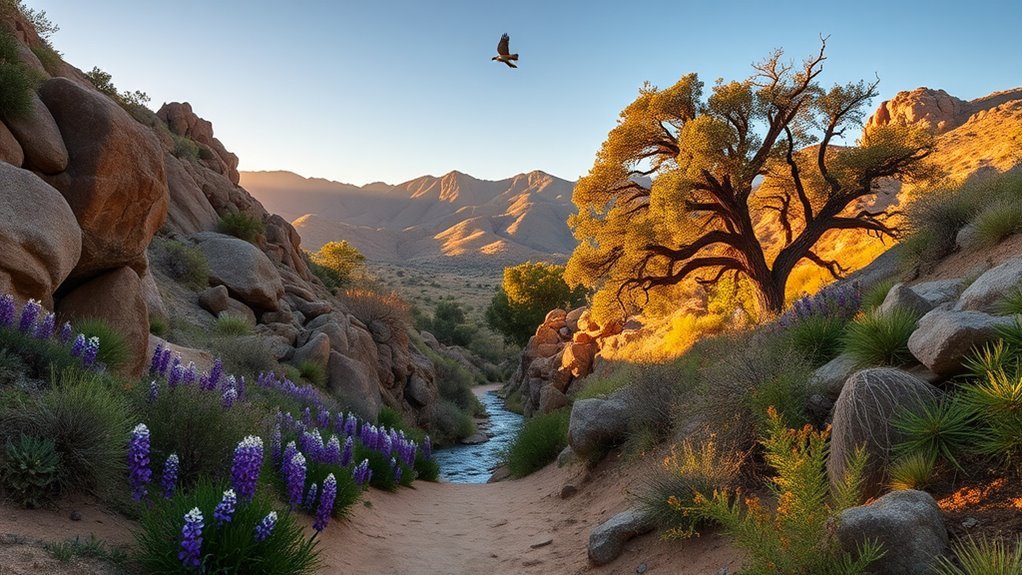
Although it’s an easy 4.5-mile out-and-back, the Rattlesnake Canyon Trail to Tin Can Meadow feels like a real escape — mostly shaded and threaded with several stream crossings that keep the canyon lush on warm days. You’ll find this route invigoratingly quiet compared with busier local trails, so you can move at your own pace and breathe freely. Take steady steps at stream crossings; rocks get slick and footing matters. Push on to Tin Can Meadow for a wide-open reward: panoramic mountain-to-ocean views that feel like a small personal summit. It’s family-friendly but still offers solitude for anyone wanting to step away from routine.
An easy, shaded 4.5-mile out-and-back with stream crossings and a rewarding Tin Can Meadow view — peaceful, family-friendly escape
- Mostly shaded, stream-lined route that cools you on hot days
- Multiple stream crossings — bring sure-footed shoes
- Less crowded, so you can reclaim calm and space
- Tin Can Meadow’s vistas offer an expansive, liberating payoff
Montecito Peak — Summit Route
Because it climbs about 2,400 feet over roughly 7 miles round trip, the Montecito Peak summit route will test your legs and reward you with some of the clearest panoramic views around Santa Barbara. You start at the Cold Springs/Tangerine Falls trailhead, where multiple routings branch off; choose the counterclockwise option if you want slightly shorter mileage and a steeper ascent early on. The climb is demanding, so lace sturdy boots, pack ample water, and bring high-energy snacks—this trail expects effort and gives back sweeping ocean, city, and mountain vistas. You’ll find fewer people here than on more trafficked paths, which lets you move at your own pace and soak in expansive horizons without interruption. Navigation is straightforward but remains rugged; stay on marked connectors, respect the terrain, and pace yourself on exposed sections. When you crest the summit, you’ll feel liberated by the wide-open views and the quiet confidence that comes from tackling a true Santa Barbara classic.
Seven Falls Trail and Arlington Peak Alternatives
When you’re choosing between a water‑lined stroll and a rugged summit push, the Seven Falls Trail and nearby Arlington Peak give you two distinctly rewarding options: You can head out on Seven Falls, a 3.2-mile round trip with about 803 feet of gain, best in late spring when cascades and pools sing. The shared trailhead with Inspiration Point means you’ll get views early, then rendezvous with shady pools that feel like small freedoms. Or you can opt for Arlington Peak — roughly 3.7 miles and 1,200 feet up — if you crave raw terrain and panoramic payoff.
- Seven Falls: moderate, flowing water, pools, late-spring peak
- Inspiration Point access: scenic vistas before you descend
- Arlington Peak: steeper, rugged route, expansive summit views
- Sunset strategy: fewer crowds, golden light, liberating silence
Both trails are local favorites; pick the vibe you want and reclaim an afternoon with clear intention.
San Marcos Preserve and Family-Friendly Routes
If you want something gentler after the thrills of Arlington Peak or the water song of Seven Falls, head to San Marcos Preserve for reliably family-friendly miles and wide-open views. You’ll find 300 acres of contiguous habitat where golden grasses roll to mountain ridges and the ocean glints beyond. Trails off Foothill Road start at a convenient parking area atop the hill, so you’ll spend time walking, not fiddling with logistics. The community raised $18.6 million to save this land, so every step supports public access and outdoor education.
| Terrain | Sights | Ease |
|---|---|---|
| Gentle slopes | Golden grass vistas | Stroller-friendly stretches |
| Wildflowers | Mountain panoramas | Clear signage |
| Open meadows | Occasional wildlife | Short loop options |
Bring curious kids, teach them to identify plants and birds, and move at the pace that frees you. The preserve feels intentional, accessible, and ready for exploration.
Ellwood Mesa Bluffs and Coastal Walks
You’ll love the mostly-level bluff walks at Ellwood Mesa for their winding paths, secret coves, and wide ocean vistas that make great family strolls and picnic spots. Keep an eye on the eucalyptus groves where Monarch butterflies cluster seasonally — it’s a rare, rewarding sight for nature lovers. Bring a hat for sun protection and comfortable shoes so you can explore the coastline without fuss.
Bluff Walks & Views
Though mostly level and easy to follow, the winding trails along Ellwood Mesa Bluffs reward you with sweeping coastal views, secret coves perfect for photos or quiet moments, and open spaces where kids can run and explore. You’ll move at your own pace, breathing ocean air and spotting wildlife from a distance while keeping the experience freeing and unhurried. Bring sun protection—the bluffs are exposed and warm on summer days. Carry water and a small camera; the coves and cliffside vistas invite spontaneous pauses. Paths are family-friendly and forgiving, so you can let kids roam safely while you soak in the panorama.
- Easy, mostly-level trails for all ages
- Photo-ready secret coves and viewpoints
- Open areas for kids to run and explore
- Exposed routes—bring sun protection
Monarch Butterfly Habitat
When you visit Ellwood Mesa during monarch season (late October through early March), you’ll find eucalyptus groves on the coastal bluffs alive with orange-and-black clusters as thousands of butterflies roost and ride the ocean breezes. You can stroll mostly-level trails that frame wide ocean views, pause on winding paths to peer into secret coves, and watch delicate wings flicker against the sky. Bring sun protection—the trail shade is limited—so you stay comfortable while you move freely through this coastal sanctuary. Respect the roosts by keeping distance and quiet; your presence can protect their fragile migration. This spot lets you witness migration up close, connect with wild rhythms, and feel more free in the open air.
Gaviota Wind Caves and Nearby Coastal Hikes
If you’re looking for a short, family-friendly coastal adventure, the Gaviota Wind Caves Trail delivers—about a 2-mile out-and-back with 429 feet of elevation gain that’s doable for kids and dogs. You’ll hike rolling hills and a mostly gentle path that opens to sandstone wind caves sculpted by persistent ocean breezes. The payoff is sweeping Pacific views and salty air that feels like freedom.
Park at the trailhead about 30 minutes north of Santa Barbara on Highway 101, then move at your own pace, exploring alcoves and photographing layered rock. Nearby Gaviota State Park trails extend the day if you want longer solitude, wildlife sightings, or a picnic with an ocean backdrop. Bring water, sun protection, and a sense of curiosity.
- Easy access from Highway 101, short drive from Santa Barbara
- Unique wind-carved sandstone formations to explore
- Family- and dog-friendly terrain with coastal vistas
- Options to extend your hike in Gaviota State Park
Frequently Asked Questions
Are Dogs Allowed on These Trails and Are There Leash Rules?
Yes — dogs are allowed on many trails, but you’ll need to keep them leashed in most areas; some beaches or preserves allow off-leash only in designated zones, so check specific trail rules before heading out.
What Are the Best Nearby Campsites or Overnight Options?
About 60% of local campgrounds fill on summer weekends, so reserve early. You’ll find beachfront state parks, backcountry spots in Los Padres, and private eco-camps — choose freedom: tent, car-camp, or a quiet wilderness permit option.
Are Any Trails Wheelchair or Stroller Accessible?
Yes — some trails are accessible: you’ll find paved, flat segments at Shoreline Park, Butterfly Beach paths, and parts of Douglas Family Preserve; check trailhead info and current conditions, and bring a partner or adaptive gear for fuller access.
When Is the Best Season for Wildflower Viewing?
Spring’s peak (March–May) gives you the best wildflower displays; you’ll catch vibrant blooms after winter rains, with April usually prime. Get out early, follow local bloom reports, and celebrate nature’s liberating color.
What Permits or Parking Fees Are Required?
You’ll need a day-use or park-specific permit at some trailheads, and many lots charge parking fees or require meters; check trail websites, carry cash or a pass, and reserve permits early to avoid being blocked out.
Conclusion
You’ll probably tell yourself you came for the views, not the sweat—yet you’ll end up with both, and a newfound respect for your hiking shoes. Whether you choose hot springs, coastal bluffs, family-friendly strolls, or a thigh-burning summit, Santa Barbara’s trails deliver scenery, surprises, and doable challenges. Pack water, a camera, and curiosity; swap plans for spontaneity occasionally. You’ll leave tired, smiling, and already plotting your next trail.